
❮
❯
 Electrical & Ignition
 Starter Motor
 Carburetor
 Air Filter
 Hub motor
 Sensor
 Brake Caliper
 Other Parts
 Starter relay
 Engine & Drive
 Throttle body
 Fuel Filter
 Mid-drive motor
 Vacuum Valve
 Mirror
 Starter Drive
 Turbocharger
 Filtration System
 Oil Filter
 Charger
 Pressure Reducing Valve
 Combination
 Alternator
 Fuel Pump
 Cabin Filter
 EV & Robotics
 Electric Power Steering Motor
 Pressure Regulator
 Magneto Stator
 Water Pump
 Robot parts
 Sensors & Valves
 Dosing Valve
 Regulator
 Gearing
 Chassis & Body
 Ignition Coil
 Belt
 Other
 CDI
 Gasket
 Battery
 Transmission Solenoid Valve
 Ignition Key Switch
 Electronic Control Module
 Controller
 Carbon Brush
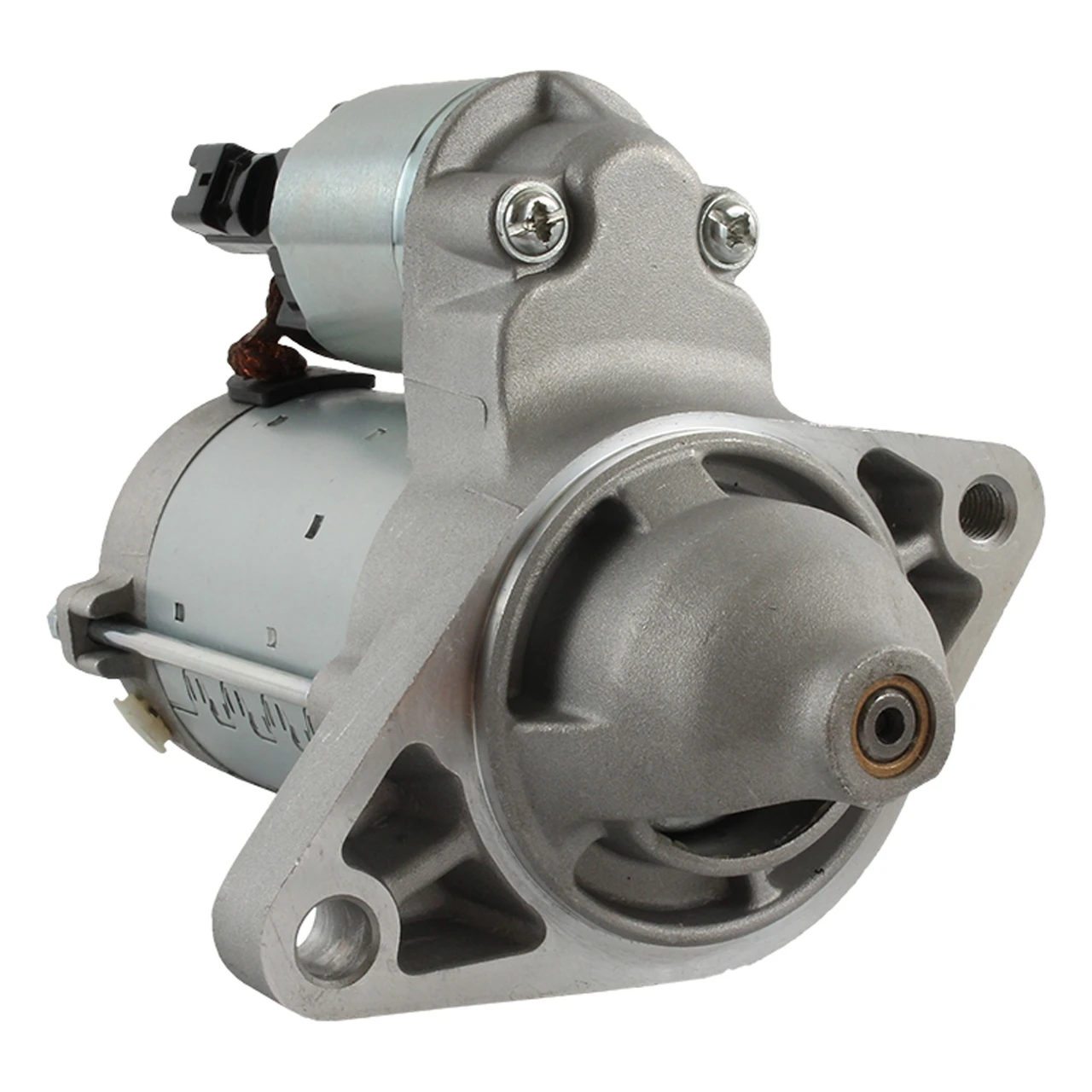
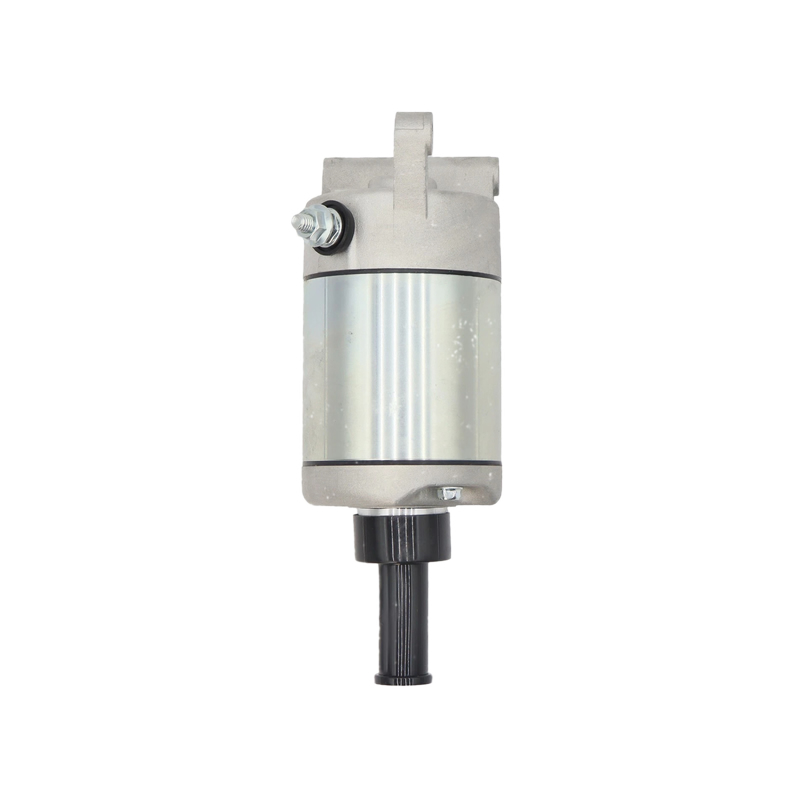
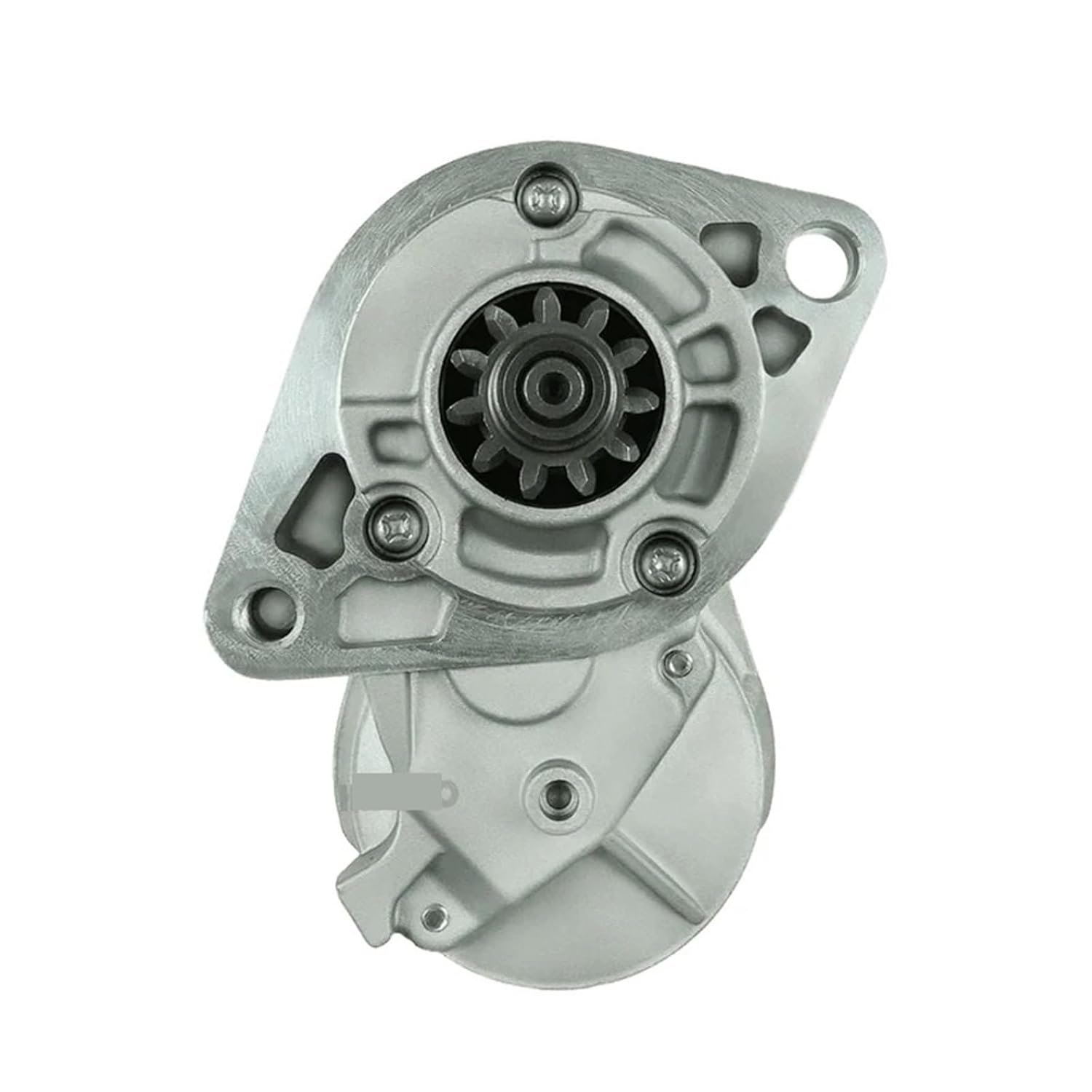
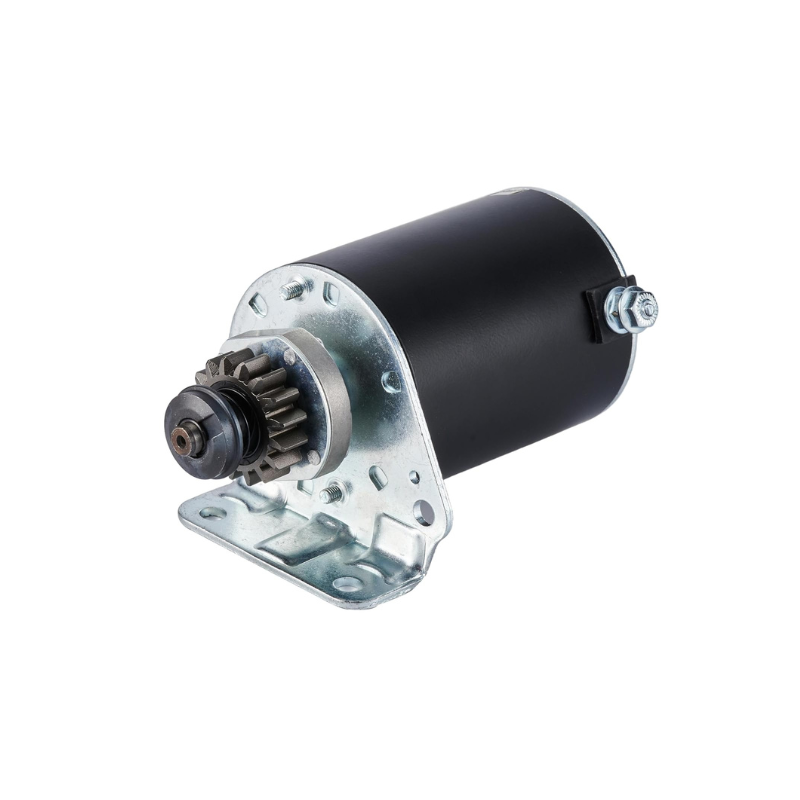
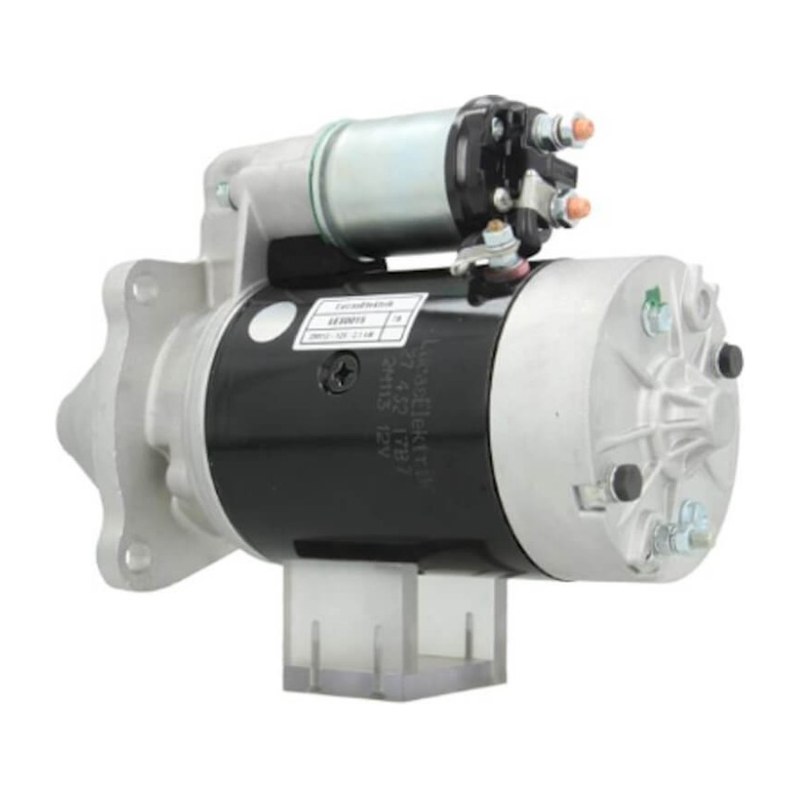
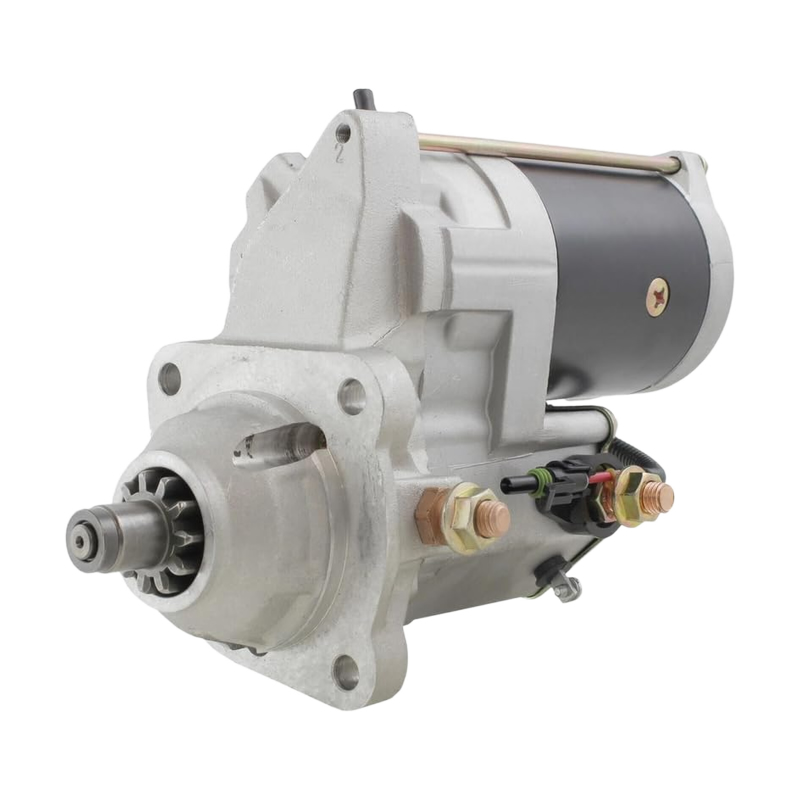
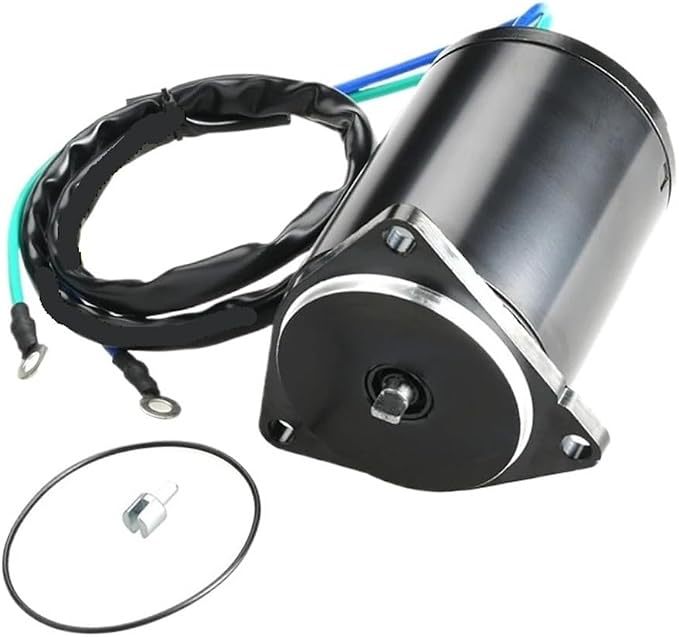
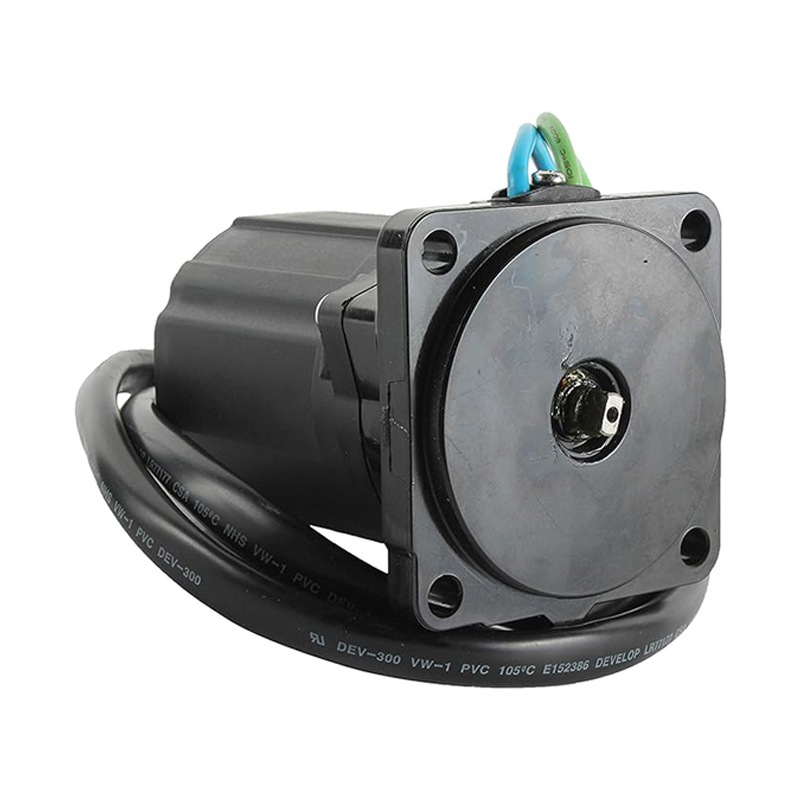
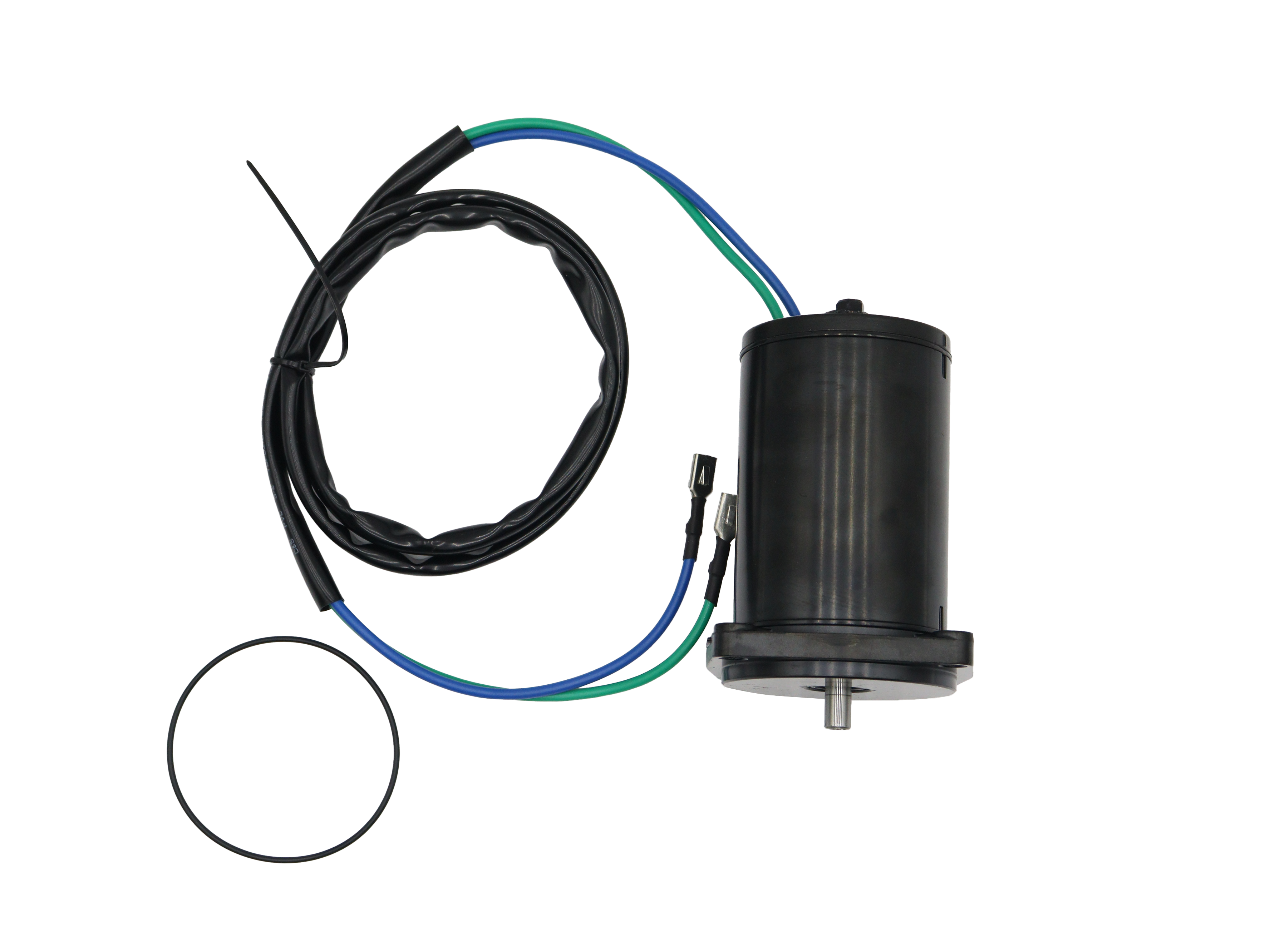
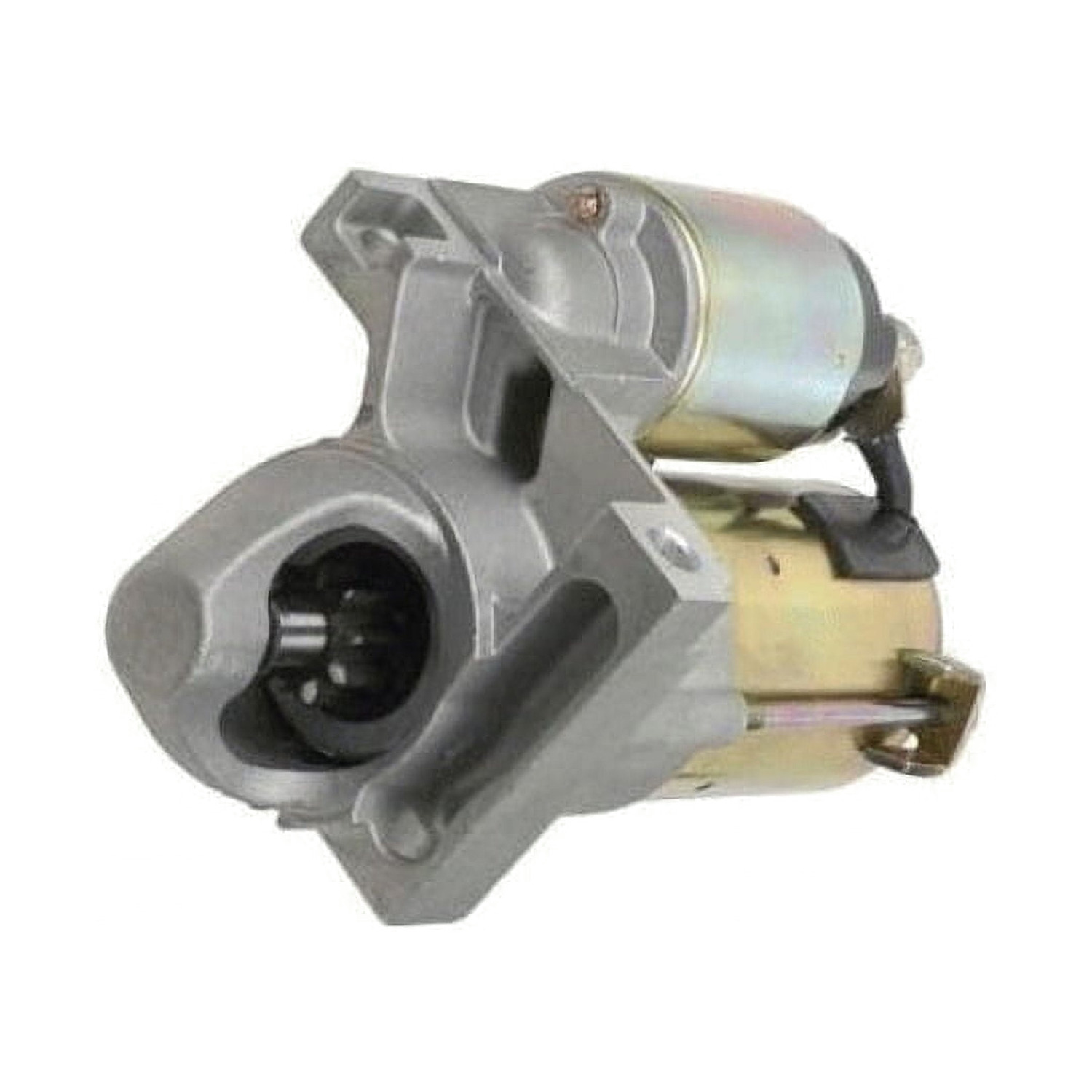
The first-generation Equinox used GM's 3.4 L pushrod V6 across every trim, which makes the starter choice simple: one engine, one mounting pattern, one connector. This unit replaces the original assembly on those vehicles and on the Pontiac Torrent that used the same powertrain.
The pinion has nine teeth and turns clockwise as viewed from the drive end. Nine teeth is the standard for this engine family. Listings that quote eleven or twelve teeth are describing a different GM starter, usually the one used on the later 3.0 and 3.6 L engines, and those will not mesh with the 3.4 L flywheel.
The motor is a permanent-magnet gear-reduction unit rated between 1.2 and 1.4 kW depending on the catalogue. That is more than enough for a 3.4 L V6, and it is the reason the unit is compact and light compared with the old direct-drive starters.
On the Equinox the starter sits on the engine side of the transaxle, low and slightly forward, partly shielded by a heat sleeve. Access is from below with the front wheels on ramps. Disconnect the battery first: the B+ cable is live and it is easy to short it against the block while working in that space.
The common failure on these vehicles is a single loud click with no crank, which is usually the solenoid contacts rather than the motor. A motor that cranks slowly and smells hot is usually drawing excessive current because of worn brushes or a dragging armature. Both conditions are solved by replacing the assembly rather than rebuilding it.
GM used several numbers across the run of this engine. 12594495 and 89017755 are the ones most often quoted for the Equinox and Torrent, with ACDelco 323-1631 and Delco 8000064 and 8100017 on the service side. The Lester number for the family is 6786, and the common aftermarket cross-references are Arrowhead SDR0341, J&N 410-12352, WAI 2-3050-DR, Denso 280-5386 and Bosch SR8652X.
One caution about part numbers. The number quoted on some listings for this vehicle does not appear in any GM catalogue or aftermarket cross-reference index, which usually means a transcription error. If a number cannot be found anywhere, match the unit by engine, tooth count and photograph instead of by the number alone.
Before fitting, inspect the flywheel teeth through the starter opening. A chipped ring gear will damage a new pinion quickly, and on these engines the ring gear is part of the flexplate, so the repair is more involved than on a manual car. Also check the battery and the ground strap; a weak battery mimics a failing starter on a cold morning.
The new unit should crank the engine faster than the old one did on its best day. If it does not, stop and check the voltage drop across the B+ cable and the engine ground before assuming the starter is at fault. A cable that looks fine can lose half a volt at the terminal, and that is enough to make a healthy starter feel tired.
| Brand | Model | Model Code | Year |
|---|---|---|---|
| Chevrolet | Chevrolet Equinox 3.4 (LNJ) | CV-EQUINOX-34-LNJ | 2005–2009 |
Follow Us:


