
❮
❯
 Electrical & Ignition
 Starter Motor
 Carburetor
 Air Filter
 Hub motor
 Sensor
 Brake Caliper
 Other Parts
 Starter relay
 Engine & Drive
 Throttle body
 Fuel Filter
 Mid-drive motor
 Vacuum Valve
 Mirror
 Starter Drive
 Turbocharger
 Filtration System
 Oil Filter
 Charger
 Pressure Reducing Valve
 Combination
 Alternator
 Fuel Pump
 Cabin Filter
 EV & Robotics
 Electric Power Steering Motor
 Pressure Regulator
 Magneto Stator
 Water Pump
 Robot parts
 Sensors & Valves
 Dosing Valve
 Regulator
 Gearing
 Chassis & Body
 Ignition Coil
 Belt
 Other
 CDI
 Gasket
 Battery
 Transmission Solenoid Valve
 Ignition Key Switch
 Electronic Control Module
 Controller
 Carbon Brush
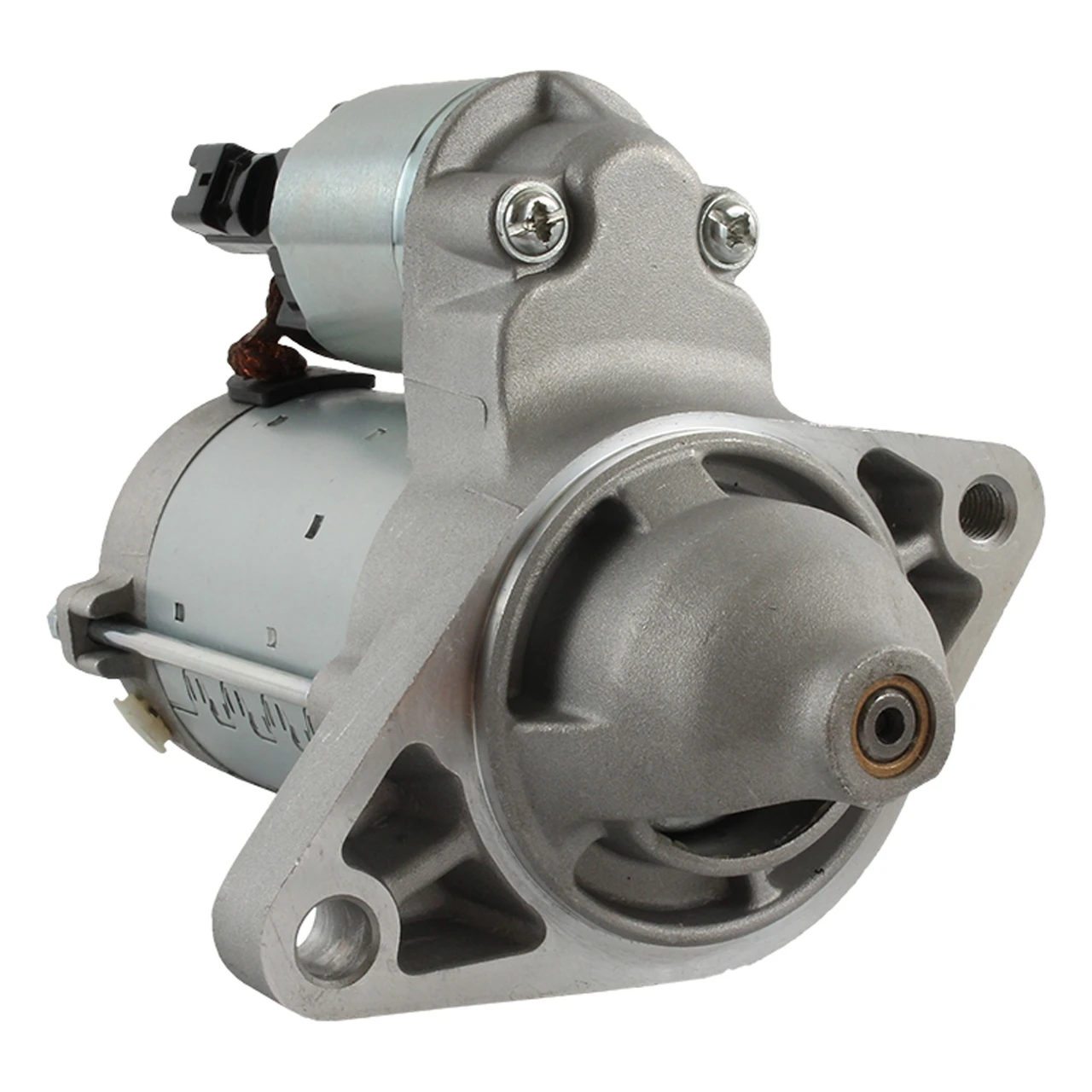
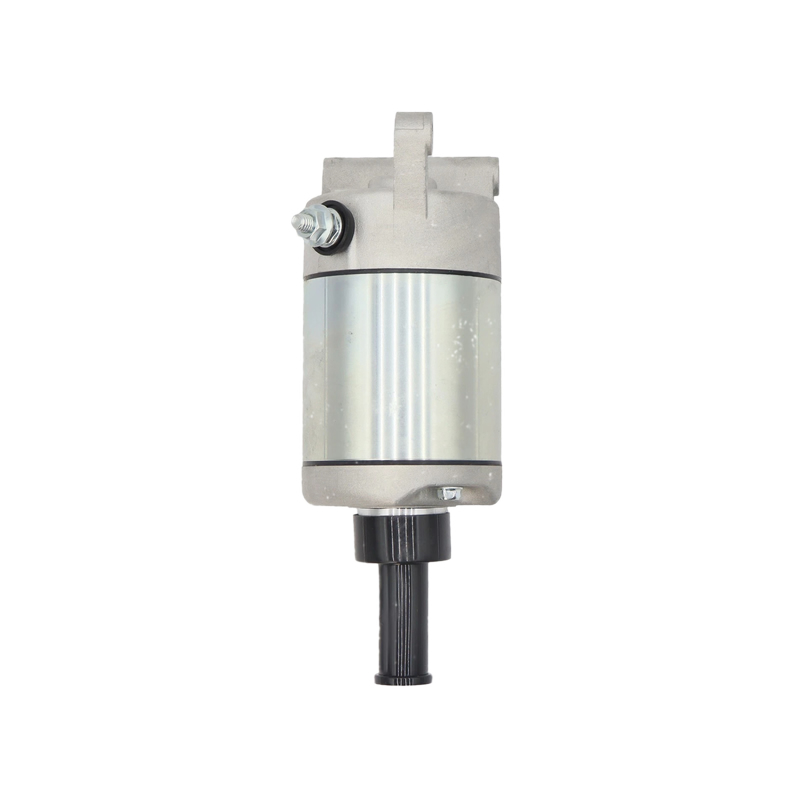
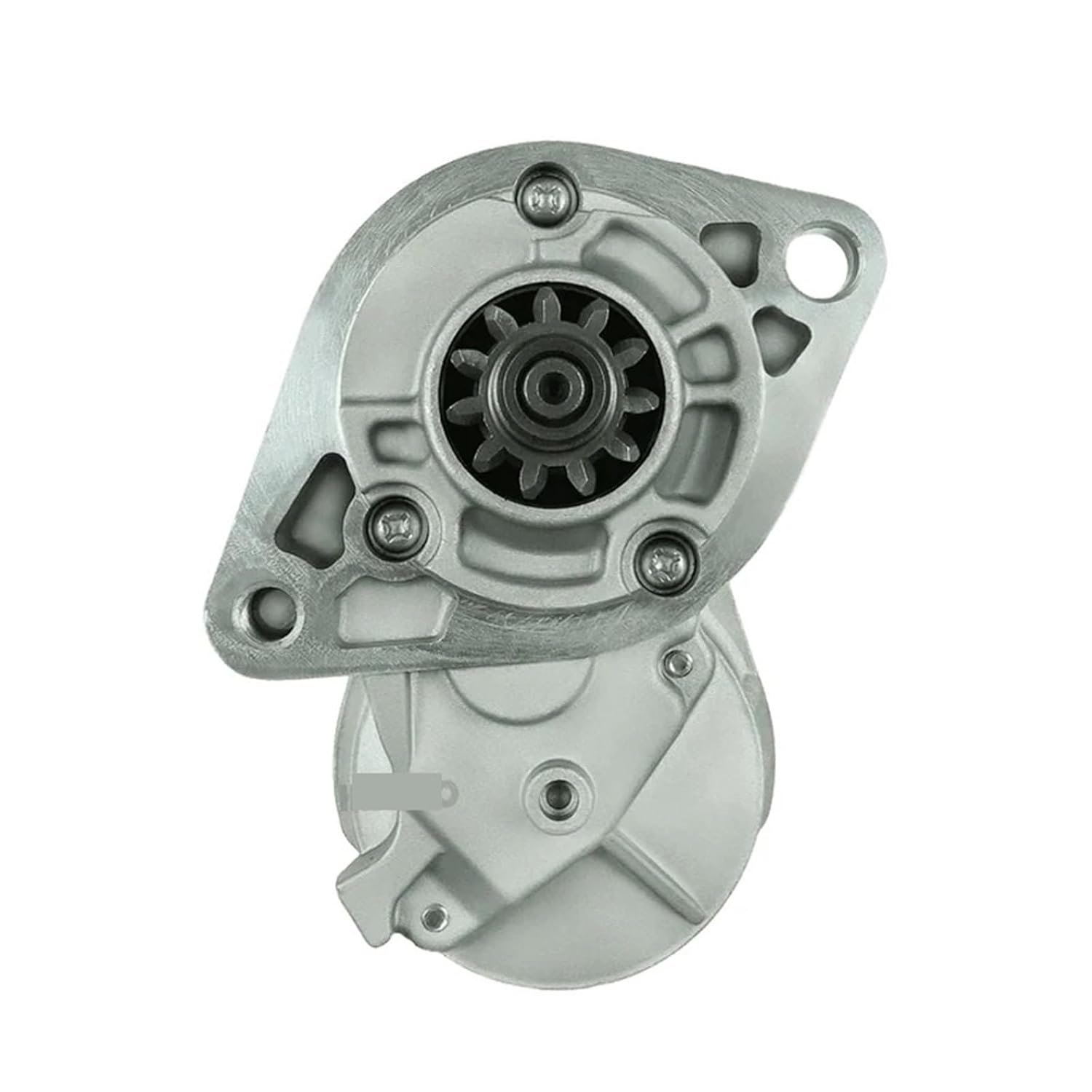
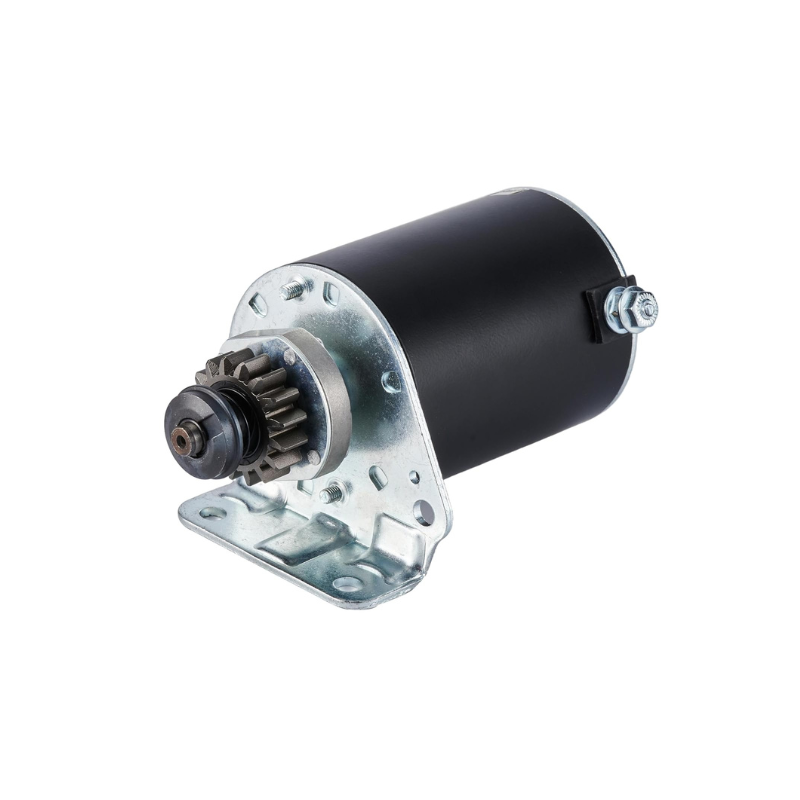
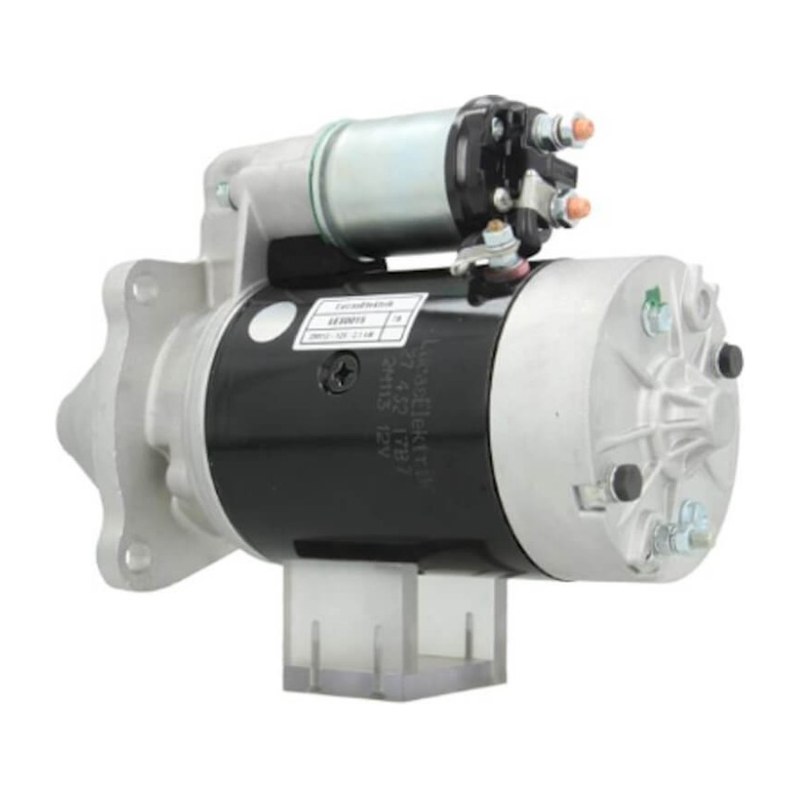
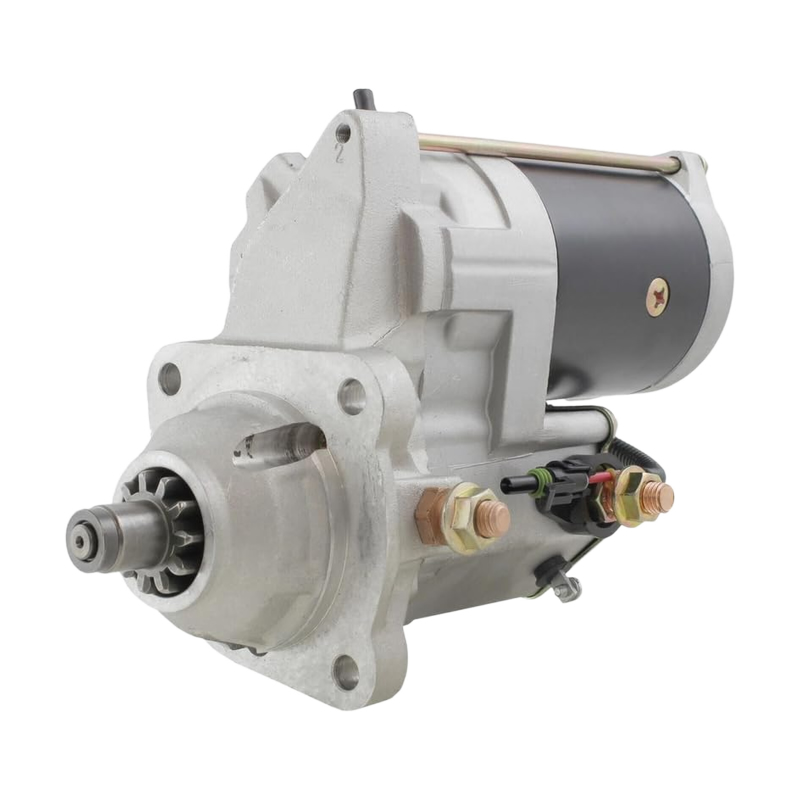
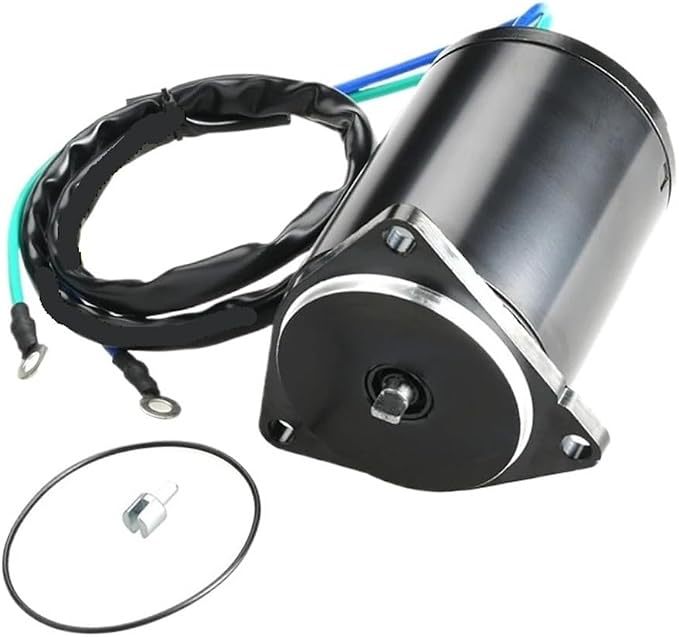
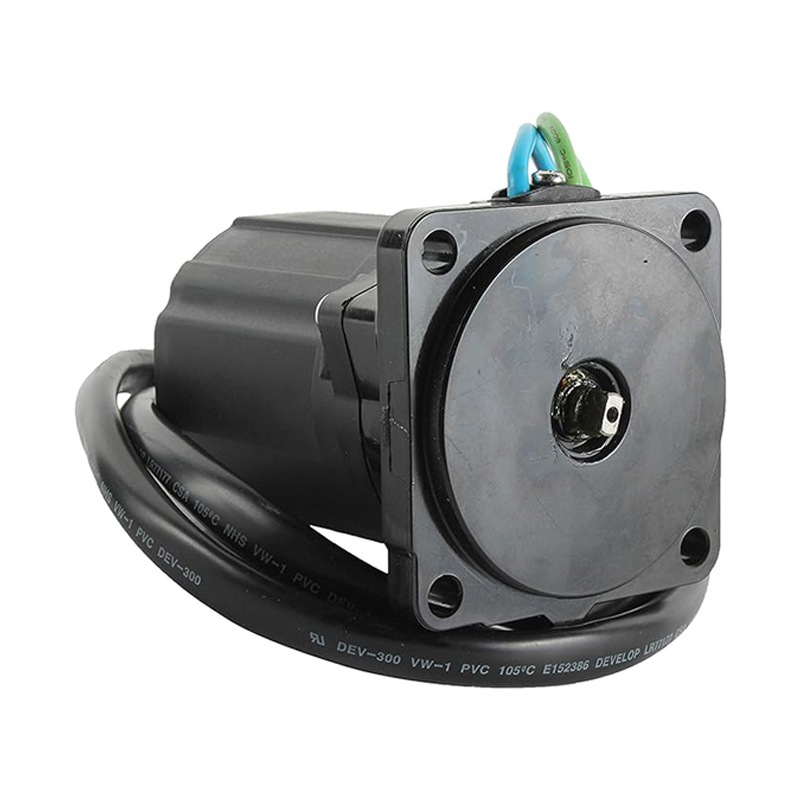
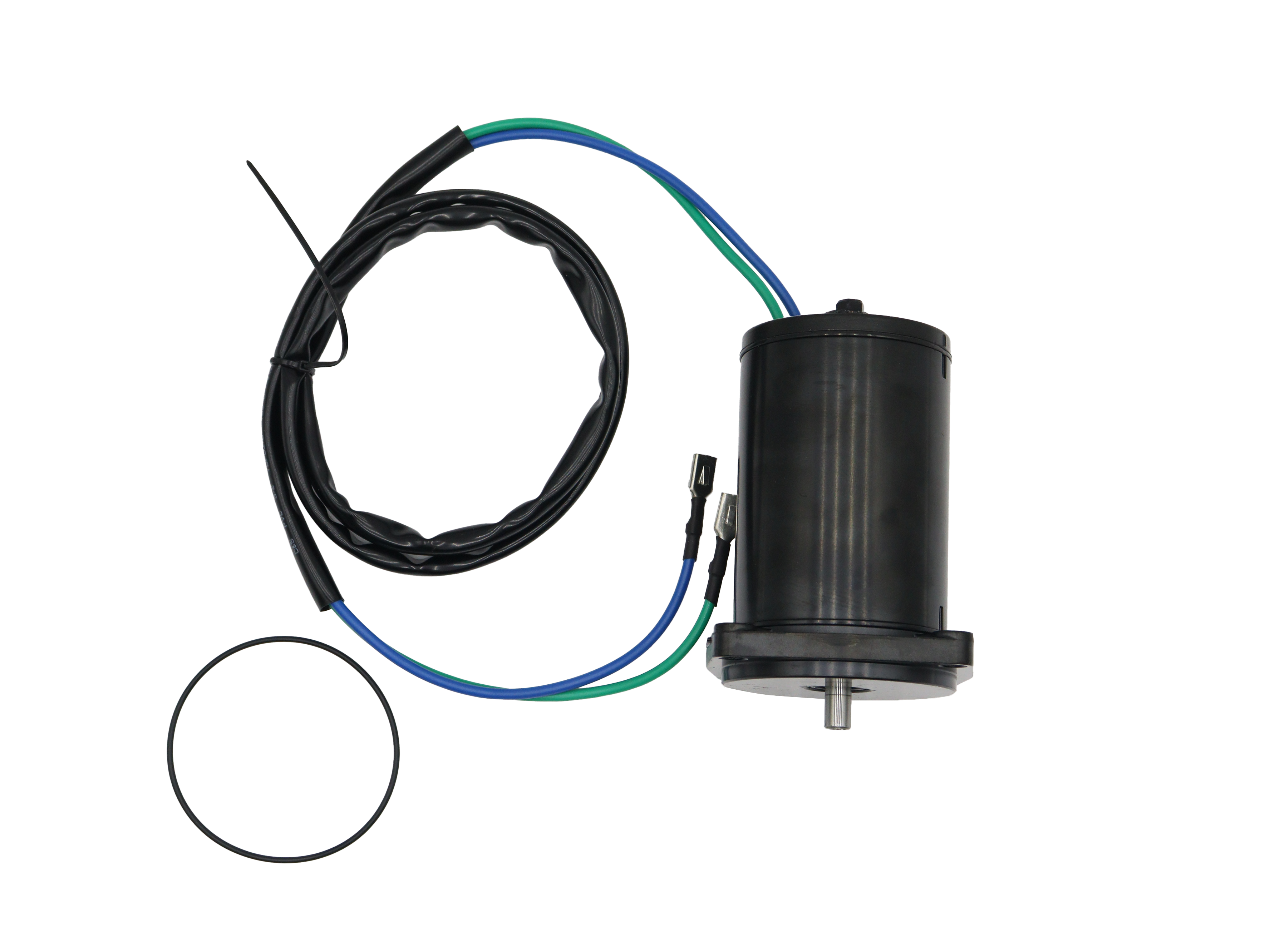
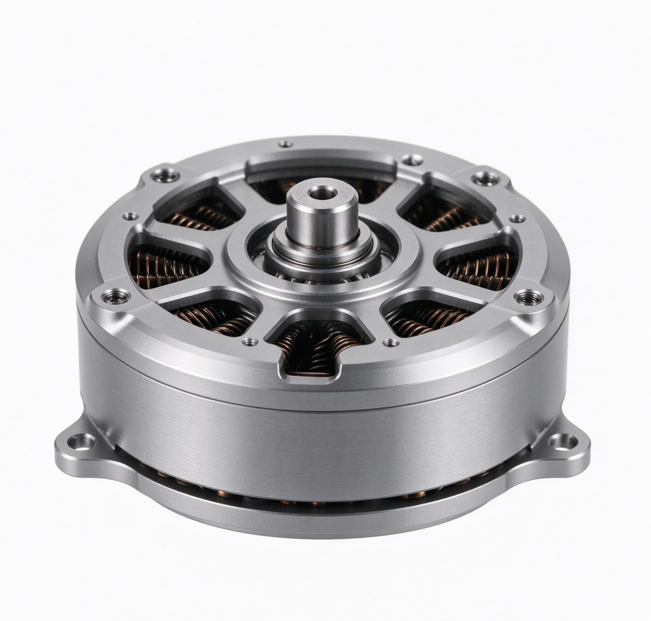
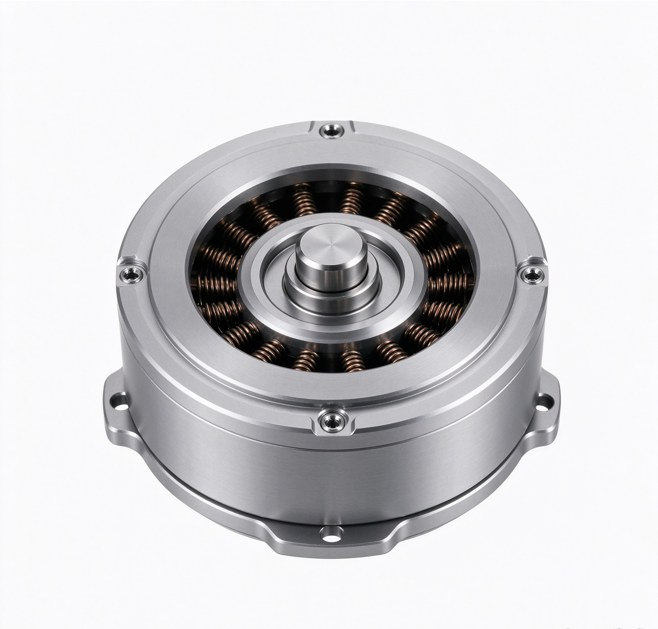
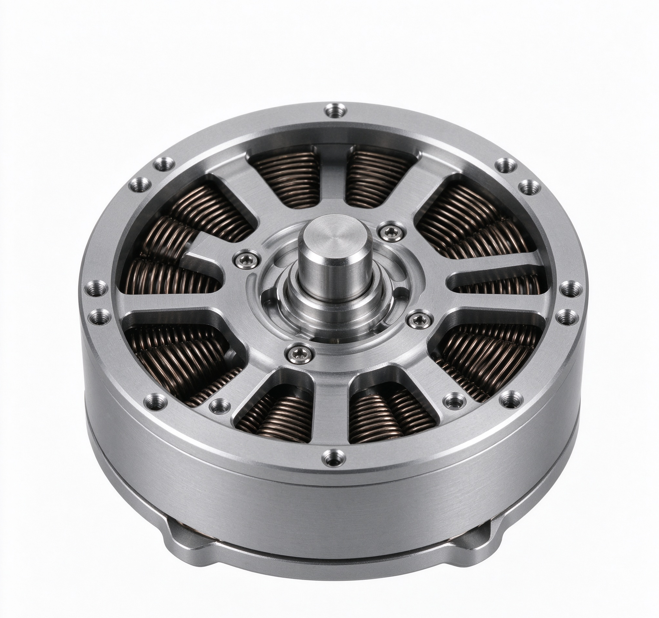
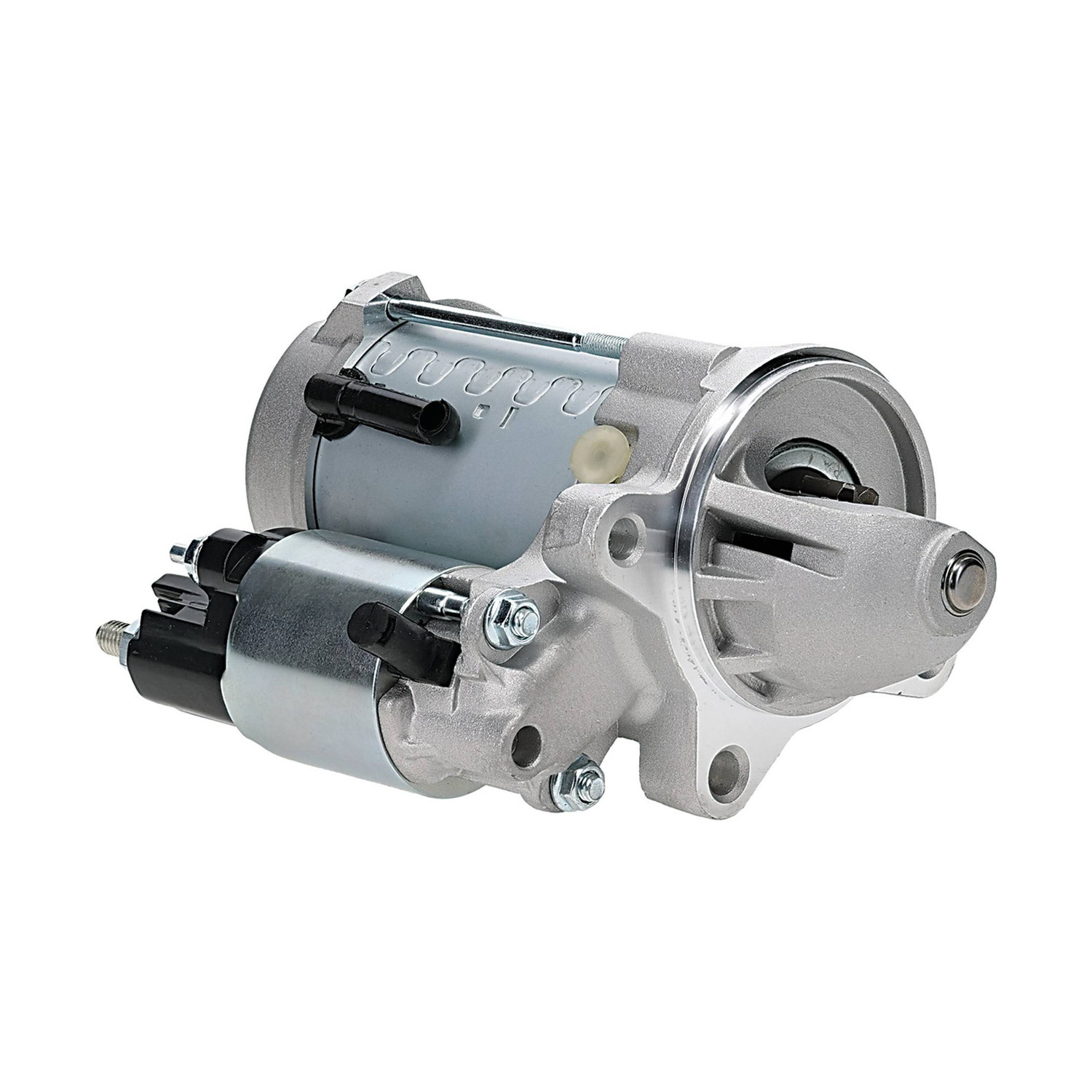
Ford's modular V8 family used the same starter architecture for more than a decade. The 4.6 L and 5.4 L Triton engines in the F-150, F-250, F-350, Excursion and Expedition all take the same mounting pattern, the same twelve-tooth pinion and the same connector, which is why one number covers so many vehicles.
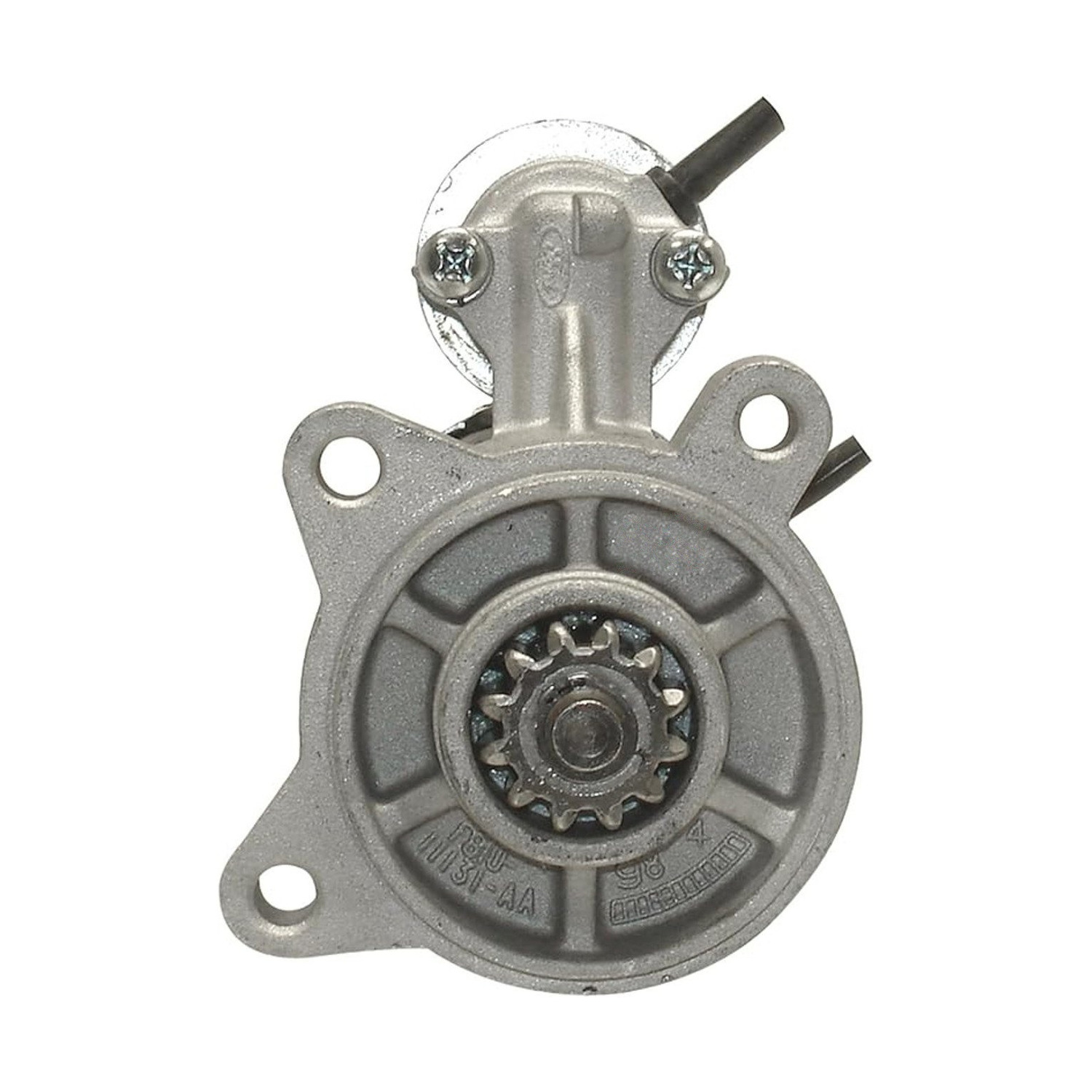
This unit replaces F81U-11000-AA and the AB, AC and AD revisions that followed it. Ford updated the part several times without changing the fit, so any of those numbers on the old unit means this is the correct replacement.
The pinion has twelve teeth and turns clockwise as viewed from the drive end. Twelve teeth is the standard for the modular V8 flywheel. A ten-tooth unit from a different Ford family will bolt up but will not mesh, and the damage shows up as a grinding noise within a few starts.
The motor is a permanent-magnet gear-reduction design rated at 1.4 kW. That rating is published consistently across catalogues for this family, which makes it one of the few specs on these units that can be quoted with confidence. The reduction gear is what allows a compact motor to crank a 5.4 L V8 in cold weather.
On the F-150 the starter sits on the right side of the bellhousing, above the frame rail, and is reached from below. The upper bolt is the awkward one; a long extension and a universal joint save time. Disconnect the battery negative first, and support the B+ cable so it does not swing into the exhaust.
The common failure on these trucks is heat. The starter is close to the exhaust manifold, and the solenoid winding cooks over time. The first symptom is usually a click with no crank when the engine is hot, followed later by a no-crank when cold. A heat shield in good condition extends the life of the replacement considerably.
Cross-references include the Ford numbers above and the Motorcraft service numbers SA-873 and SA-940, which are the ones most often quoted at the parts counter. The same unit is sold under a long list of aftermarket brands, all of which trace back to the same Ford drawing.
Before fitting, check the ring gear teeth and the mating face of the bellhousing. A starter that has been loose for a while will have worn the mounting face, and a new unit bolted to a worn face will sit at an angle and grind. Clean the face, check it with a straight edge, and torque the bolts to spec.
After fitting, crank the engine and listen. A healthy starter turns the engine at a steady speed with no scraping. A starter that whines after the engine catches is staying engaged, which usually means the ignition switch or the wiring, not the motor. Address that before the new unit is damaged.
| Brand | Model | Model Code | Year |
|---|---|---|---|
| Ford | Ford F-150 5.4L V8 (Triton) | FD-F150-54-TRITON | 1997–2003 |
Follow Us:


