
❮
❯
 Electrical & Ignition
 Starter Motor
 Carburetor
 Air Filter
 Hub motor
 Sensor
 Brake Caliper
 Other Parts
 Starter relay
 Engine & Drive
 Throttle body
 Fuel Filter
 Mid-drive motor
 Vacuum Valve
 Mirror
 Starter Drive
 Turbocharger
 Filtration System
 Oil Filter
 Charger
 Pressure Reducing Valve
 Combination
 Alternator
 Fuel Pump
 Cabin Filter
 EV & Robotics
 Electric Power Steering Motor
 Pressure Regulator
 Magneto Stator
 Water Pump
 Robot parts
 Sensors & Valves
 Dosing Valve
 Regulator
 Gearing
 Chassis & Body
 Ignition Coil
 Belt
 Other
 CDI
 Gasket
 Battery
 Transmission Solenoid Valve
 Ignition Key Switch
 Electronic Control Module
 Controller
 Carbon Brush
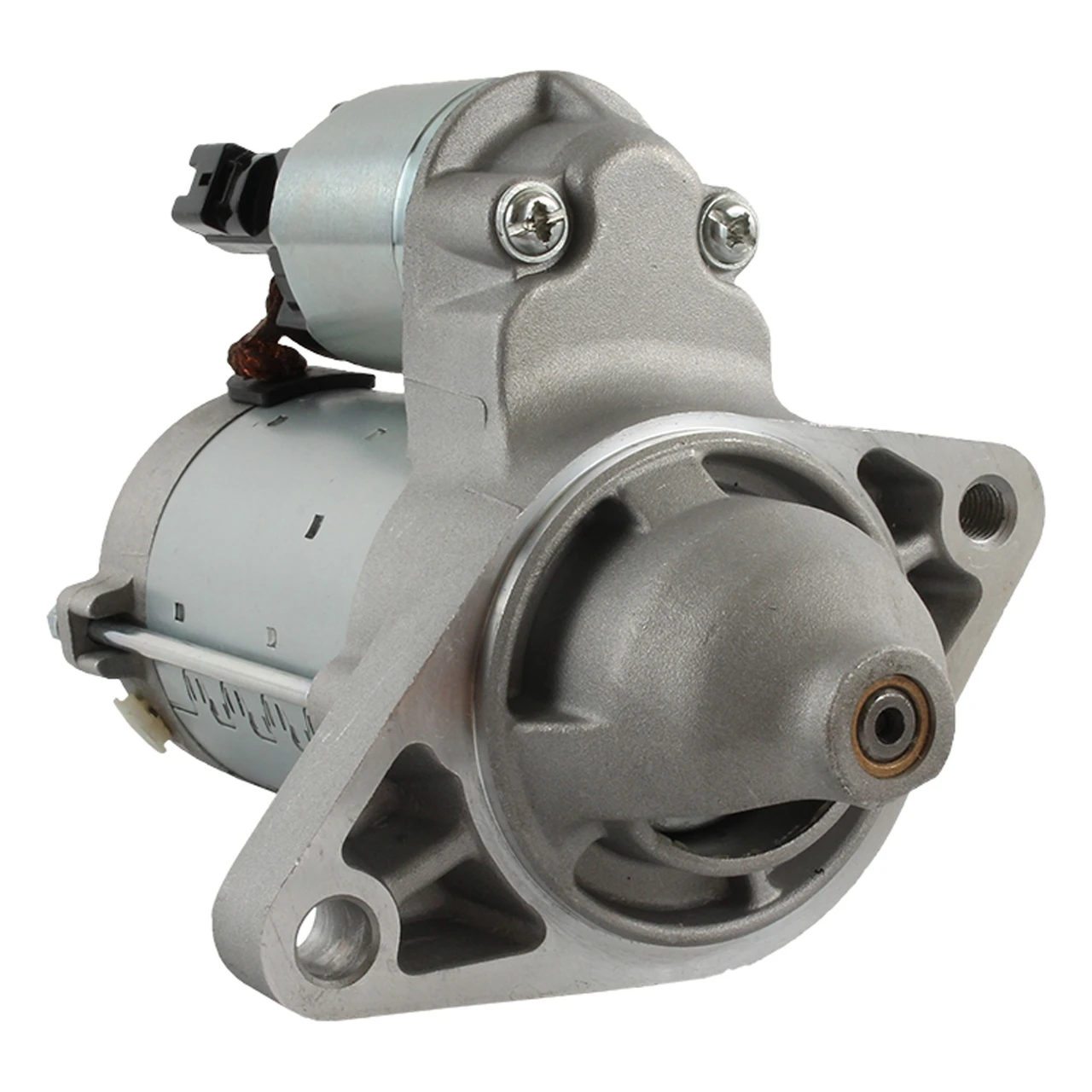
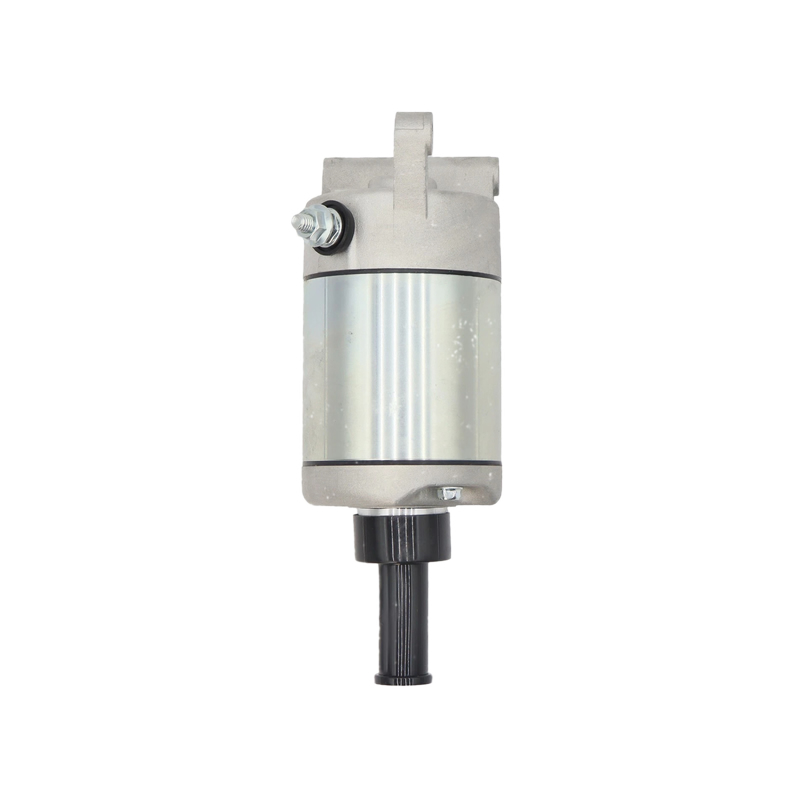
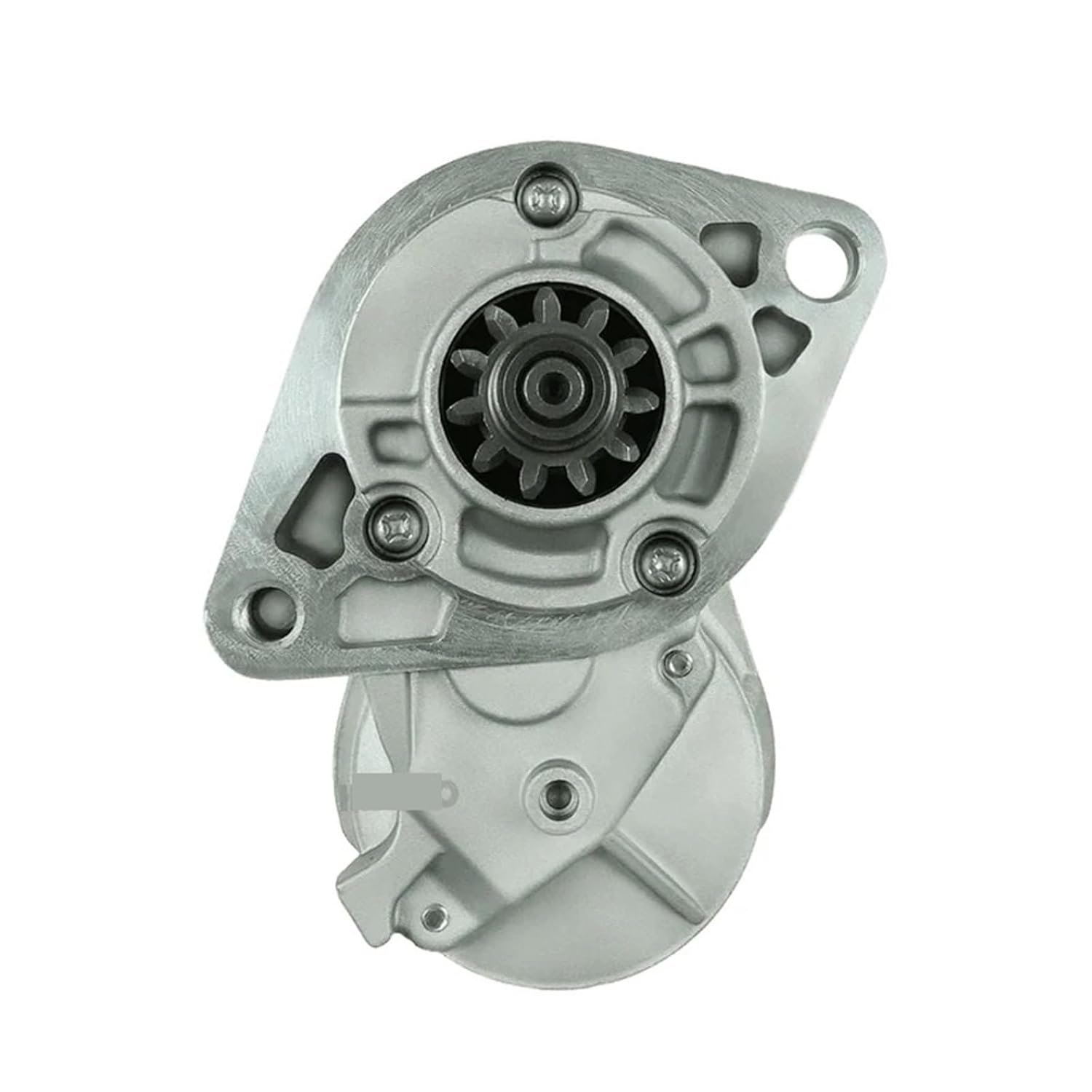
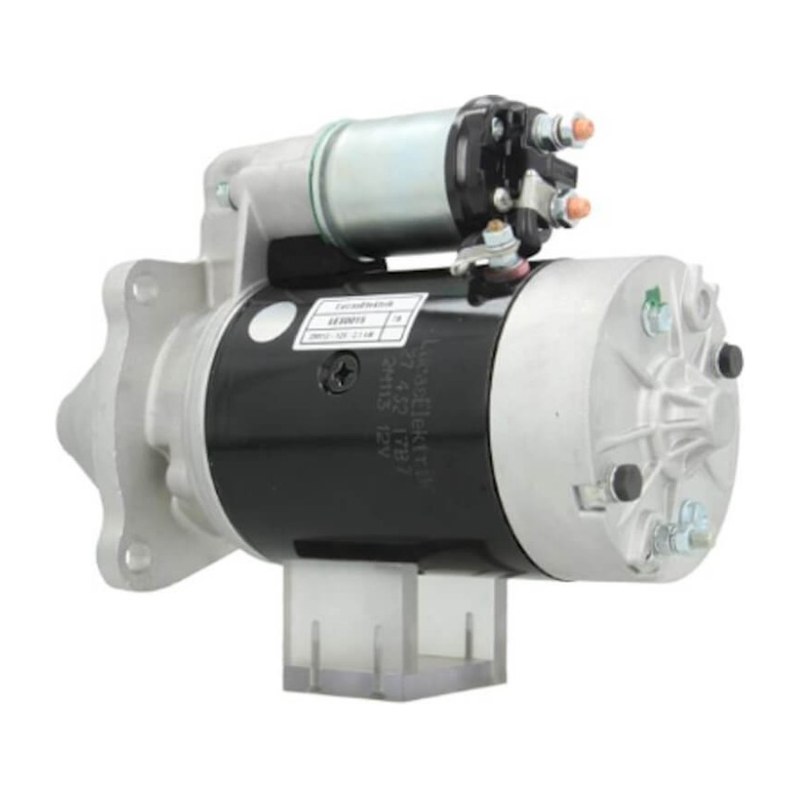
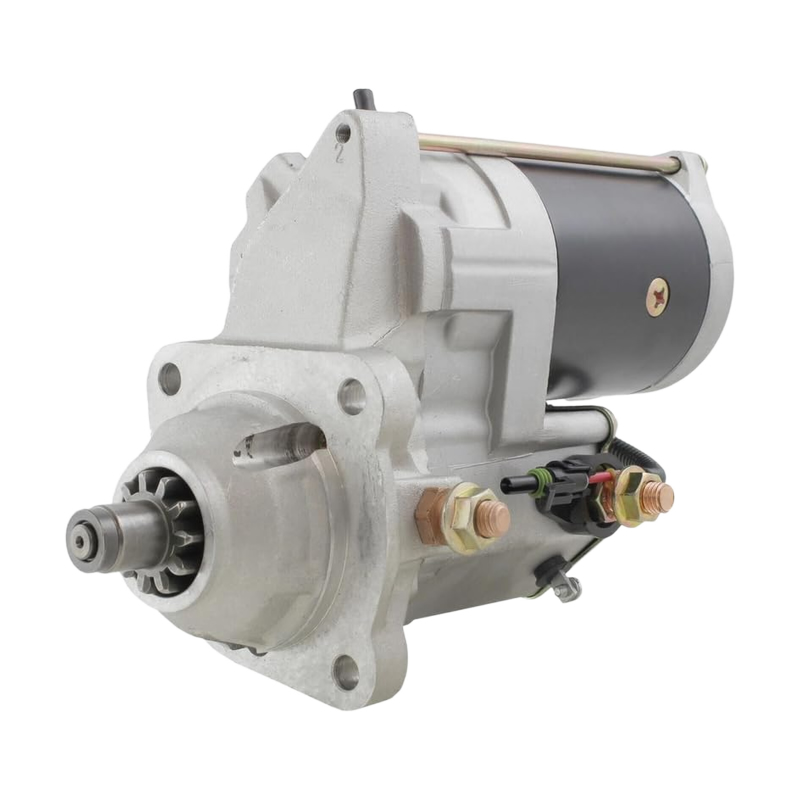
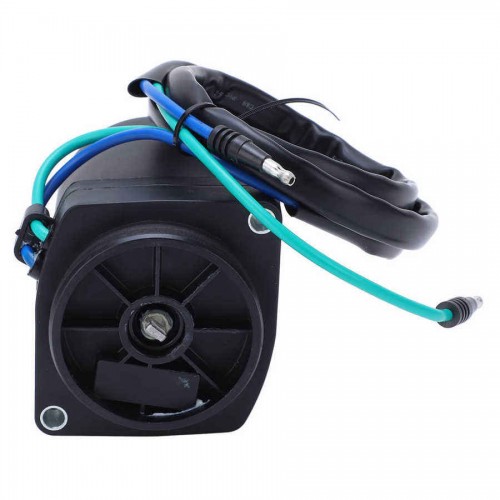
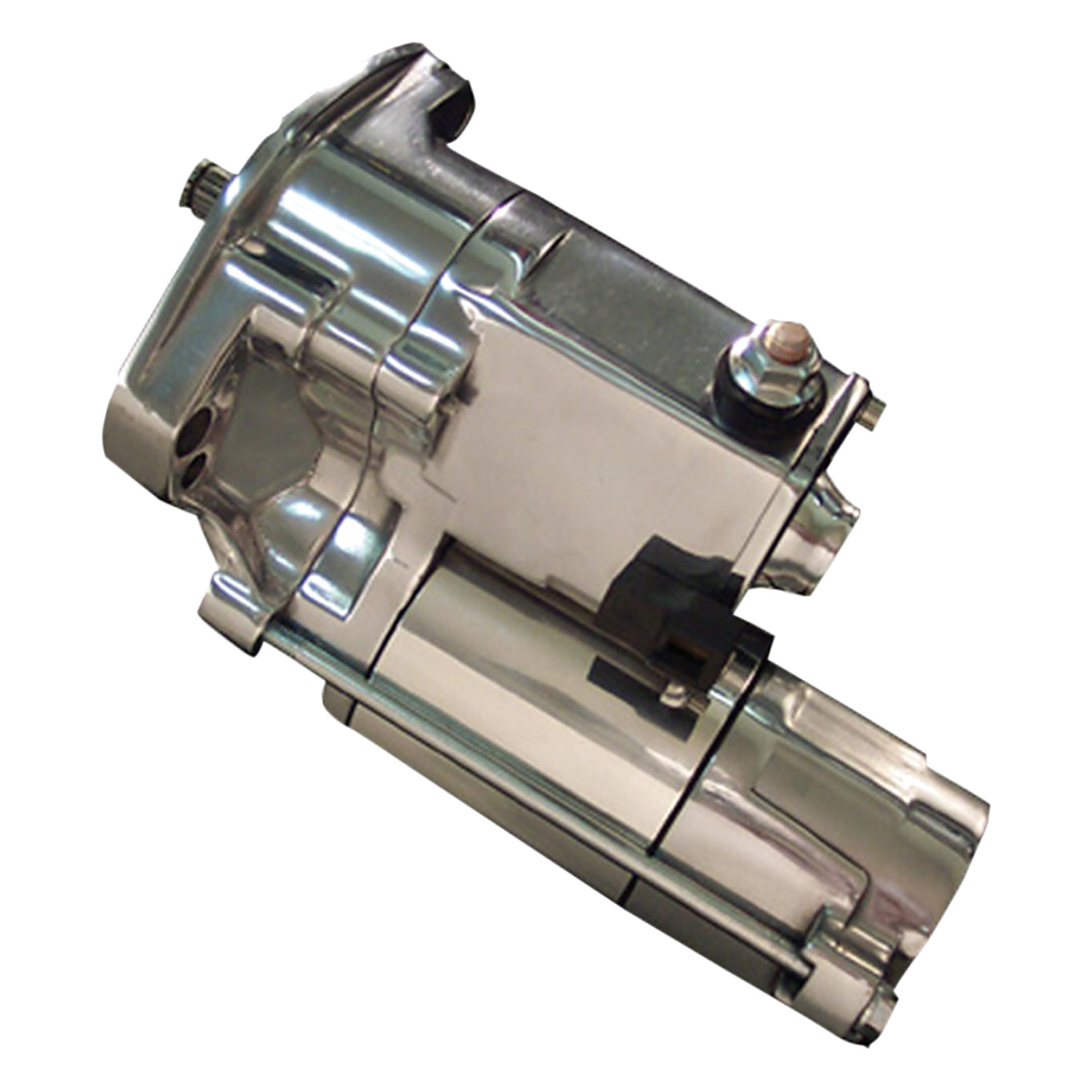
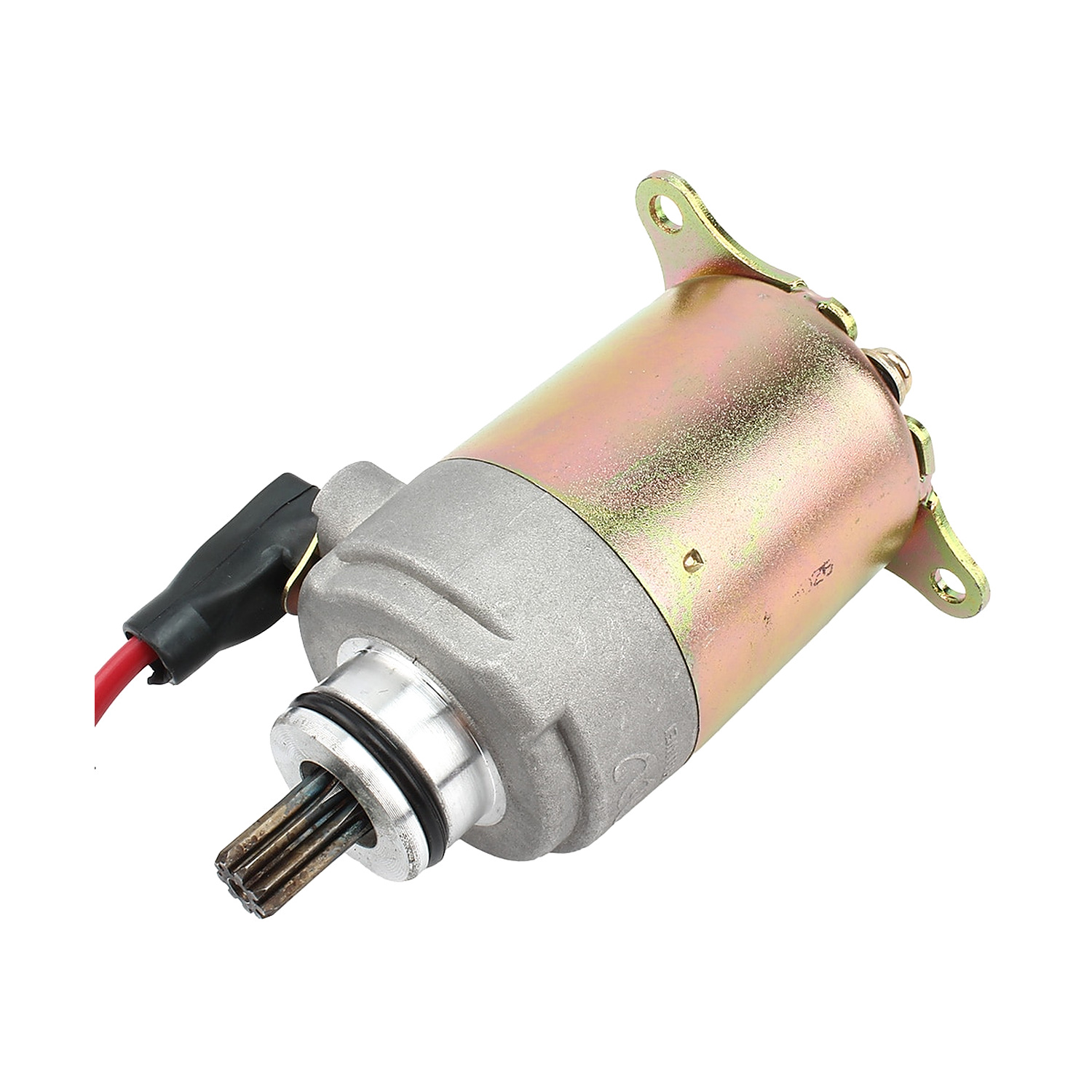
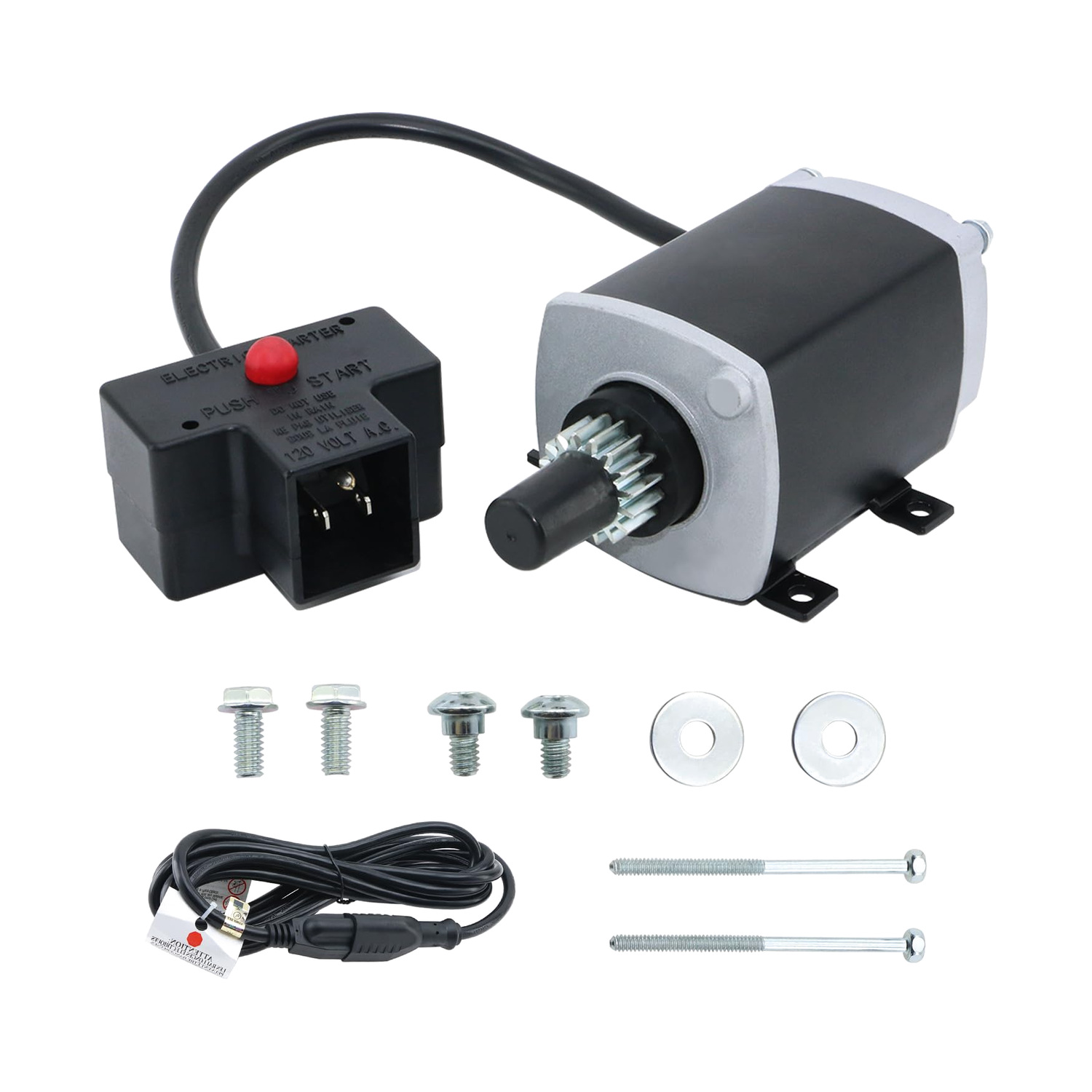
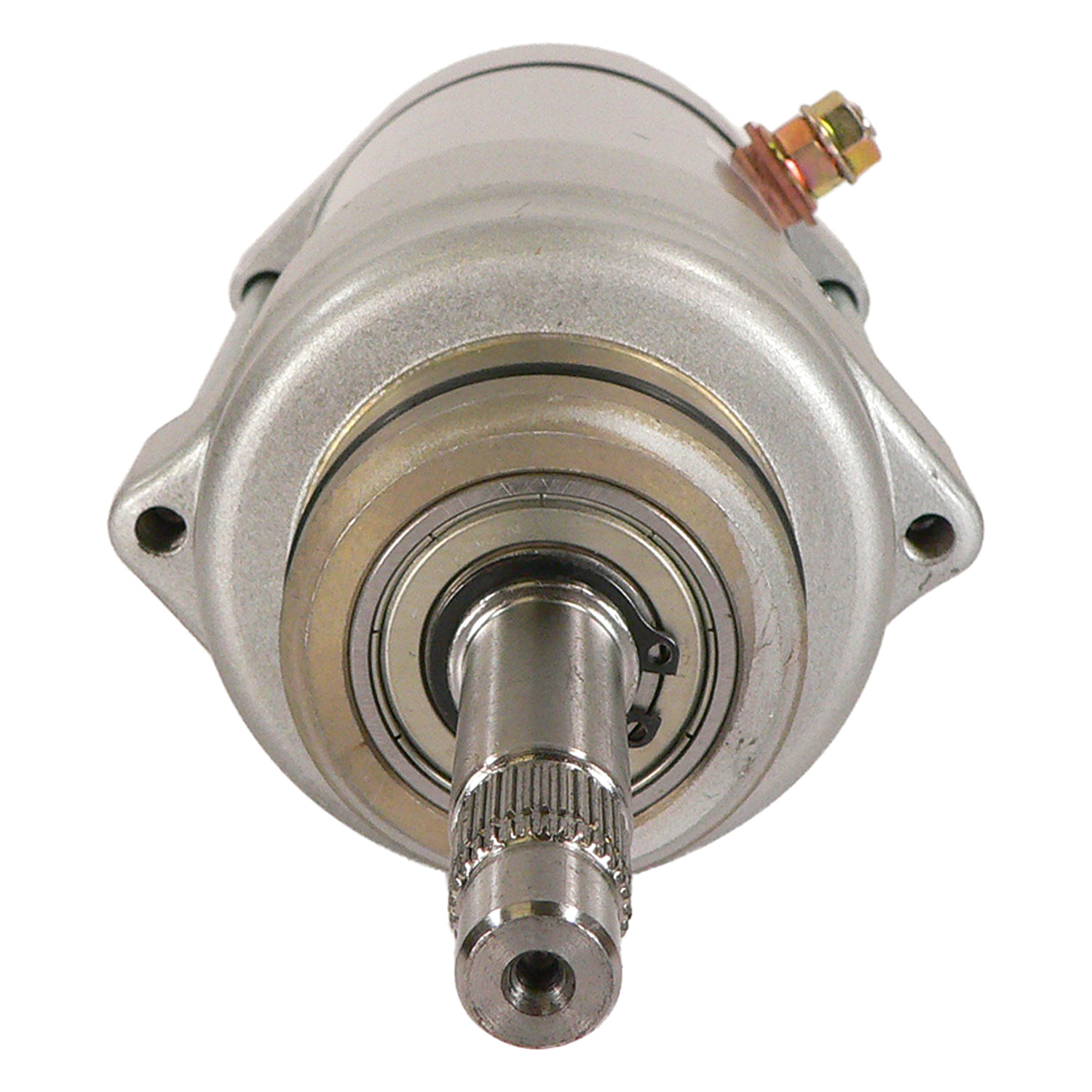
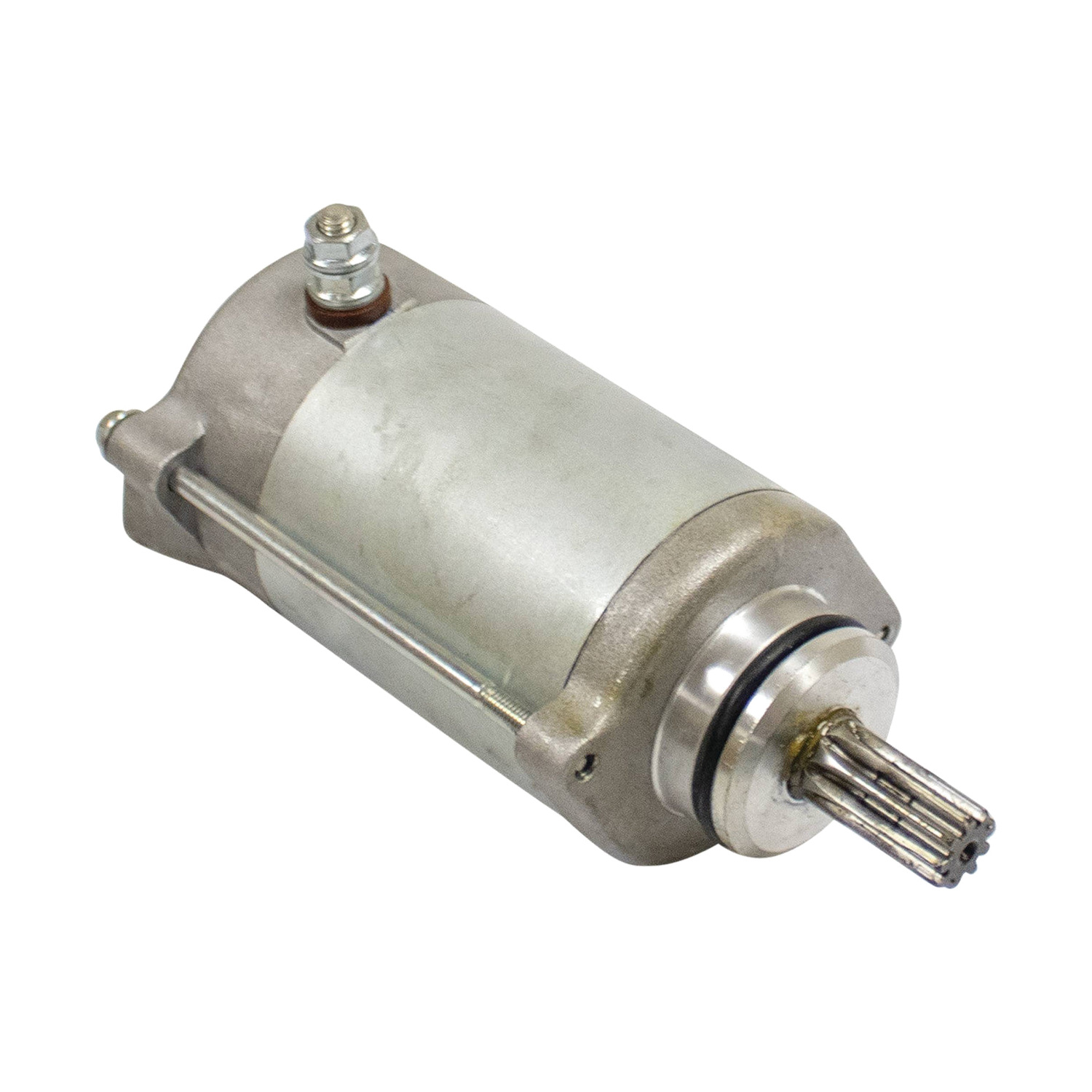
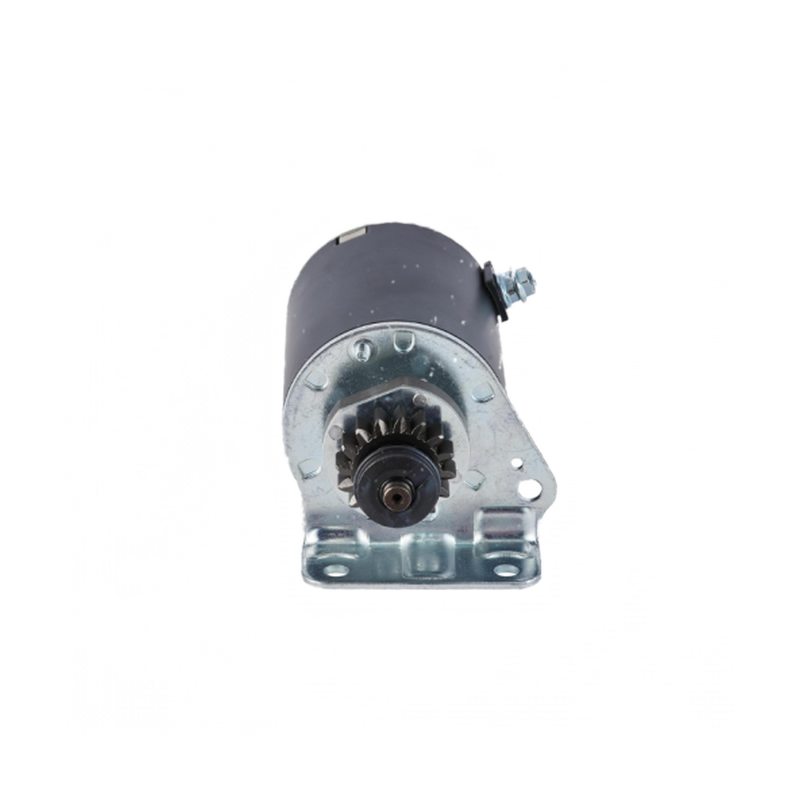
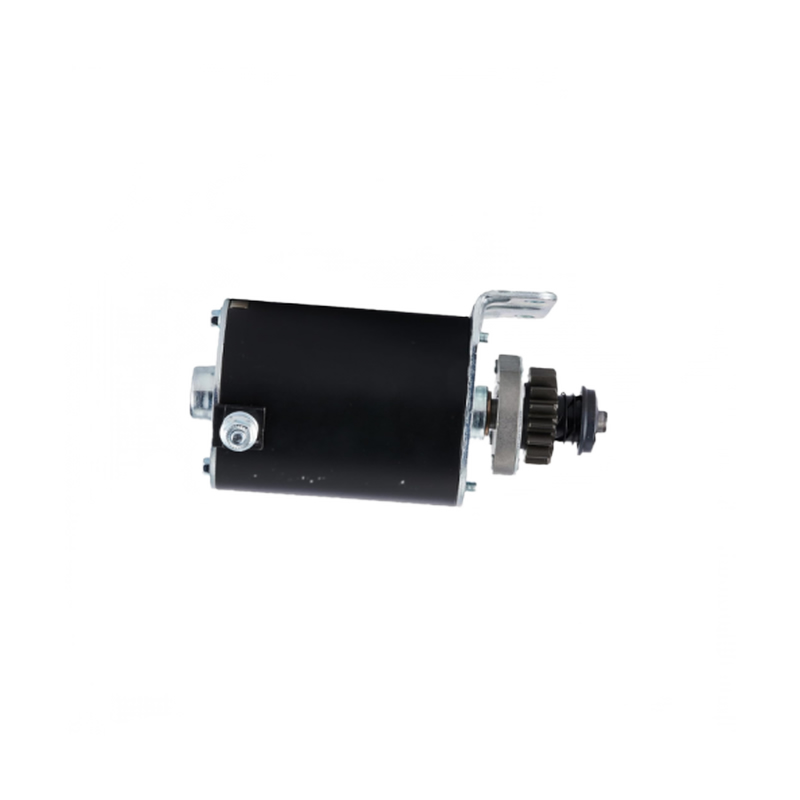
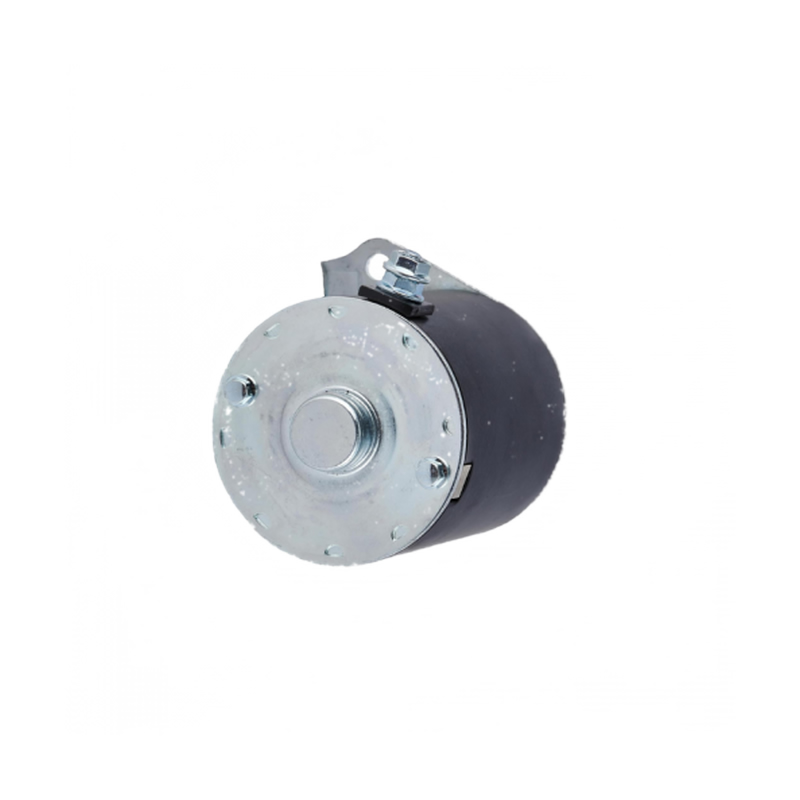
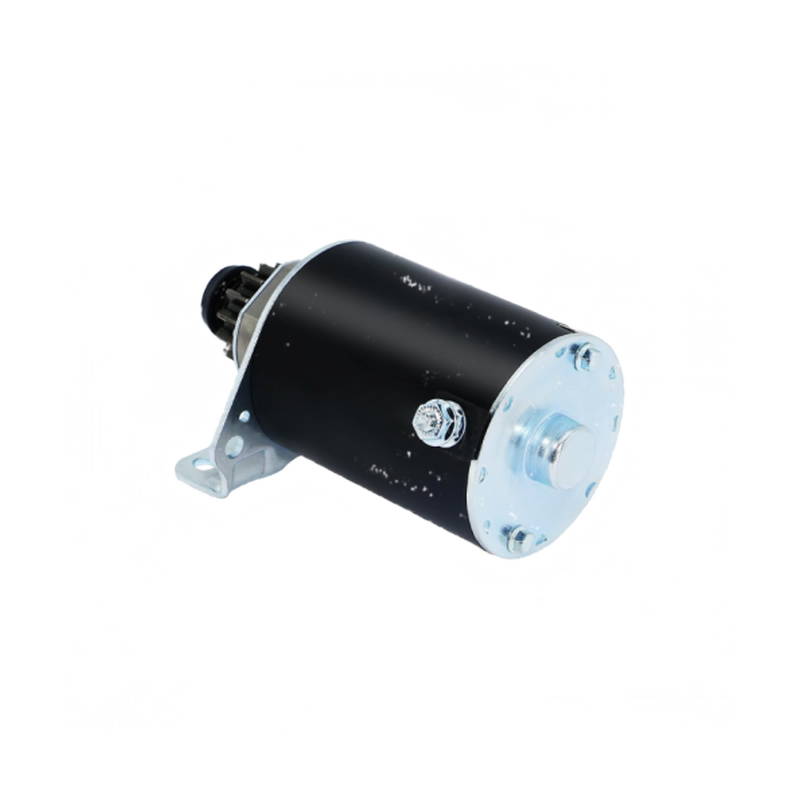
12V permanent magnet direct-drive starter motor designed specifically for heavy-duty lawn care equipment. It features a high-torque design for strong starts even when the engine is cold. Equipped with 14-tooth wear-resistant steel pinion and a corrosion-resistant housing, it can withstand dust, vibrations, and damp conditions, making it an ideal replacement for a lawn tractor that struggles to start.
Catalog-listed equipment: 7-20 HP Briggs & Stratton vertical-shaft singles and the mowers listed above. Confirm engine model and type code, existing starter number, voltage, pinion tooth count (14 teeth), drive-gear material, rotation, mounting-hole diameter (8 mm plain), terminal layout and overall length (170 mm) before purchase. Check the ring gear material as well before fitting a nylon gear. Exact fitment on unlisted models has not been verified and is omitted.
This listing is organized for outdoor power equipment procurement teams, repair shops and parts distributors searching by equipment model and OEM reference. The same unit is sold under John Deere, Briggs & Stratton and aftermarket numbers, so one SKU answers several catalog lookups across the highest-volume residential mower class.For quotation, specify the engine model, old-part number, required quantity and destination. Confirm price, stock, package quantity and delivery terms with the seller before placing a purchase order.
John Deere L100 / L105 / LA115, Sabre 1642HS, Cub Cadet RZT17 / RZT42 and Toro TimeCutter Z mowers all sit on the same Briggs & Stratton 7-20 HP vertical-shaft single, and their starters are among the first electrical parts to fail on machines that start and stop dozens of times per session. Owners then face a triple numbering problem: the same unit is sold as Deere LG693551, Briggs 693552 or 593934, and aftermarket SBS0029. This starter reproduces the original 14-tooth gear, 8 mm plain mounting holes and 170 mm length exactly, so a workshop replaces the unit as a whole. For distributors, one SKU answers all three catalog lookups across the highest-volume residential mower class.
The unit is a permanent-magnet direct-drive (PMDD) design: a copper-wound armature spins inside a ring of ferrite magnets, and the 14-tooth gear is carried on a Bendix sleeve on the armature shaft, so cranking is immediate when current flows. Turning the key applies battery voltage to the main terminal; the Bendix throws the gear into mesh with the ring gear as the armature accelerates, then retracts once the engine fires. Rotation is counter-clockwise viewed from the pinion end, matching the Briggs vertical-shaft flywheel, and the two 8 mm plain holes hold gear-to-ring-gear clearance exactly as the factory unit did.
These mowers usually arrive with one of four complaints. First, slow cranking that worsens when the engine is hot, from weak magnets or worn brushes. Second, a grinding rattle when the Bendix no longer throws the gear fully into mesh. Third, intermittent no-start from arced commutator surfaces after damp storage. Fourth, a starter that spins without turning the engine - a stripped gear. Replacing the complete unit clears all four in one step. Two cautions before ordering: count the teeth (14 here, not 13 or 16) and confirm the drive-gear material - a nylon gear run against a cast-iron ring gear will strip within days.
For repair shops, one correctly matched starter returns the mower to work the same day, with no drilling, tapping or wiring changes in between. For dealers and distributors, the numbers work: 50-unit minimum order, 7-30 day lead time, 12-month warranty, and unit pricing well below OEM supply channels, leaving room for margin at a competitive shelf price. Production follows ISO 9001 and IATF 16949 practices, and consistent cross-references to Briggs 693552, Arrowhead SBS0029 and SE501848 keep ordering by catalog number straightforward and returns low.
| Brand | Model | Model Code | Year |
|---|---|---|---|
| John Deere | John Deere: L100 | L100 | 2003 |
Follow Us:


