
❮
❯
 Electrical & Ignition
 Starter Motor
 Carburetor
 Air Filter
 Hub motor
 Sensor
 Brake Caliper
 Other Parts
 Starter relay
 Engine & Drive
 Throttle body
 Fuel Filter
 Mid-drive motor
 Vacuum Valve
 Mirror
 Starter Drive
 Turbocharger
 Filtration System
 Oil Filter
 Charger
 Pressure Reducing Valve
 Combination
 Alternator
 Fuel Pump
 Cabin Filter
 EV & Robotics
 Electric Power Steering Motor
 Pressure Regulator
 Magneto Stator
 Water Pump
 Robot parts
 Sensors & Valves
 Dosing Valve
 Regulator
 Gearing
 Chassis & Body
 Ignition Coil
 Belt
 Other
 CDI
 Gasket
 Battery
 Transmission Solenoid Valve
 Ignition Key Switch
 Electronic Control Module
 Controller
 Carbon Brush
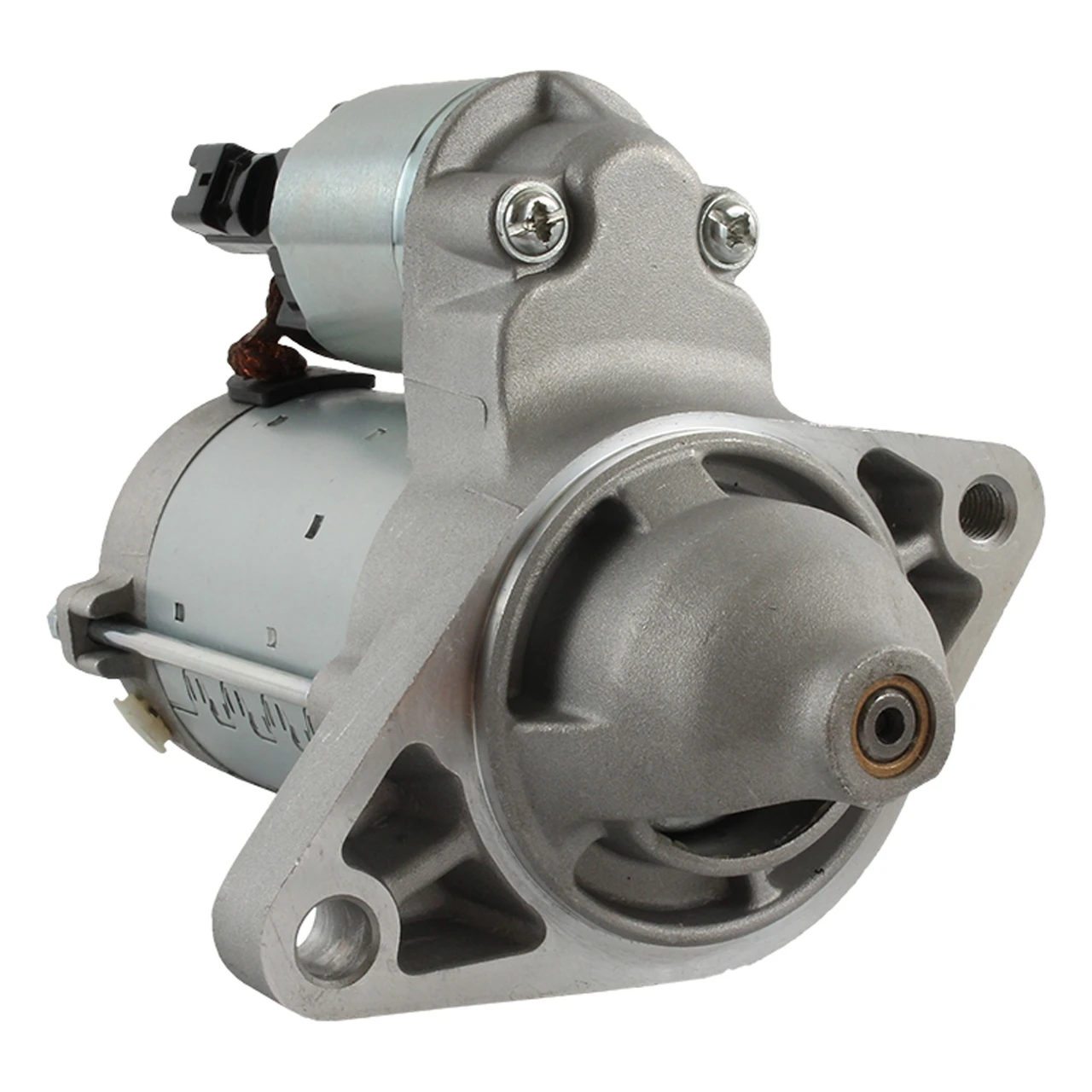
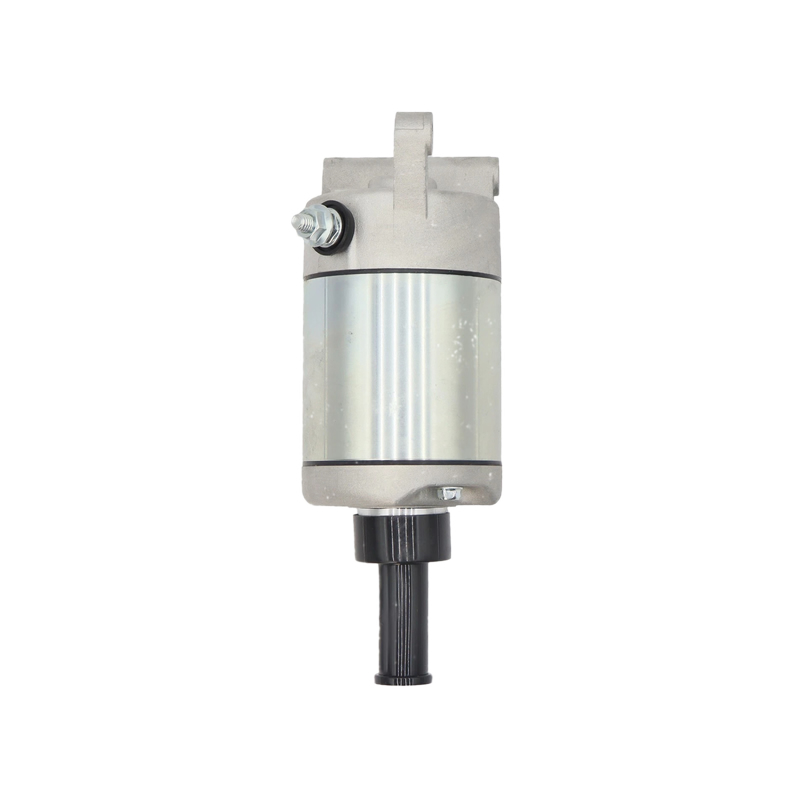
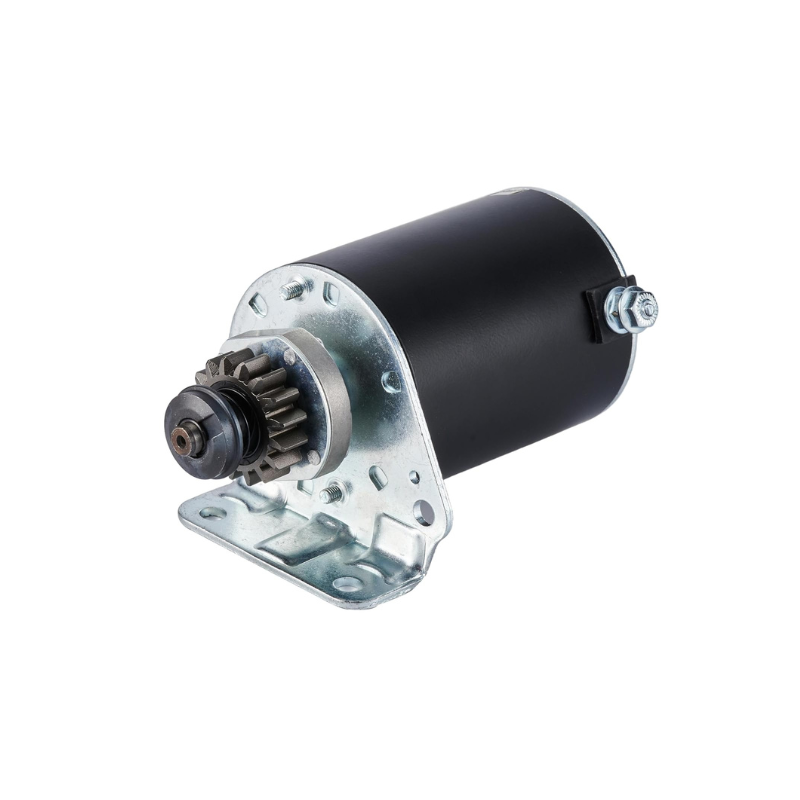
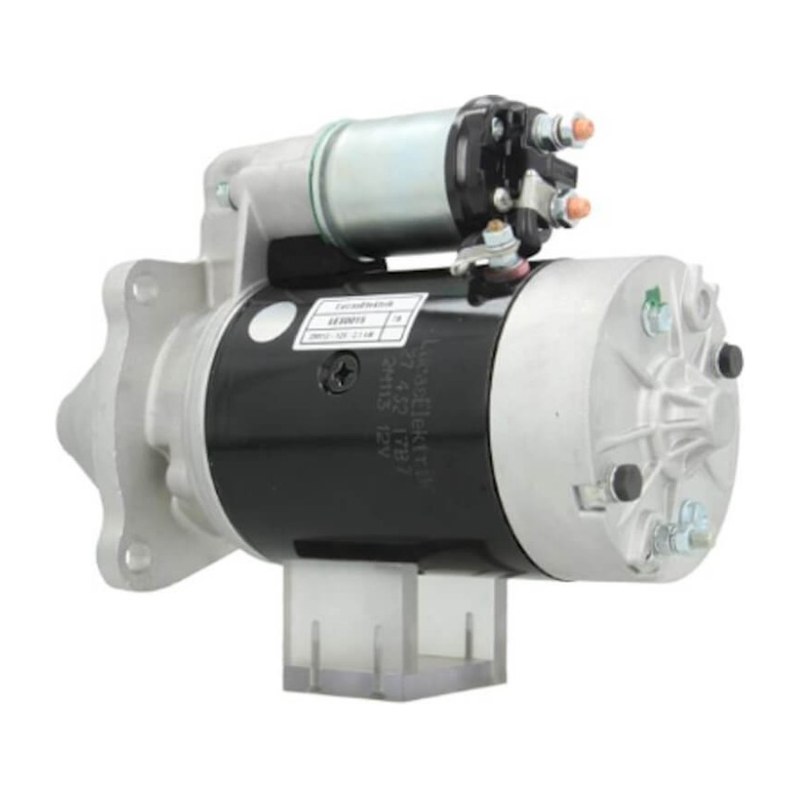
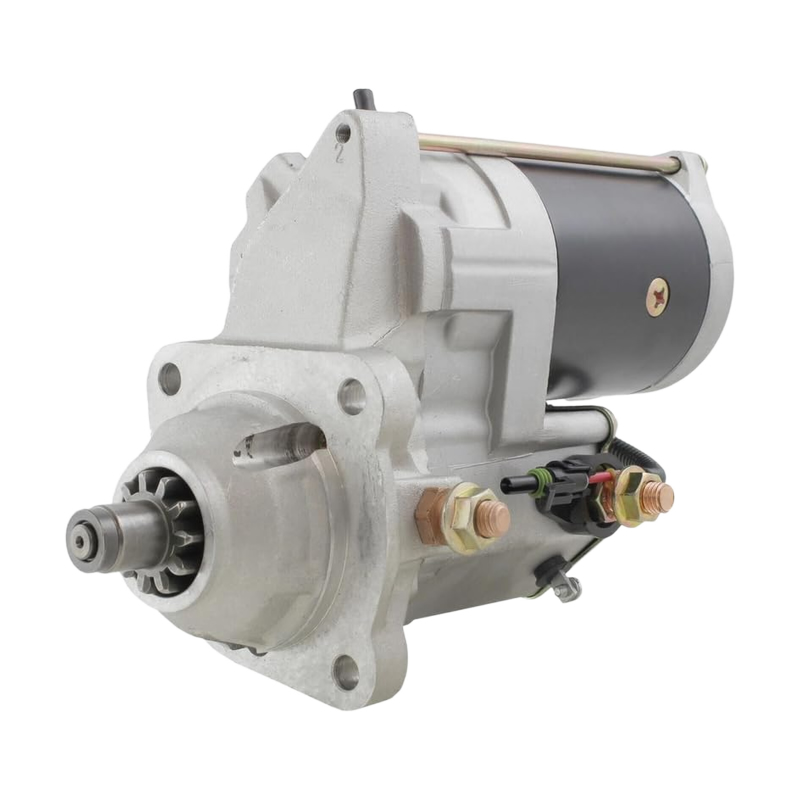
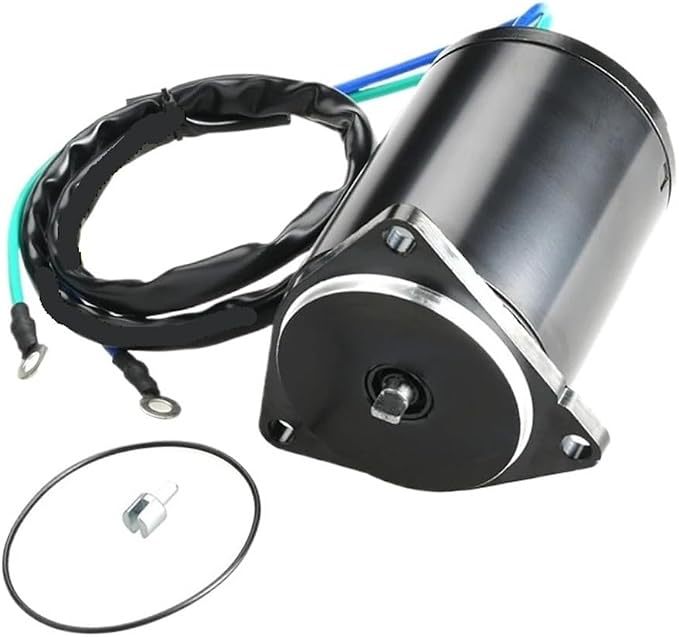
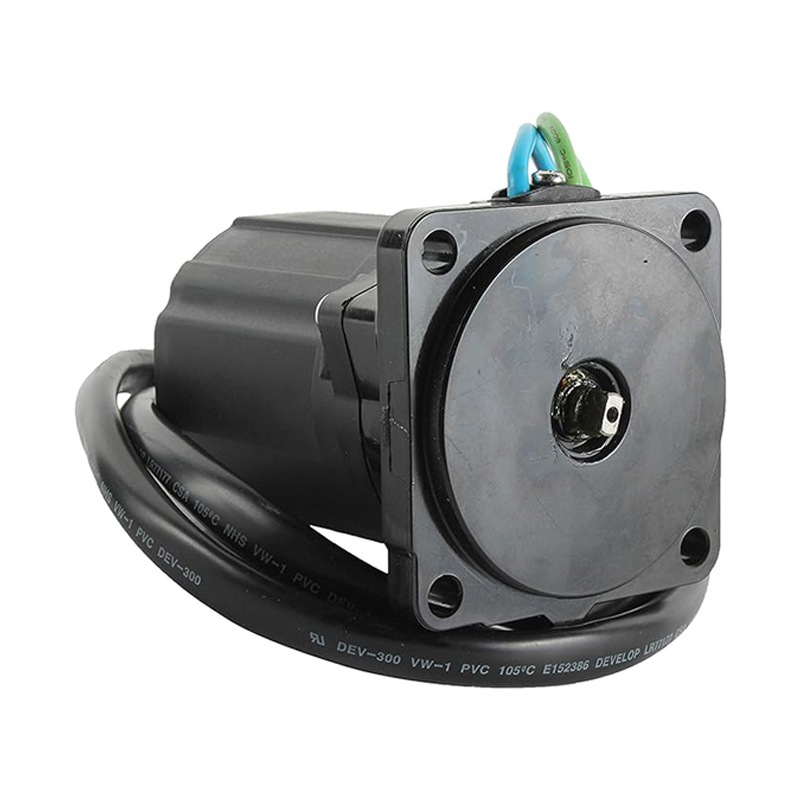
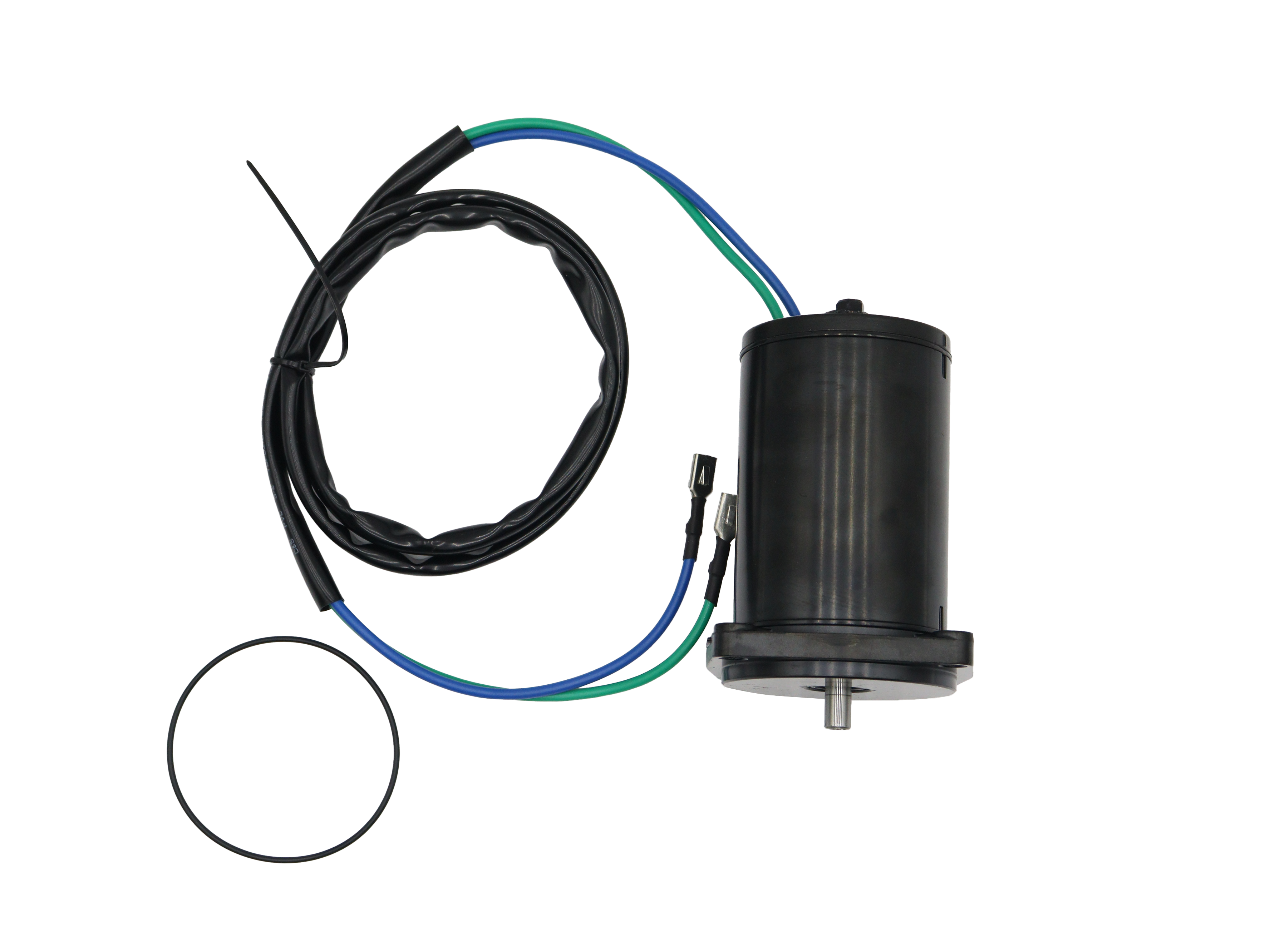
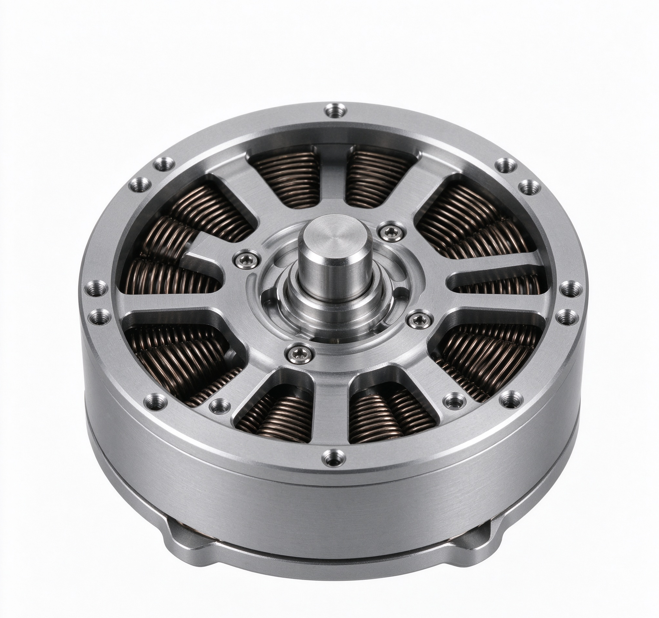
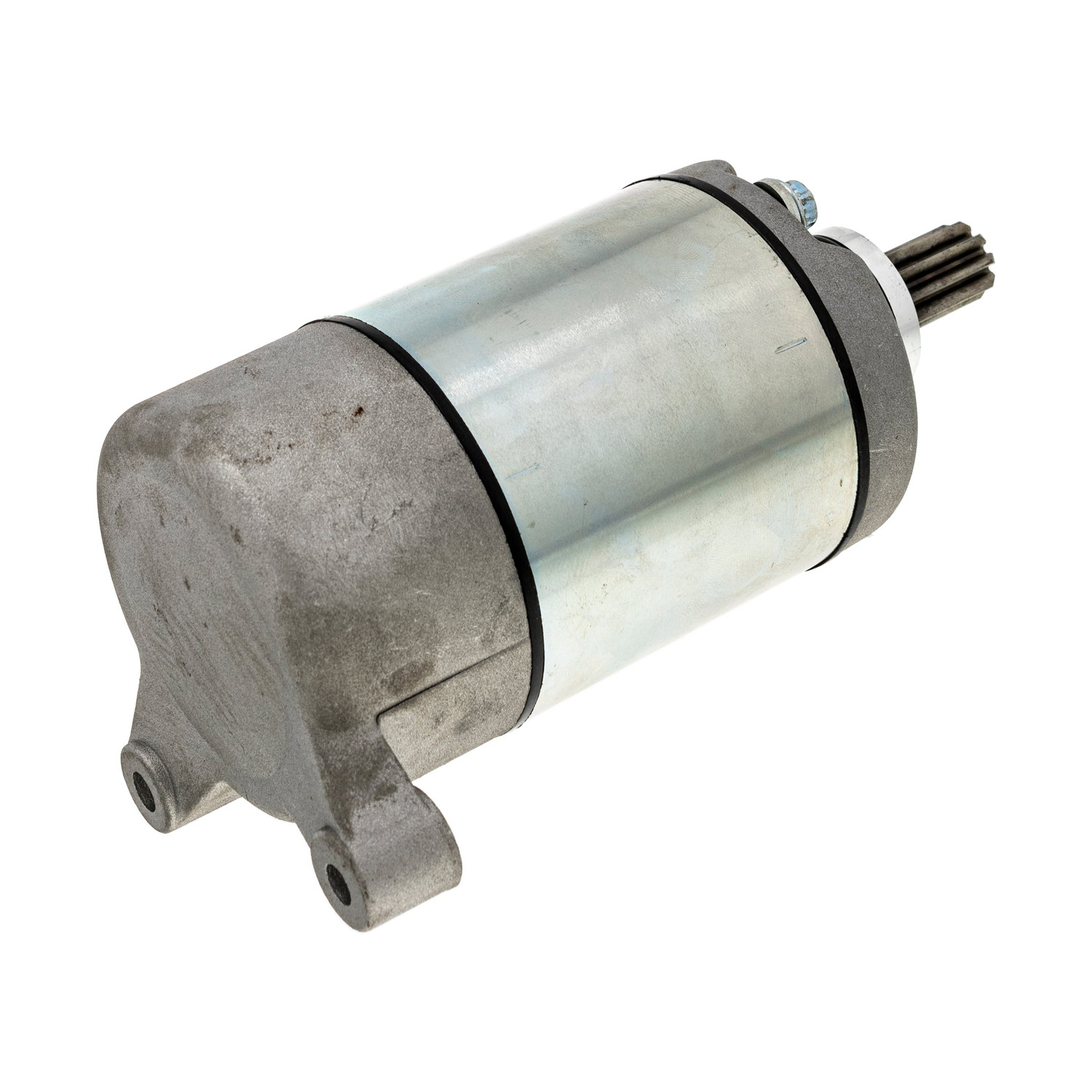
Polaris built a very large number of machines around the same 499 cc single. The Sportsman 500 is the best known, but the Ranger 500, Magnum 500, Scrambler 500, Trail Boss and several 6x6 utilities used the same cranking hardware. That is why one starter number covers machines that look nothing alike.
This unit replaces Polaris 3090188 and the earlier 3084981. The two numbers are functionally the same part, and Polaris moved from one to the other during the model run. If the old unit carries either number, this is the correct replacement.
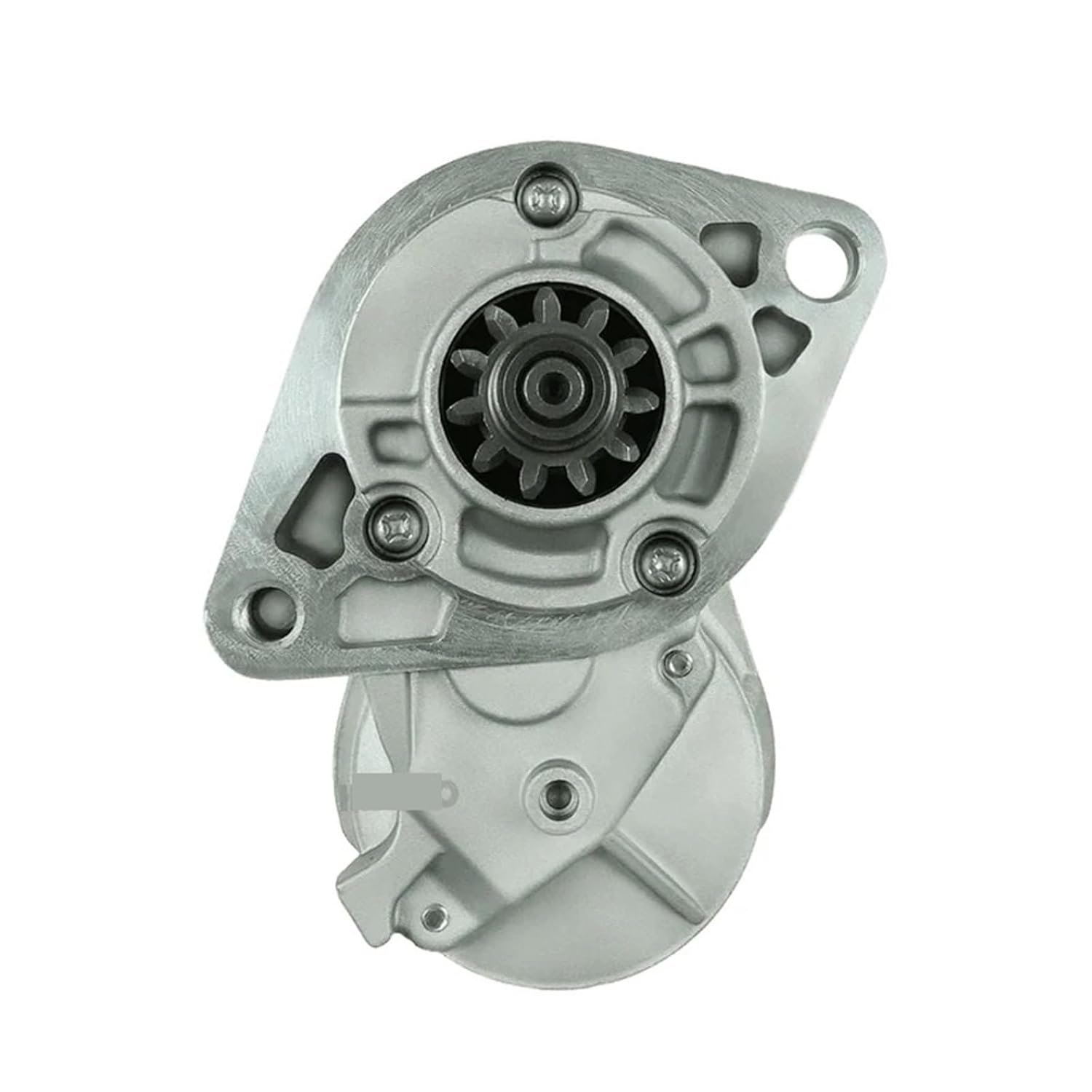
The pinion has nine teeth and turns clockwise as viewed from the drive end. Nine teeth is the standard for this engine family; a ten-tooth unit from a different Polaris engine will bolt up but will not mesh correctly. Count the teeth before ordering.
The motor is a permanent-magnet gear-reduction design. The reduction gear lets a small, light motor produce enough torque to turn a 500 cc single against compression, which is why the housing is short and the nose is offset. Rated torque for this family is in the region of 1.6 N·m.
ATV starters fail for environmental reasons more often than electrical ones. Mud packed around the nose holds moisture against the seal, and the drain path behind the flywheel clogs with belt and clutch debris. A starter that drags after a wet ride is usually a starter with a contaminated brush box, not a weak battery.
The mounting is a two-bolt flange with the original connector position. On most Sportsman models the starter sits on the right side of the engine, behind the front fender liner, and can be reached with the machine on a lift and the wheel turned. Allow time for the fender bolts; they are usually the slowest part of the job.
Cross-references include the Polaris numbers above and the aftermarket equivalents commonly stocked by independent shops, such as Niche 519-CSM2236O and DB Electrical SMU0061K. Any of those numbers on a box means the same physical unit.
Polaris does not publish a kW rating for this assembly. Catalogue listings in this class sit around 0.7 kW, and that figure is consistent with the torque and the current draw of the family, but it should be treated as a class value rather than a factory specification. The number that matters to a buyer is the tooth count and the mounting pattern.
Before fitting, check the ring gear through the starter hole. A worn ring gear will destroy a new pinion in a few hundred starts, and it is much cheaper to inspect now than to replace both parts later. Also check the ground strap between the engine and the frame; a corroded strap causes slow cranking that looks like a failing starter.
After fitting, crank the engine briefly with the fuel off to confirm the pinion engages and disengages cleanly. A starter that stays engaged will whine after the engine catches and will be ruined within a few rides. If that happens, stop and check the wiring and the ignition switch, not the motor.
| Brand | Model | Model Code | Year |
|---|---|---|---|
| Polaris | Polaris Sportsman 500 | POL-SPORTSMAN-500 | 1996–2013 |
Follow Us:


