
❮
❯
 Electrical & Ignition
 Starter Motor
 Carburetor
 Air Filter
 Hub motor
 Sensor
 Brake Caliper
 Other Parts
 Starter relay
 Engine & Drive
 Throttle body
 Fuel Filter
 Mid-drive motor
 Vacuum Valve
 Mirror
 Starter Drive
 Turbocharger
 Filtration System
 Oil Filter
 Charger
 Pressure Reducing Valve
 Combination
 Alternator
 Fuel Pump
 Cabin Filter
 EV & Robotics
 Electric Power Steering Motor
 Pressure Regulator
 Magneto Stator
 Water Pump
 Robot parts
 Sensors & Valves
 Dosing Valve
 Regulator
 Gearing
 Chassis & Body
 Ignition Coil
 Belt
 Other
 CDI
 Gasket
 Battery
 Transmission Solenoid Valve
 Ignition Key Switch
 Electronic Control Module
 Controller
 Carbon Brush
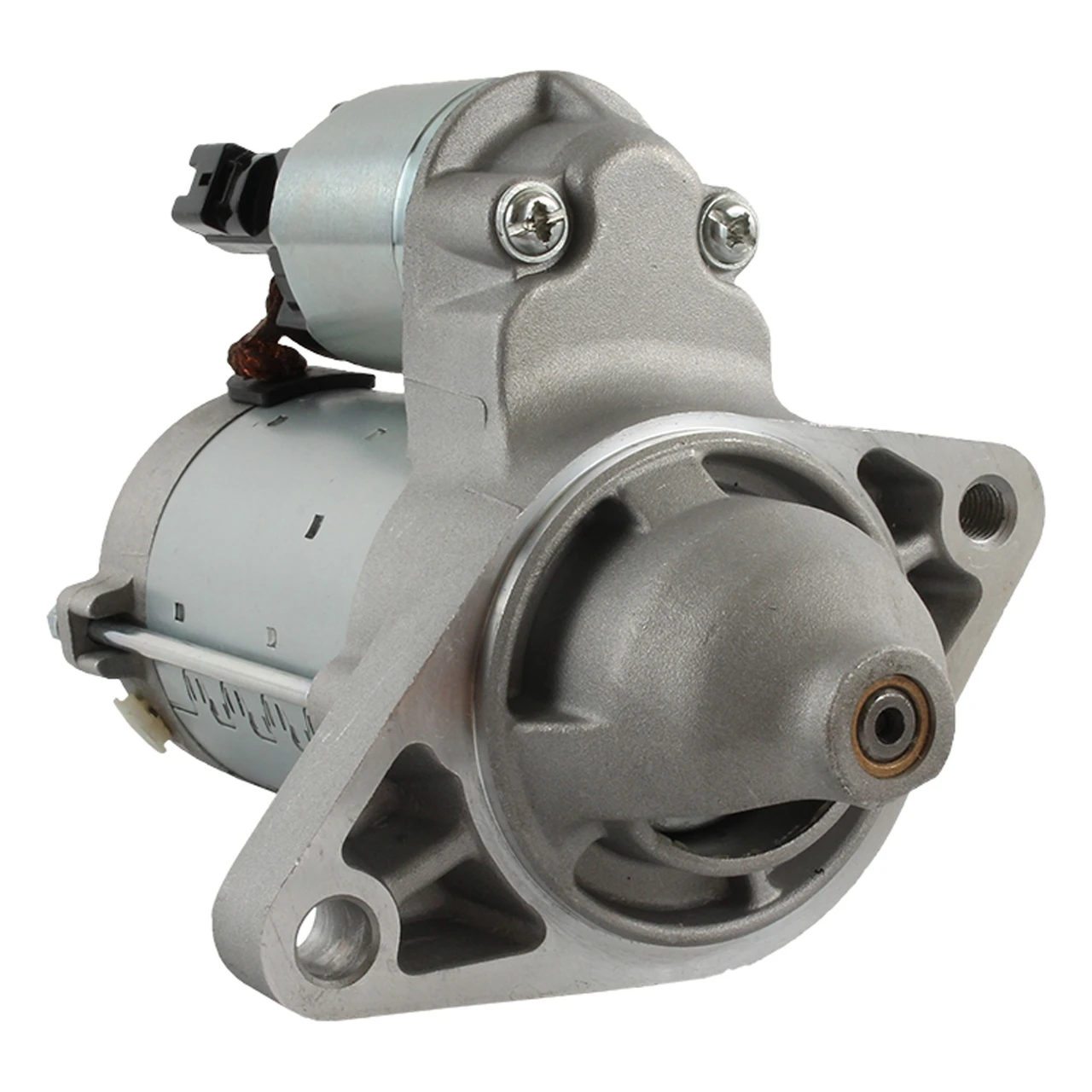
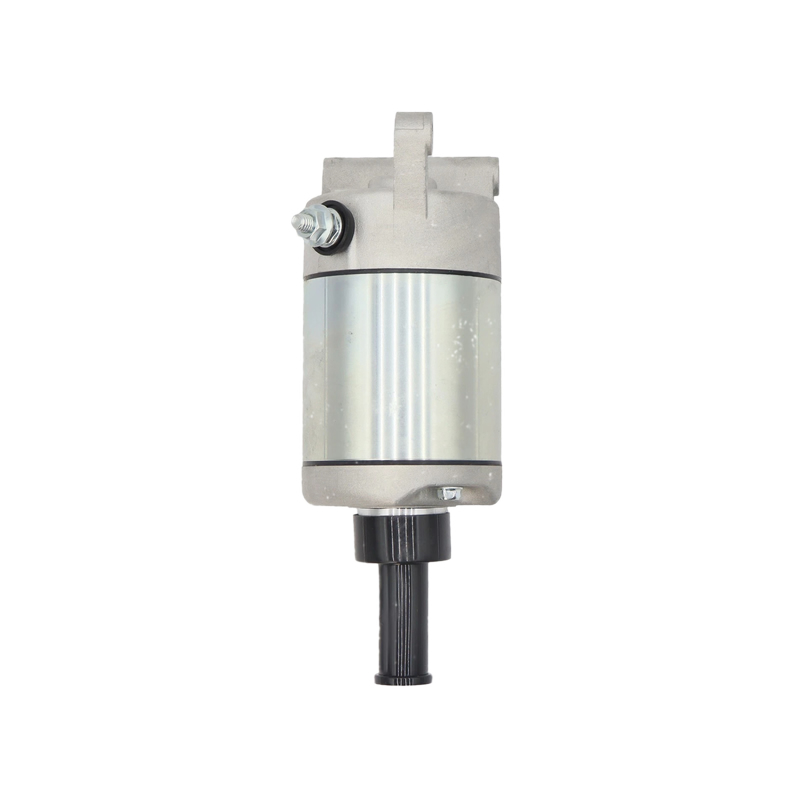
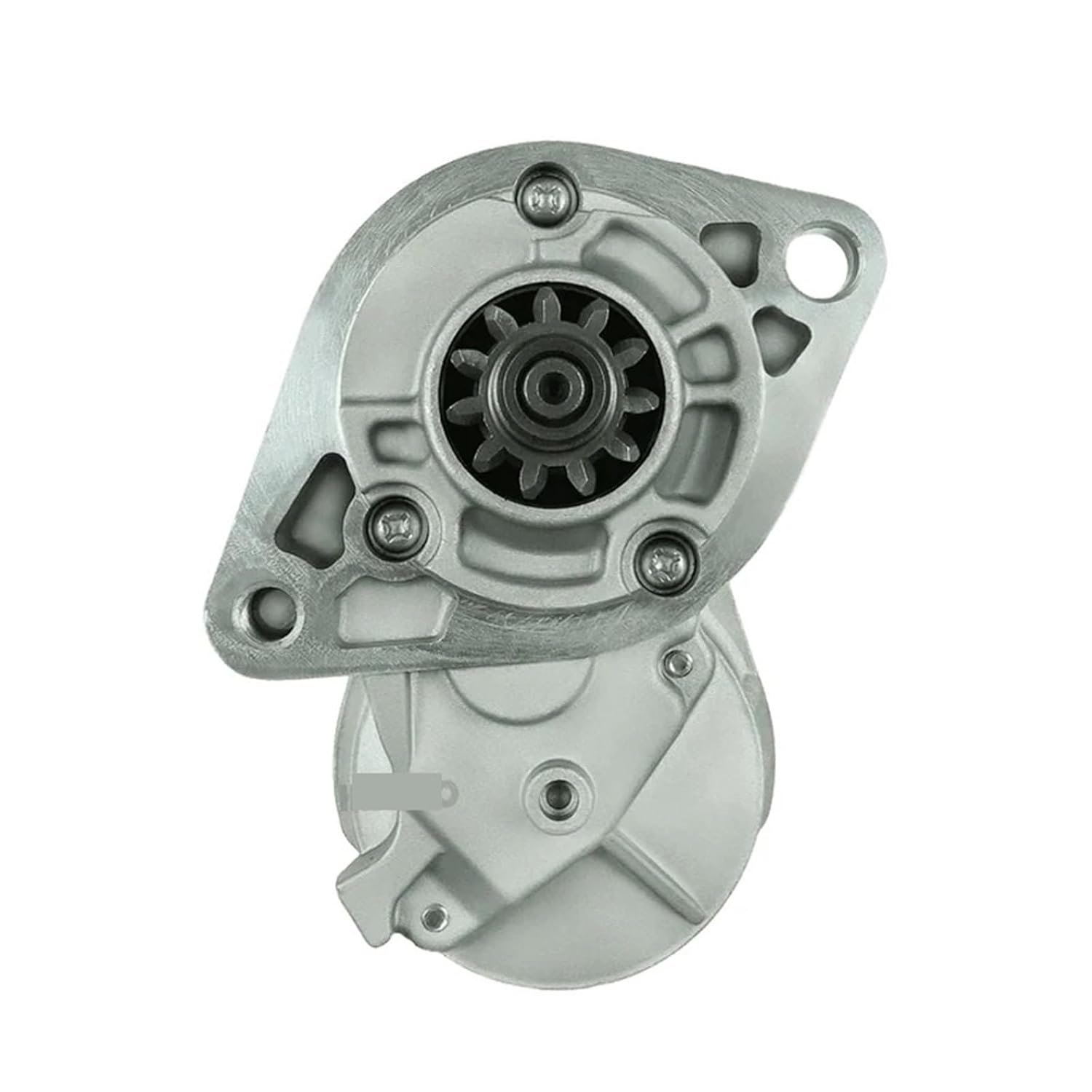
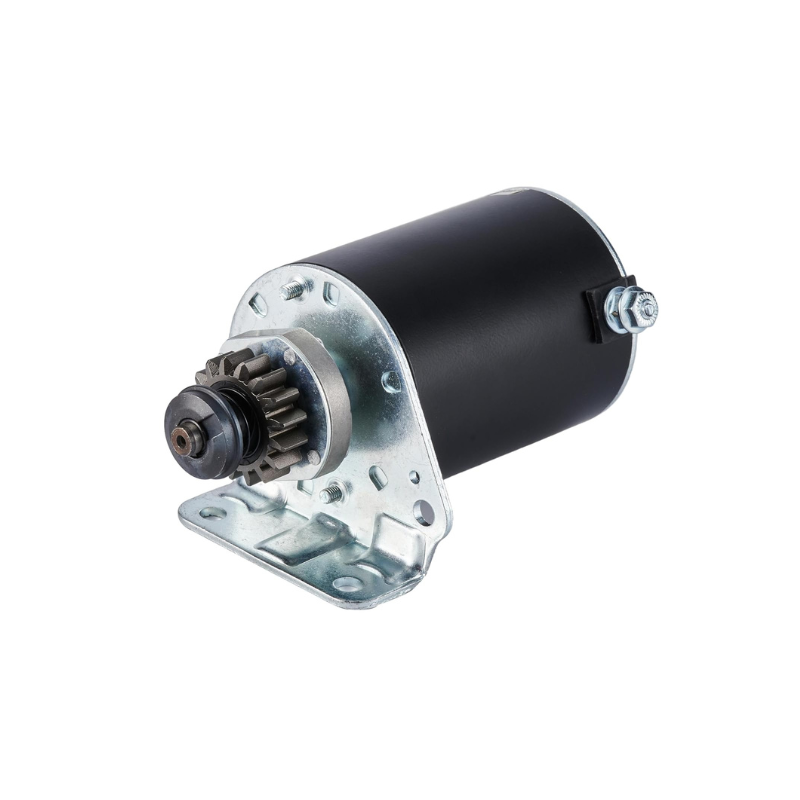
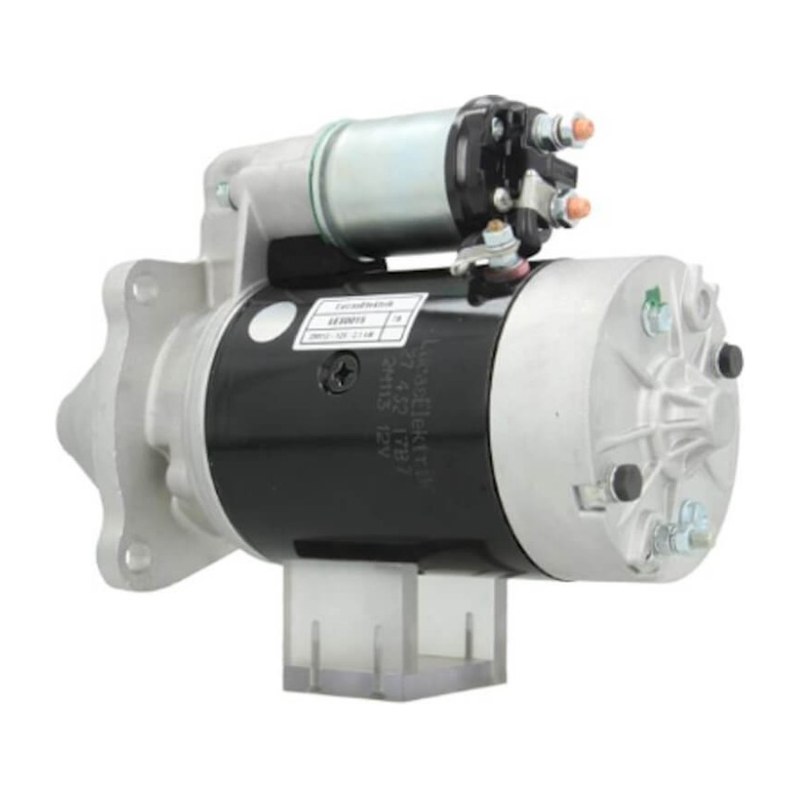
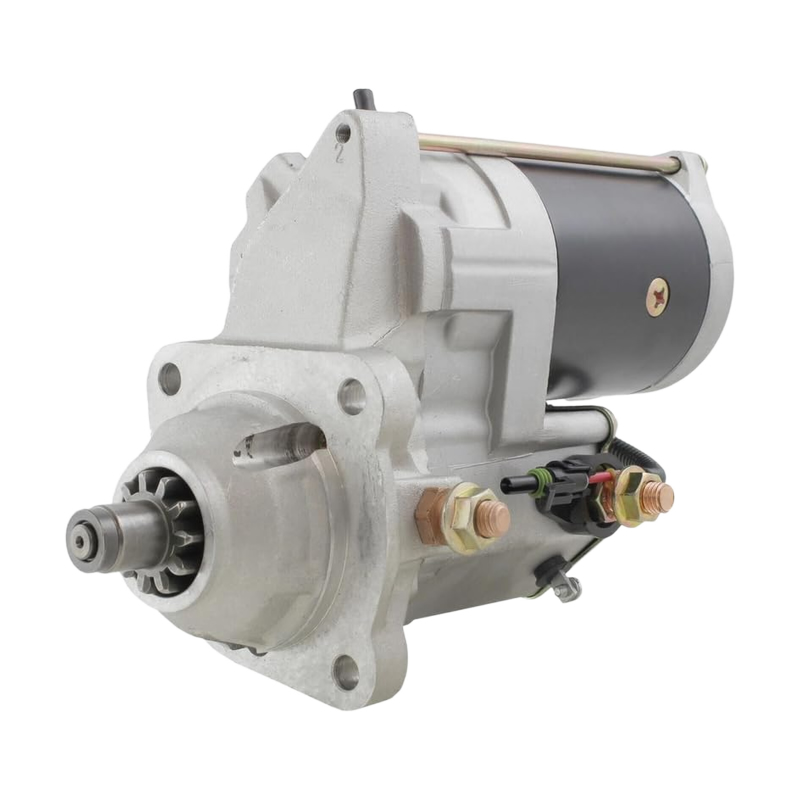
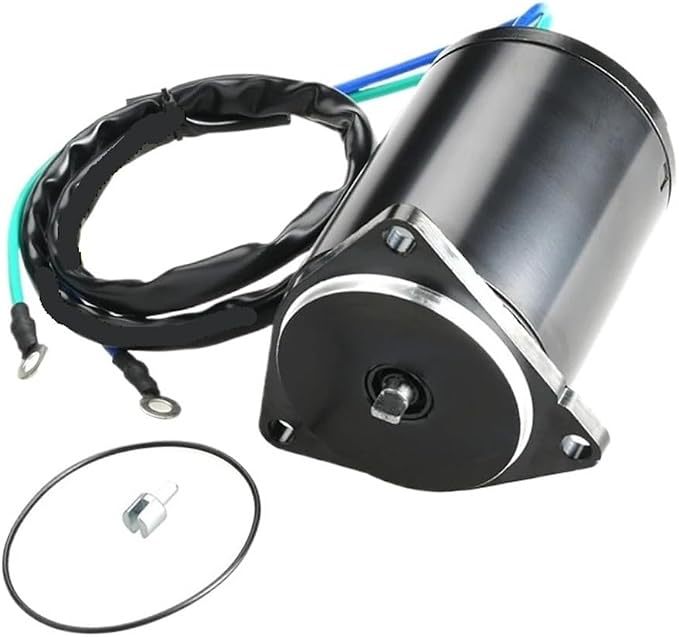
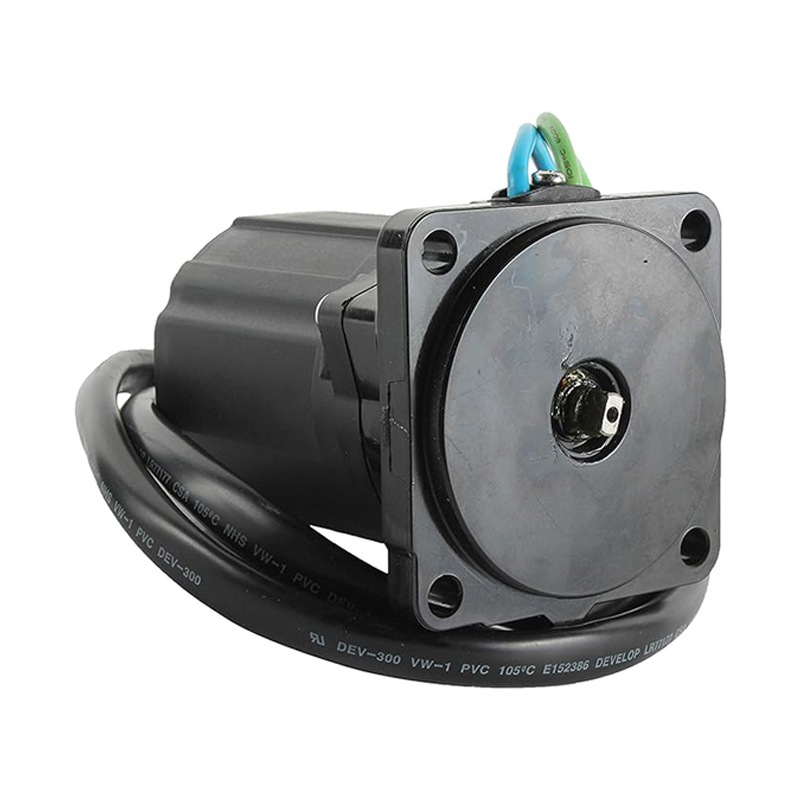
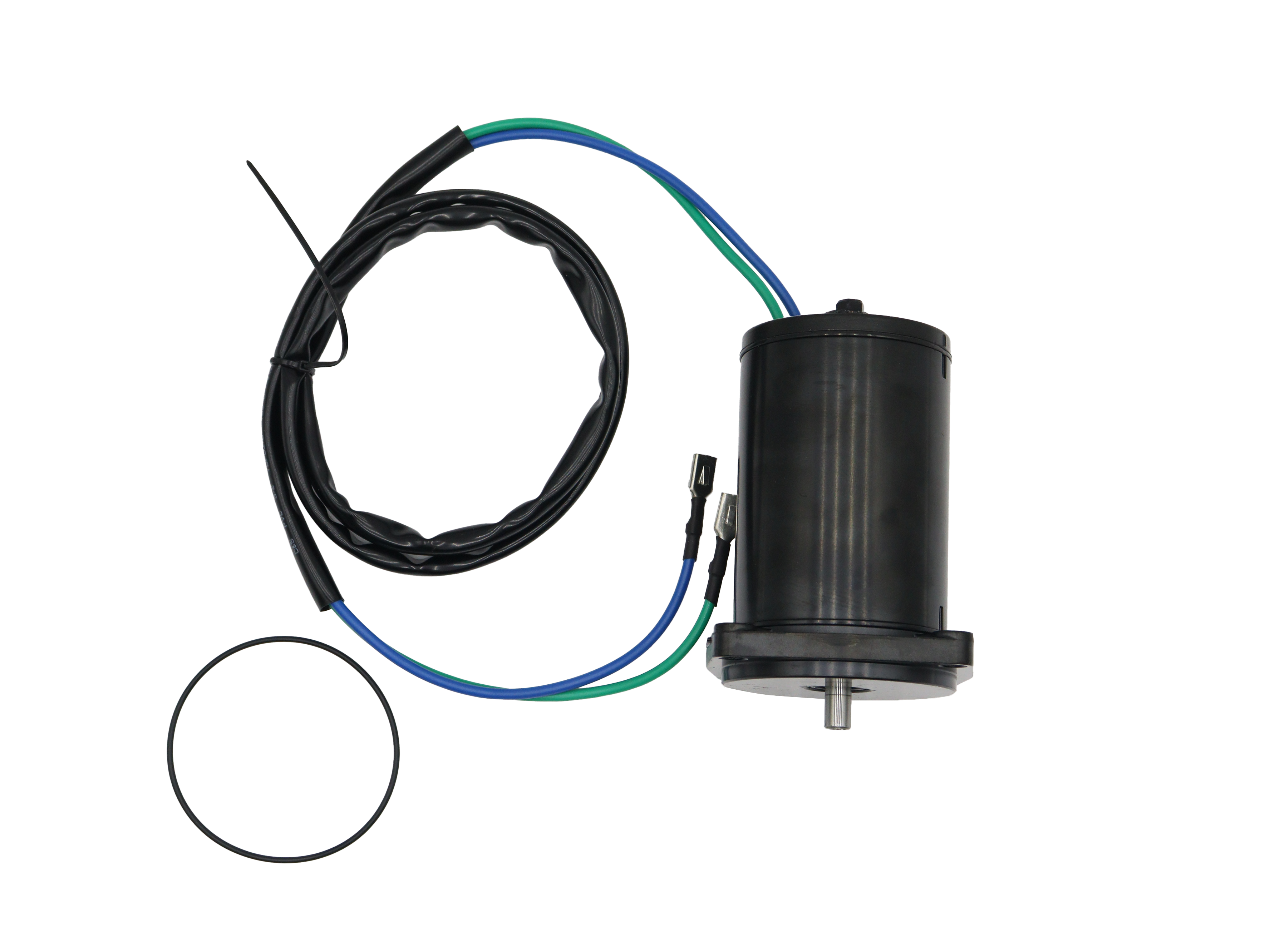
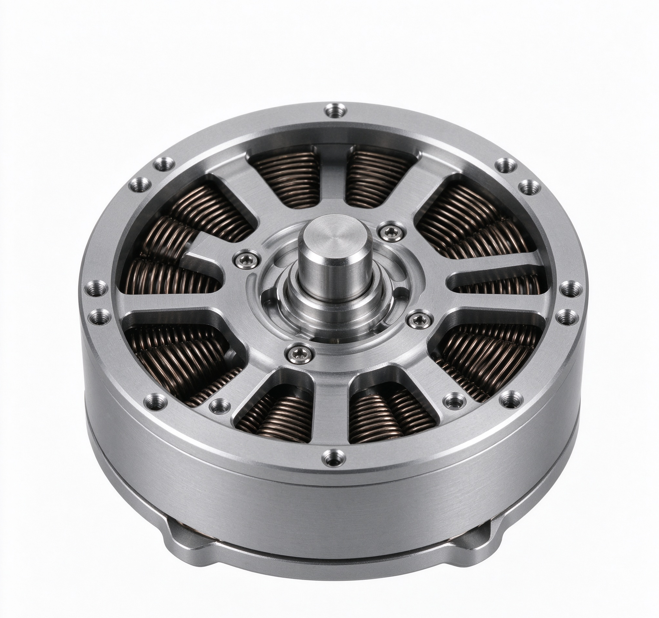
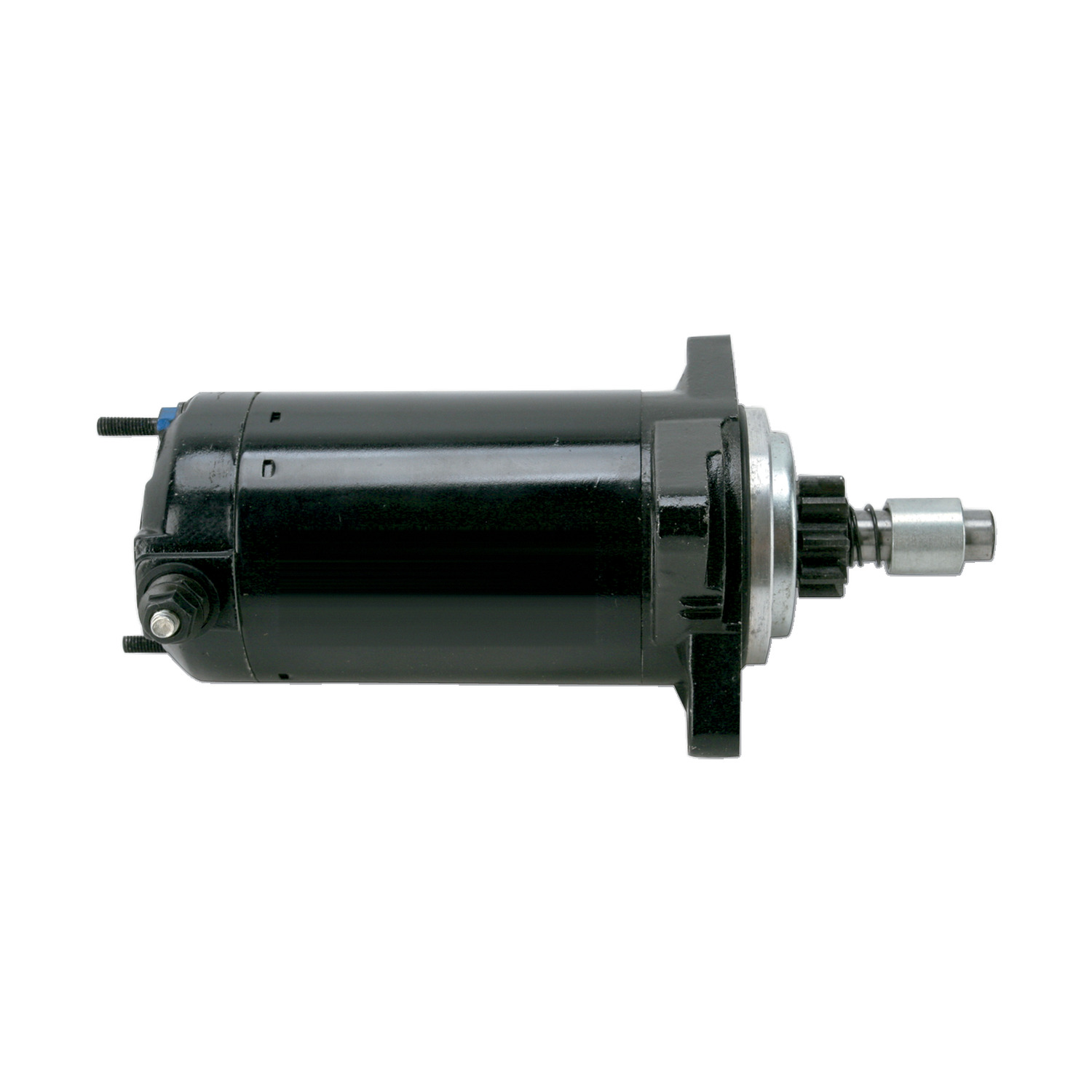
A jet ski starter works in the worst electrical environment on the water. It sits low in the hull, it is splashed every time the craft is ridden, and it is expected to crank a high-compression two-stroke from cold after a winter in storage. This unit is built for that duty and replaces the original Bombardier part directly.
The 718 cc Rotax two-stroke powered the GTX 720 and a long list of related craft in the mid to late nineties. The same starter was used across the 580 cc and 720 cc families, which is why one number covers so many models. Confirm the engine displacement before ordering, because the 787 and 947 engines use different units.
The pinion has nine teeth and turns counter-clockwise as viewed from the drive end. This is the detail that most often goes wrong when a buyer matches by photograph alone. A unit from a later four-stroke will bolt up but will not mesh, and the result is a stripped ring gear.
Inside, the motor is a permanent-magnet direct-drive design rated at 0.6 kW. That is enough for a 720 cc two-stroke because the compression is moderate and the battery sits close to the starter. If the engine has been rebuilt with raised compression, expect shorter starter life; that is a consequence of the build, not a fault in the unit.
Water ingress is the usual failure path. The O-ring behind the nose and the seal around the terminal block are the two places where water gets in. A starter that was fine at the end of the season and is locked solid in spring has almost certainly taken water in storage, not failed electrically.
Bombardier used several numbers across the production run. 278000484 and 278000485 are the most common, with 278001300 and 278001935 appearing on later builds. Denso built the original units, and the Denso numbers 228000-4550 and 228000-4553 identify the same family.
On the aftermarket side the unit is known as WAI 18415N, and it also appears under HC Cargo F032111915 and a handful of shop-specific numbers. The PP prefix sometimes seen in front of 18415N is a seller prefix, not part of the part number; the number itself is 18415N.
Fitting takes about an hour on most craft. Remove the seat and the storage bin, disconnect the battery, unbolt the starter, and slide it forward out of the tunnel. Check the ring gear while the hole is open, and check the ground cable from the engine block to the battery negative; a corroded ground is the most common cause of slow cranking on these craft.
After fitting, crank the engine with the lanyard off to confirm the pinion engages and releases. Then start normally and check for water weeping past the nose seal. A few drops are normal on a new unit for the first run; a steady trickle is not, and means the O-ring is pinched.
One last note on storage. These craft are often parked for months with a battery maintainer and nothing else. Fogging the engine and turning it over briefly by hand before the season starts will free a sticky pinion and save a starter replacement.
| Brand | Model | Model Code | Year |
|---|---|---|---|
| Sea-Doo | Sea-Doo GTX 718 | SD-GTX-718 | 1995–1997 |
Follow Us:


