
❮
❯
 Electrical & Ignition
 Starter Motor
 Carburetor
 Air Filter
 Hub motor
 Sensor
 Brake Caliper
 Other Parts
 Starter relay
 Engine & Drive
 Throttle body
 Fuel Filter
 Mid-drive motor
 Vacuum Valve
 Mirror
 Starter Drive
 Turbocharger
 Filtration System
 Oil Filter
 Charger
 Pressure Reducing Valve
 Combination
 Alternator
 Fuel Pump
 Cabin Filter
 EV & Robotics
 Electric Power Steering Motor
 Pressure Regulator
 Magneto Stator
 Water Pump
 Robot parts
 Sensors & Valves
 Dosing Valve
 Regulator
 Gearing
 Chassis & Body
 Ignition Coil
 Belt
 Other
 CDI
 Gasket
 Battery
 Transmission Solenoid Valve
 Ignition Key Switch
 Electronic Control Module
 Controller
 Carbon Brush
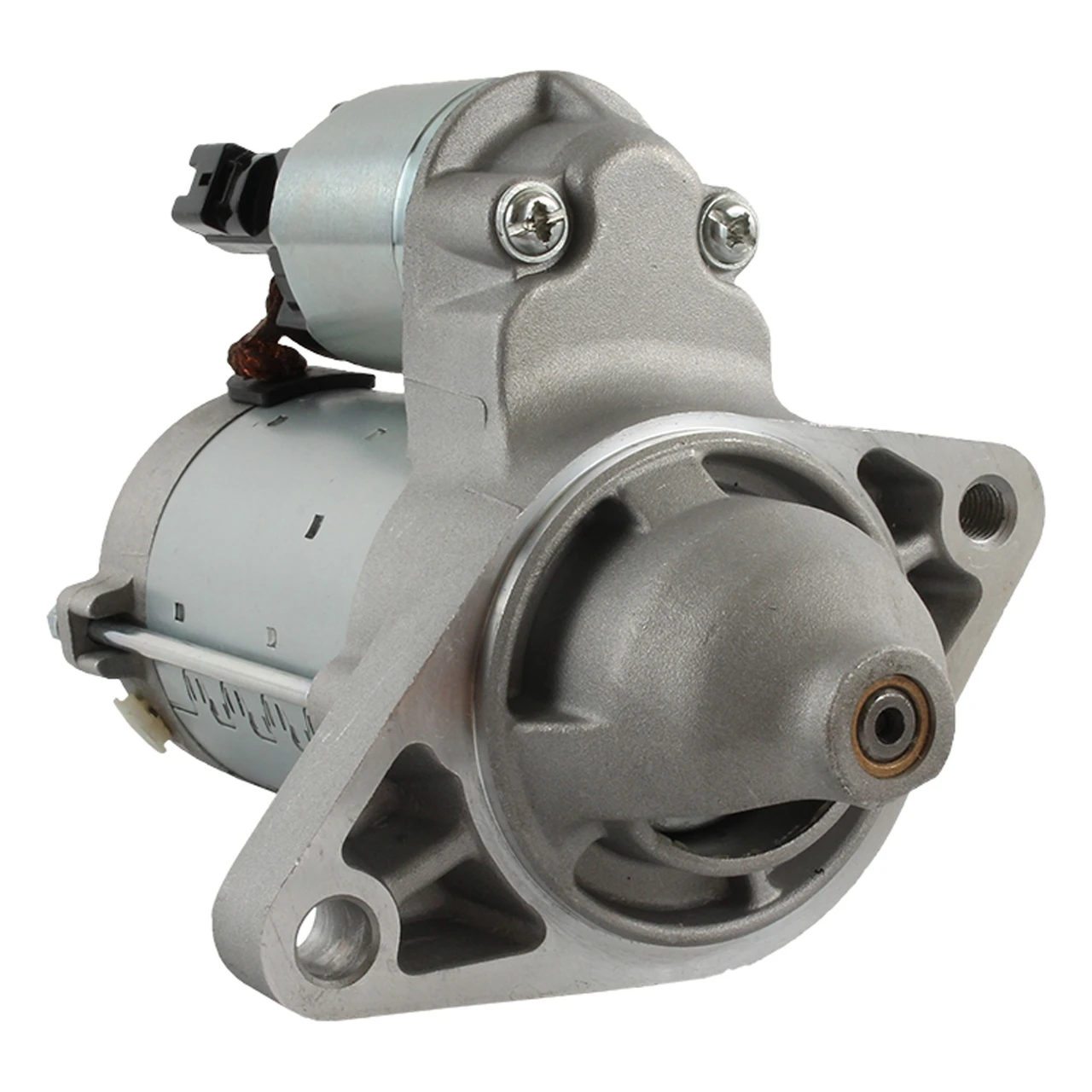
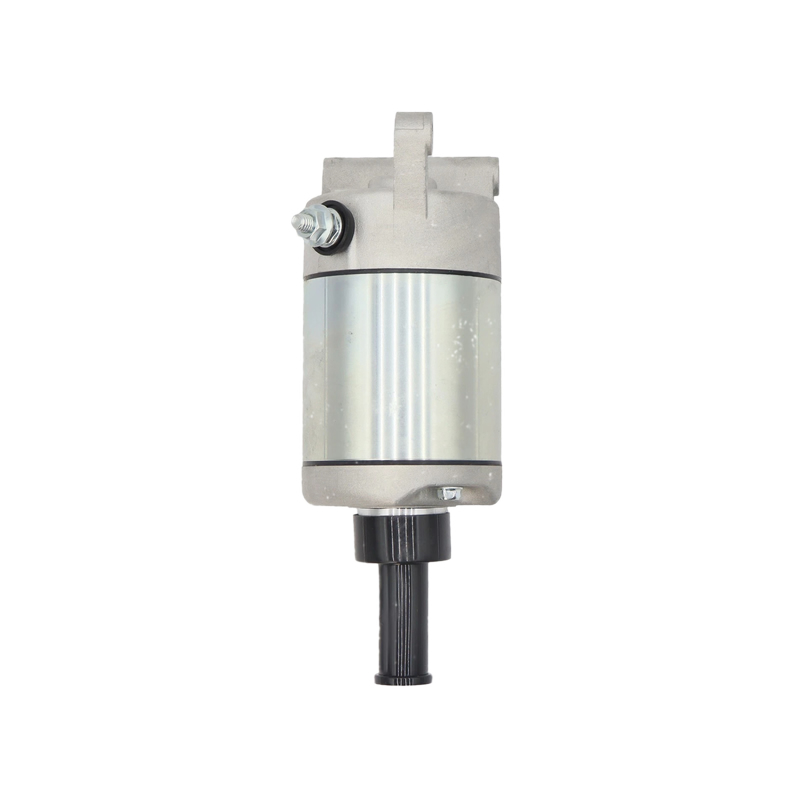
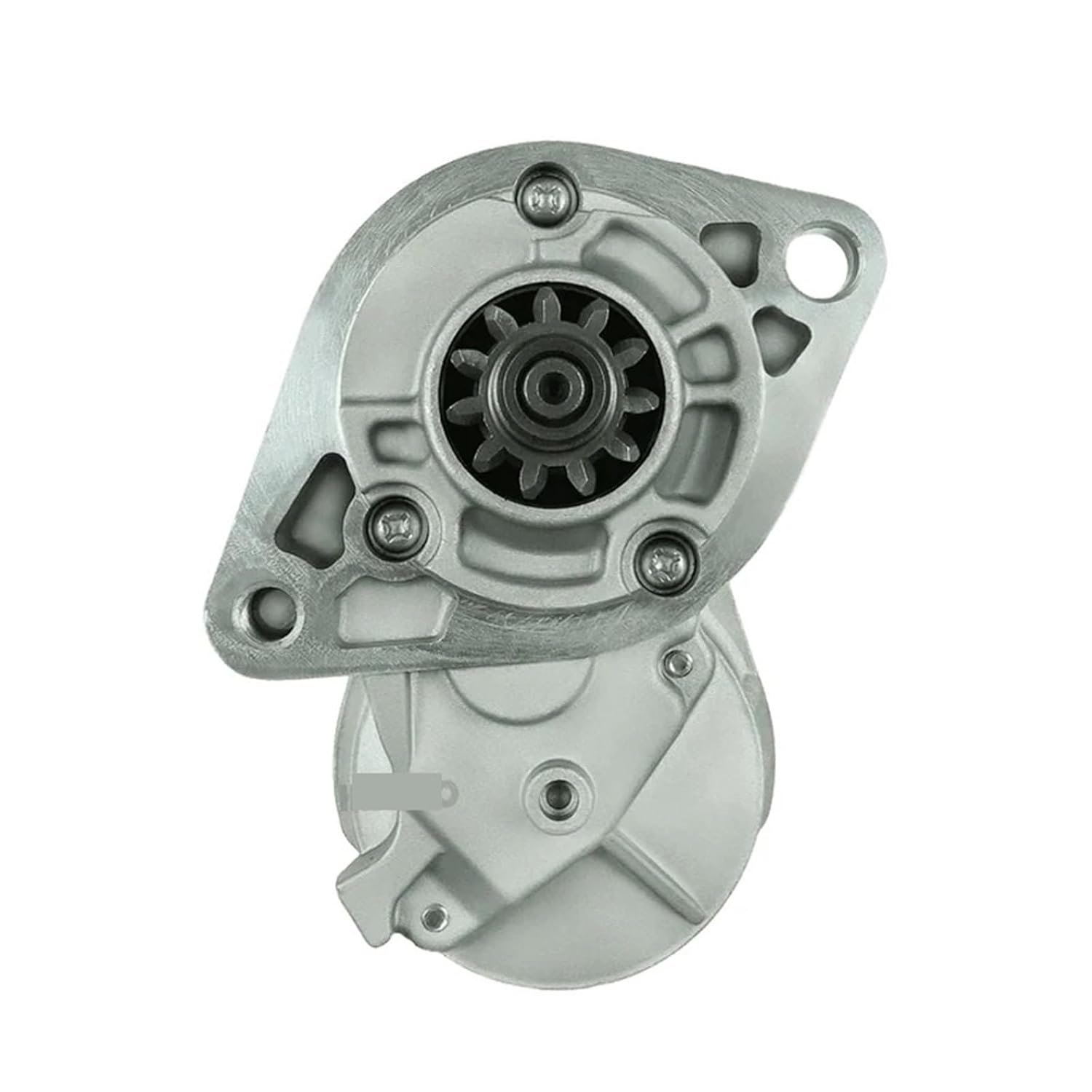
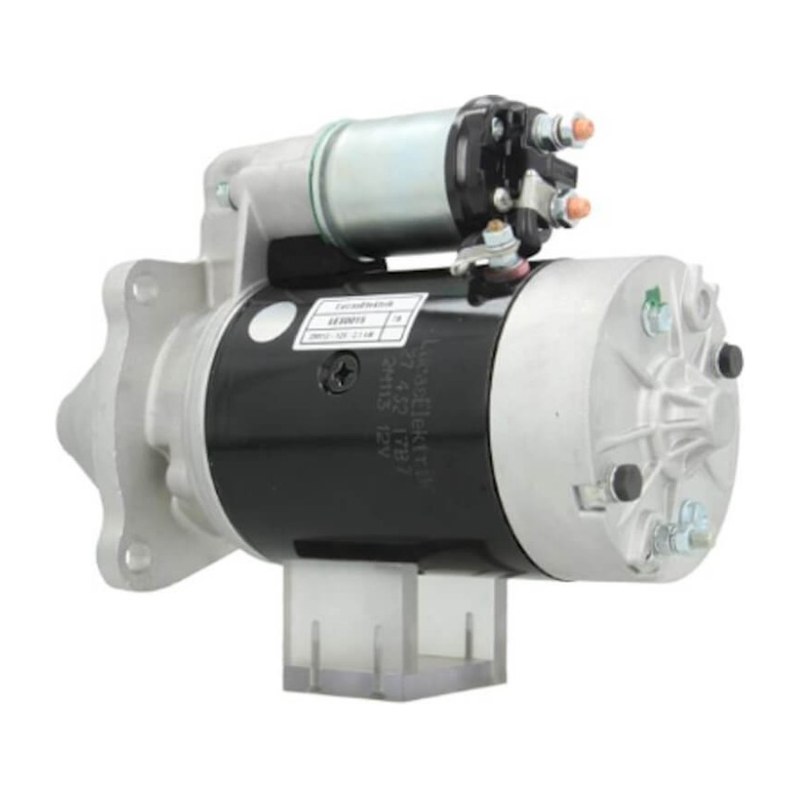

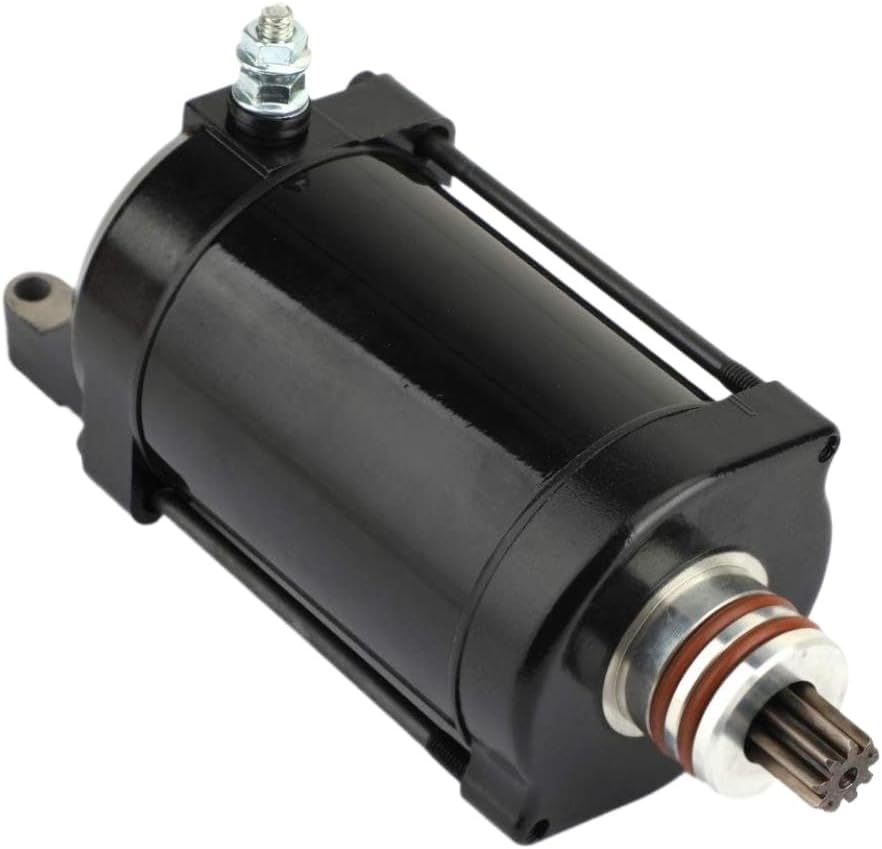
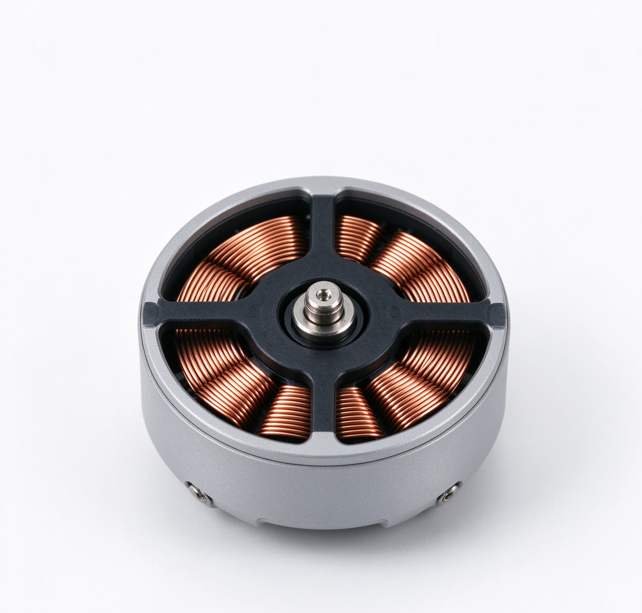
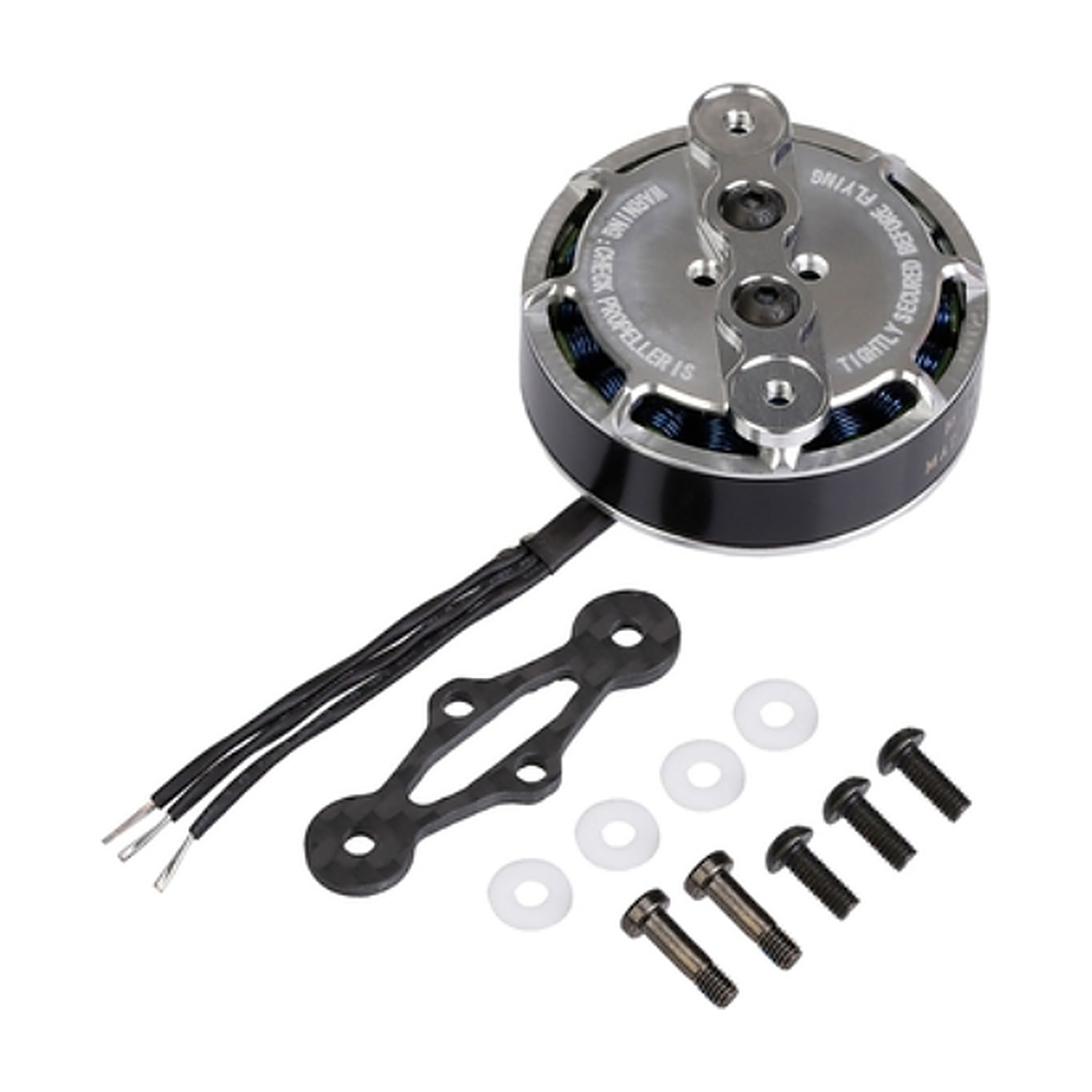
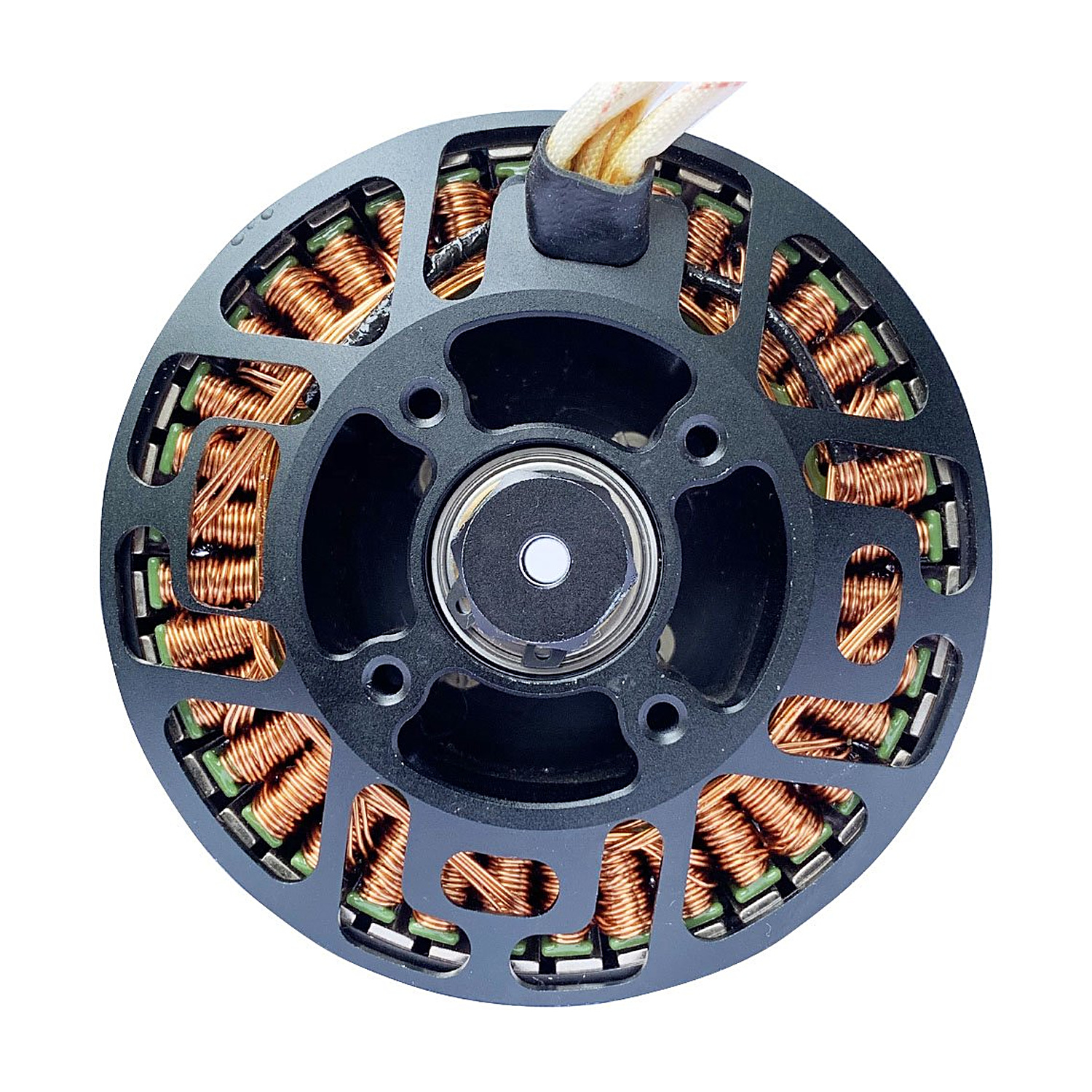
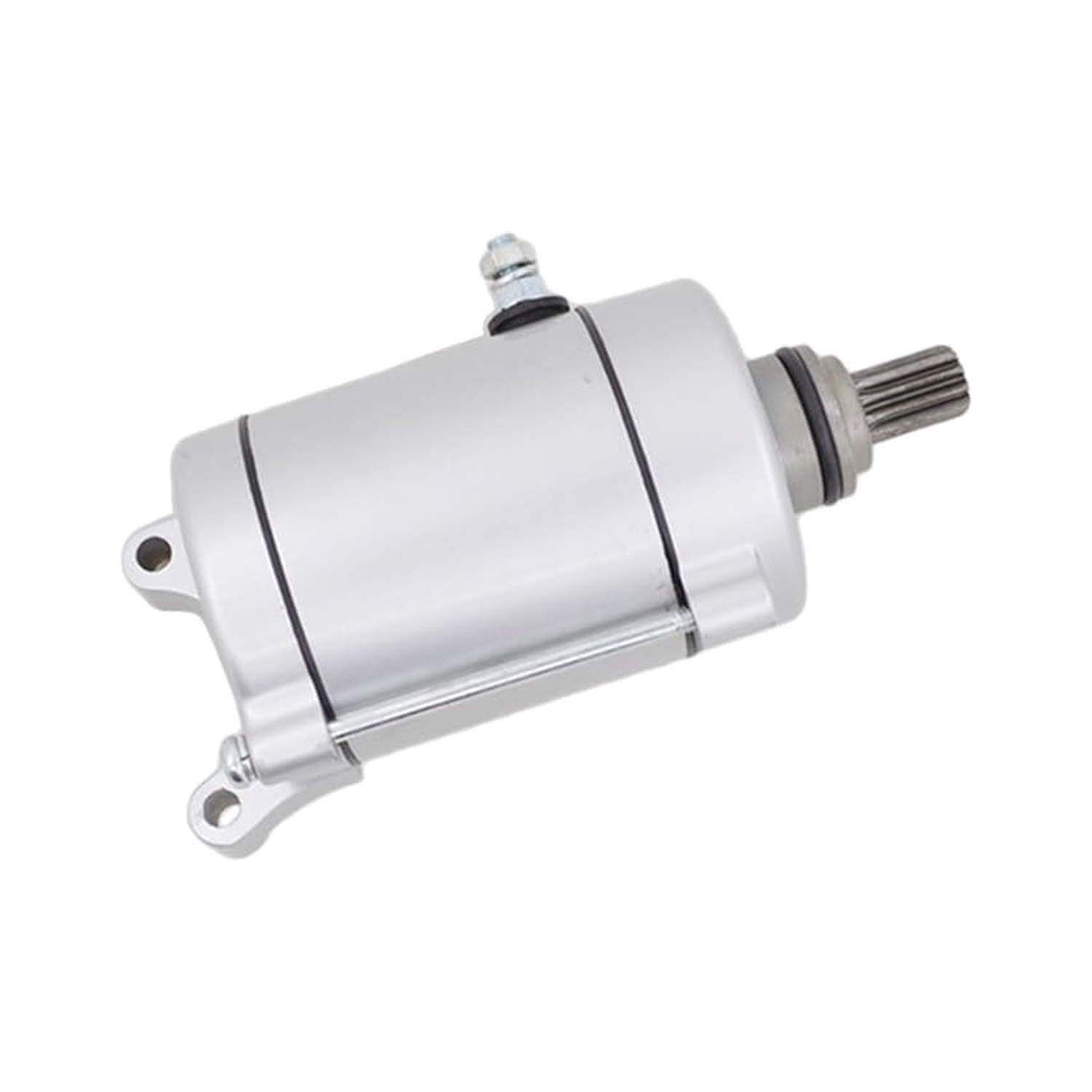
A starter motor for a 200cc single. Twelve volts, 1.4 kW, ten teeth, clockwise at the pinion face. Steel barrel, cast aluminium nose, solenoid bolted to the side under a rubber cap. Nothing exotic inside.
Where it sits. The flange bolts to the engine block, not to the airframe. Two 8 mm bolts, one main stud, one trigger spade. On a 200cc case the nose has to sit square before anything is torqued down. One bolt at a time and the flange cocks.
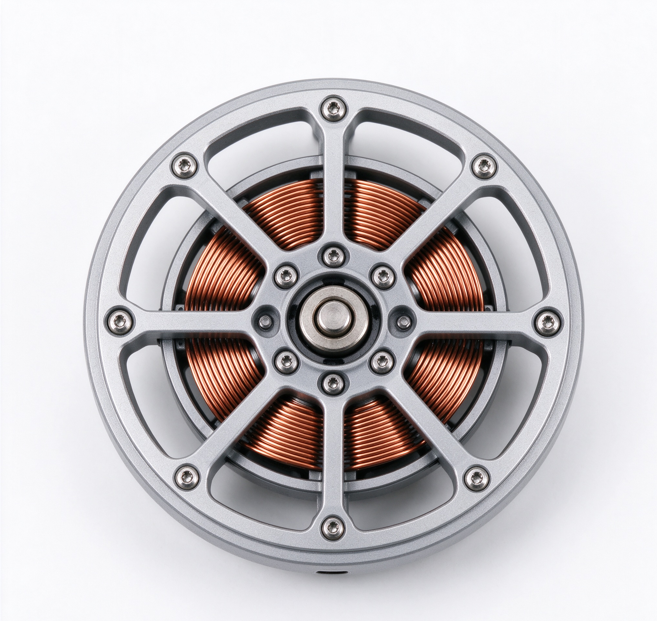
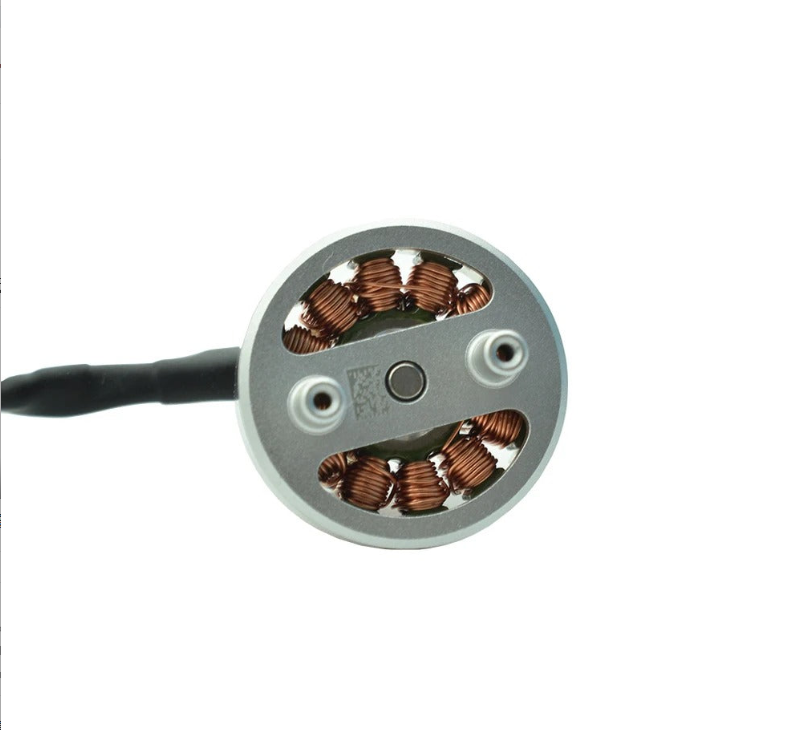
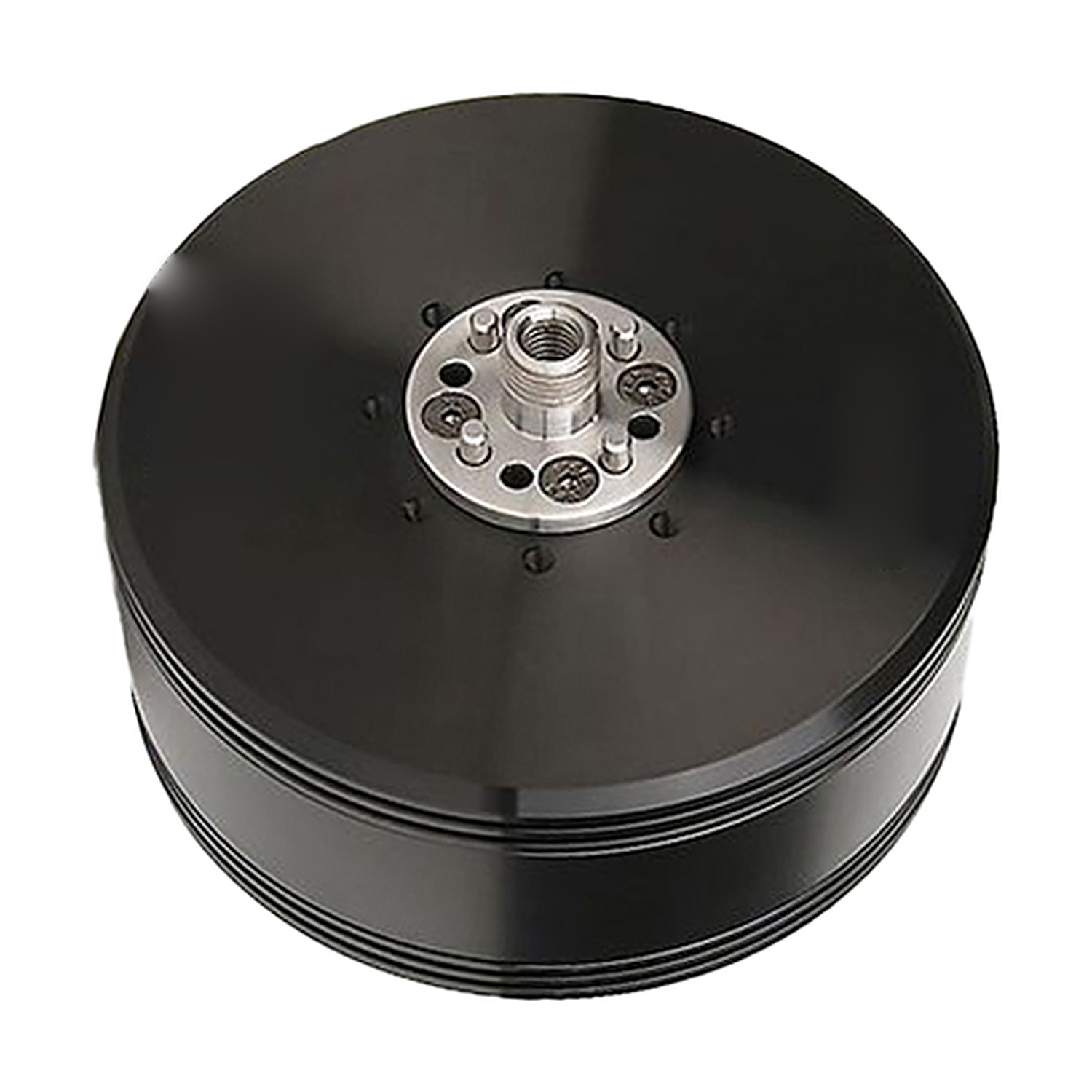
About the airframe. FlyCart 30 and FC30 are the same machine under two names. Both fly on battery packs and eight electric rotors. There is no flywheel anywhere on that frame. This motor belongs to the gasoline engine module that appears in ground power units and hybrid test builds.
So check first. If your unit is pure electric, there is nothing here to crank. If it has an engine module, look for the ring gear. Ten teeth on the old pinion, clockwise rotation, 12 V feed. Those three facts decide whether this part fits.
Numbers. 023000007 sits on the label. The 190cc build of the same ground power family carries 025000004. Same flange, same ten teeth, same direction. I could not find either number indexed in a public catalogue, so the label on the old motor outranks any listing title, mine included.
Bench check. Both motors side by side. Count teeth with a fingertip. Spin the pinion by hand; it should turn one way free and lock the other. Compare nose depth with a caliper. Half a millimetre is enough to turn a good motor into a grinding one.
Fitting. Negative cable off first, always. Then the trigger spade, then the main stud, then the two flange bolts. Torque in two passes. Clean the flange face before it goes back on. Paint under one ear tilts the nose, and the bendix pays for it a season later.
When it will not start. One hard click and silence is the relay, the battery or the ground strap. Load-test the battery at 12.4 V or better under load, not at rest. Then the relay. Then the strap. A slow crank on a healthy battery is usually the main cable, not the windings.
What you get. One motor. No pulley, no bolts, no gasket. Six months on DOA and winding faults. MOQ 1 for a sample, 20 for a run. Lead time 10 to 15 days. Foam-lined carton, terminals capped.
Before you order. Photograph the old unit. Both sides. The label, the teeth, the plug. Send it over if you are unsure. A wrong ten-tooth motor is a paperweight, and return freight costs more than the part.
| Brand | Model | Model Code | Year |
|---|---|---|---|
| DJI | FlyCart 30 | FLYCART-30 | 2023–2026 |
Follow Us:


