
❮
❯
 Electrical & Ignition
 Starter Motor
 Carburetor
 Air Filter
 Hub motor
 Sensor
 Brake Caliper
 Other Parts
 Starter relay
 Engine & Drive
 Throttle body
 Fuel Filter
 Mid-drive motor
 Vacuum Valve
 Mirror
 Starter Drive
 Turbocharger
 Filtration System
 Oil Filter
 Charger
 Pressure Reducing Valve
 Combination
 Alternator
 Fuel Pump
 Cabin Filter
 EV & Robotics
 Electric Power Steering Motor
 Pressure Regulator
 Magneto Stator
 Water Pump
 Robot parts
 Sensors & Valves
 Dosing Valve
 Regulator
 Gearing
 Chassis & Body
 Ignition Coil
 Belt
 Other
 CDI
 Gasket
 Battery
 Transmission Solenoid Valve
 Ignition Key Switch
 Electronic Control Module
 Controller
 Carbon Brush
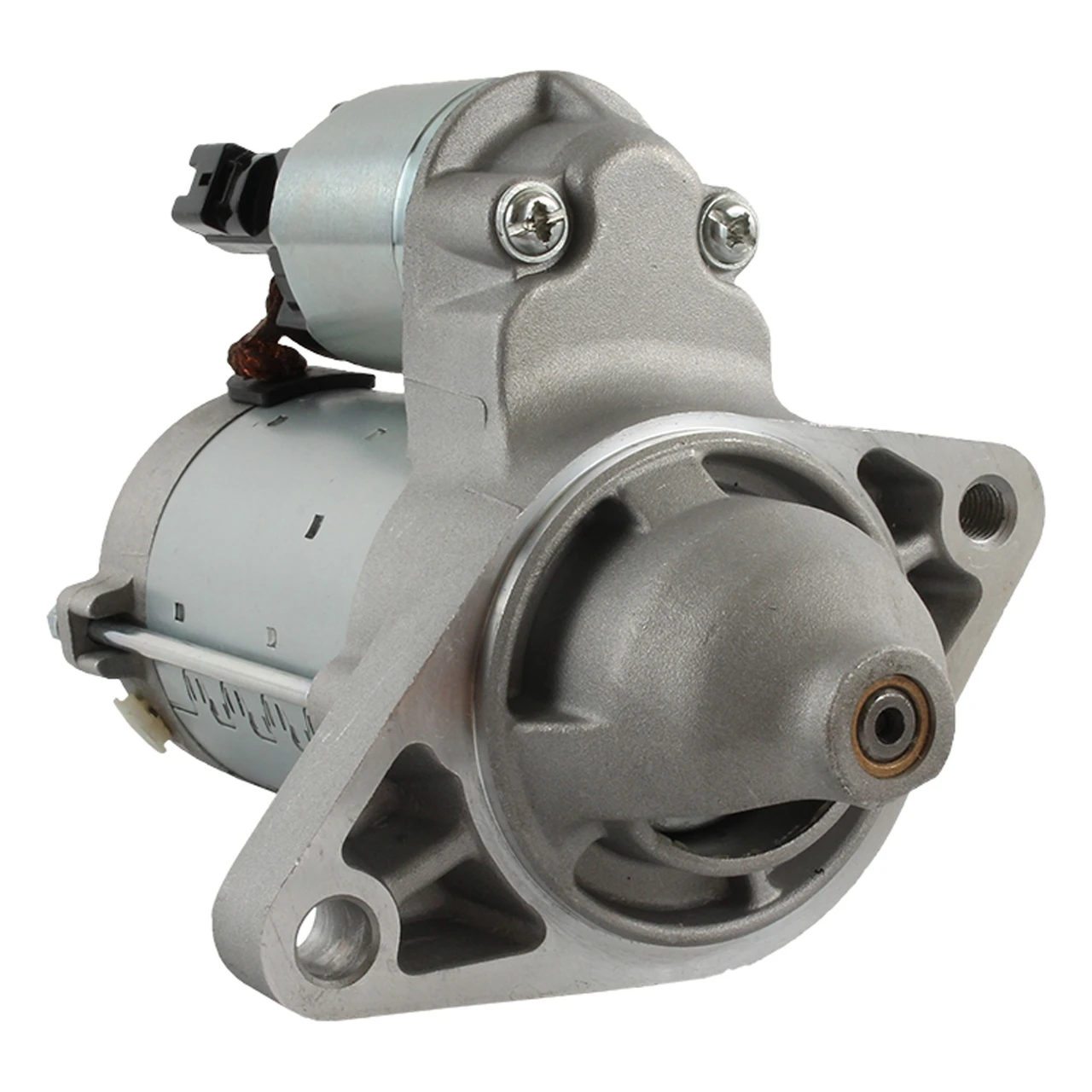
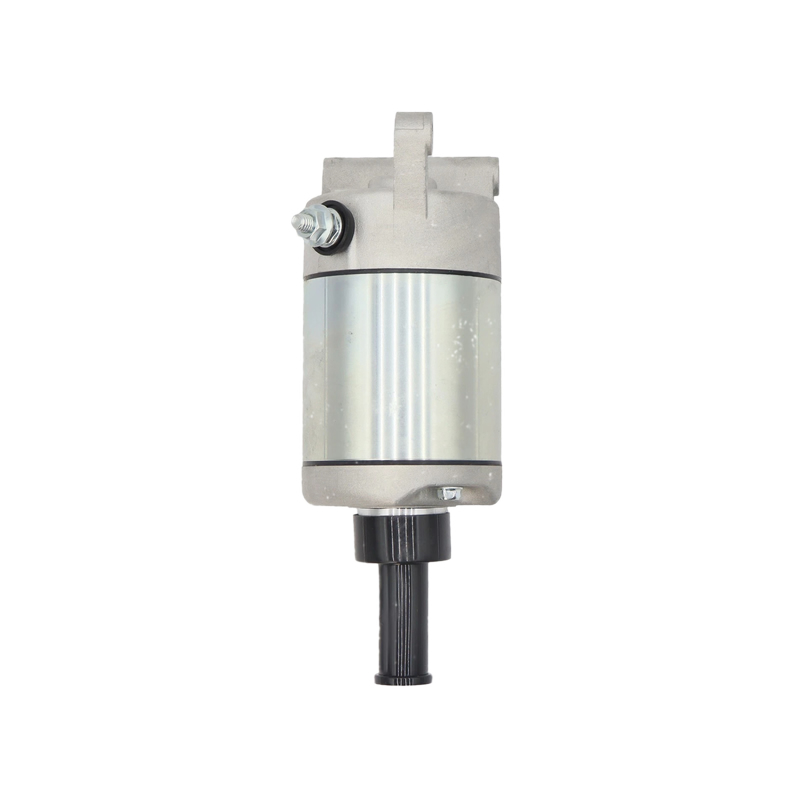
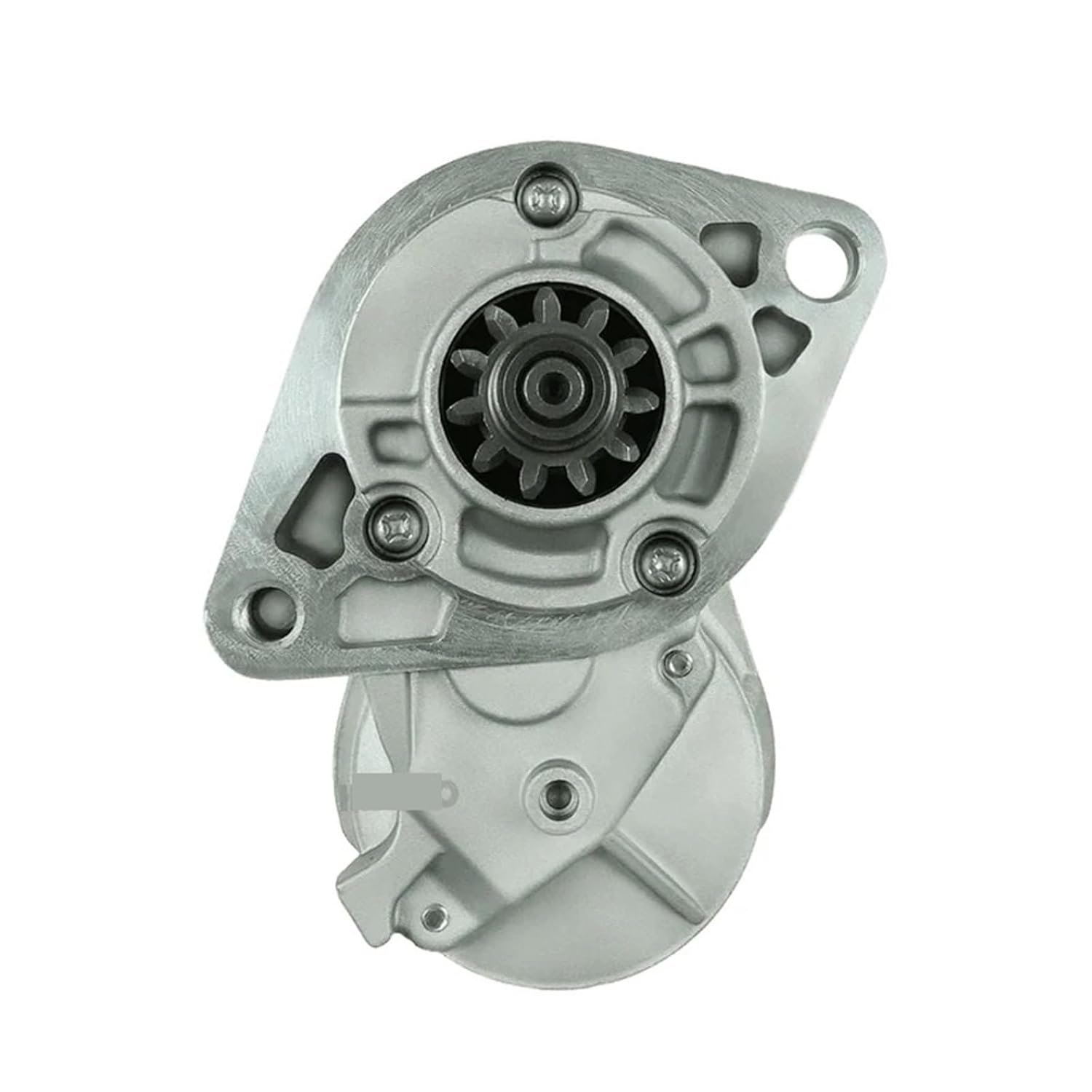
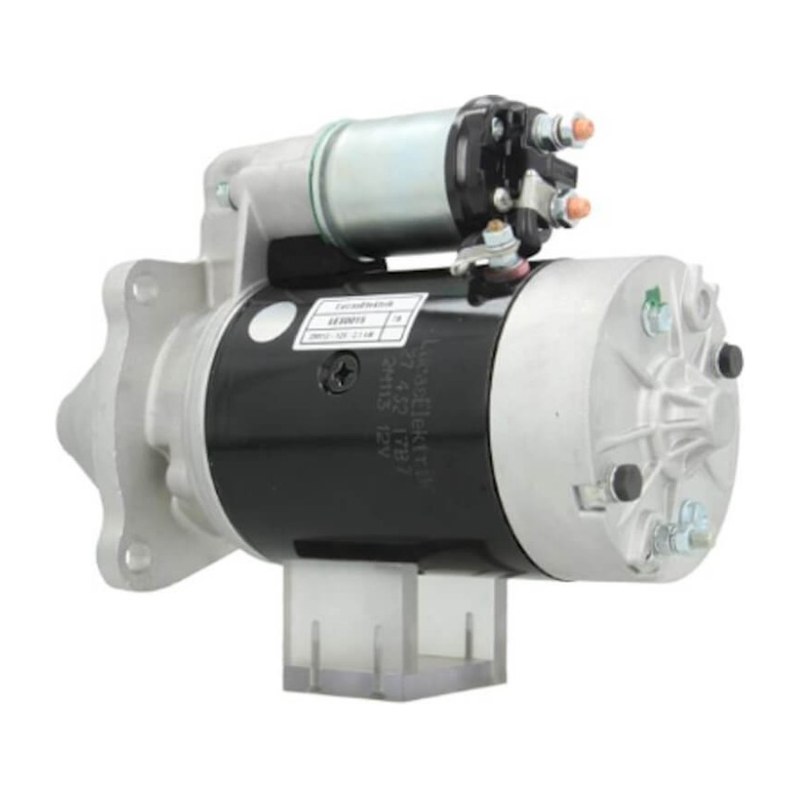

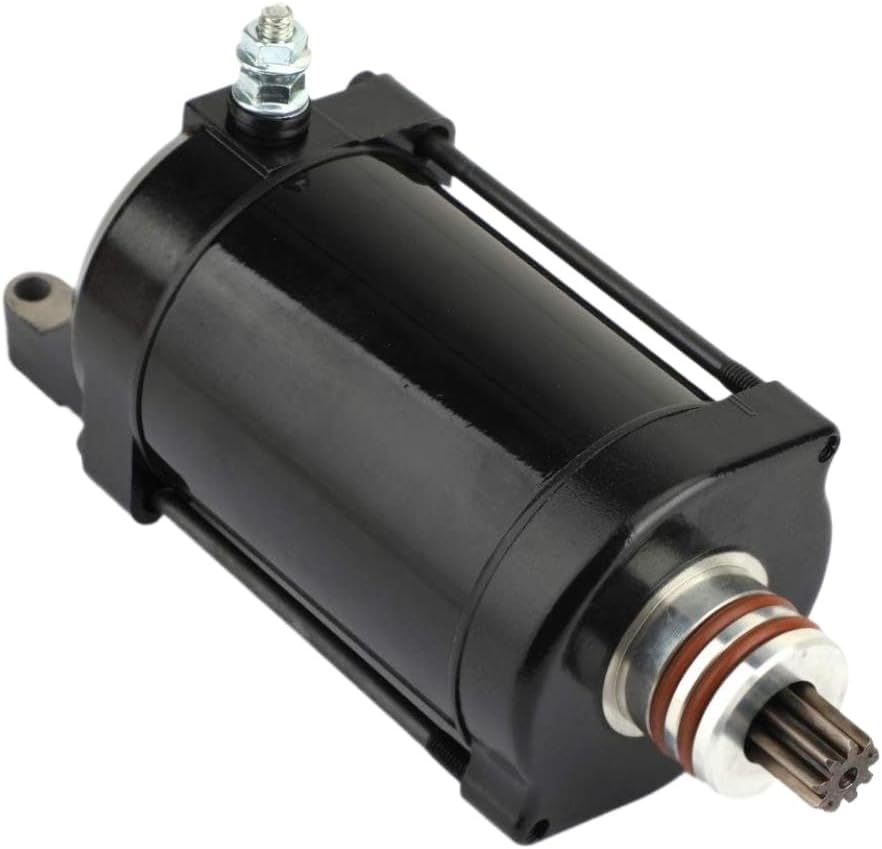
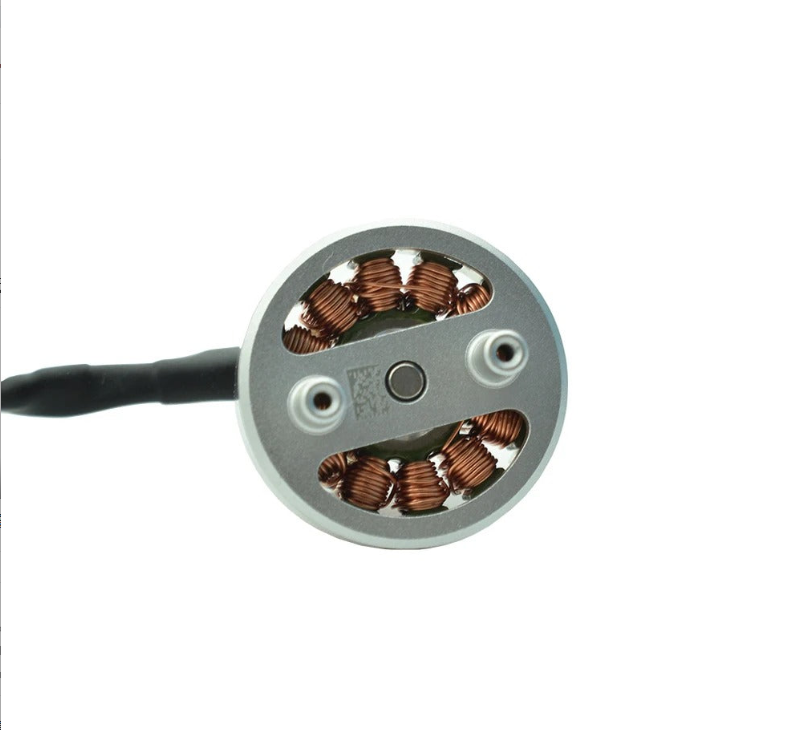
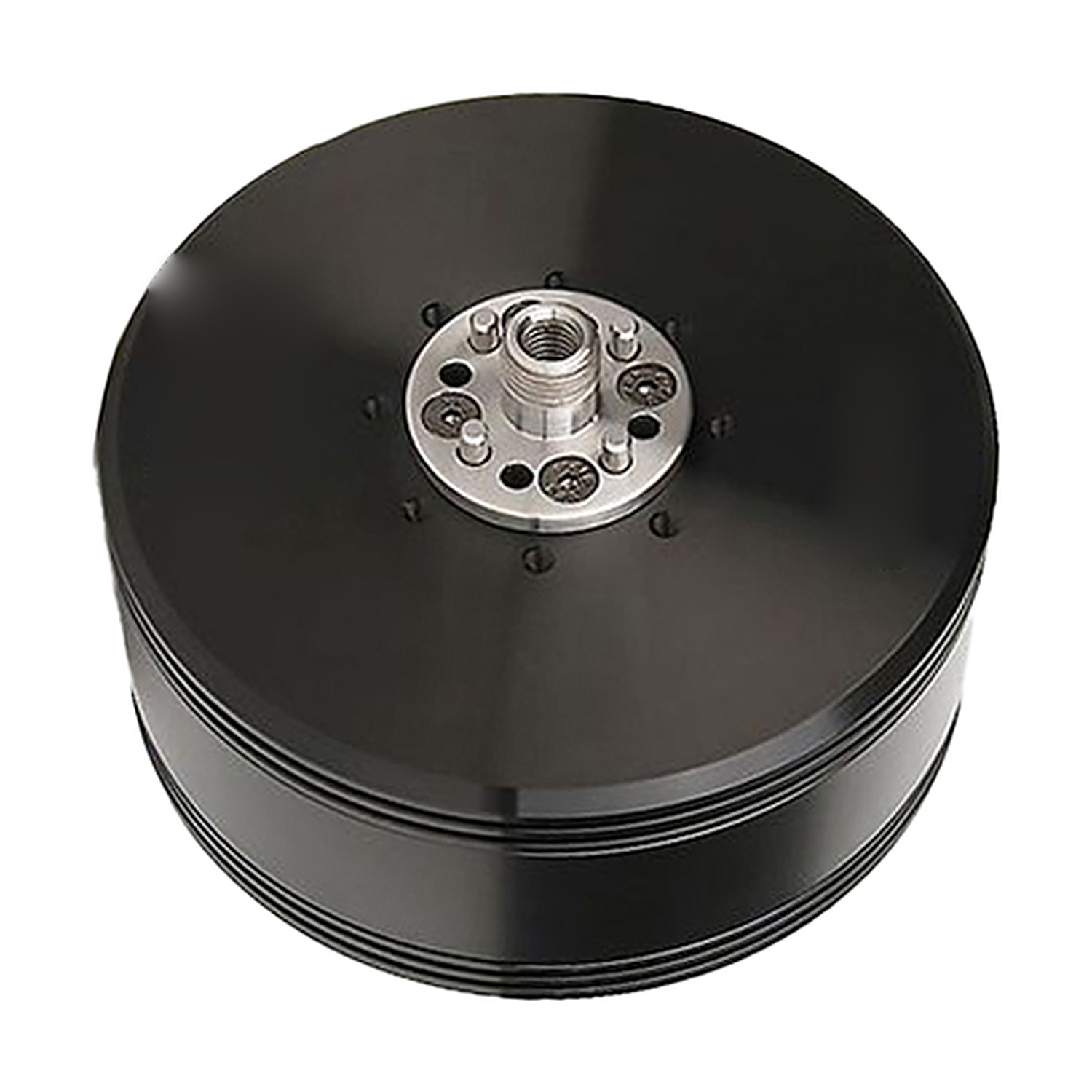
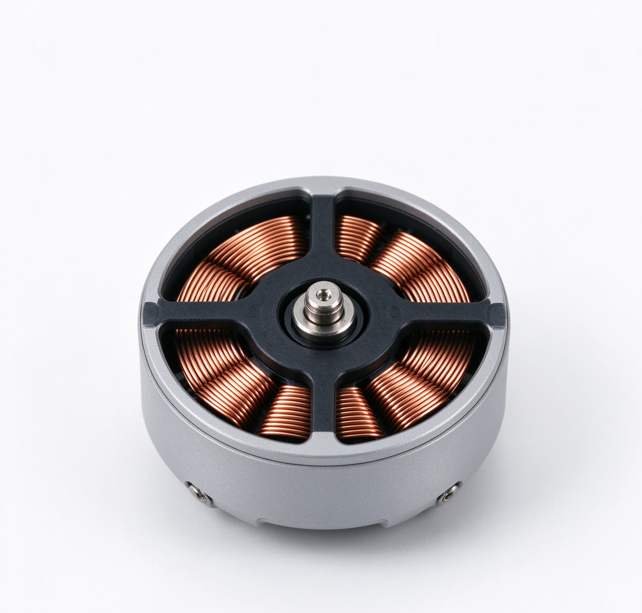
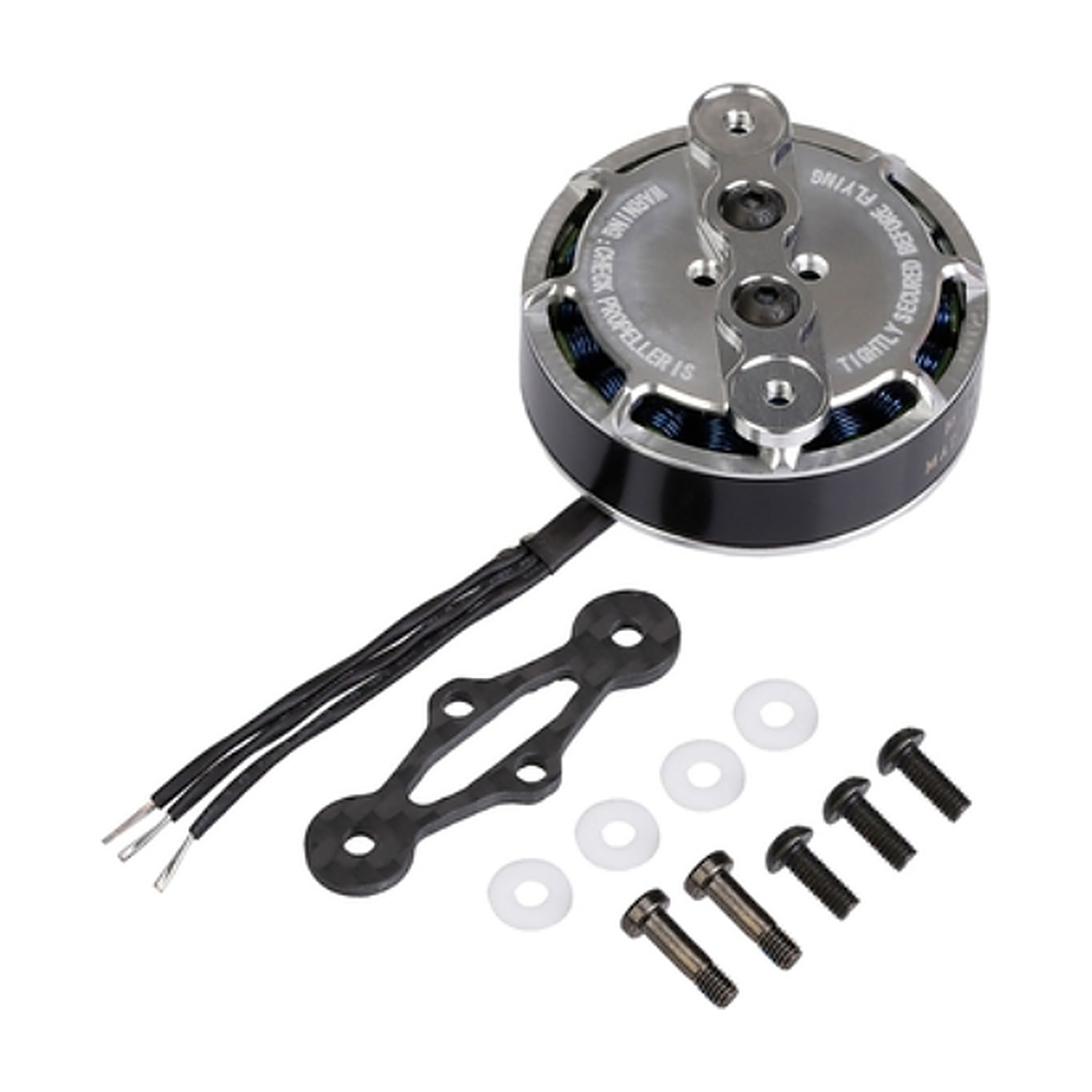
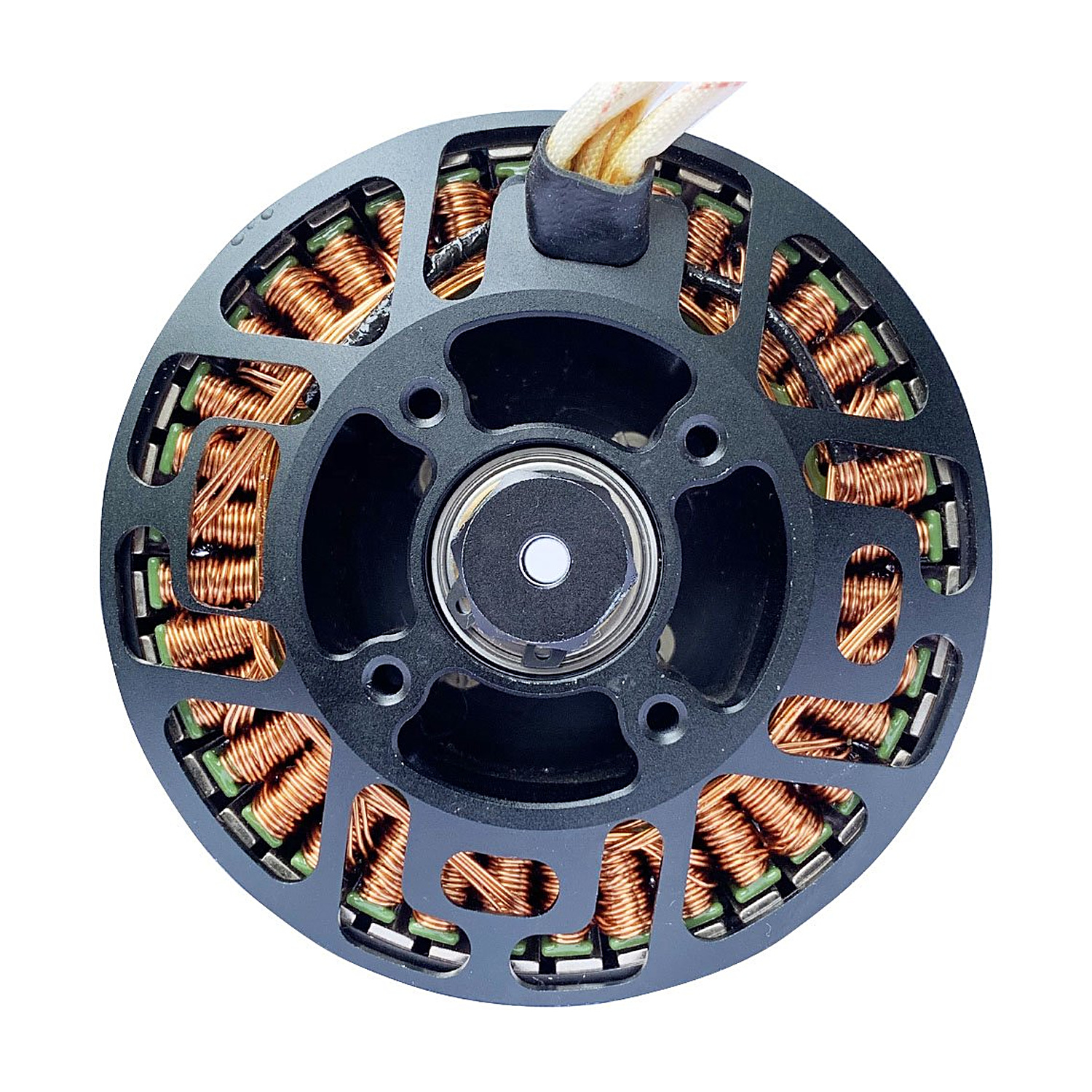
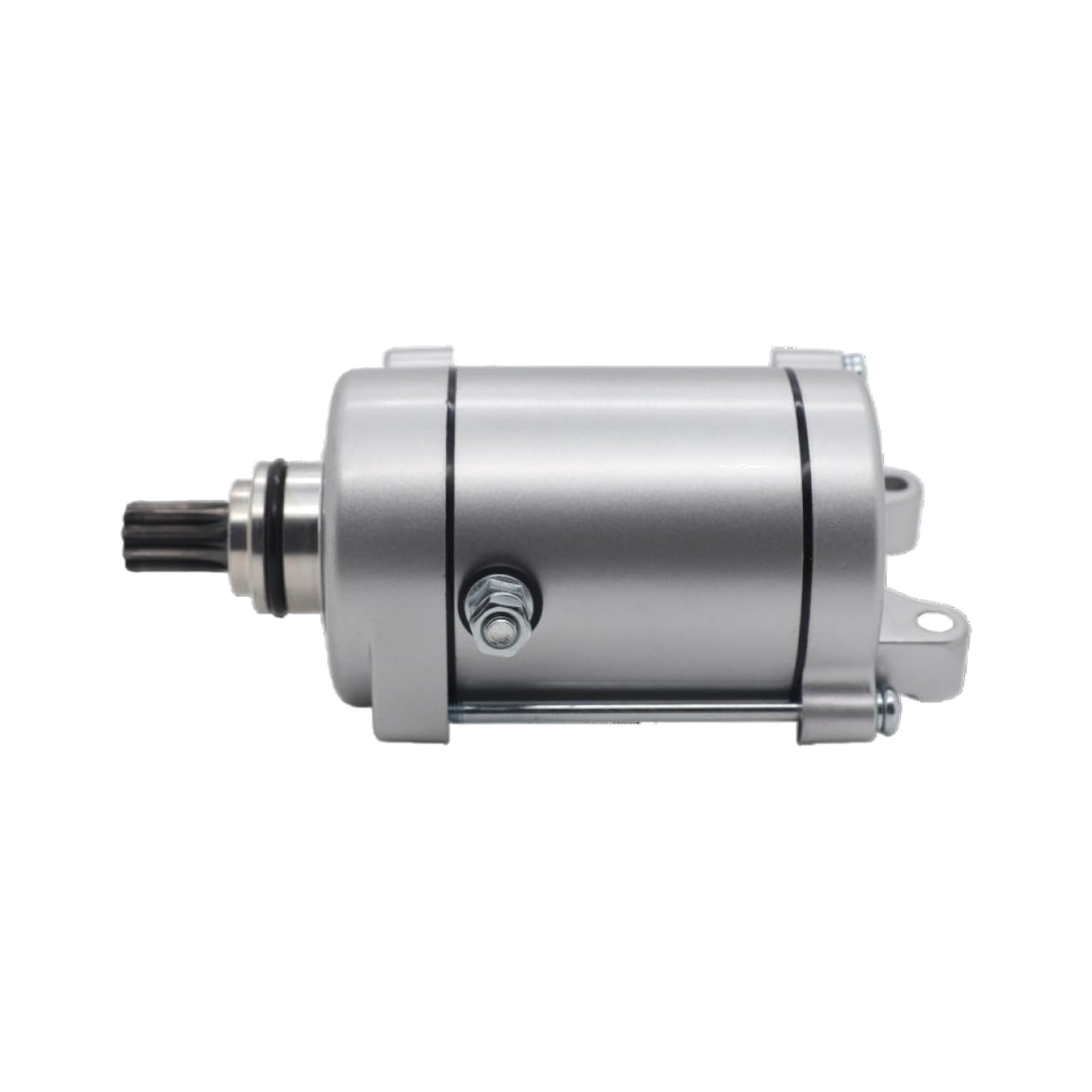
Twelve volts. 1.25 kW. Ten teeth. Clockwise at the pinion. The can is mid-size, between the 160cc and 200cc units in this range, and the flange pattern is shared with the 160cc build.
What is shared and what is not. The flange is. The pinion is not. A nine-tooth motor from the 160cc shelf will bolt straight on and then fail to mesh. Check the teeth before you check the bolts.
Where it mounts. Engine block, not airframe. Two 8 mm flange bolts, one main stud, one trigger spade. M350 RTK flies on TB65 packs and six rotors, so the aircraft itself has no flywheel. The engine module is what this part serves.
Which builds have one. Ground power units that carry a small gasoline single, and hybrid test rigs. If your machine charges from mains only, there is nothing here to turn.
The label. 021000036. No public index carries it. No dealer catalogue I could reach lists it. That means the number on your old motor is the reference, not a listing title and not a cross-reference tool.
Before fitting. Wipe the flange face. Paint or a burr under one ear is enough to tilt the nose. A tilted nose wears the bendix out inside a season, and the symptom looks like a bad motor rather than a bad install.
Torque. Two passes, evenly. Negative cable off first, then the trigger, then the stud, then the flange. Same order going back together.
No crank. Solid click and no turn usually means the solenoid contact. Pull the trigger wire and jump it. If the motor spins, the fault is upstream: harness, key switch, fuse block. If it does not spin, the motor or its ground is the problem.
In the box. One motor, terminals capped, foam-lined carton. Six months on DOA and winding faults. MOQ 1 for a sample, 20 for a run, 10 to 15 days.
Ask first. Send the old label and a photo of the ring gear if anything is unclear. A ten-tooth clockwise motor on a nine-tooth engine is an expensive way to learn the difference.
| Brand | Model | Model Code | Year |
|---|---|---|---|
| DJI | M350 RTK | MATRICE-350-RTK | 2023–2026 |
Follow Us:


