
❮
❯
 Electrical & Ignition
 Starter Motor
 Carburetor
 Air Filter
 Hub motor
 Sensor
 Brake Caliper
 Other Parts
 Starter relay
 Engine & Drive
 Throttle body
 Fuel Filter
 Mid-drive motor
 Vacuum Valve
 Mirror
 Starter Drive
 Turbocharger
 Filtration System
 Oil Filter
 Charger
 Pressure Reducing Valve
 Combination
 Alternator
 Fuel Pump
 Cabin Filter
 EV & Robotics
 Electric Power Steering Motor
 Pressure Regulator
 Magneto Stator
 Water Pump
 Robot parts
 Sensors & Valves
 Dosing Valve
 Regulator
 Gearing
 Chassis & Body
 Ignition Coil
 Belt
 Other
 CDI
 Gasket
 Battery
 Transmission Solenoid Valve
 Ignition Key Switch
 Electronic Control Module
 Controller
 Carbon Brush
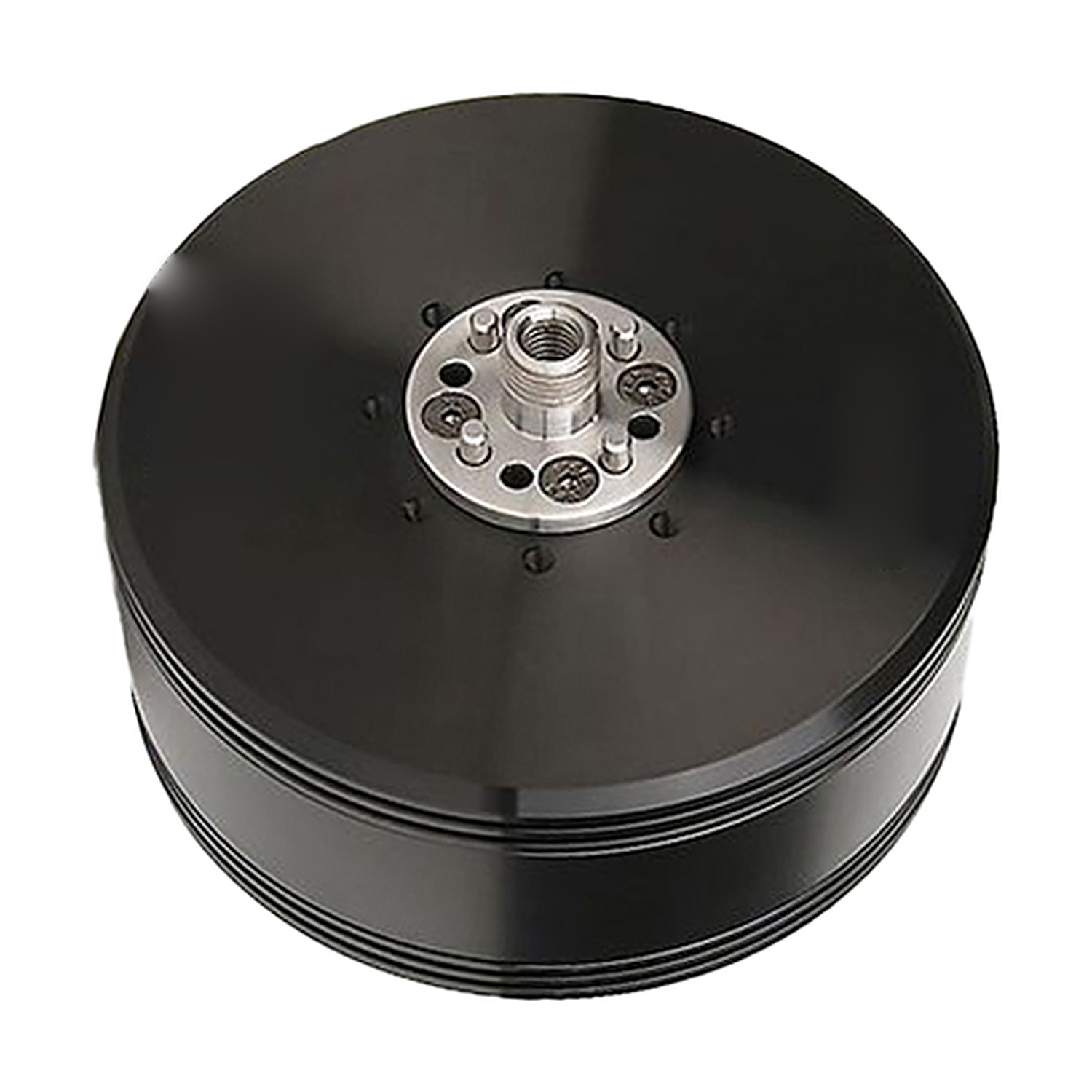
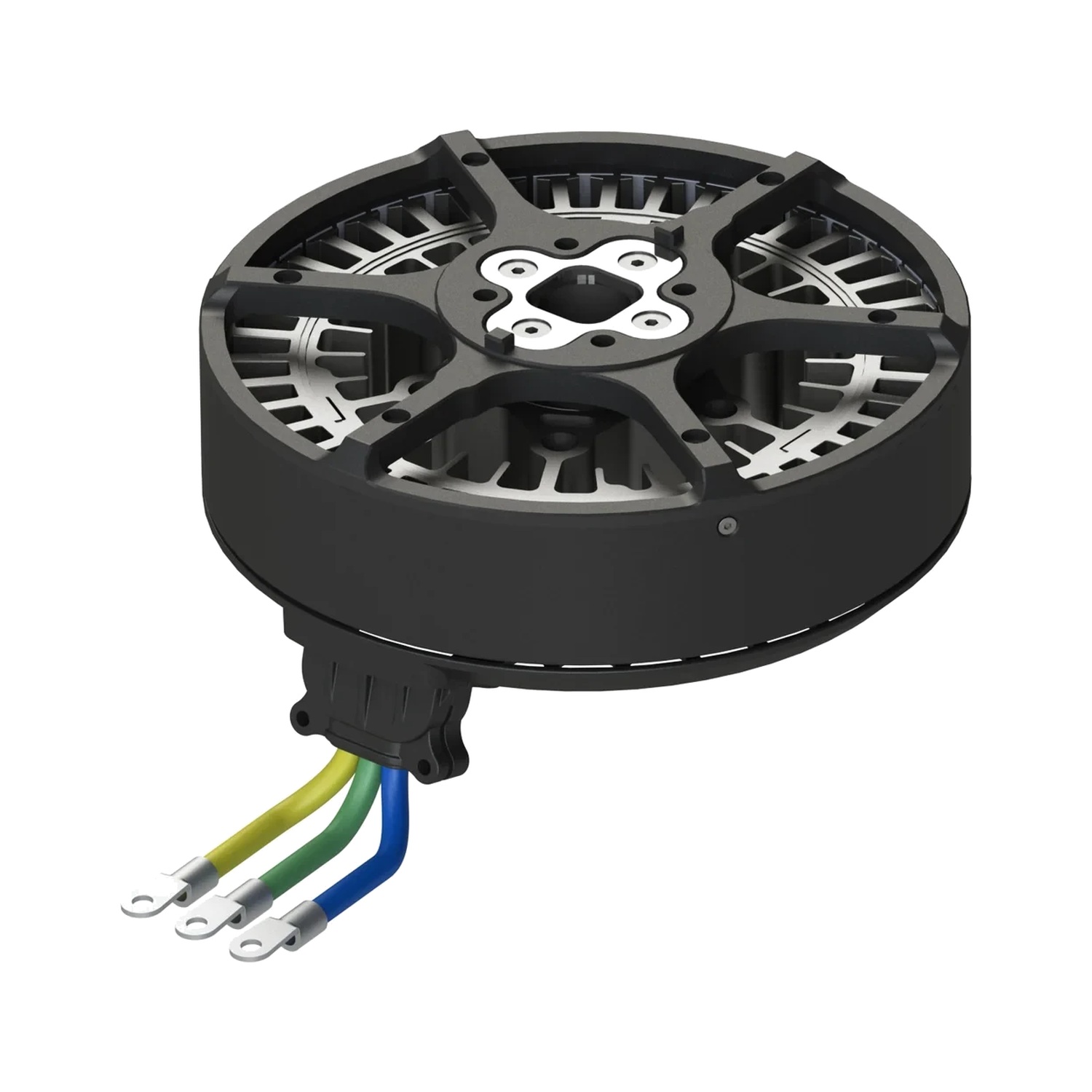
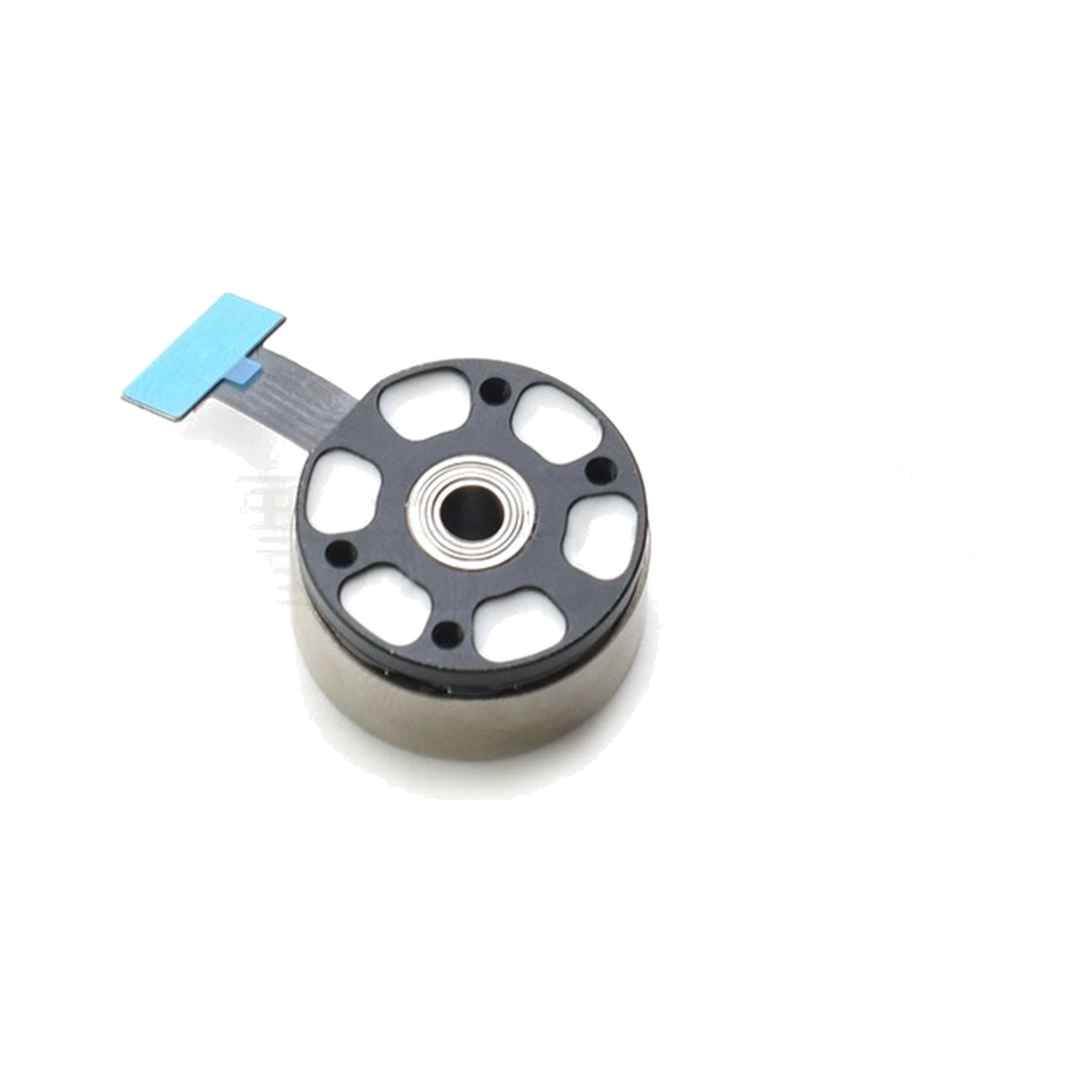
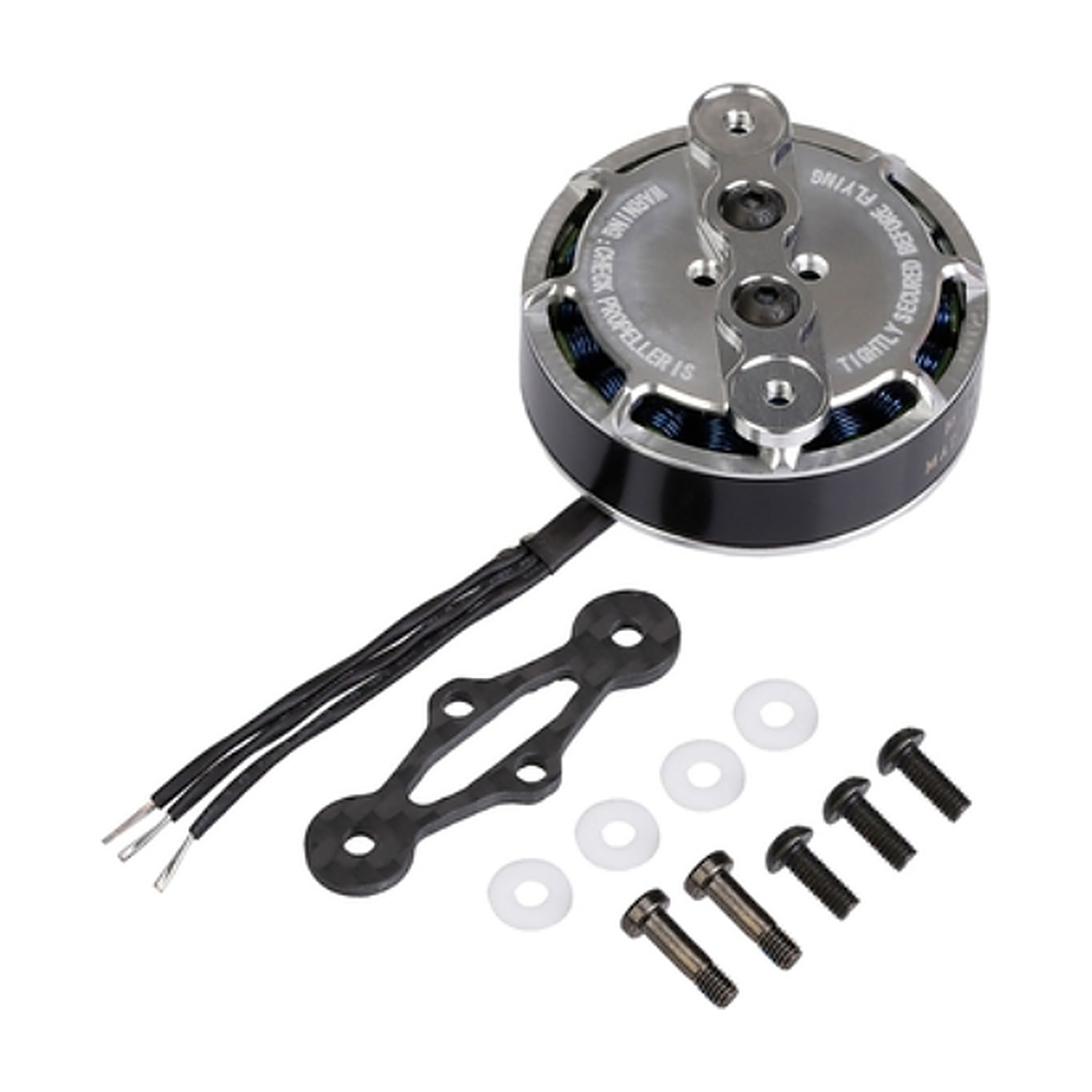
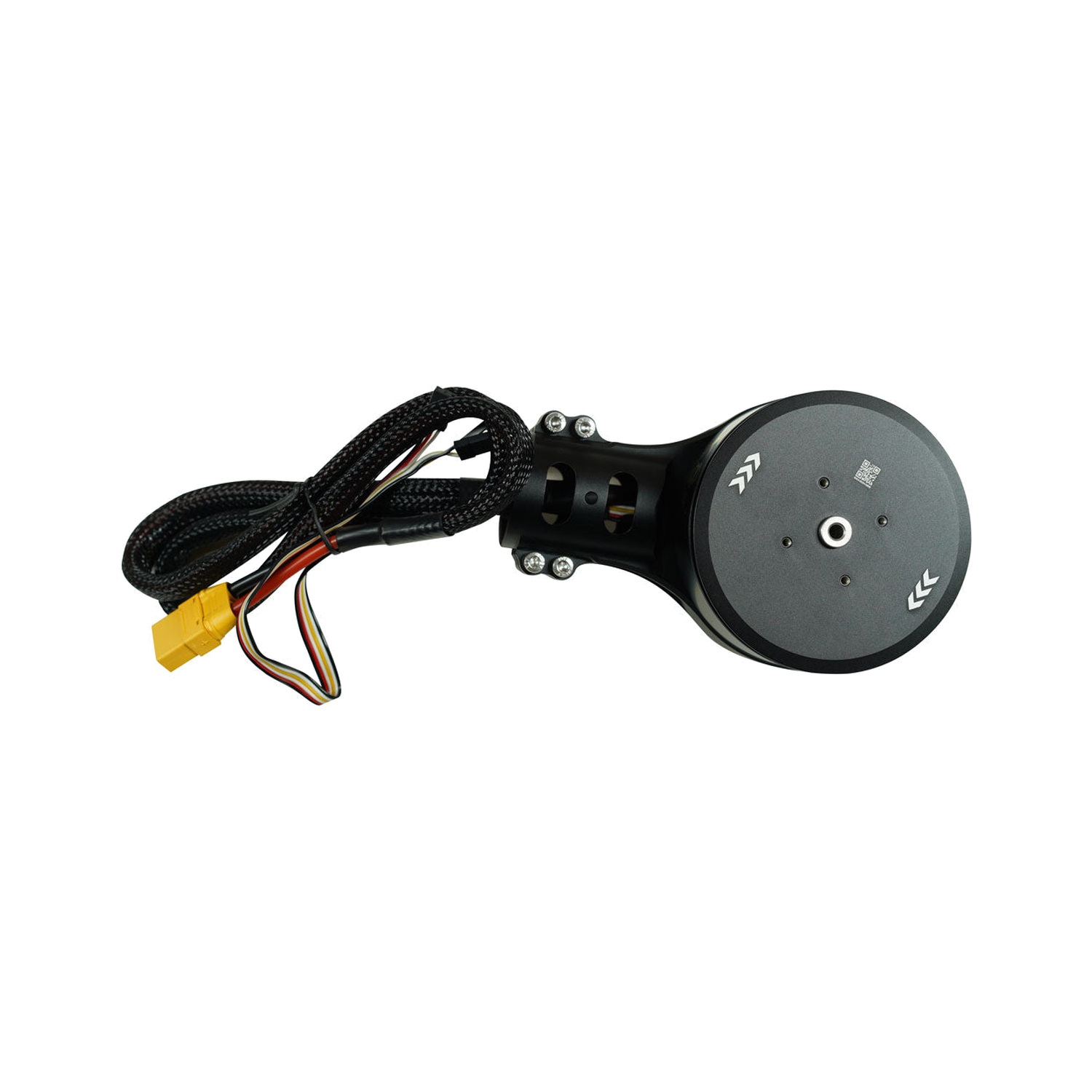
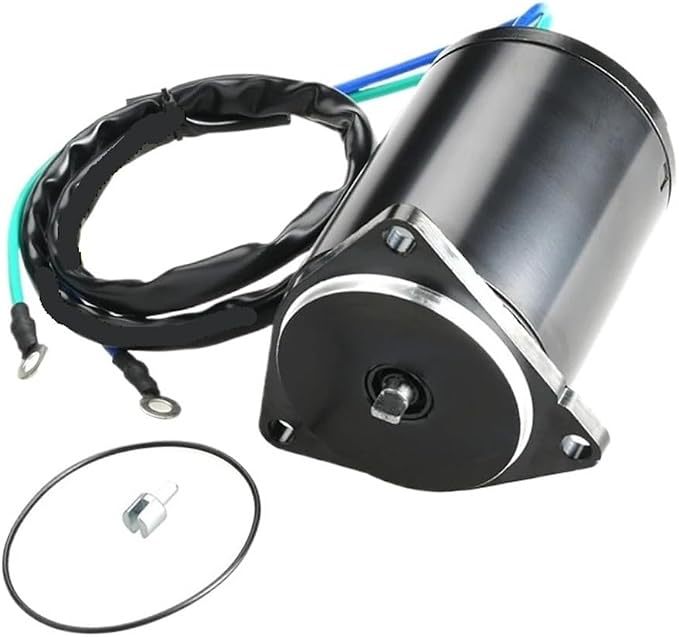
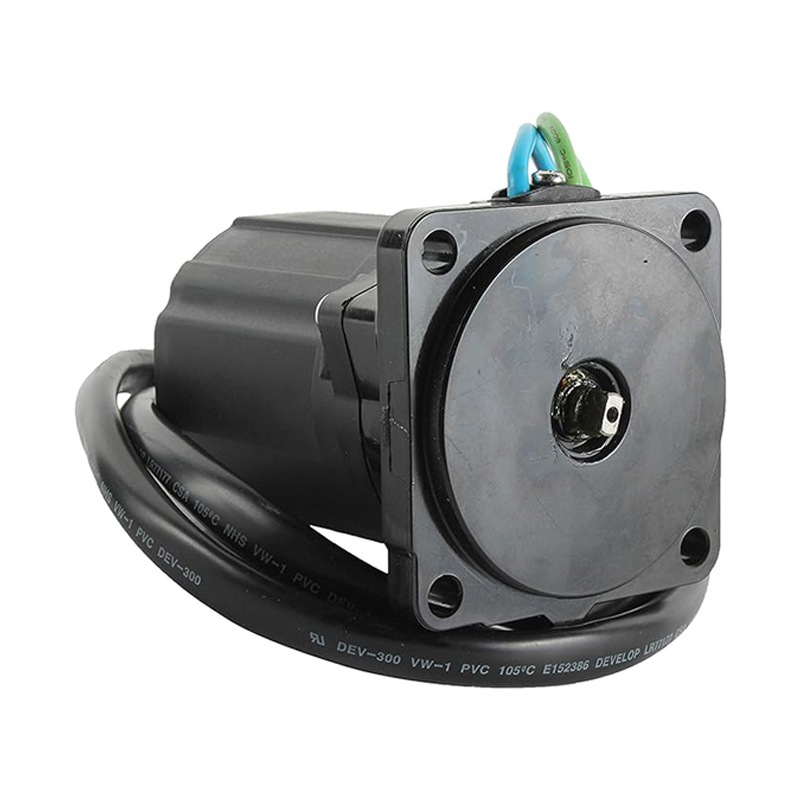
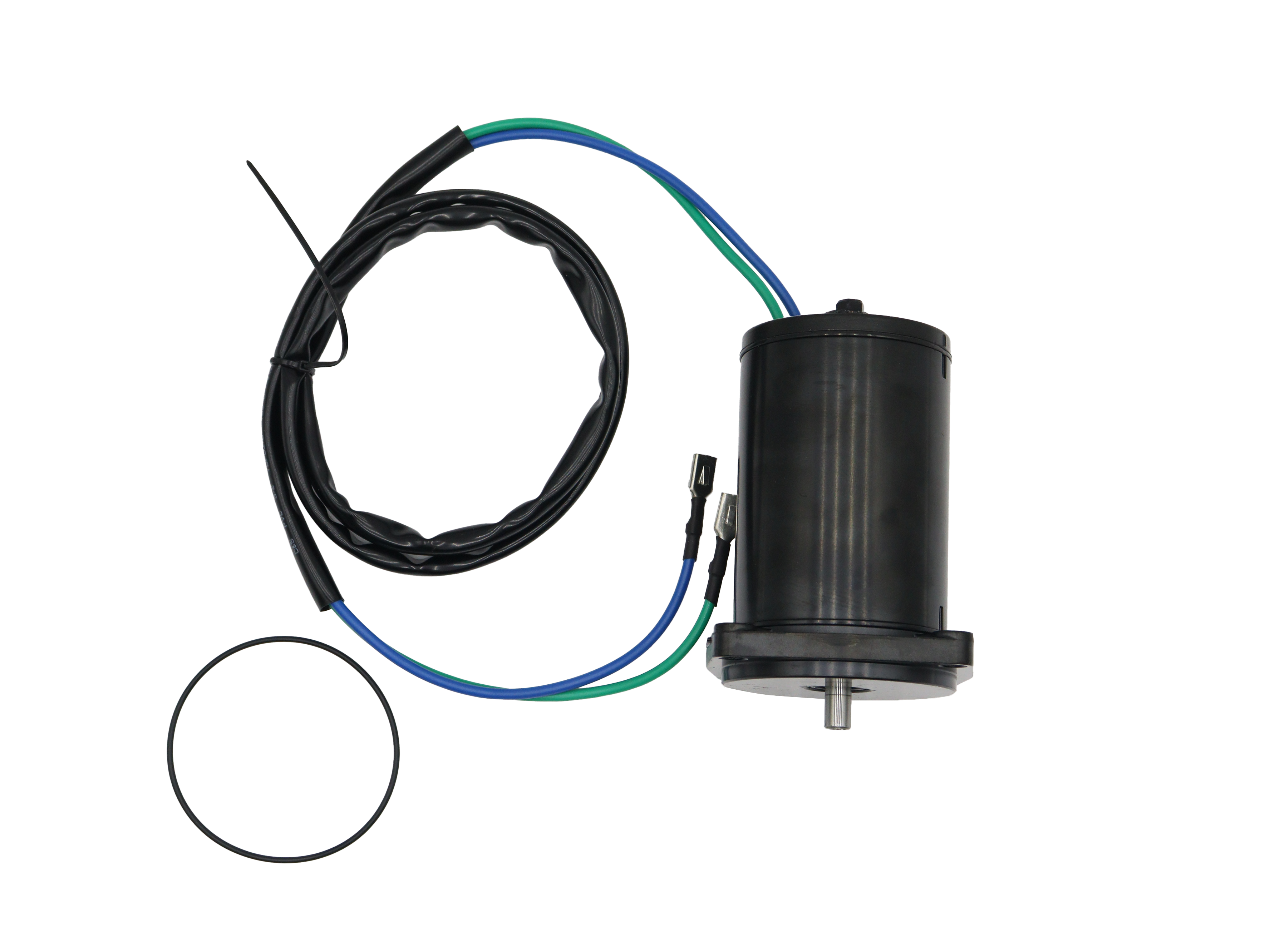
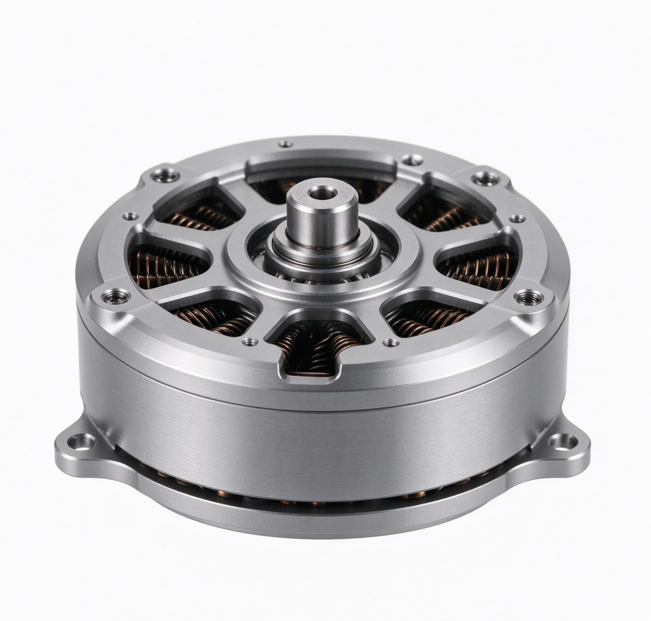
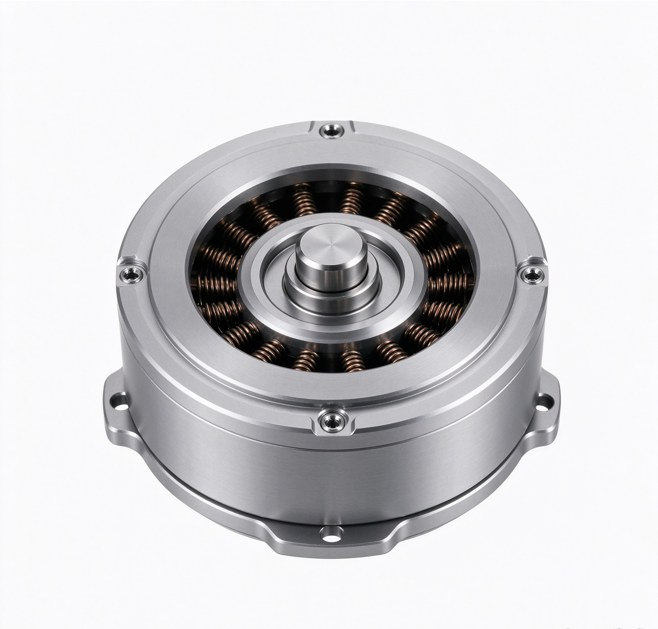
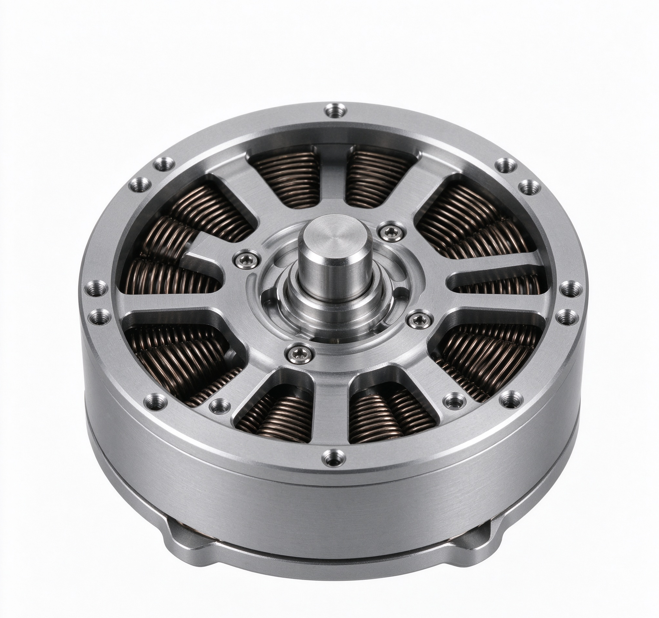
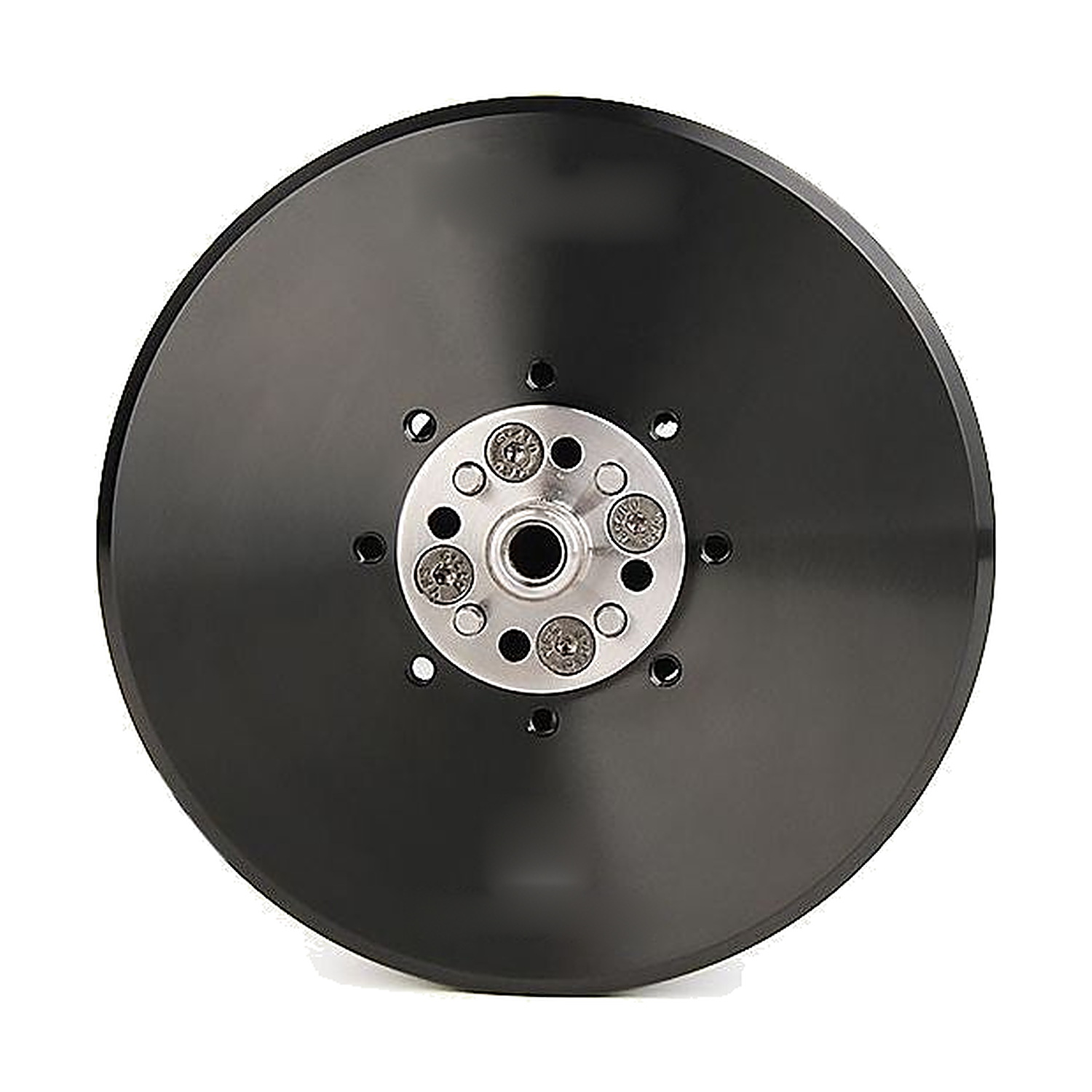
What it is. A 92 by 19 mm outrunner rated 650 W, one of four on a Freefly Astro. Three phase, ring terminals, four hole base, open spokes over a black bell. Small motor, light airframe, and a job that is measured in image quality rather than kilograms lifted.
The airframe. Astro is a folding quadcopter built to carry a camera and a gimbal, roughly 1.5 kg of payload, on two 6S packs at 21.6 V nominal. It is a tool for people who get paid for the shot, and the whole design is arranged around not shaking the camera.
Why that changes the motor spec. A cargo drone motor is judged on thrust per watt. A cinema motor is judged on how quietly it holds a hover. Same physics, different target, and it is why a can that looks interchangeable with a cargo motor is not.
Vibration is the failure mode you will notice. A worn bearing does not usually stop an Astro. It puts a ripple into the footage that shows up as jello on a long lens, and the operator blames the gimbal for a week before anyone touches the motors. Turn the bells by hand when the footage starts to drift.
The number. FRE-M09219 is ours. Freefly documents payload, flight time and airframe dimensions, and does not publish a motor part number. Match the arm, the bolt circle and the lead, and check the generation: Astro and Astro Max are not the same machine.
Changing one. Fold the arm out and lock it, prop off, four screws, one connector. The bell comes away with a pull, so keep it square. Hand seat the replacement and torque in a cross pattern. Nothing on this airframe likes to be forced.
Then balance. A new can on an old set will change the vibration signature. Re-run whatever balance routine you use and shoot a test clip on the longest lens you own before the next paid job. That clip is the only acceptance test that matters on this aircraft.
Keep it dry and keep it clean. Astro works in dust, salt spray and rain, and the open spokes let all of it in. Dry air, soft brush, and a dry case. Do not drown it and do not spin it with compressed air to dry the winding, because that drives grit straight into the bearing.
Numbers we leave alone. KV, thrust, stator stack and motor weight are not published for the Astro can. The 37 minute endurance, the 1.5 kg payload and the 21.6 V pack are airframe specifications, and a motor datasheet built out of them would be fiction.
In the box. One motor, three ring terminals. No folding propeller, no hub, no arm, no gimbal hardware. Six months against dead on arrival and winding faults. Samples from stock, twenty pieces starts a production run at fifteen to thirty days.
| Brand | Model | Model Code | Year |
|---|---|---|---|
| Freefly | Astro | FREEFLY-ASTRO | 2021–2026 |
Follow Us:


