
❮
❯
 Electrical & Ignition
 Starter Motor
 Carburetor
 Air Filter
 Hub motor
 Sensor
 Brake Caliper
 Other Parts
 Starter relay
 Engine & Drive
 Throttle body
 Fuel Filter
 Mid-drive motor
 Vacuum Valve
 Mirror
 Starter Drive
 Turbocharger
 Filtration System
 Oil Filter
 Charger
 Pressure Reducing Valve
 Combination
 Alternator
 Fuel Pump
 Cabin Filter
 EV & Robotics
 Electric Power Steering Motor
 Pressure Regulator
 Magneto Stator
 Water Pump
 Robot parts
 Sensors & Valves
 Dosing Valve
 Regulator
 Gearing
 Chassis & Body
 Ignition Coil
 Belt
 Other
 CDI
 Gasket
 Battery
 Transmission Solenoid Valve
 Ignition Key Switch
 Electronic Control Module
 Controller
 Carbon Brush
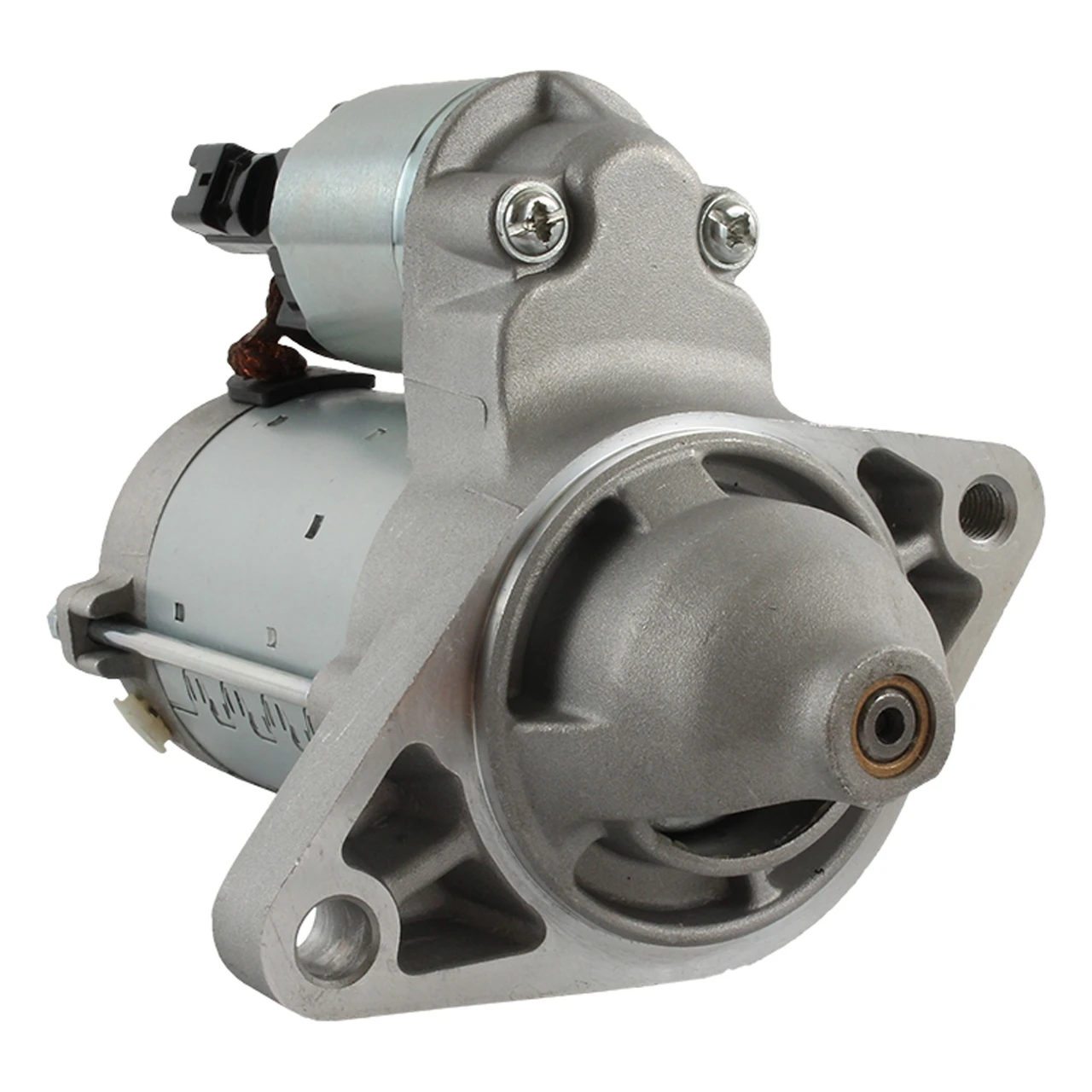
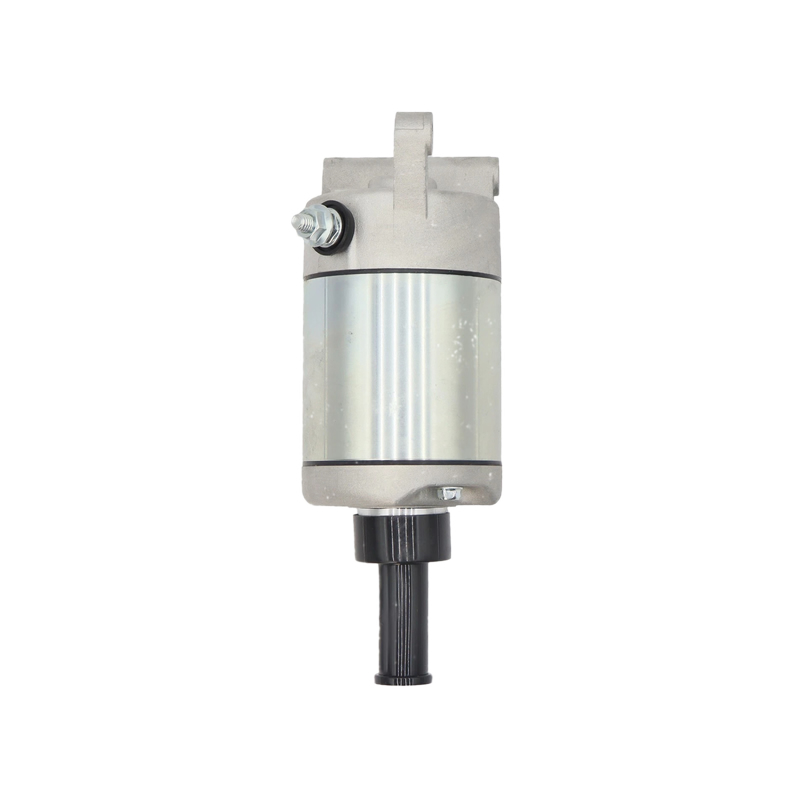
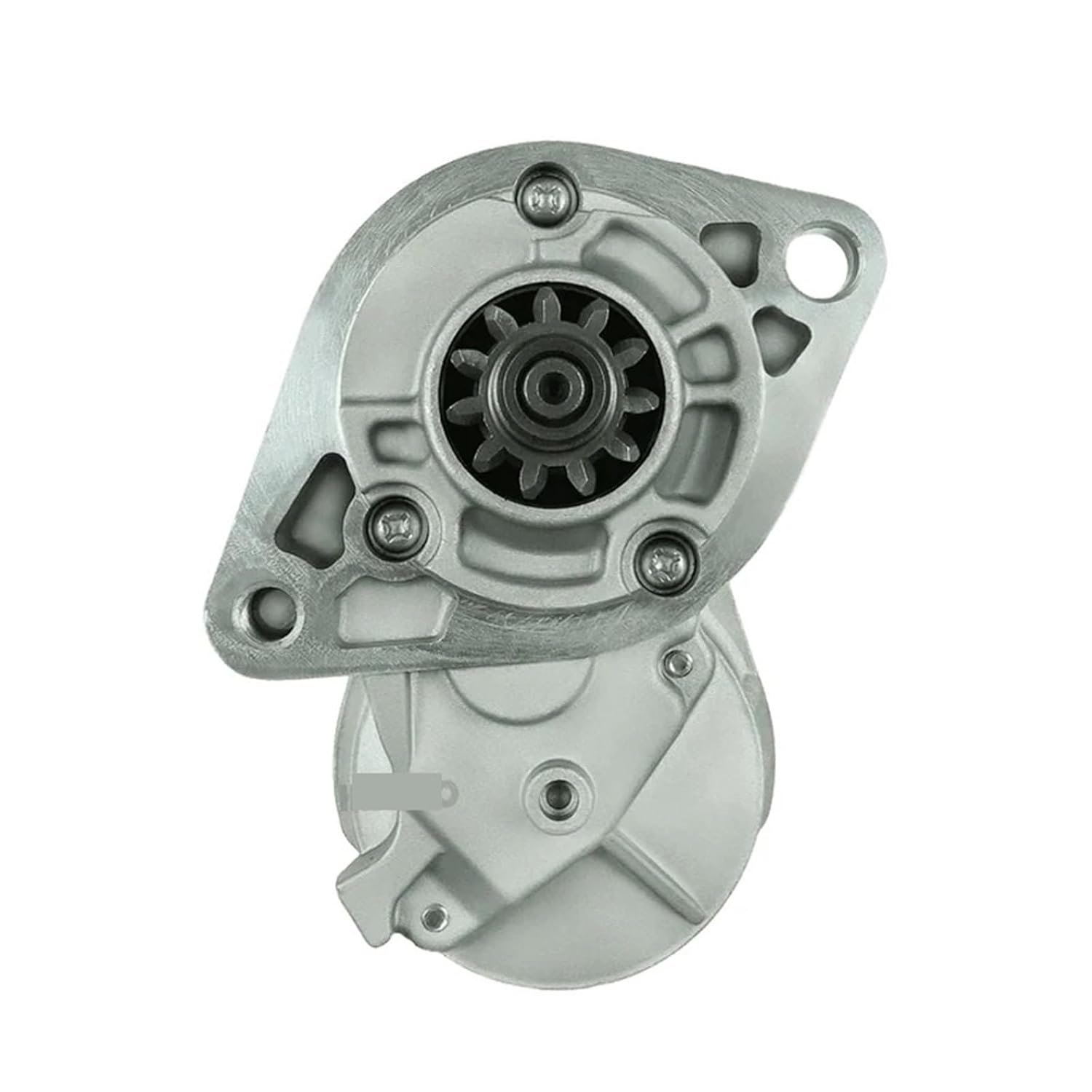
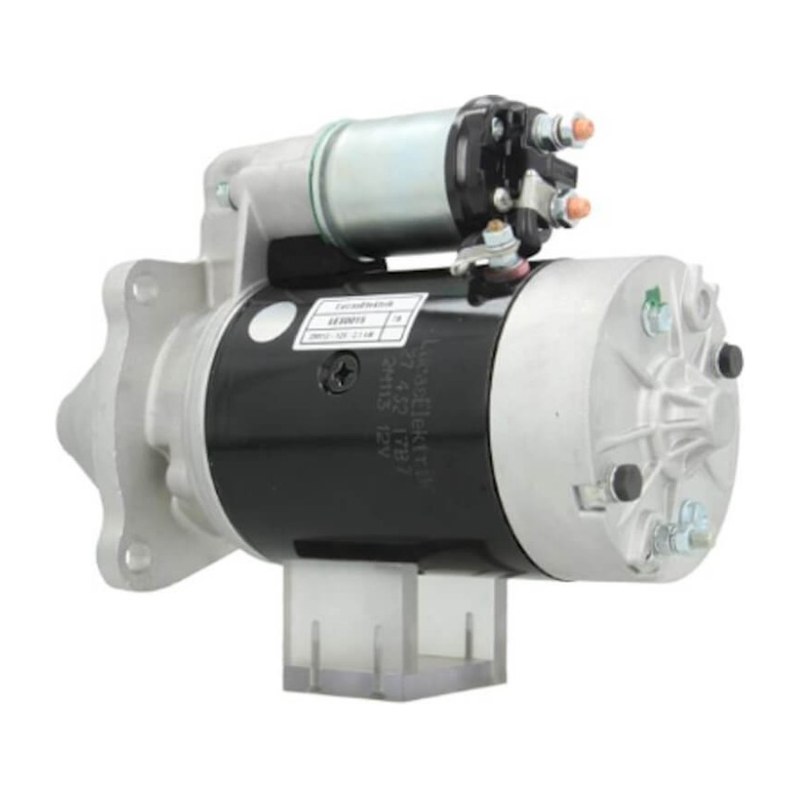

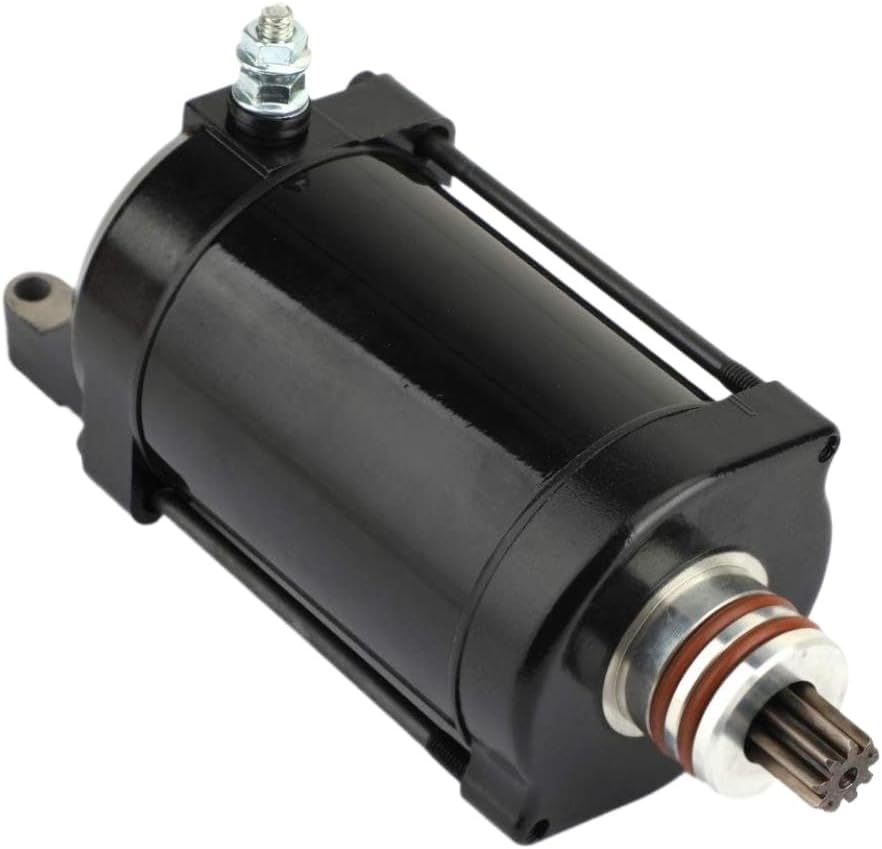
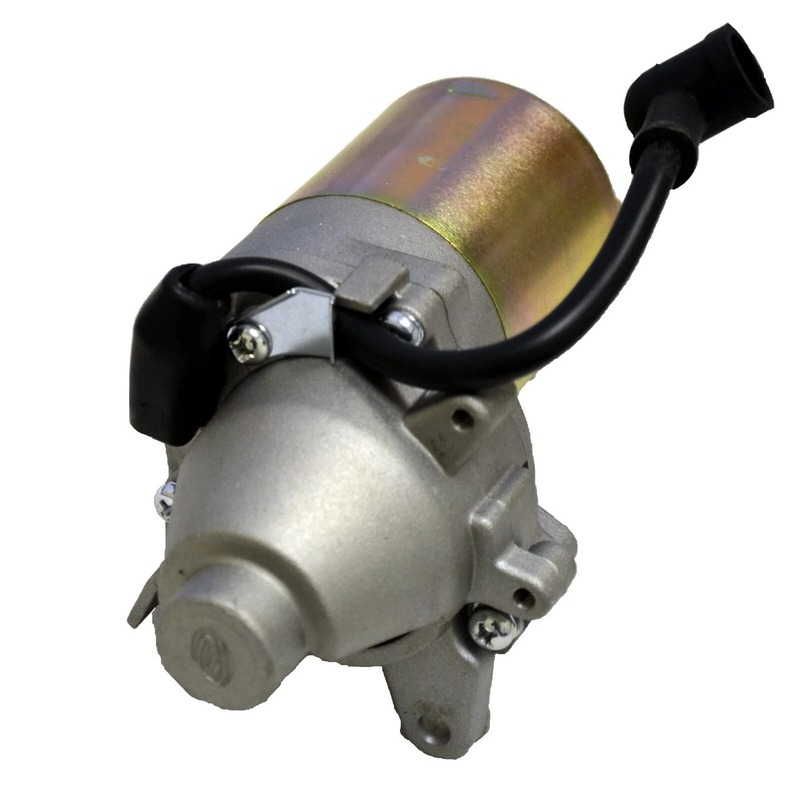
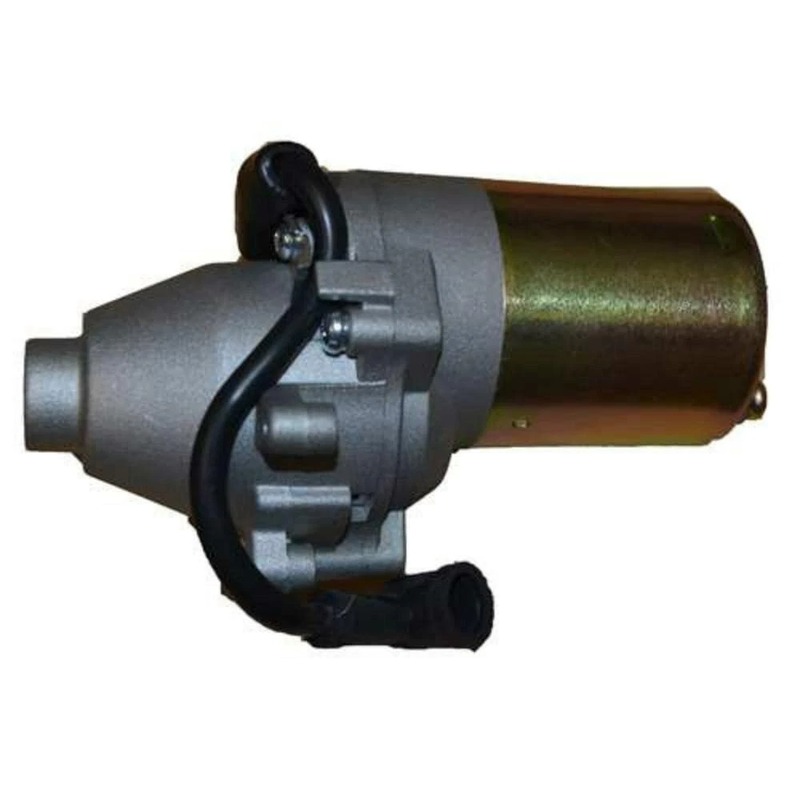
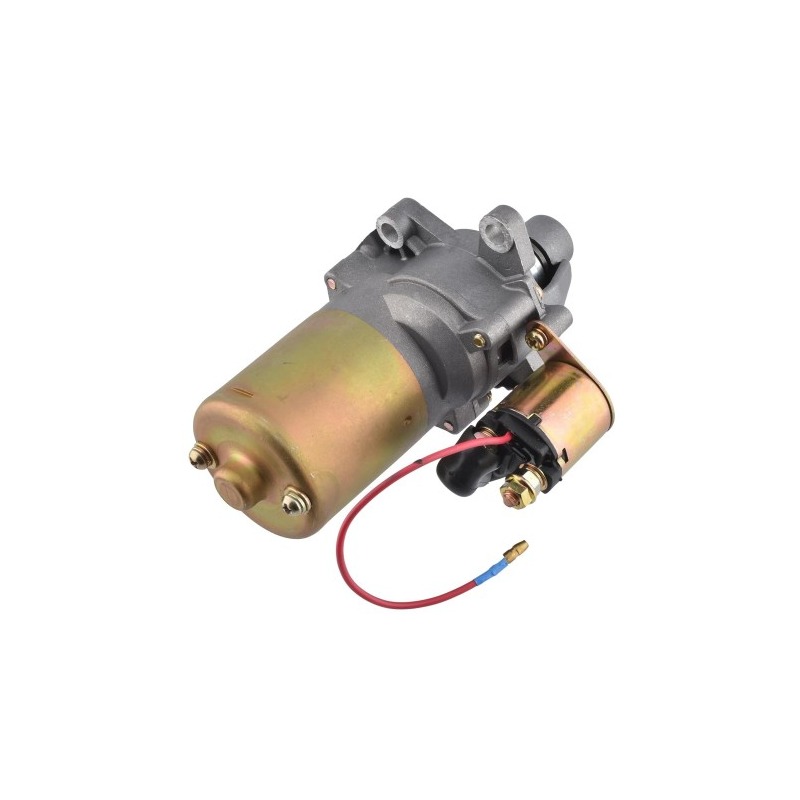
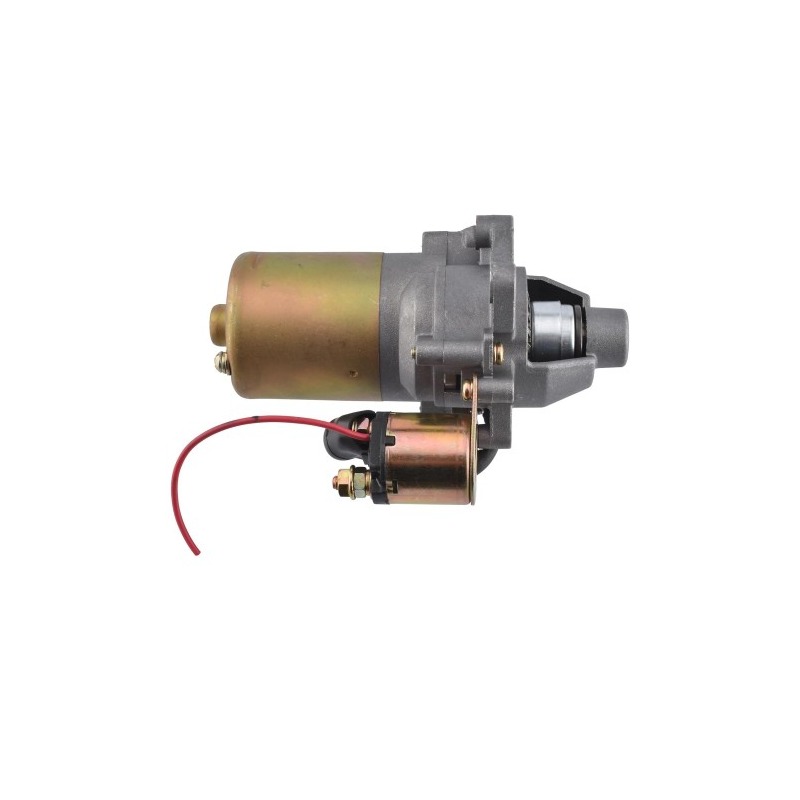
12V replacement starter motor reference for Honda GX140 / GX160 single-cylinder air-cooled general-purpose engines. Honda identifies 31210-ZE1-023 as a starter motor; the unit is a Mitsuba-built starter also listed under Mitsuba SM-11, and the same structure is widely reused by 168F-type clone engines.
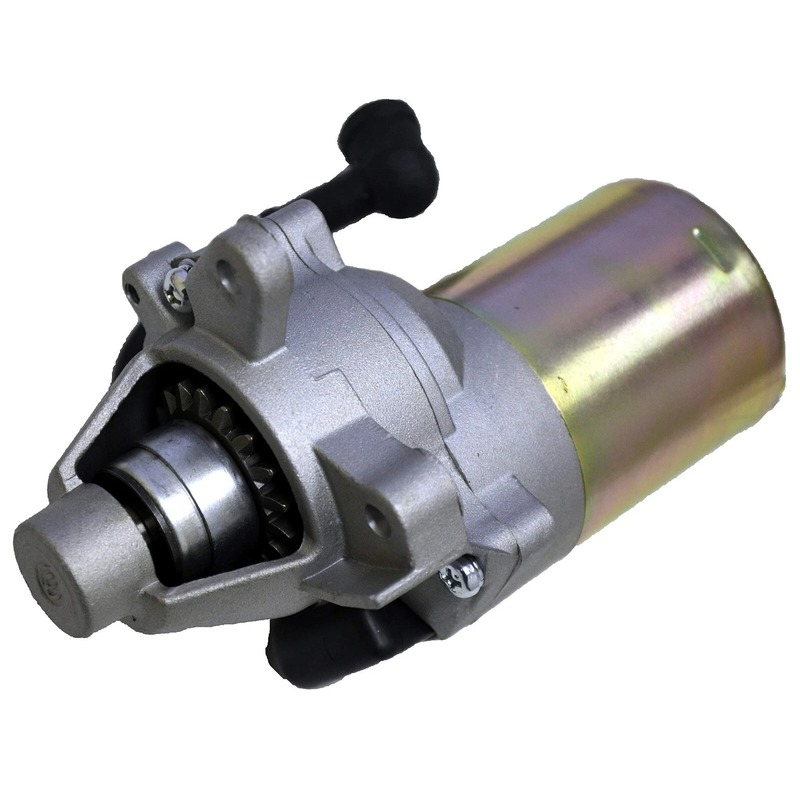
The Honda GX140 / GX160 platform - and the countless 168F-type clones built on the same structure - powers portable generators, water pumps, mini tillers, pressure washers and compact rollers across the world's largest small-engine installed base. These machines live outdoors, start dozens of times per day on job sites, and their Mitsuba-built starters are among the first electrical parts to fail. This starter reproduces the original 17-tooth pinion, integrated-solenoid layout, two-hole mounting pattern and B+ terminal exactly, so a workshop replaces the unit as a whole and moves on. For parts distributors, it is a high-turnover volume SKU on one of the biggest replacement markets in the small-engine category, and stocking it next to the 14-tooth Denso OSGR starter for GX340 / GX390 keeps the two GX families clearly separated.
The unit is a Mitsuba integrated-solenoid design: the solenoid sits directly on the starter body, and turning the key energizes it first, sliding the 17-tooth pinion into mesh with the flywheel ring gear before the main contacts close and apply full battery voltage - the two-step sequence that prevents tooth-on-tooth grinding. The copper-wound armature then spins inside a ring of ferrite magnets, and the pinion is fixed directly to the armature shaft, so cranking response is immediate. Rotation is counter-clockwise viewed from the pinion end, matching the GX flywheel. The two plain 7 mm mounting holes and the 55.5 mm flange locate the pinion-to-ring-gear clearance exactly as the factory unit did, which keeps engagement quiet and complete.
GX160-class equipment usually arrives at the shop with one of four complaints. First, slow cranking that worsens when the engine is hot, caused by weak brush contact or dragging magnets inside the worn original. Second, a grinding or slipping noise from pinion teeth that no longer mesh fully with the ring gear. Third, intermittent no-start from arced or contaminated commutator surfaces after a season of outdoor storage. Fourth, a single click with no cranking from burned solenoid contacts. Replacing the complete starter clears all four in one step instead of chasing parts inside a worn unit. One caution before ordering: the 17-tooth pinion and integrated solenoid are the identification features of this unit - do not confuse it with the 14-tooth Denso OSGR starter used on Honda GX340 / GX390. Count the teeth on the removed pinion before you buy.
For repair shops, one correctly matched starter returns a generator, pump or tiller to work the same day, with no drilling, tapping, or wiring changes in between. For dealers and distributors, the numbers work: 50-unit minimum order, 7-30 day lead time, 12-month warranty, and unit pricing well below OEM supply channels, leaving room for margin at a competitive shelf price on a fast-moving SKU. Production follows ISO 9001, IATF 16949, and CE practices, and consistent cross-references to Mitsuba SM-11, Lester 18524, and Stens 435-070 keep ordering by catalog number straightforward and returns low.
| Brand | Model | Model Code | Year |
|---|---|---|---|
| Honda | Honda GX160 (single-cylinder OHV 5.5 HP) | GX160 | 1985–2026 |
Follow Us:


