
❮
❯
 Electrical & Ignition
 Starter Motor
 Carburetor
 Air Filter
 Hub motor
 Sensor
 Brake Caliper
 Other Parts
 Starter relay
 Engine & Drive
 Throttle body
 Fuel Filter
 Mid-drive motor
 Vacuum Valve
 Mirror
 Starter Drive
 Turbocharger
 Filtration System
 Oil Filter
 Charger
 Pressure Reducing Valve
 Combination
 Alternator
 Fuel Pump
 Cabin Filter
 EV & Robotics
 Electric Power Steering Motor
 Pressure Regulator
 Magneto Stator
 Water Pump
 Robot parts
 Sensors & Valves
 Dosing Valve
 Regulator
 Gearing
 Chassis & Body
 Ignition Coil
 Belt
 Other
 CDI
 Gasket
 Battery
 Transmission Solenoid Valve
 Ignition Key Switch
 Electronic Control Module
 Controller
 Carbon Brush
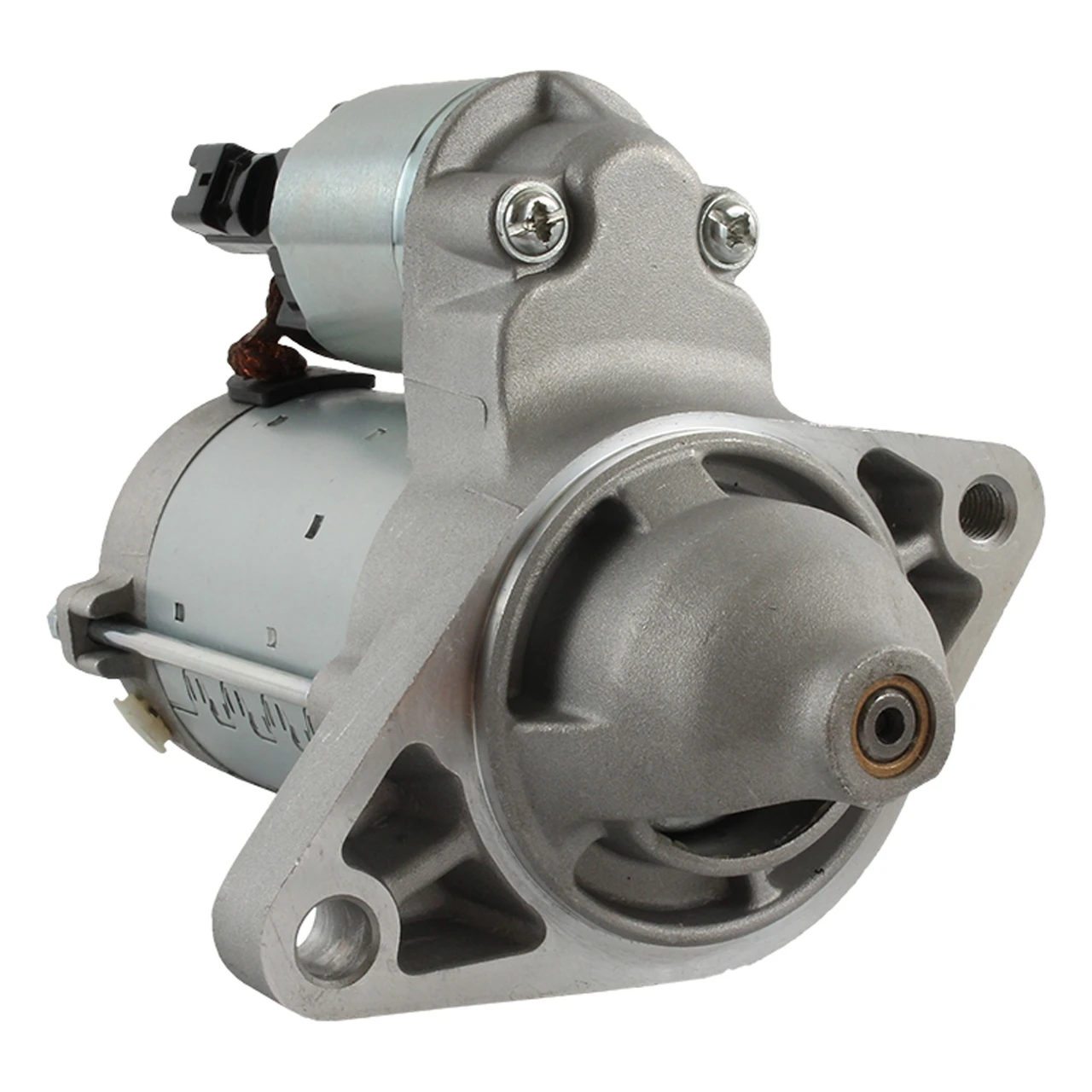
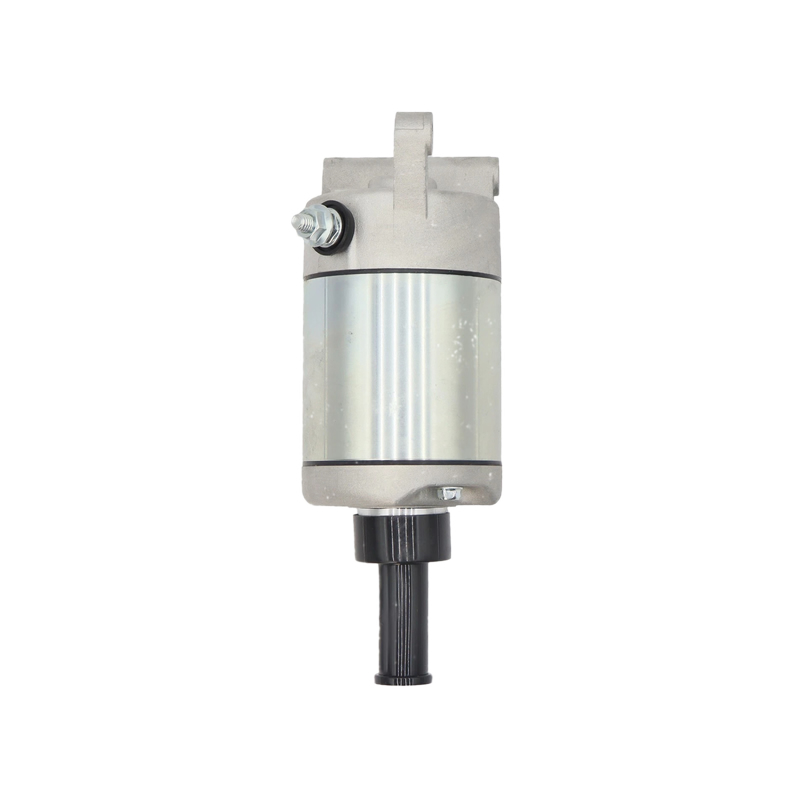
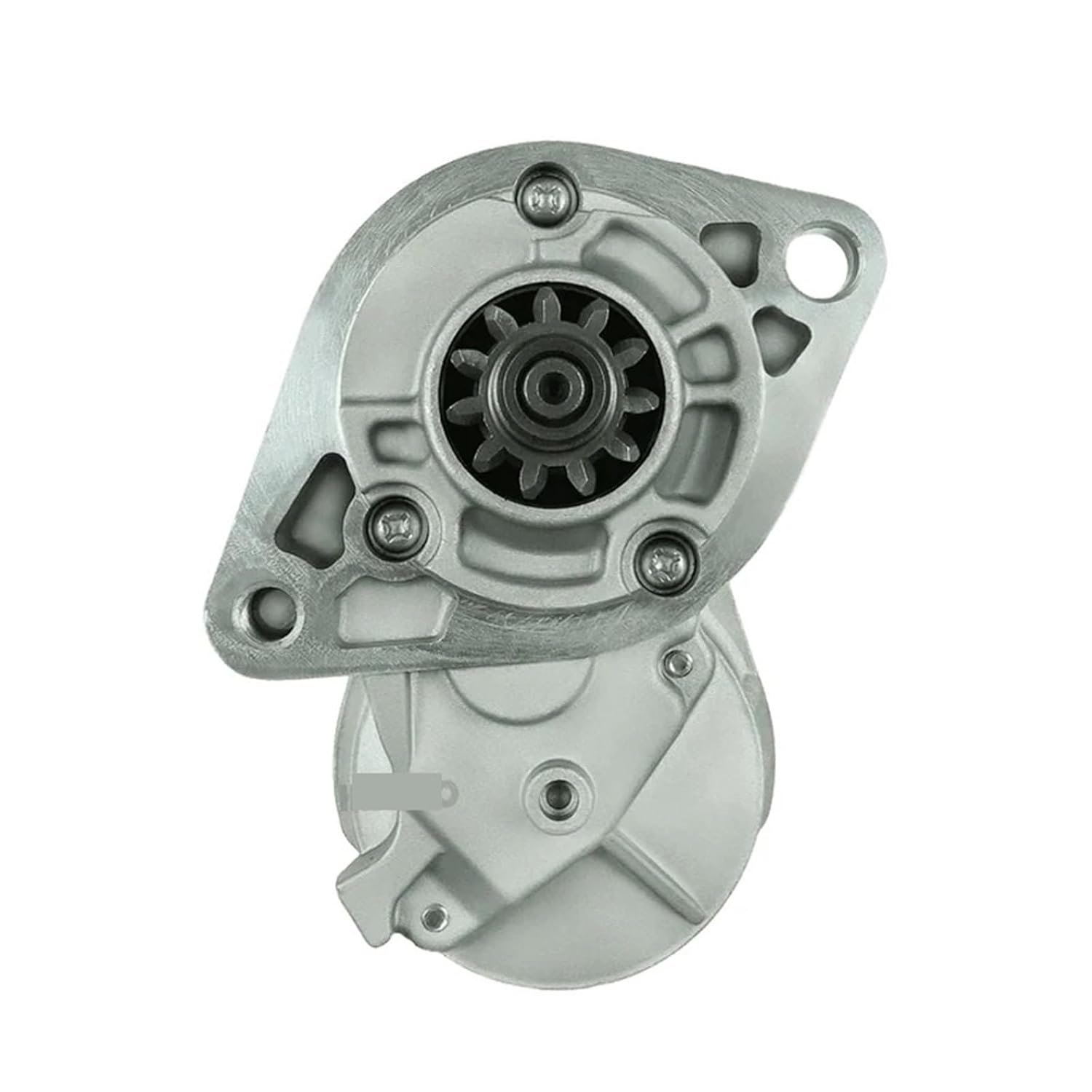
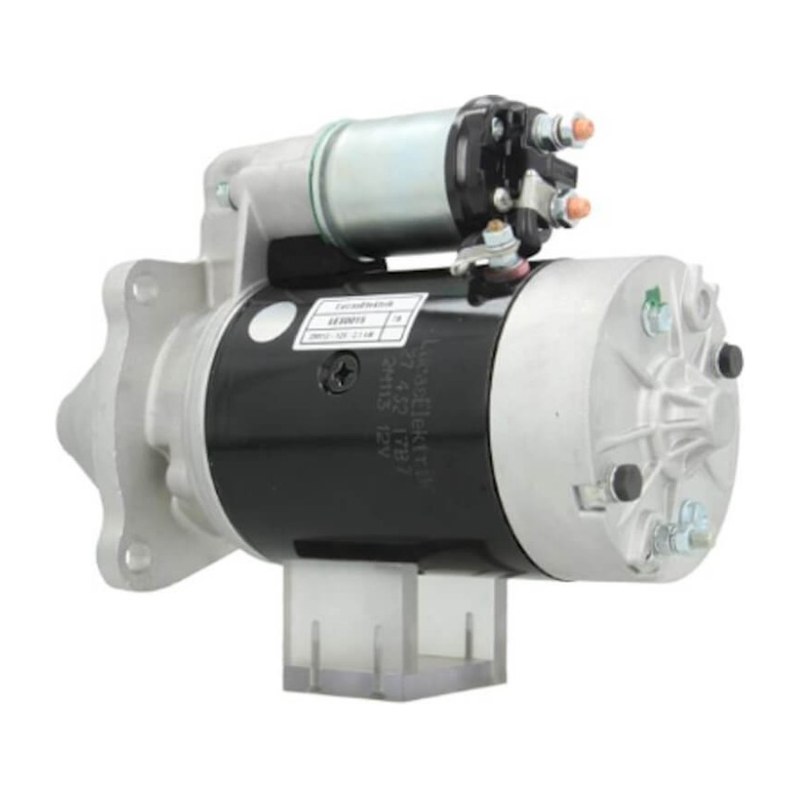

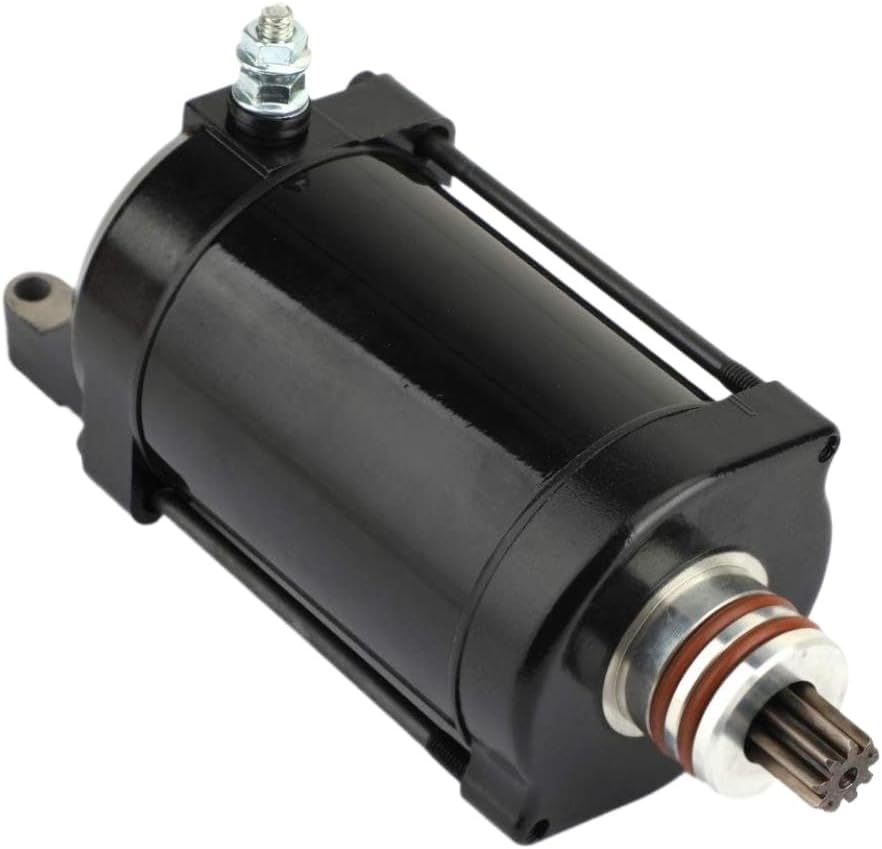
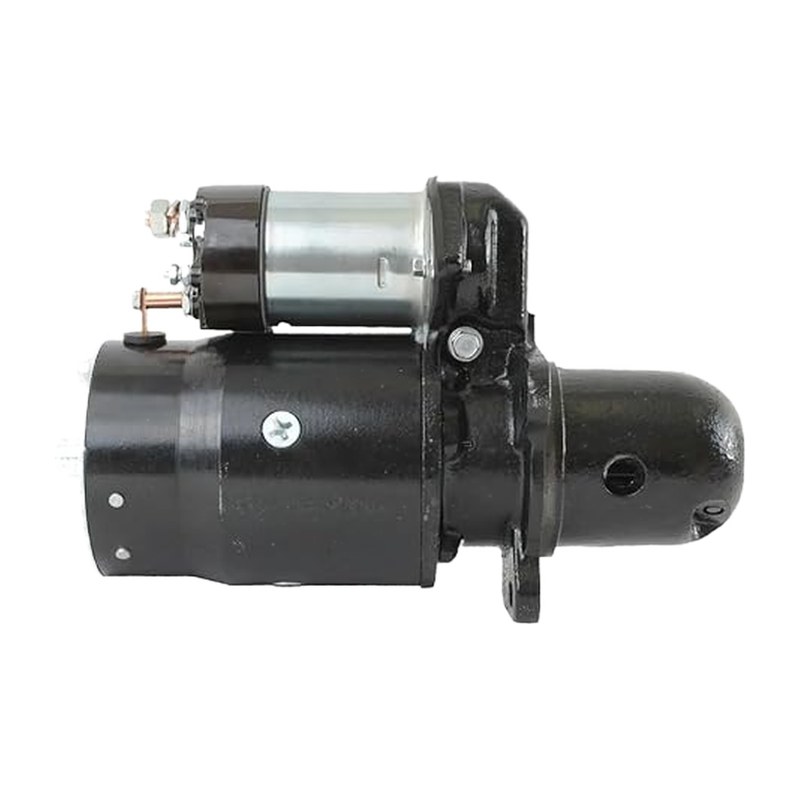
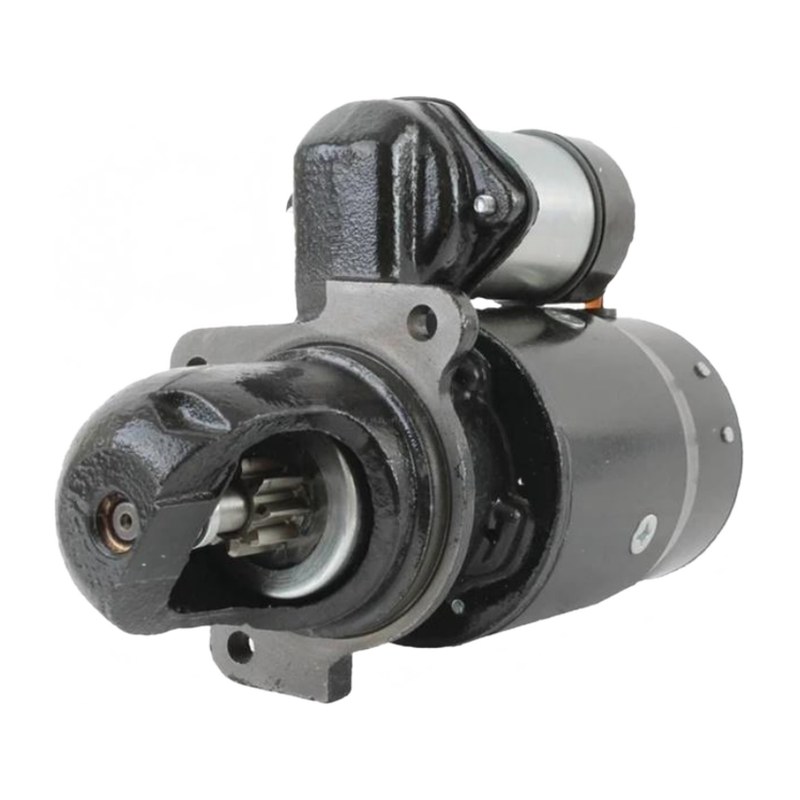
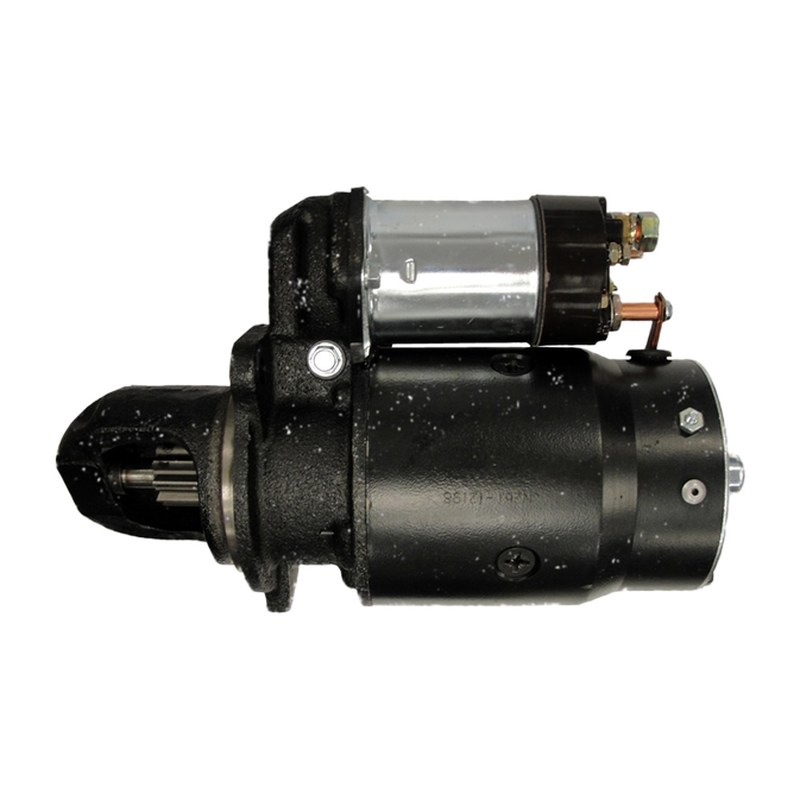
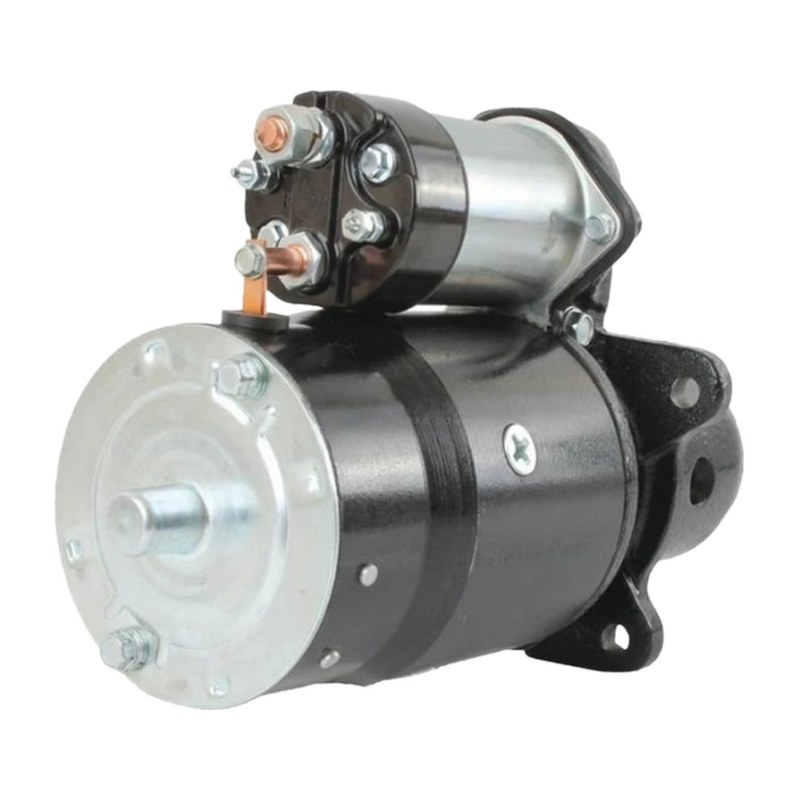
A 4020 on petrol or LP-gas is an old tractor that mostly still behaves, and the starter rarely quits without warning — first the crank turns lazy on a cool morning, then one day you hear the click and nothing else, and that is usually the solenoid done. The unit sold here carries John Deere reference AR11160. TY1435 turns up as its substitute in Deere's own parts listing, so an old invoice with either number written on it points at the same box.
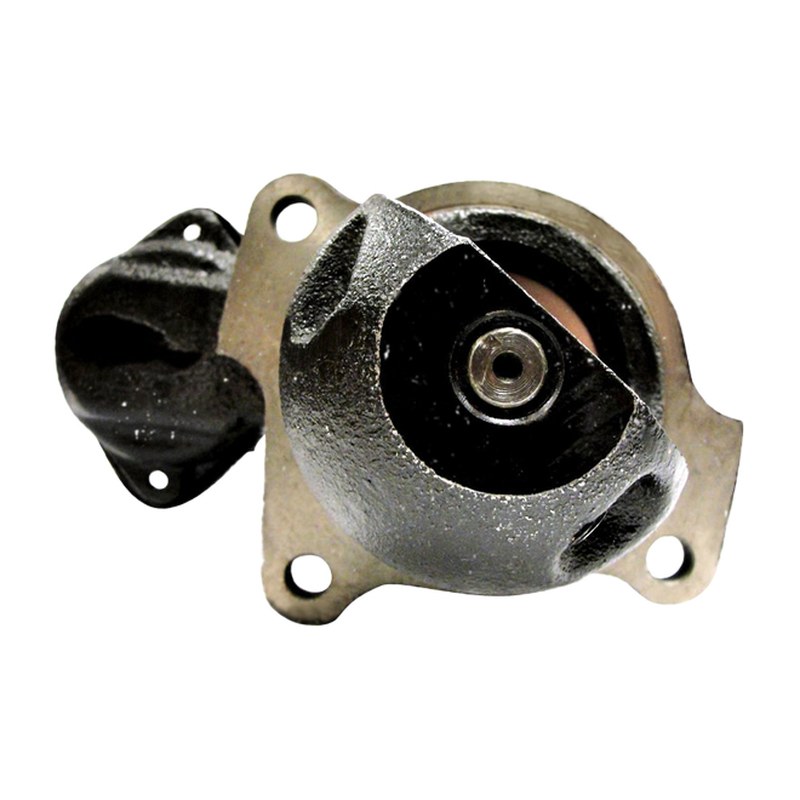
Inside there is nothing exotic, which is the point. The catalogs that list AR11160 keep it plain — a 12 V direct-drive unit with nine teeth on the pinion turning clockwise and the three-bolt flange those petrol and LP-gas 4020s carried out of Mannheim — so current runs straight through to the armature, the drive engages the flywheel ring gear, and there is no planetary set in the middle wearing out or rattling loose on a tractor this age.
Before money changes hands, settle the fuel type, because AR11160 belongs to the gasoline and LP-gas builds and the diesel 4020 takes a different starter entirely, a mistake dealers see more often than anyone admits. After that it is an ordinary job, the kind you do between other jobs — battery off, three flange bolts out, cables moved across one at a time so nothing lands on the wrong stud, and the tractor is back for evening chores instead of sitting in a workshop queue.
We do not invent figures here, so rated power, cranking speed, mounting dimensions and certification all stay unspecified until someone can confirm them against a real unit, which is why the listing reads the way it does. A photograph of the plate on the starter you are removing settles most of the back and forth, and if the tractor serial and engine details go across with the quantity and where it should ship, the supplier can put price, stock, dispatch and warranty into the quote from there.
| Brand | Model | Model Code | Year |
|---|---|---|---|
| John Deere | John Deere 4020 Gas/LP-Gas Tractor | 4020-GAS-LPG | 1963–1972 |
Follow Us:


