
❮
❯
 Electrical & Ignition
 Starter Motor
 Carburetor
 Air Filter
 Hub motor
 Sensor
 Brake Caliper
 Other Parts
 Starter relay
 Engine & Drive
 Throttle body
 Fuel Filter
 Mid-drive motor
 Vacuum Valve
 Mirror
 Starter Drive
 Turbocharger
 Filtration System
 Oil Filter
 Charger
 Pressure Reducing Valve
 Combination
 Alternator
 Fuel Pump
 Cabin Filter
 EV & Robotics
 Electric Power Steering Motor
 Pressure Regulator
 Magneto Stator
 Water Pump
 Robot parts
 Sensors & Valves
 Dosing Valve
 Regulator
 Gearing
 Chassis & Body
 Ignition Coil
 Belt
 Other
 CDI
 Gasket
 Battery
 Transmission Solenoid Valve
 Ignition Key Switch
 Electronic Control Module
 Controller
 Carbon Brush
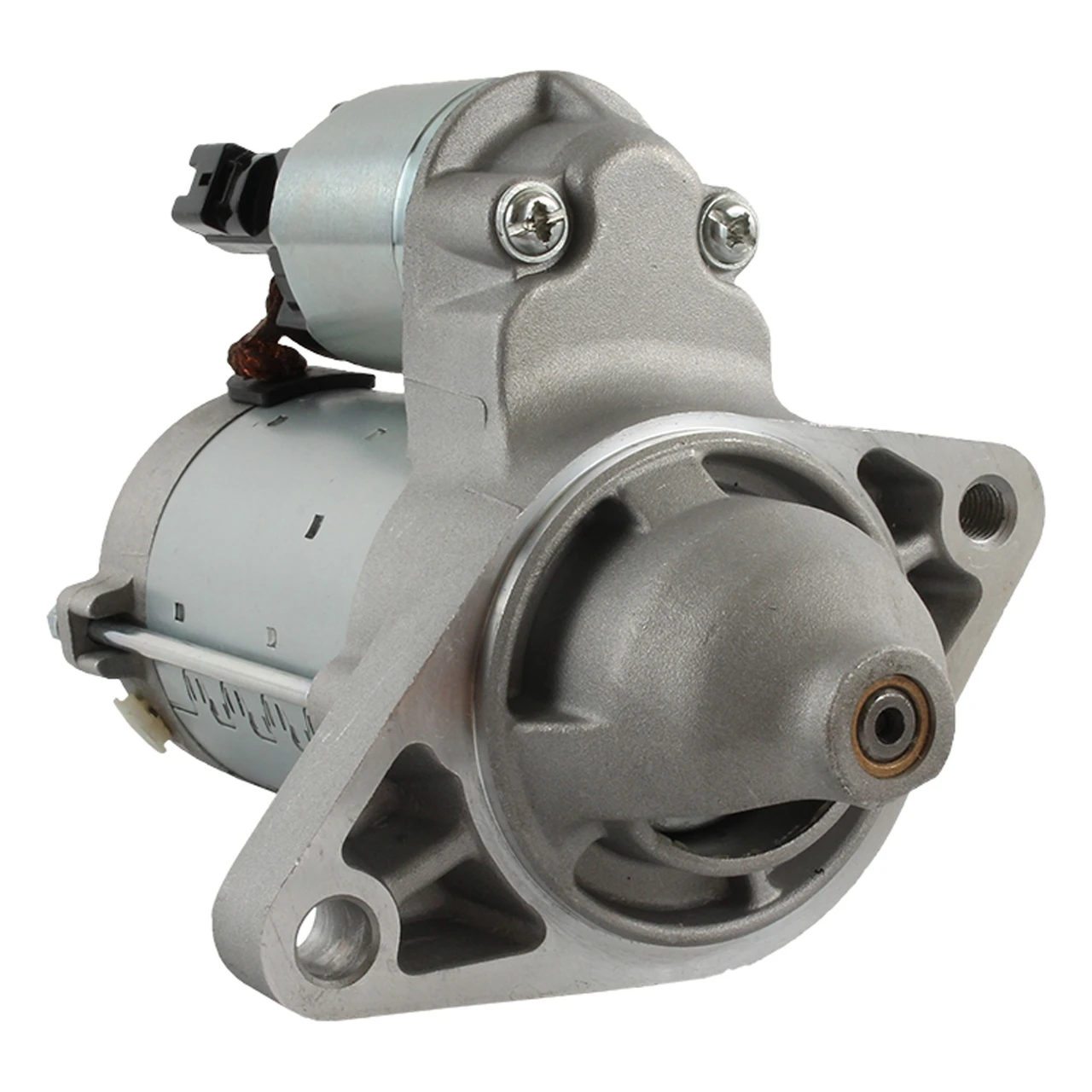
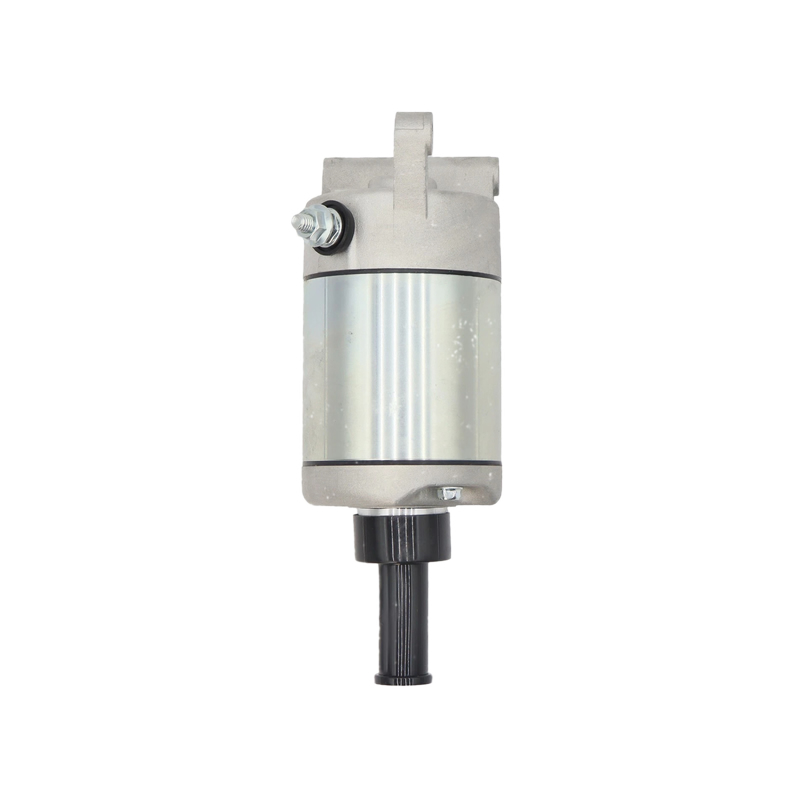
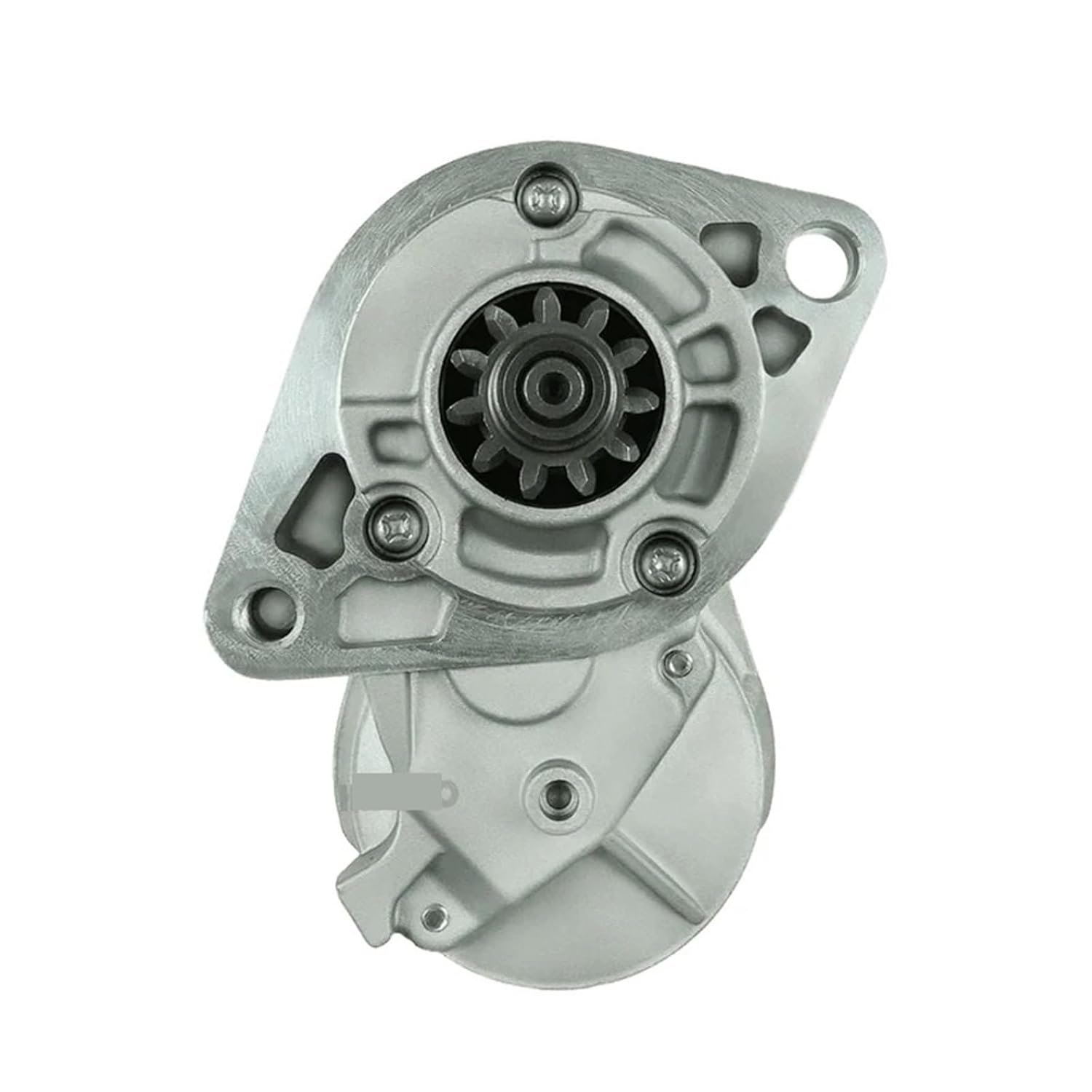
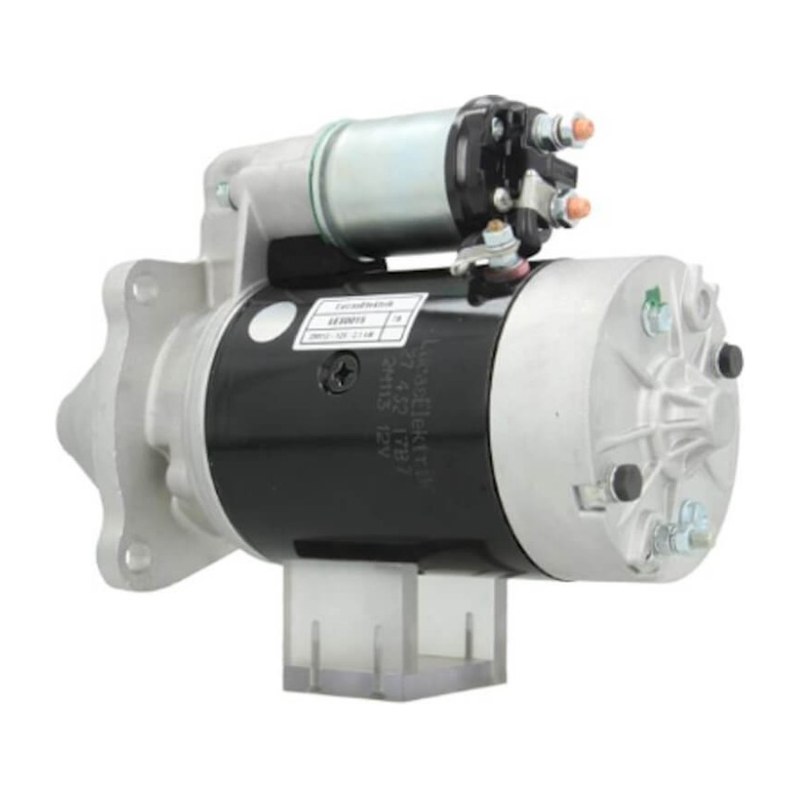

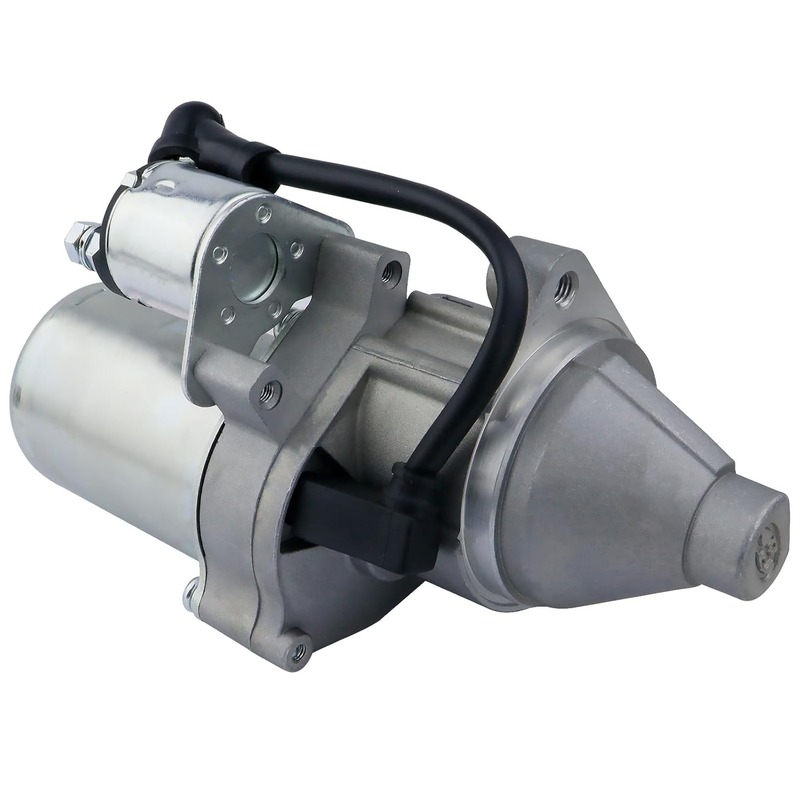
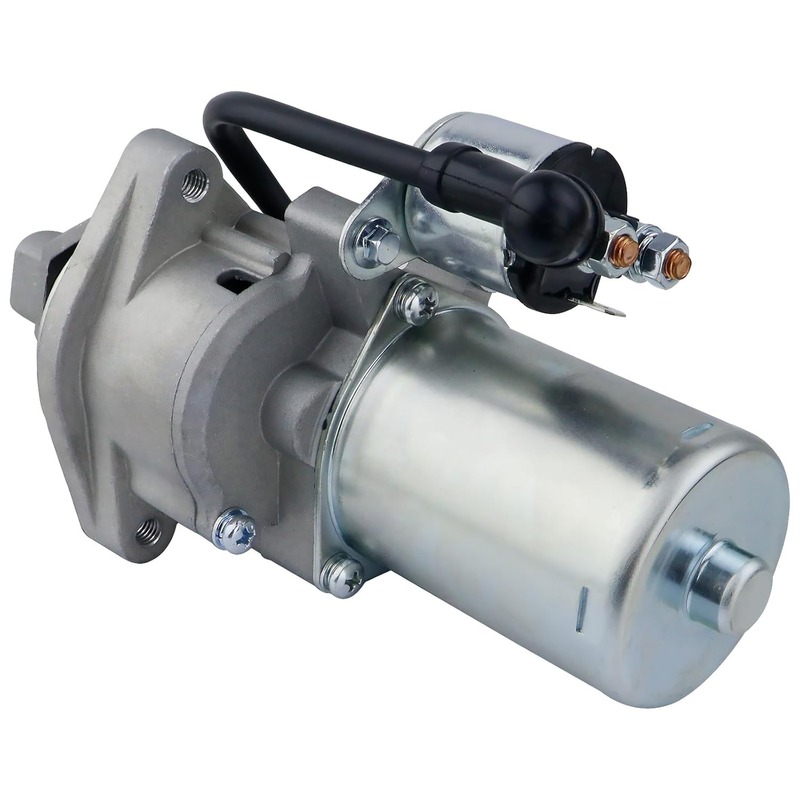
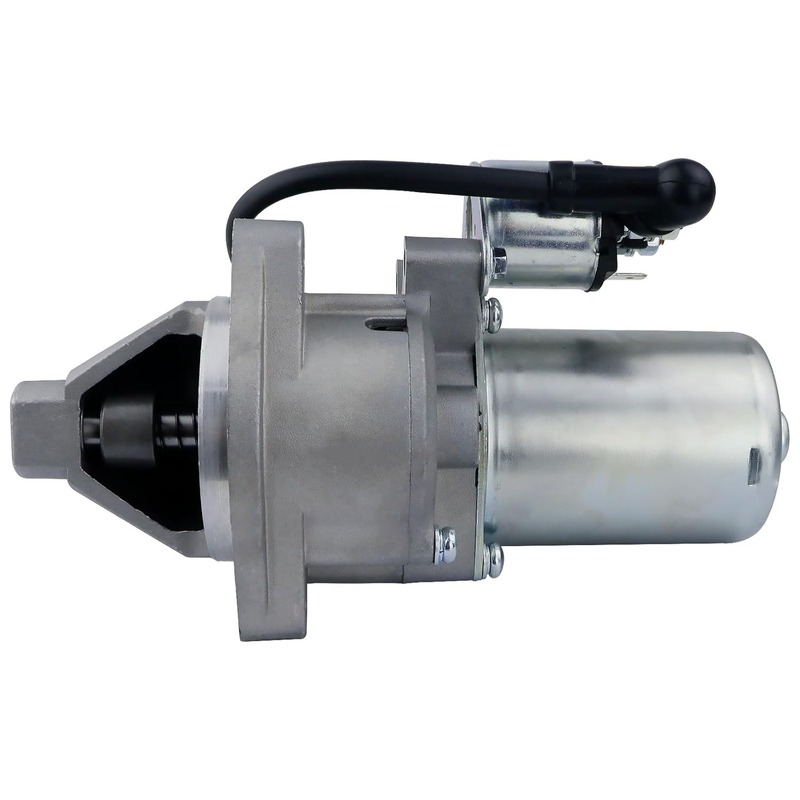
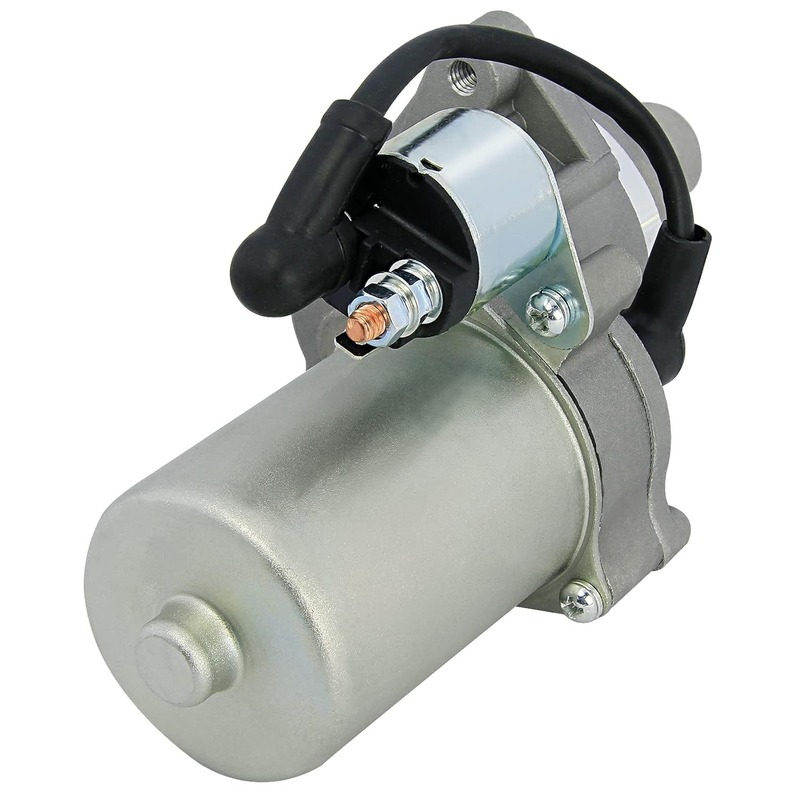
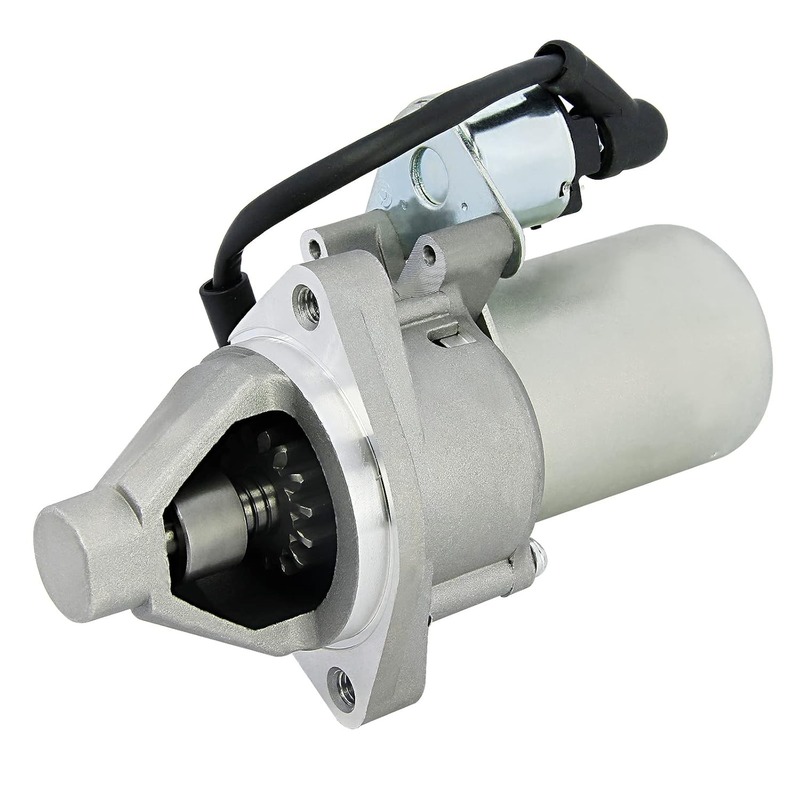
12V replacement starter motor reference for Honda GX340 / GX390 / GX420 single-cylinder air-cooled engines, circulated under the Toro part number 31210-ZB8-0130. The unit is a Denso OSGR gear-reduction starter, also listed under Honda 31210-ZE3-013 and Denso 128000-2750, for construction and commercial equipment.
Honda GX340 / GX390 engines power Toro Dingo TX-413 skid-steer loaders, Vermeer trenchers, Ditch Witch units and a wide range of construction and commercial machines that start and stop dozens of times per working day, and the starter is among the first electrical parts to wear out under that duty cycle. When it fails, the machine sits idle while the owner sorts through three part numbers (Honda, Denso, Toro) for the same unit. This starter carries all three reference channels and reproduces the original 14-tooth pinion, threaded mounting pattern and terminal position exactly, so a workshop replaces the unit as a whole and moves on. For parts distributors, one SKU serves both the construction-equipment market and the lawn-and-garden market, and stocking it next to the 17-tooth 31210-ZE1-023 covers the GX-family range with clear separation between the two.
The unit is a Denso OSGR gear-reduction starter: an internal gear train steps the high-speed armature down to the pinion, multiplying torque so a 0.5 kW motor can crank a 389 cc engine without heavy battery draw. Turning the key energizes the integrated solenoid first, sliding the 14-tooth pinion into mesh with the flywheel ring gear before the main contacts close and apply full battery voltage - the two-step sequence that prevents tooth-on-tooth grinding. Rotation is counter-clockwise viewed from the pinion end, matching the GX flywheel. The two M8 x 1.25 threaded mounting holes locate the pinion-to-ring-gear clearance exactly as the factory unit did, which keeps engagement quiet and complete.
Dingo and GX-powered machines usually arrive at the shop with one of four complaints. First, slow cranking that worsens when the engine is hot, caused by weak brush contact or dragging magnets inside the worn original. Second, a grinding or slipping noise from pinion teeth that no longer mesh fully with the ring gear. Third, intermittent no-start from arced or contaminated commutator surfaces. Fourth, a single click with no cranking from burned solenoid contacts. Replacing the complete starter clears all four in one step instead of chasing parts inside a worn unit. One caution before ordering: do not confuse this 14-tooth Denso OSGR unit with the 17-tooth Mitsuba starter (31210-ZE1-023) used on Honda GX160 - count the teeth on the removed pinion before you buy.
For repair shops, one correctly matched starter returns the machine to work the same day, with no drilling, tapping, or wiring changes in between. For dealers and distributors, the numbers work: 50-unit minimum order, 7-30 day lead time, 12-month warranty, and unit pricing well below OEM supply channels, leaving room for margin at a competitive shelf price. Production follows ISO 9001, IATF 16949, and CE practices, and consistent cross-references to Honda 31210-ZE3-013, Denso 128000-2750, and Lester 18513 keep ordering by catalog number straightforward and returns low.
| Brand | Model | Model Code | Year |
|---|---|---|---|
| Honda | Honda GX340 (single-cylinder OHV 11 HP) | GX340 | 1985–2026 |
| Honda | Honda GX390 (single-cylinder OHV 13 HP) | GX390 | 1985–2026 |
Follow Us:


