
❮
❯
 Electrical & Ignition
 Starter Motor
 Carburetor
 Air Filter
 Hub motor
 Sensor
 Brake Caliper
 Other Parts
 Starter relay
 Engine & Drive
 Throttle body
 Fuel Filter
 Mid-drive motor
 Vacuum Valve
 Mirror
 Starter Drive
 Turbocharger
 Filtration System
 Oil Filter
 Charger
 Pressure Reducing Valve
 Combination
 Alternator
 Fuel Pump
 Cabin Filter
 EV & Robotics
 Electric Power Steering Motor
 Pressure Regulator
 Magneto Stator
 Water Pump
 Robot parts
 Sensors & Valves
 Dosing Valve
 Regulator
 Gearing
 Chassis & Body
 Ignition Coil
 Belt
 Other
 CDI
 Gasket
 Battery
 Transmission Solenoid Valve
 Ignition Key Switch
 Electronic Control Module
 Controller
 Carbon Brush
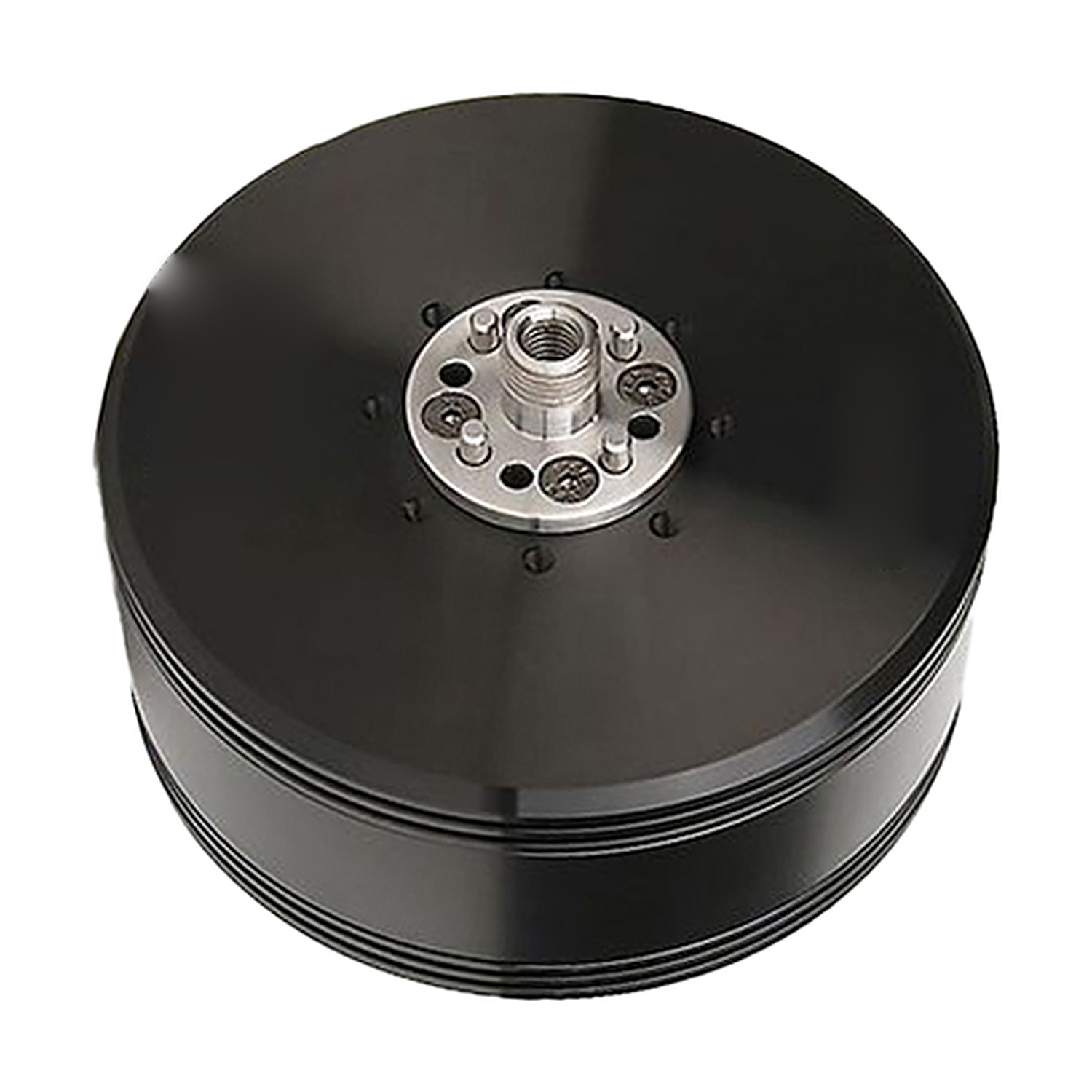
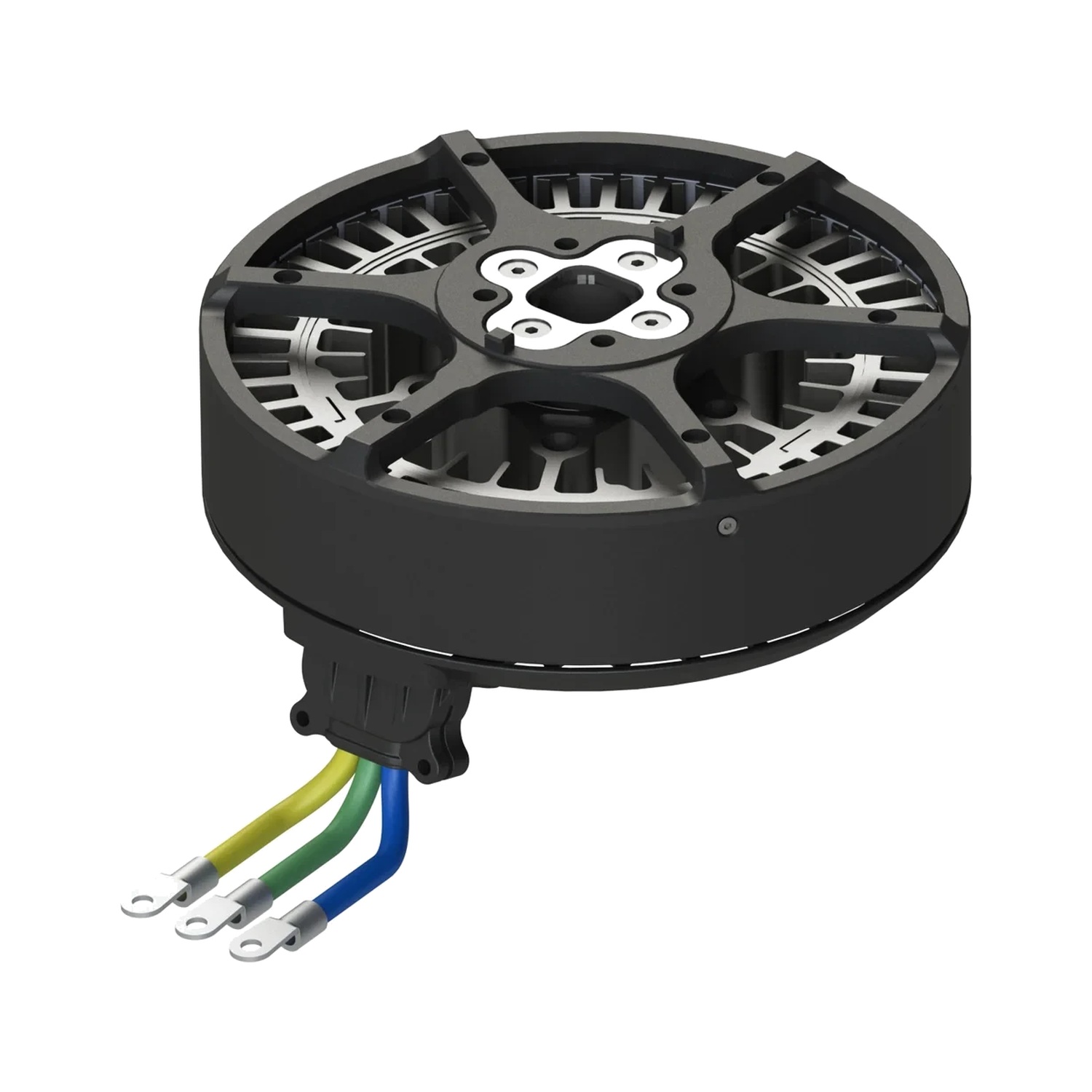
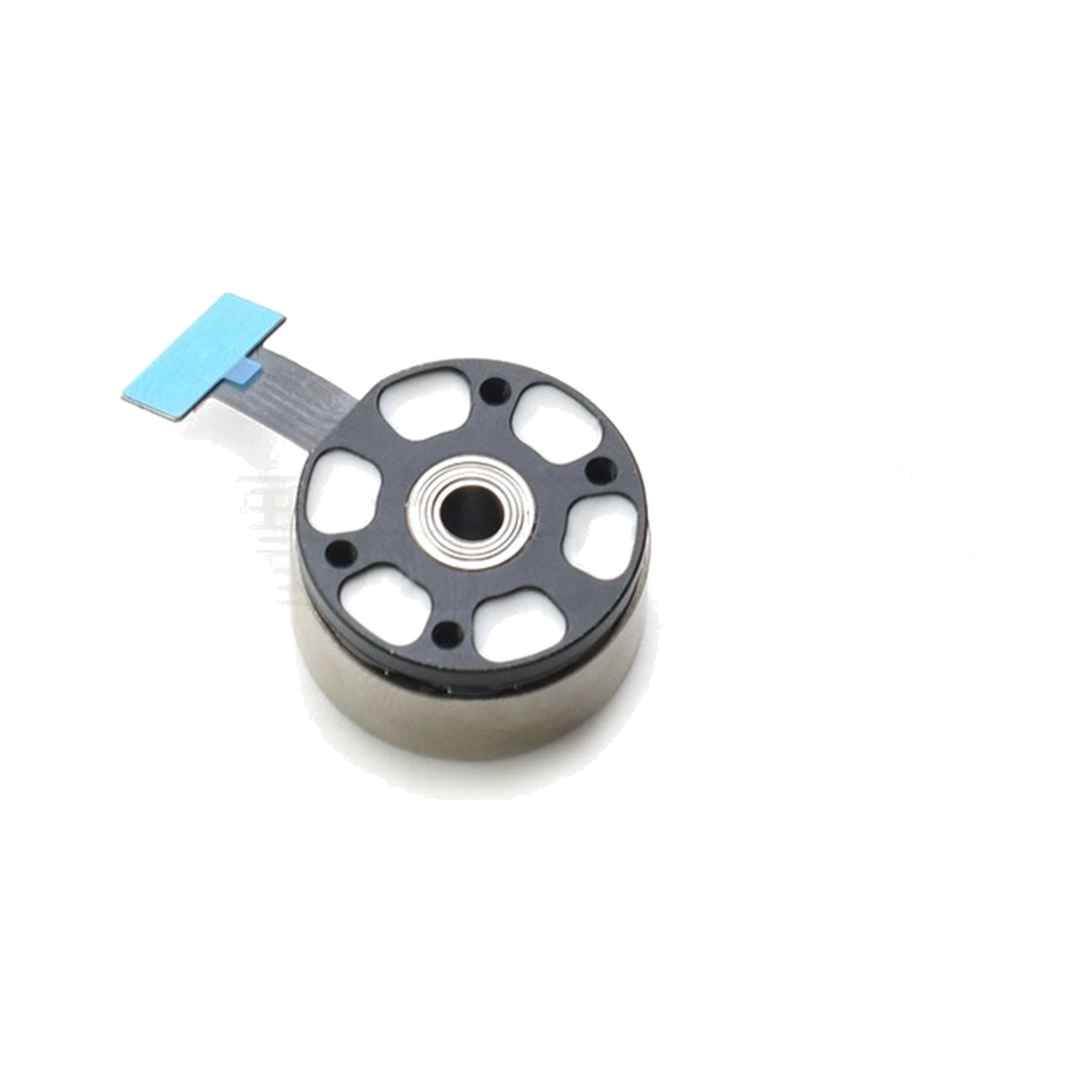
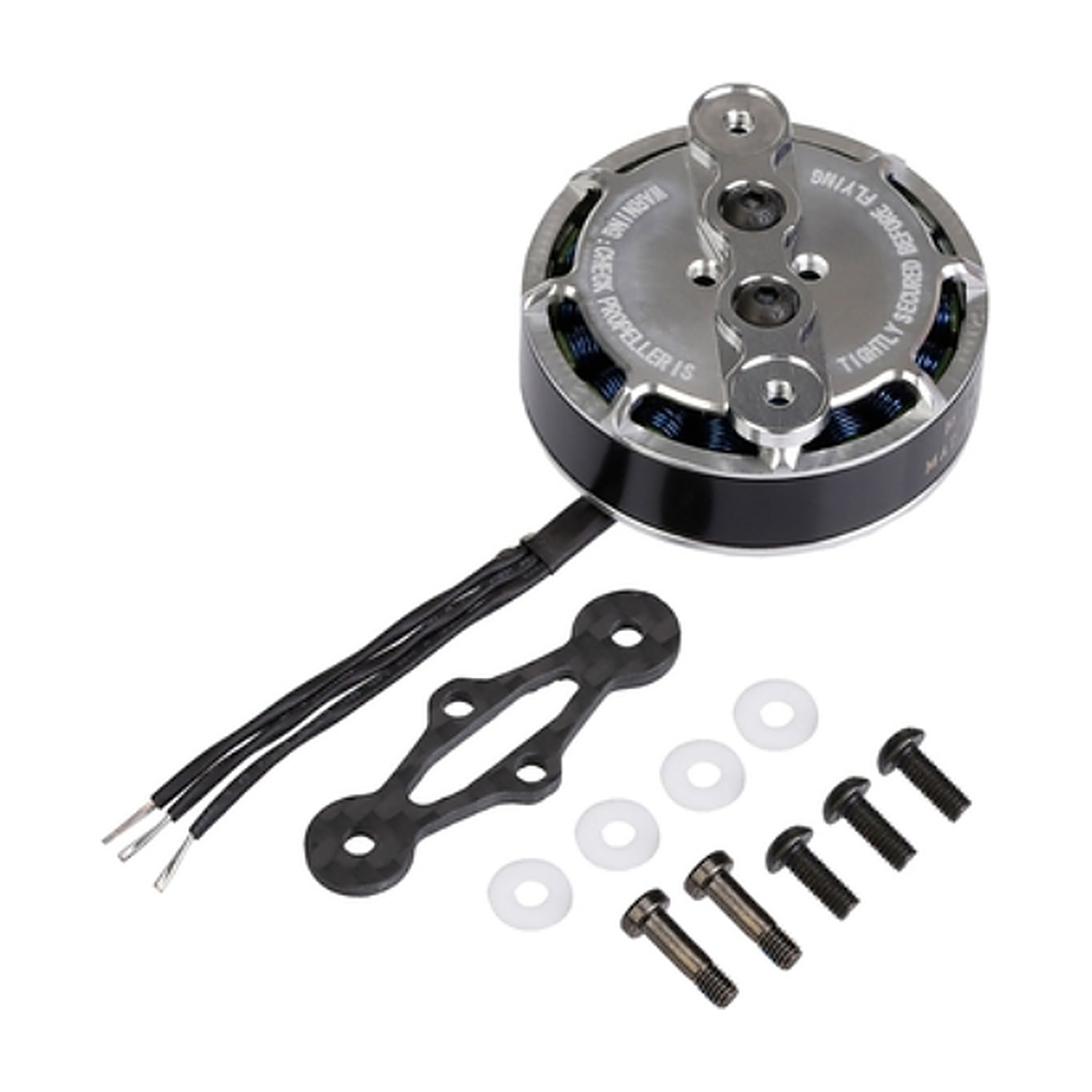
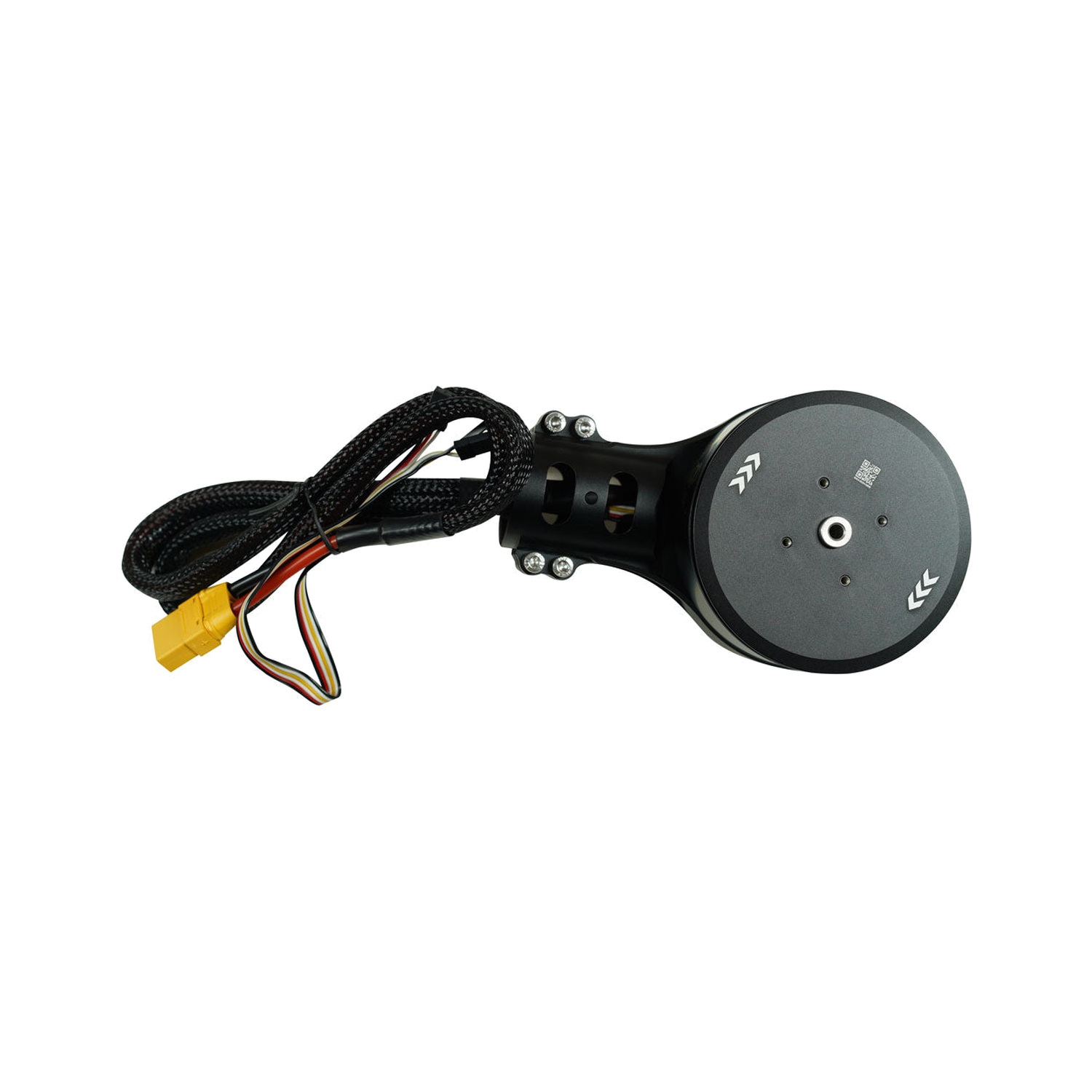
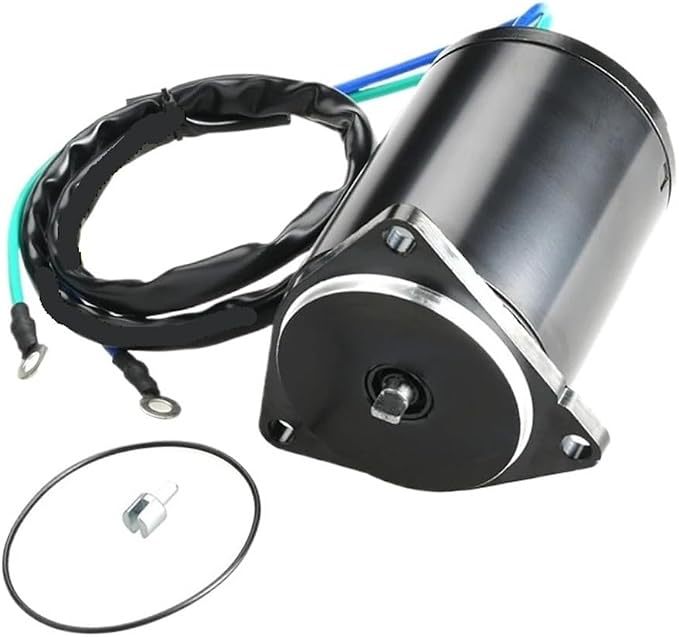
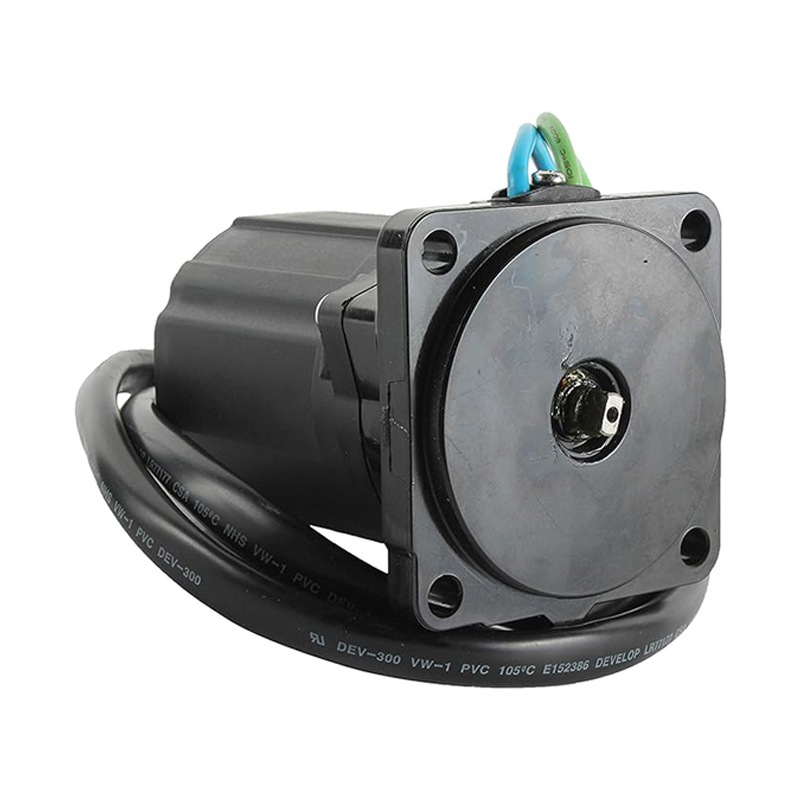
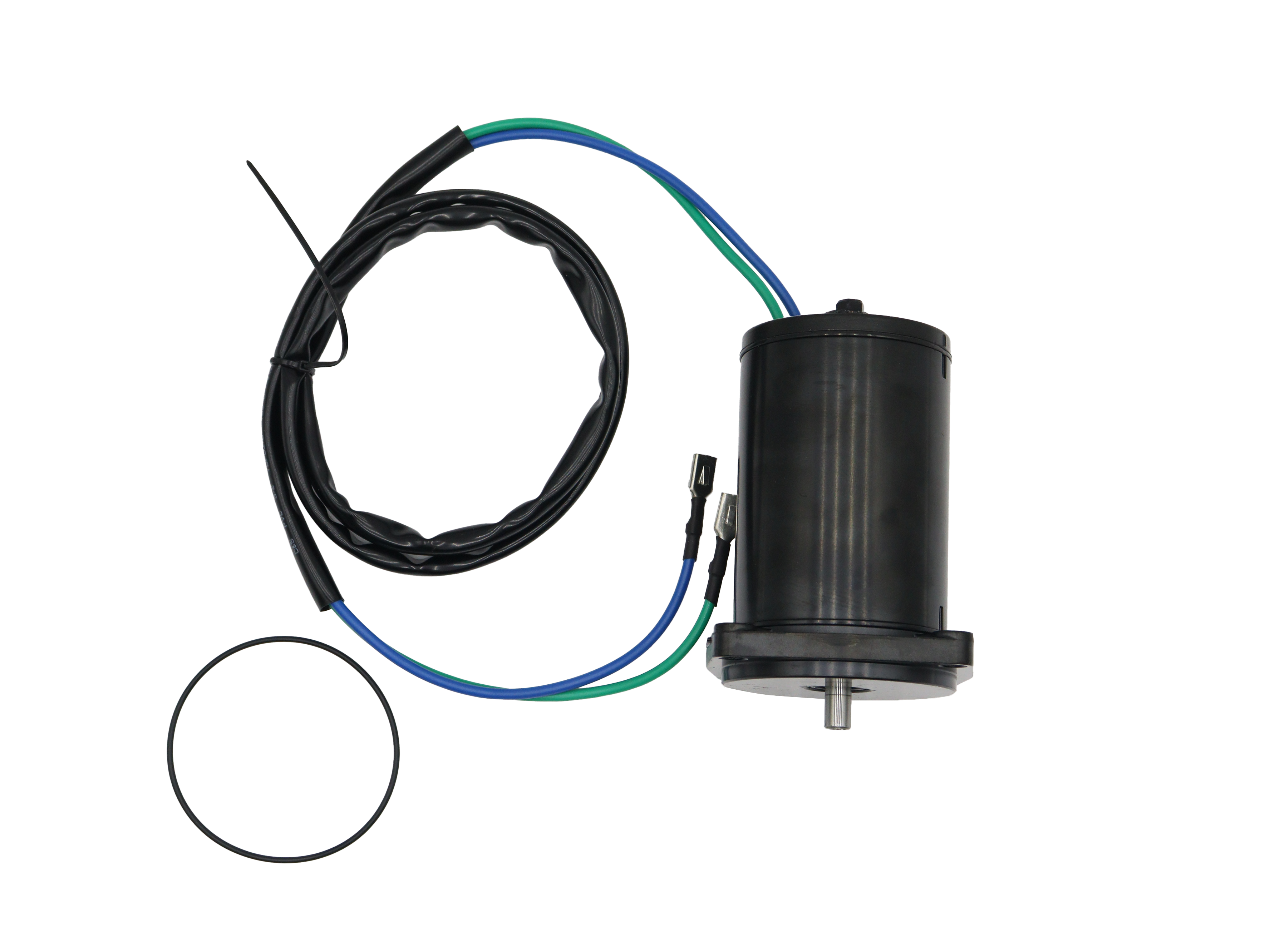
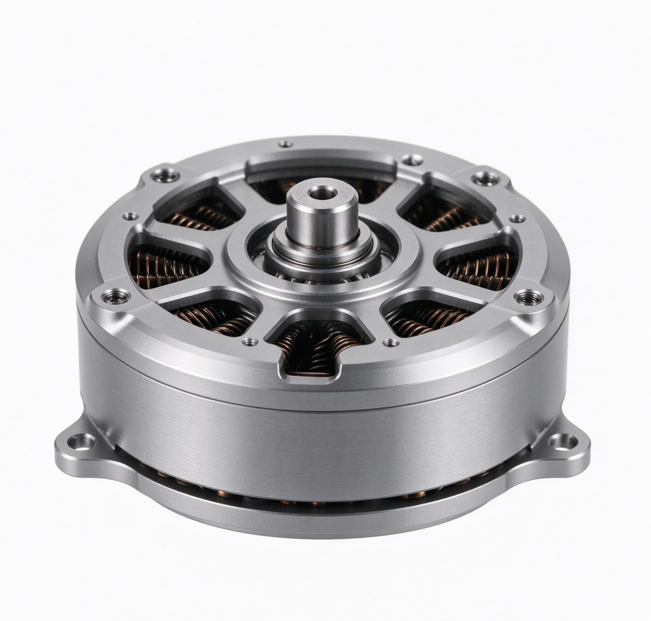
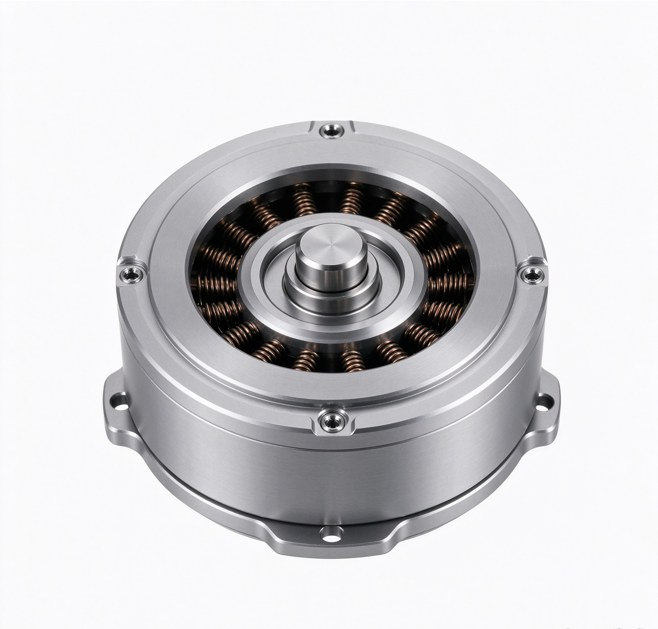
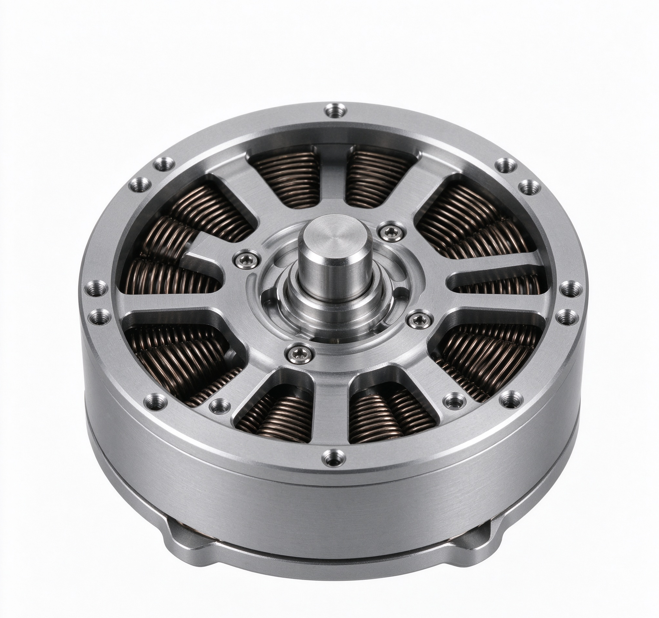
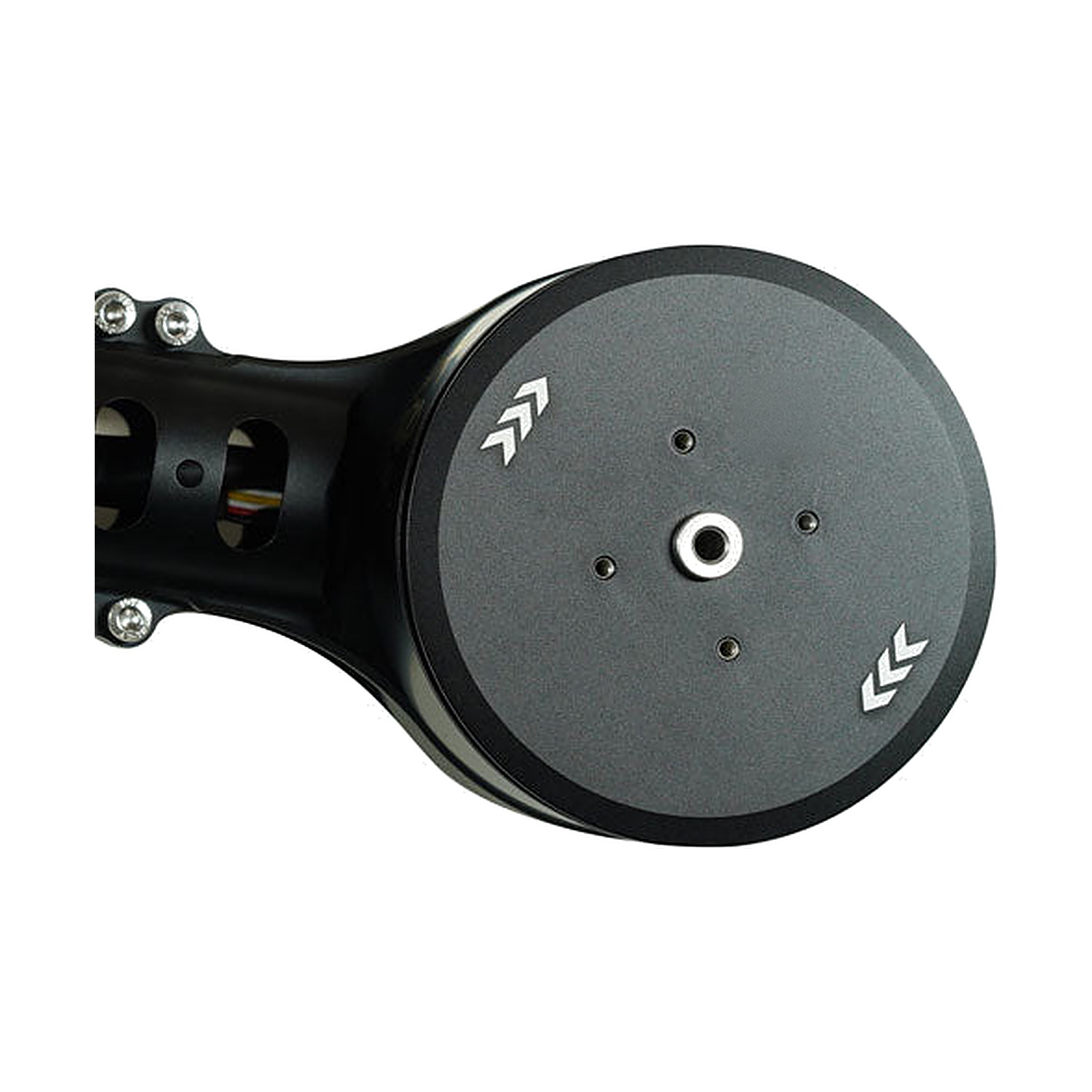
The short version. A 108 by 20 mm outrunner, 1050 W, built for one corner of a WingtraOne Gen III. Three phase, ring terminals, four hole base. It is a lift motor on a fixed wing aircraft, which changes everything about how it is used.
How a tailsitter uses a motor. The aircraft sits on its tail on the ground. Four cans lift it straight up, then the whole airframe pitches over until the wing is level and the propeller on the tail takes over as the cruise pusher. From that point the four lift motors are shut down or idling.
So the duty cycle is short and hard. Two minutes of high power at each end of a flight, forty to sixty minutes of nothing in between. That is the opposite of a cargo drone, where the cans run hot for half an hour. Judge wear by landings, not by hours.
The number. Wingtra documents payload, coverage and battery capacity in detail and does not publish a motor part number. WIN-M10820 is ours. Match the generation of the arm, then the bolt pattern, then the lead length, and you are as close as public information allows.
Changing one. The prop folds, so hold it open against its spring before you touch the hub nut, or it will bite. Four base screws, one connector. The bell is under magnetic load, so pull straight. Torque in a cross pattern and turn the bell before the battery goes back in.
All four together. Survey aircraft fly the same mission profile every time, so all four cans accumulate the same load. If one bearing is rough, the other three are close behind it. On a machine past a few hundred landings, change the set.
Dust is the survey problem. Dry soil, stubble, gravel strips and a low mounted motor. The open spokes catch it and the bearing grinds it. Dry air and a brush after every field day. No water, no solvent, no spinning it up to blow itself out.
What the datasheet will not tell you. KV, thrust per motor, stator dimensions and motor weight are not published for this can. The airframe numbers on the Wingtra site (550 hectares a flight, 60 minutes, 16 m/s cruise) describe the aircraft, not the motor, and we do not push them across.
Look at the mount, not the can. Tailsitter landings load the base casting and the four screws more than the motor itself. A bell that turns freely but moves when you push the prop sideways is a cracked mount, not a bad motor. Check that before you order a replacement.
In the box. One motor, three ring terminals. No folding propeller, no hub, no arm. Six months against dead on arrival and winding faults. Samples ship from stock, twenty pieces starts a production run at fifteen to thirty days.
| Brand | Model | Model Code | Year |
|---|---|---|---|
| Wingtra | WingtraOne Gen III | WINGTRA-ONE-GEN3 | 2024–2026 |
Follow Us:


