
❮
❯
 Electrical & Ignition
 Starter Motor
 Carburetor
 Air Filter
 Hub motor
 Sensor
 Brake Caliper
 Other Parts
 Starter relay
 Engine & Drive
 Throttle body
 Fuel Filter
 Mid-drive motor
 Vacuum Valve
 Mirror
 Starter Drive
 Turbocharger
 Filtration System
 Oil Filter
 Charger
 Pressure Reducing Valve
 Combination
 Alternator
 Fuel Pump
 Cabin Filter
 EV & Robotics
 Electric Power Steering Motor
 Pressure Regulator
 Magneto Stator
 Water Pump
 Robot parts
 Sensors & Valves
 Dosing Valve
 Regulator
 Gearing
 Chassis & Body
 Ignition Coil
 Belt
 Other
 CDI
 Gasket
 Battery
 Transmission Solenoid Valve
 Ignition Key Switch
 Electronic Control Module
 Controller
 Carbon Brush
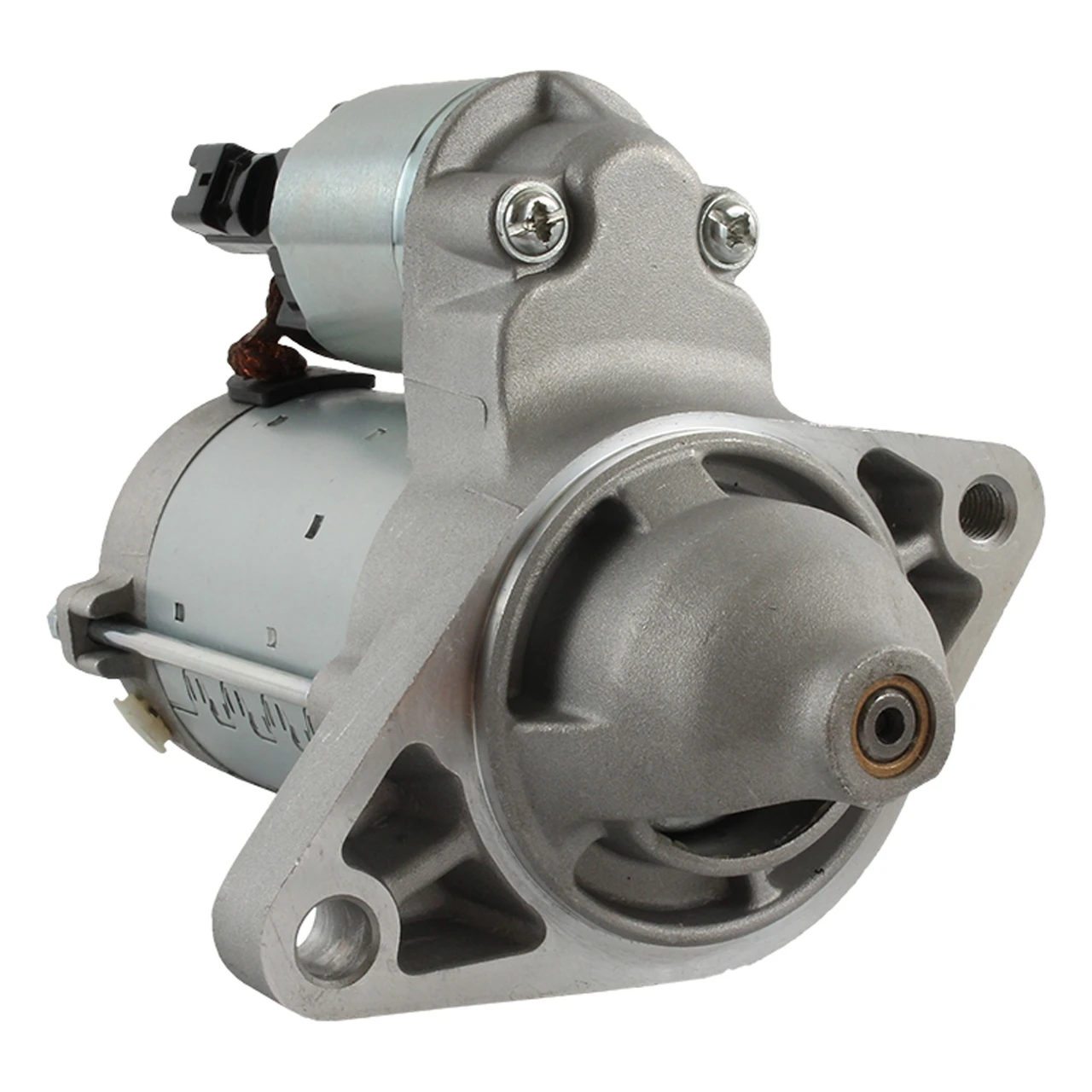
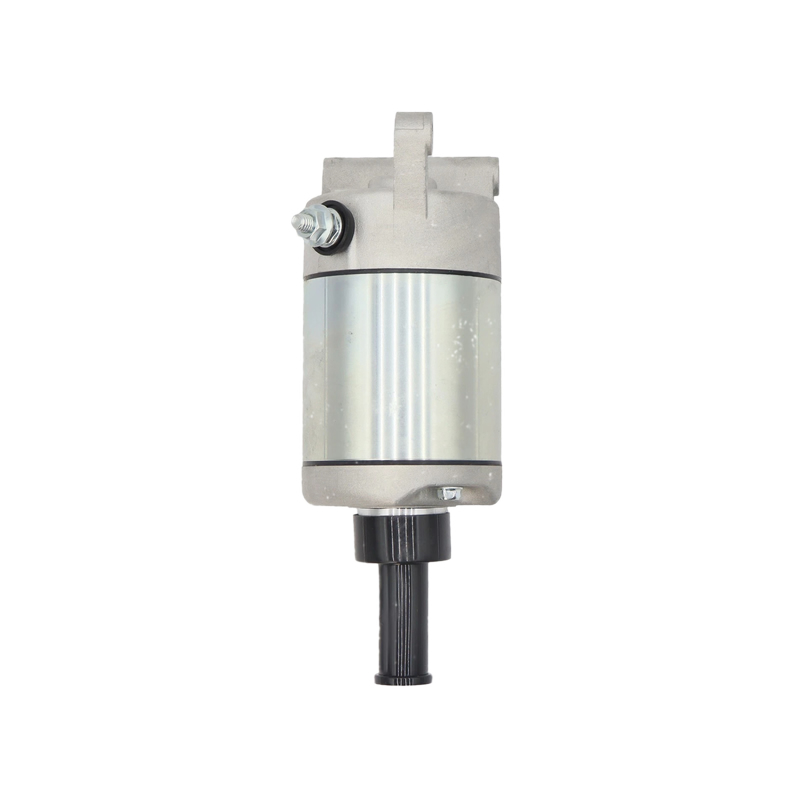
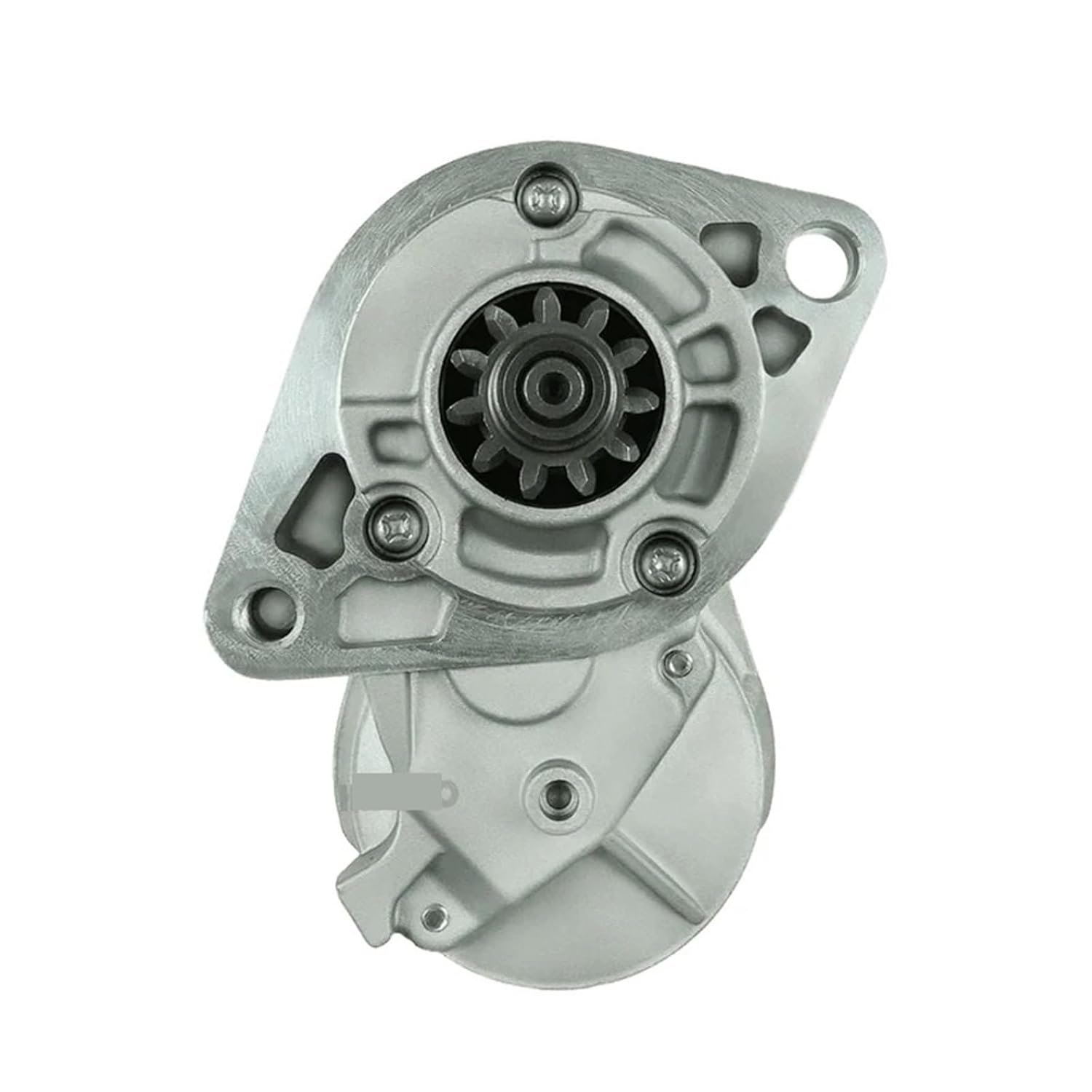
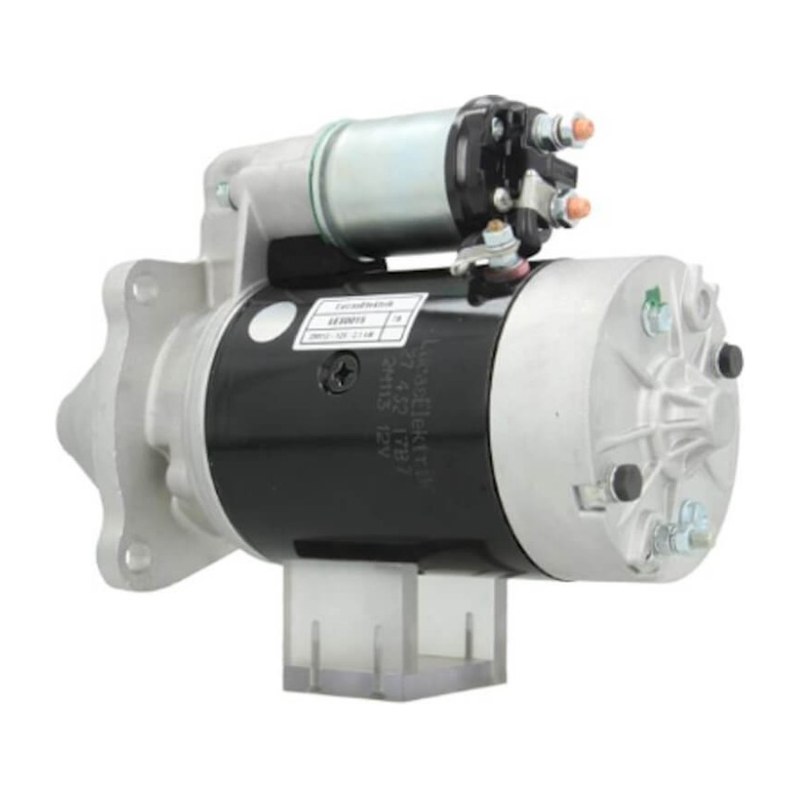

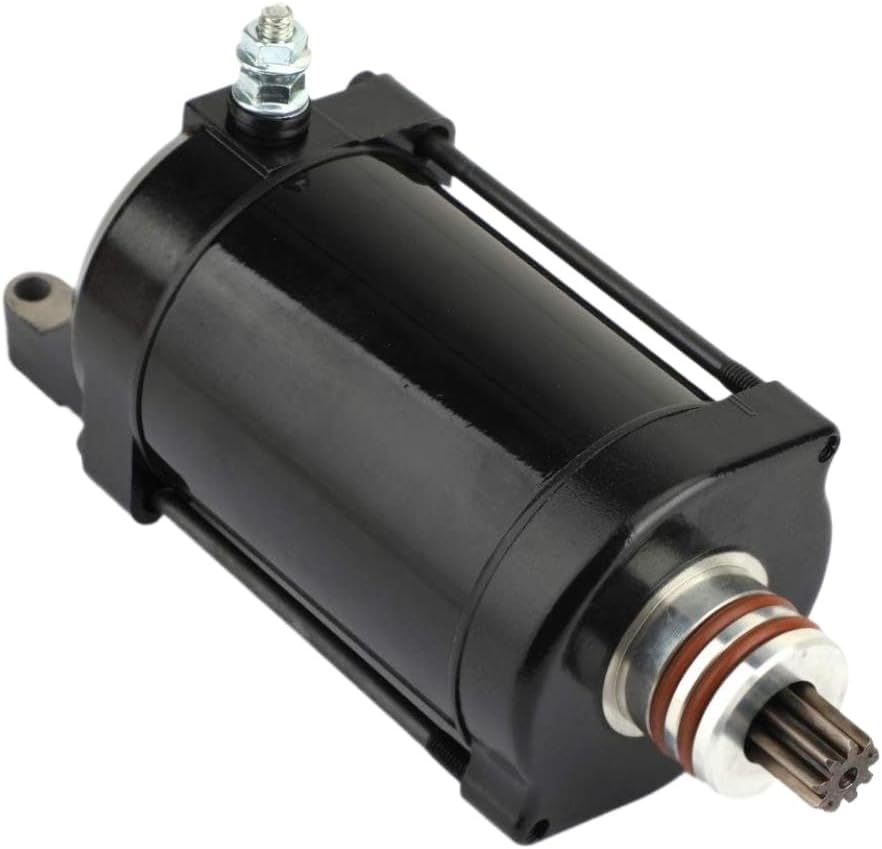
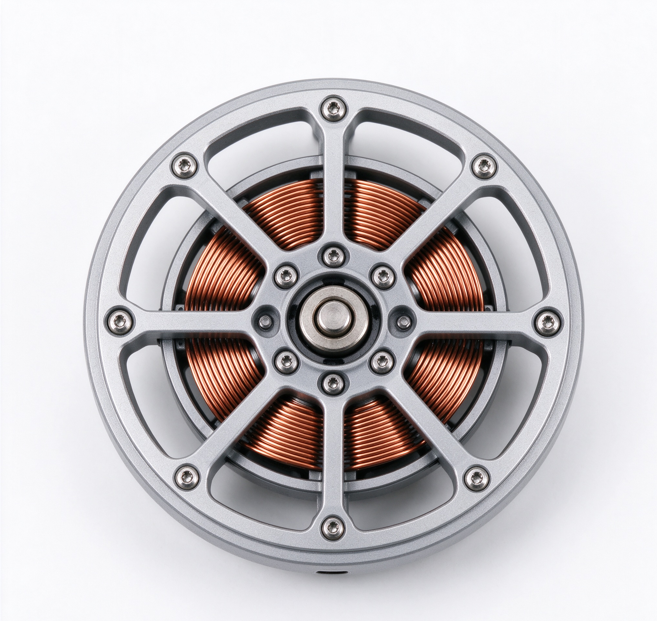
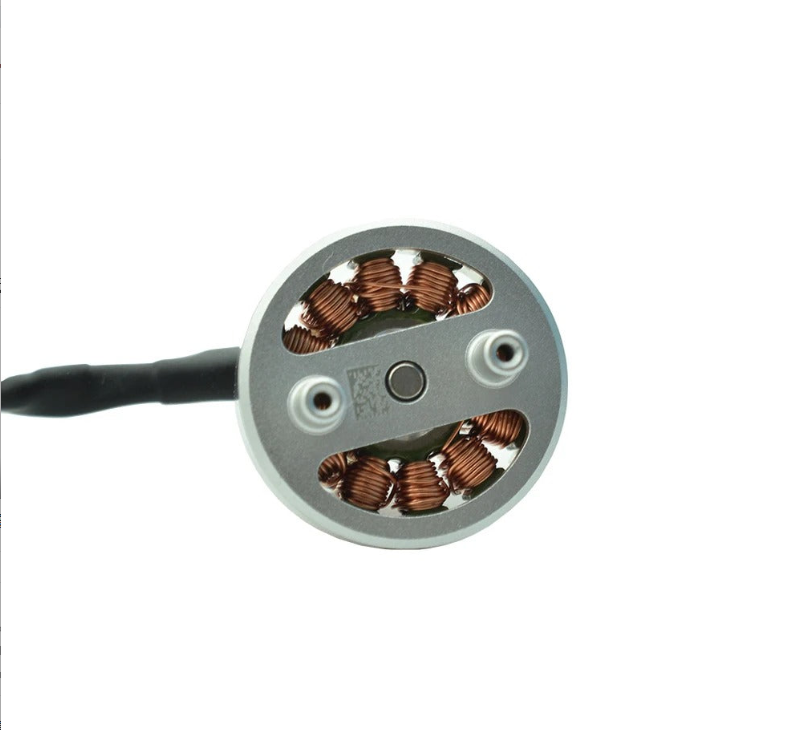
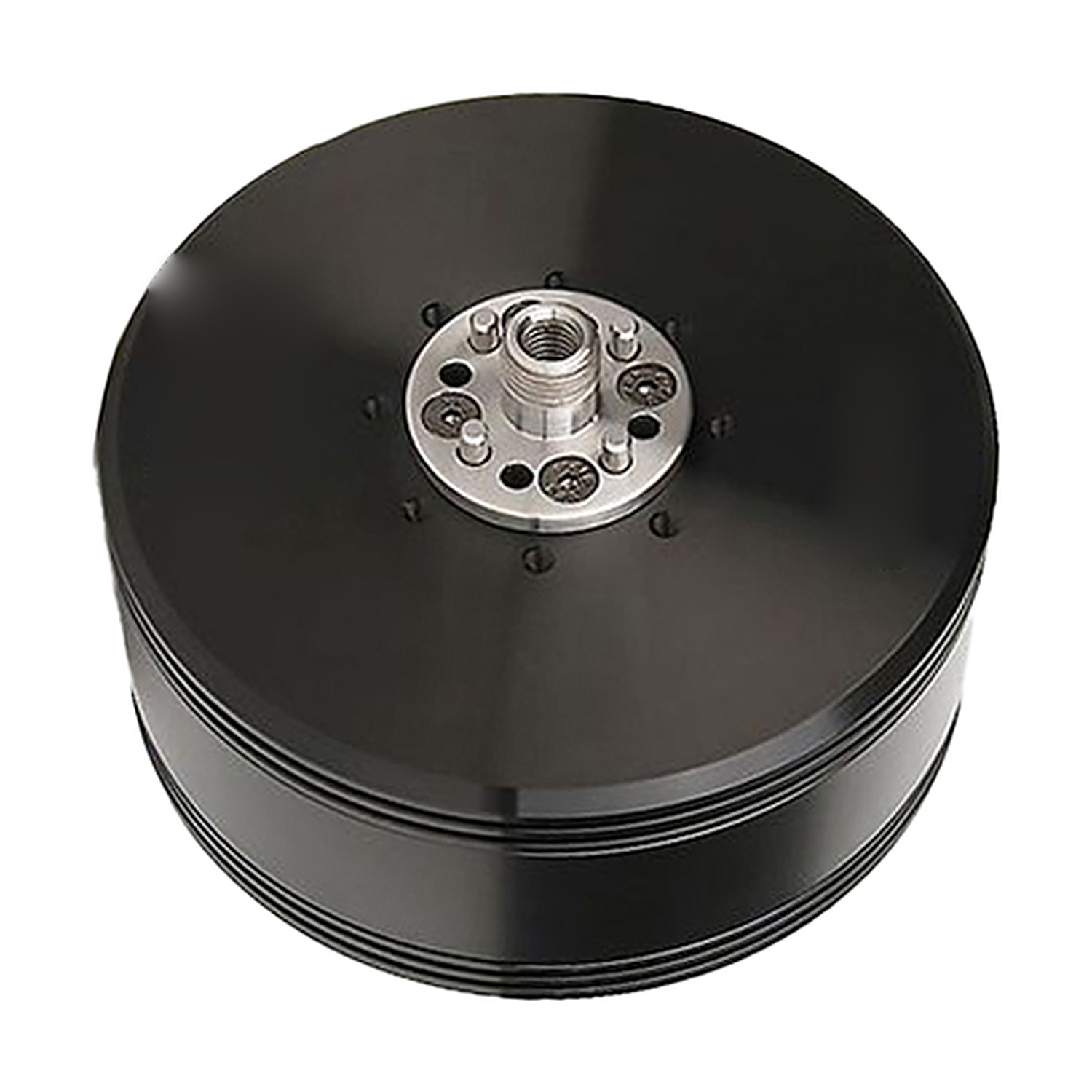
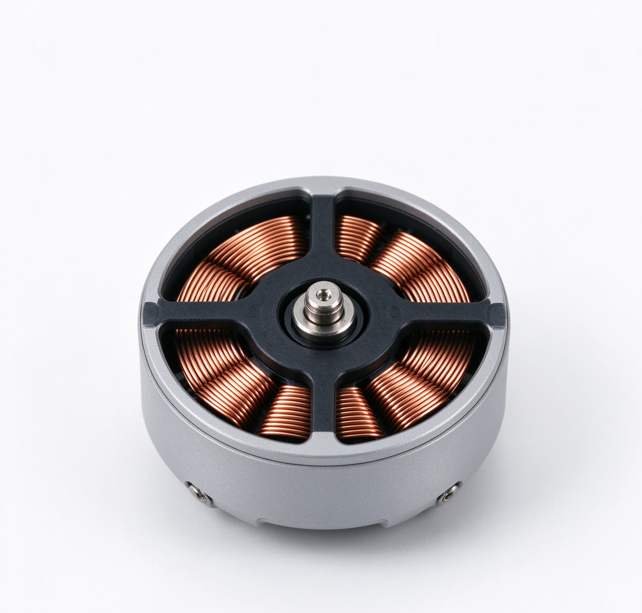
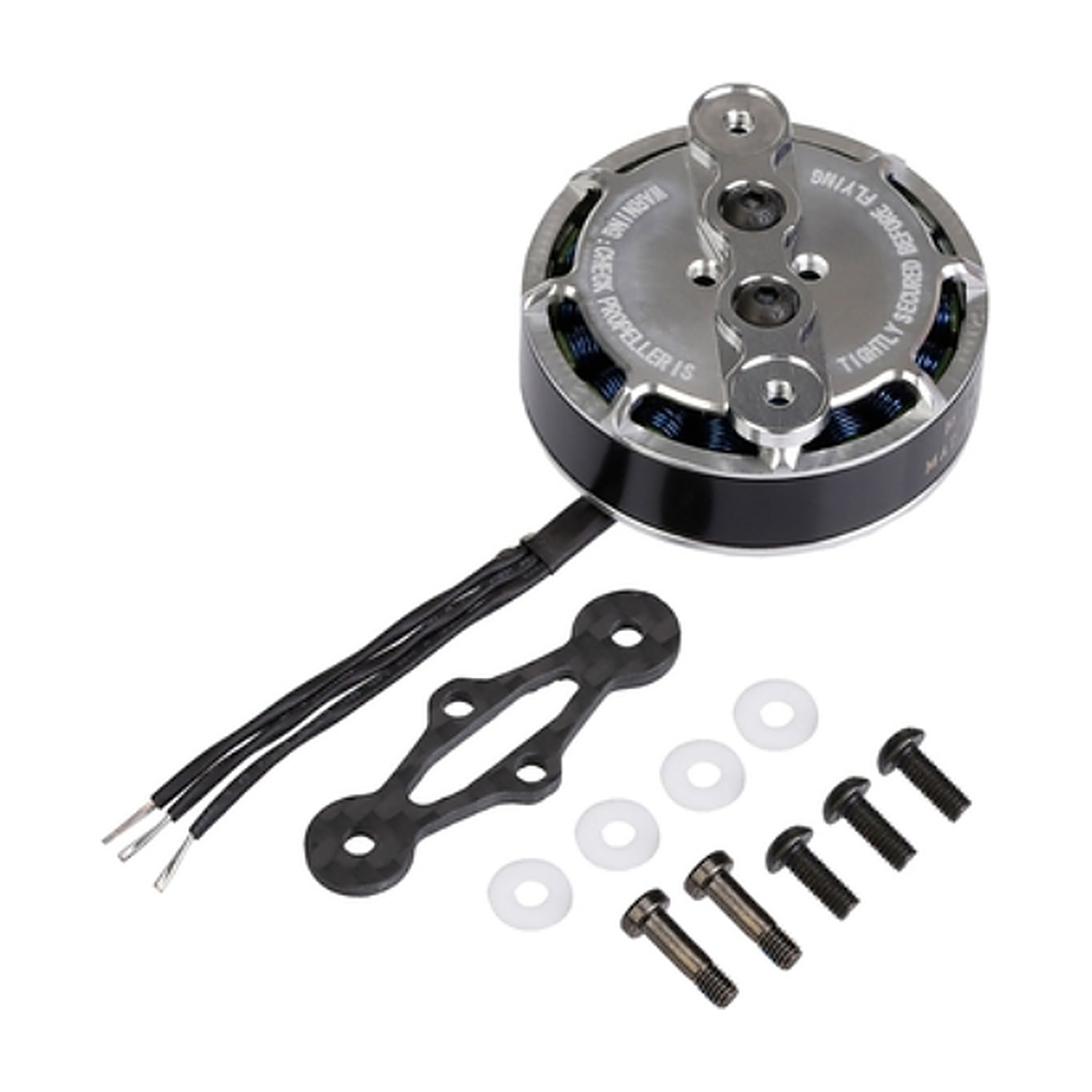
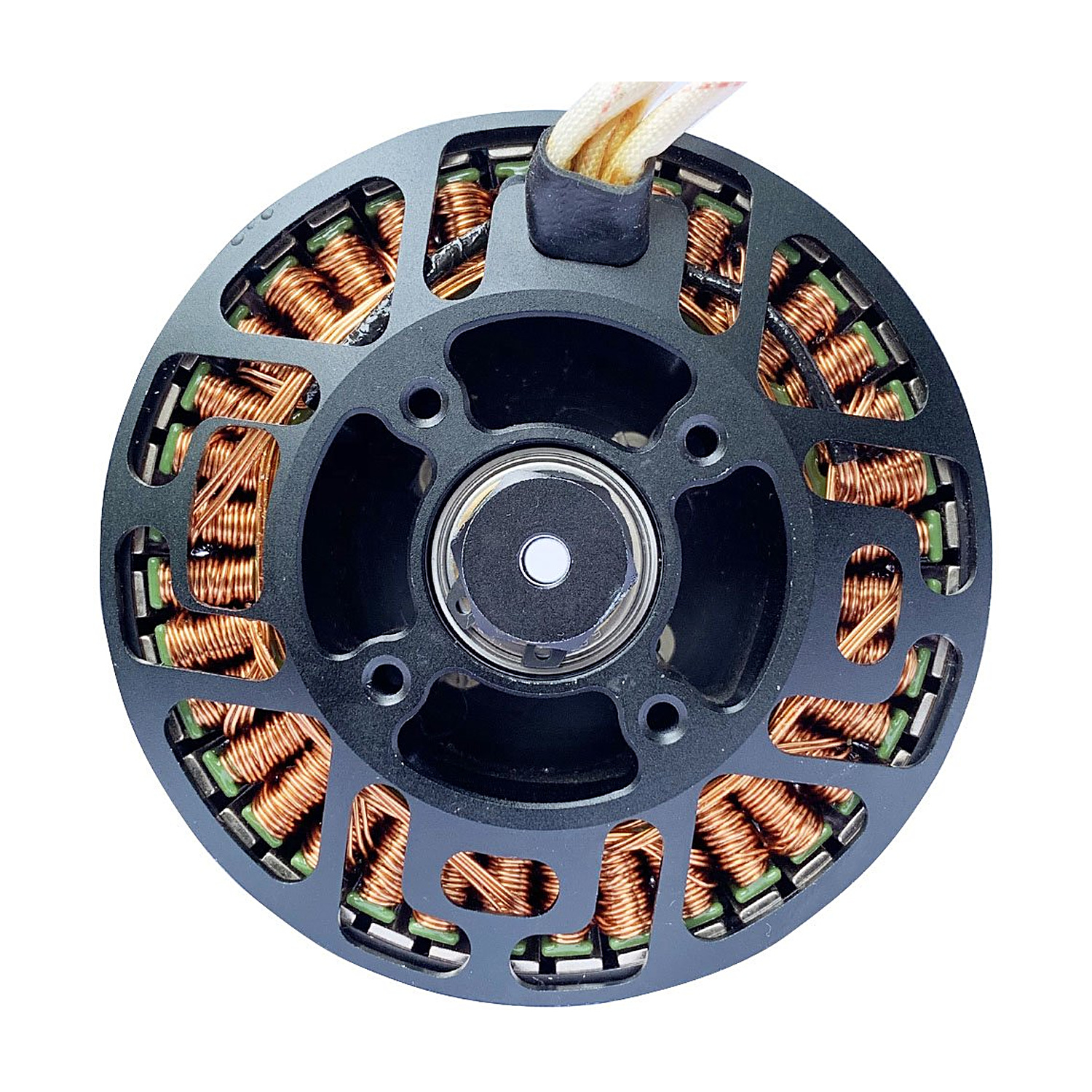
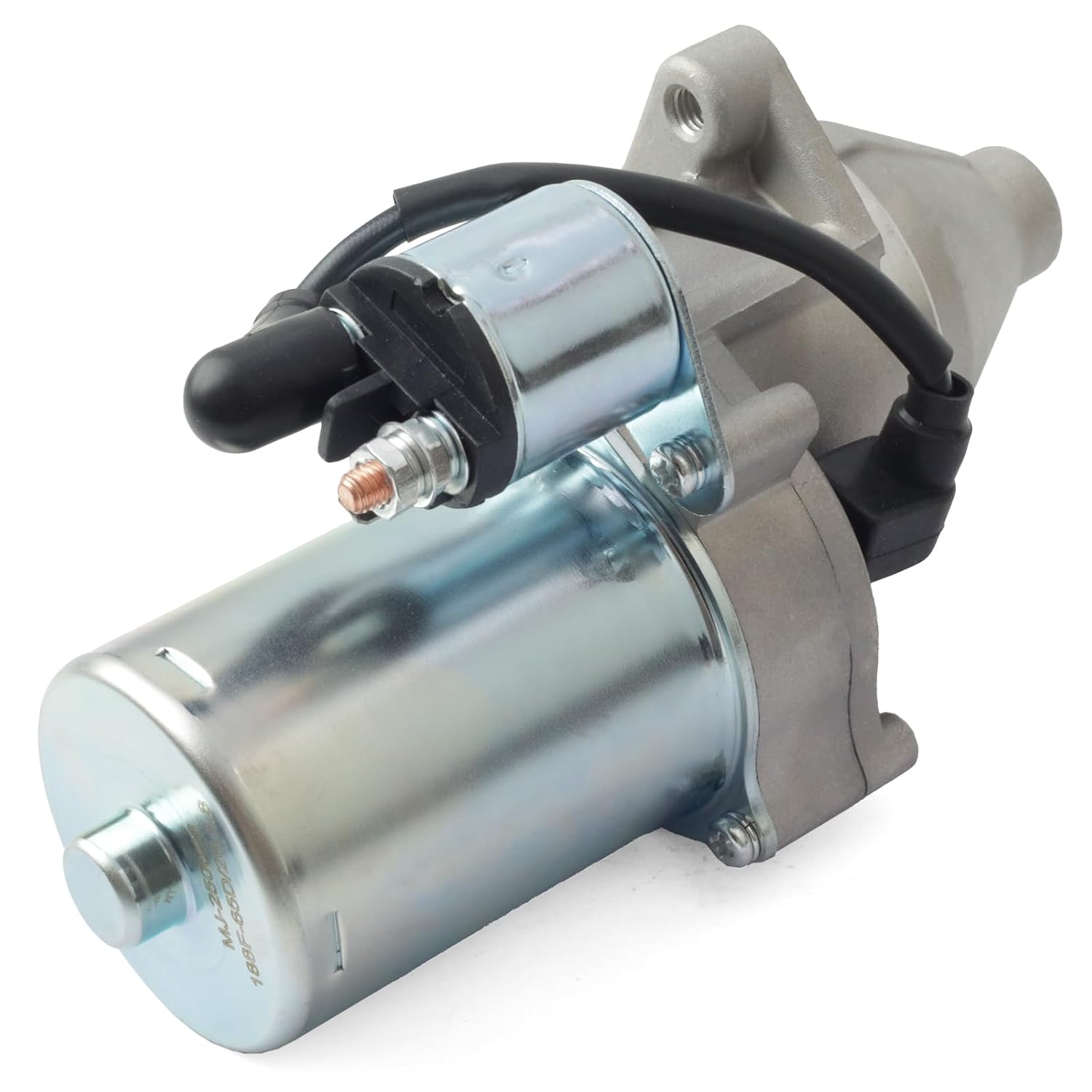
Yamaha FAZER R AP starter motor.
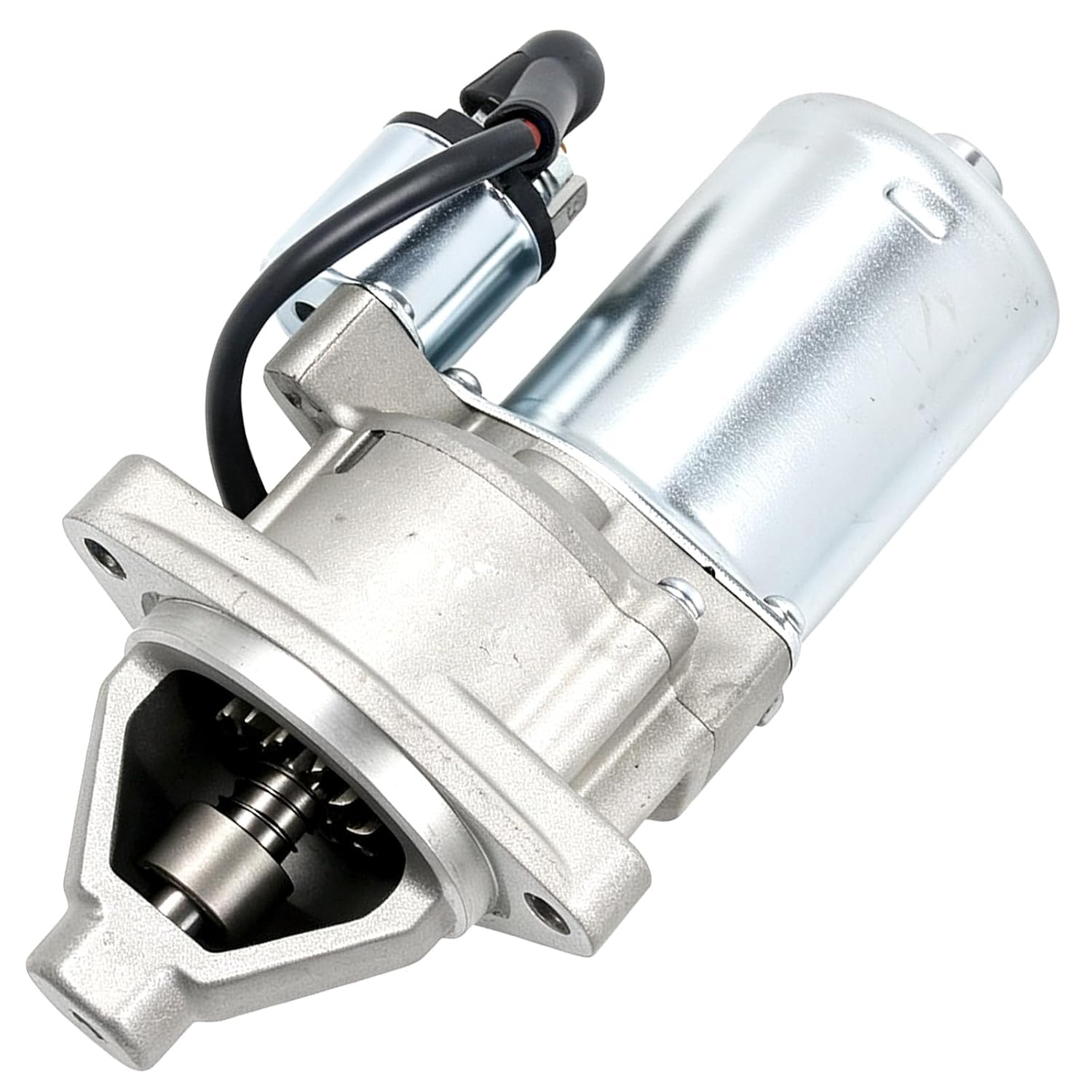
12V. 1.25 kW. Ten teeth, clockwise. Those last two are the ones that bite, because plenty of 12V 1.25 kW starters out there have nine teeth or turn the other way, and neither will crank this engine properly.
Barrel is plated steel. Nose is cast aluminium. Two bolt holes at 8 mm, pilot spigot in the middle to centre it in the bell housing, solenoid across the top with the stud under a rubber boot. Watch that boot. When it splits, water sits on the terminal and the stud goes from underneath, where you will not see it until it fails. Around 1.9 kg all in.
1S8-81800-00. One number, no substitutes. I looked, and there is nothing dependable in the open catalogues. If a seller offers you a second number for this one, ask where it came from, because a wrong cross-reference bolts straight on and then grinds the ring gear.
Fitting. Negative cable off. Two flange bolts, main stud, trigger spade. Put both motors on the bench and compare flange spacing, tooth count, rotation and where the terminals sit. Pinion out by hand, mesh it into the ring gear, then torque, evenly. One bolt first and then the other will cock the flange, and a cocked flange eats a gear in about a week. Crank once with the ignition off and listen before you call it done.
Faults. Brushes wear. Solenoids stick. Cables rot from the inside where you cannot see it. A slow crank on a battery that holds 12.4V under load is usually the ground strap or the main cable, not the motor. A hard single click with no turn is the solenoid or the relay. Spins and will not crank, pinion or sprag. Bench-test the old unit before you buy anything, and look at the ring gear teeth while it is off.
Packing. One to a neutral carton, 22x16x14 cm, 1.9 kg gross. Ningbo or Shanghai, three weeks. Samples of one are fine, twenty for a run. Six months on DOA and winding faults. Water in the nose after a pressure wash is not covered.
| Brand | Model | Model Code | Year |
|---|---|---|---|
| Yamaha | FAZER R AP | FAZER R AP | 2019 |
Follow Us:


