
-
90
-
2025-09-05 13:40:16
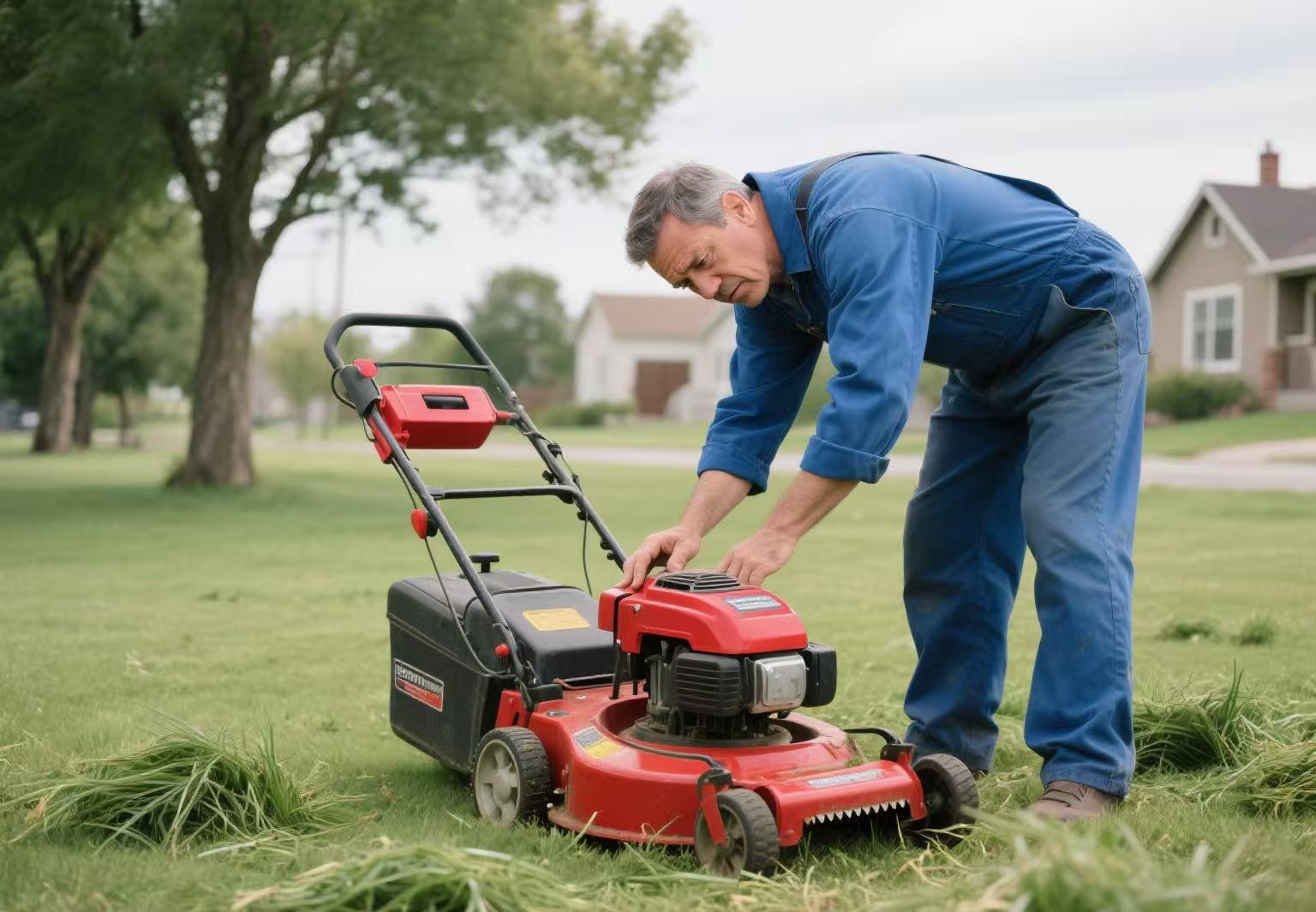
When a lawnmower is in operation, if the engine abruptly shuts down without throttle release or manual intervention and fails to restart, this phenomenon is typically caused by core mechanical component failures. Such faults directly interrupt power transmission or fuel supply, not only affecting lawn maintenance efficiency but also potentially increasing repair costs as the issue escalates. Below, we dissect the root causes and provide targeted solutions.
I. Analysis of Failure Causes
(1) Broken Fuel Injector Pump Drive Pinion or Transmission Gear Failure
The fuel injector pump drive pinion and transmission gear are critical components connecting engine power to the fuel injector pump. Their primary function is to transmit engine power to the fuel injector pump, ensuring normal fuel delivery. Over time, improper gear meshing clearance (excessive clearance causes impact, insufficient clearance accelerates wear) or operational issues like weed entanglement and collisions with hard objects causing instantaneous overload can lead to drive pinion breakage, gear tooth surface spalling, or tooth deformation. Once components fail, power cannot reach the injection pump. Fuel supply ceases, causing the engine to stall. Due to interrupted power transmission, restarting becomes impossible after stalling.
(2) Injection Pump Shaft Breakage
The injection pump shaft serves as the internal “power shaft,” driving components like the camshaft and plungers to achieve fuel pressurization and timed injection. If the fuel injection pump operates under prolonged high loads, or if internal components seize or suffer from insufficient lubrication, the shaft will endure excessive torque and friction beyond its limits, gradually developing fatigue cracks. When these cracks propagate to a certain extent, the fuel injection pump shaft will suddenly fracture. This causes the internal components of the fuel injection pump to cease rotation, resulting in a complete interruption of fuel supply. The engine will instantly stall and cannot be restarted through conventional means.
(3) Seizure of Internal Engine Components
The internal moving parts of the engine, such as pistons, connecting rods, crankshafts, camshafts, etc., need to operate smoothly and at high speeds in a well lubricated environment. If the engine oil is not replaced for a long time or inferior engine oil is used, it will lead to lubrication failure between moving parts and a sharp increase in frictional resistance; Or the intake system is not cleaned, and dust and impurities enter the cylinder, exacerbating wear and tear; Alternatively, overheating of the engine can cause sintering of the piston and cylinder wall, which can result in the inability of moving parts to operate due to excessive resistance or mutual jamming. The jamming of moving parts directly causes the engine to lose power and stall, and due to the inability of the components to move, it cannot be restarted after stalling.
(4) Fuel Injection Pump Control Rod and Connecting Pin Detachment
The fuel injection pump control rod and connecting pin form the “adjustment mechanism” governing fuel delivery volume. The driver operates the throttle to move the rod, thereby adjusting the total fuel supply from the injection pump. During operation, the rod and pin endure frequent vibration and tension. If the connecting pin is not tightened to the specified torque, or if the pin hole and rod end wear over prolonged use, the clearance between components increases. When the vibration or tension exceeds the connection strength, the connecting pin will fall off from the pin hole, or even the pull rod will break. At this time, the fuel supply of the fuel injection pump cannot be controlled, and the fuel supply will suddenly decrease or be interrupted. After the engine is turned off, it cannot be restarted by adjusting the throttle.
II. Troubleshooting Solutions
(A) Fuel Injection Pump Drive Pinion and Transmission Gear Issues
1. Disassembly Inspection: First disconnect the mower's power source. Remove the engine side cover and transmission mechanism guard. Extract the drive pinion and transmission gear to inspect for fractures or tooth surface damage. Simultaneously examine the wear condition of the gear shaft and bearings.
2. Component replacement: If the gears or bearings are damaged, replace them with original parts of the same model to ensure that the specifications match the equipment
3. Installation and Adjustment: During reassembly, adjust gear meshing clearance per the equipment manual (typically 0.15-0.35mm). Apply gear grease to reduce wear. Reinstall the guard and side cover, then start for a test run. Normal operation is restored if no abnormal noise occurs.
(II) Fuel Injector Pump Shaft Breakage Resolution
1. Professional Disassembly: Due to the precision of the fuel injector pump structure, first remove the pump from the engine and transport it to a professional repair facility. Use specialized tools to disassemble it and inspect whether the internal camshaft or plungers are damaged due to shaft breakage.
2. Replacement and Repair: Replace the fuel injection pump shaft with one meeting original manufacturer specifications. If internal components are worn, replace them simultaneously. During reassembly, ensure precise component positioning and acceptable clearance tolerances.
3. Performance Testing: After reassembly, test the fuel injection pump's fuel pressure and injection timing. Once standards are met, reinstall it into the engine and verify stable engine operation upon startup.
(III) Resolving Seized Internal Engine Components
1. Disassembly and Inspection: Remove the engine from the mower, detach the cylinder head and oil pan. Inspect each component—pistons, connecting rods, crankshaft—to identify seized areas and assess damage severity.
2. Repair or replacement: Parts with less wear can be repaired by grinding or polishing; If there is severe damage (such as piston sintering or crankshaft deformation), replace the original parts, clean the internal oil passages and carbon deposits of the engine, and replace the seals.
3. Assembly and maintenance: Assemble the engine according to the assembly process, add qualified engine oil, first perform cold running in (low-speed operation), then perform hot running in (normal speed operation), confirm that there is no jamming or abnormal noise, and then reinstall the lawn mower.
(IV) Resolving Fuel Injector Pump Control Rod and Connecting Pin Detachment
1. Locate and Inspect: Examine the connection points of the fuel injector pump control rod. Identify the detached connecting pin or broken rod. Check for wear on the pin hole and rod ends.
2. Repair or replacement: If the connecting pin is intact, clean the pin hole and reinstall it, and lock it with an open pin or fastening nut; If the parts are damaged, replace the same type of pull rod and connecting pin.
3. Debugging and verification: manually pull the pull rod to ensure flexible movement; After starting the lawn mower, repeatedly adjust the throttle and observe whether the engine speed changes steadily. If there is no stalling phenomenon, the repair is completed.
III. Summary
The core cause of stalling issues in lawn mowers lies in mechanical component damage leading to power or fuel supply interruptions. Troubleshooting should follow the logic of “first identifying the function of the component, then locating the root cause of damage.” When resolving issues, prioritize “original manufacturer parts and standardized procedures” to prevent secondary damage. Regular inspection of gear meshing and rod connections, as well as timely replacement of engine oil and filter cartridges, can significantly reduce the occurrence of such faults in daily maintenance; If encountering complex mechanical failures (such as engine internal jamming), it is recommended to seek professional maintenance to ensure the service life of the equipment.