
-
77
-
2025-09-10 15:57:38
This is a collection of differences and application scenarios of servo motors, stepper motors and asynchronous motors carefully sorted out for you. Whether it is an engineer's selection or a beginner's study, this guide is worth collecting.
Summarize the core concept in one sentence
Asynchronous motor (induction motor): an "old cow" in the field of power, with a simple structure, robustness and durability, and cheap price, but the accuracy and efficiency of the rotation speed are relatively low.
Stepper motor: "scale ruler" in the field of motion control, stepping motion at a fixed angle, open-loop control, low cost, but there is a risk of loss of step and vibration.
Servo motor: "special forces" in the field of motion control, high precision, high performance, closed-loop control, can strictly obey control instructions, but the system is complex and expensive.
A collection of core application scenarios
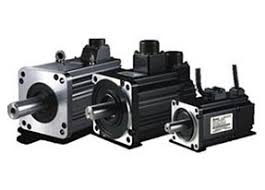
1. Servo motor (when needed: high precision, high speed, high dynamic response, high reliability)
Industrial robots: joint-driven, requiring precise multi-axis linkage and trajectory control.
CNC machine tool: spindle drive and feed shaft drive to ensure machining accuracy and surface finish.
Semiconductor equipment: wafer handling, lithography machine, welding machine, requires precise positioning on a small scale.
Precision automation equipment: chip machine, printing machine, laser processing equipment, sorting machine.
Aerospace: steering machine control, simulator motion platform.
High-end AGV/AMR: precise navigation and docking.
Tip: If you want to be refined, fast, accurate, and not afraid of expensive, use servo.
2. Stepper motor (when needed: low cost, simple positioning, medium and low speed, medium and medium loads)
3D printer: controlling the precise positioning of the print head and platform is the most typical application.
Desktop CNC/engraving machine: lightweight processing equipment with low cost and precision requirements.
Office automation equipment: paper feed and scanning head movement of printers, scanners and copiers.
Medical equipment: fluid control or movement of infusion pumps, samplers, and analytical instruments.
Photographic equipment: smooth movement control of gimtal and slide.
Stage lighting: control the angle of pan/tilt (swinging and tilting) of the lighting.
Tips: If the speed is not high, the load is not large, the budget is limited, and you are not afraid of slight shaking, just use step.
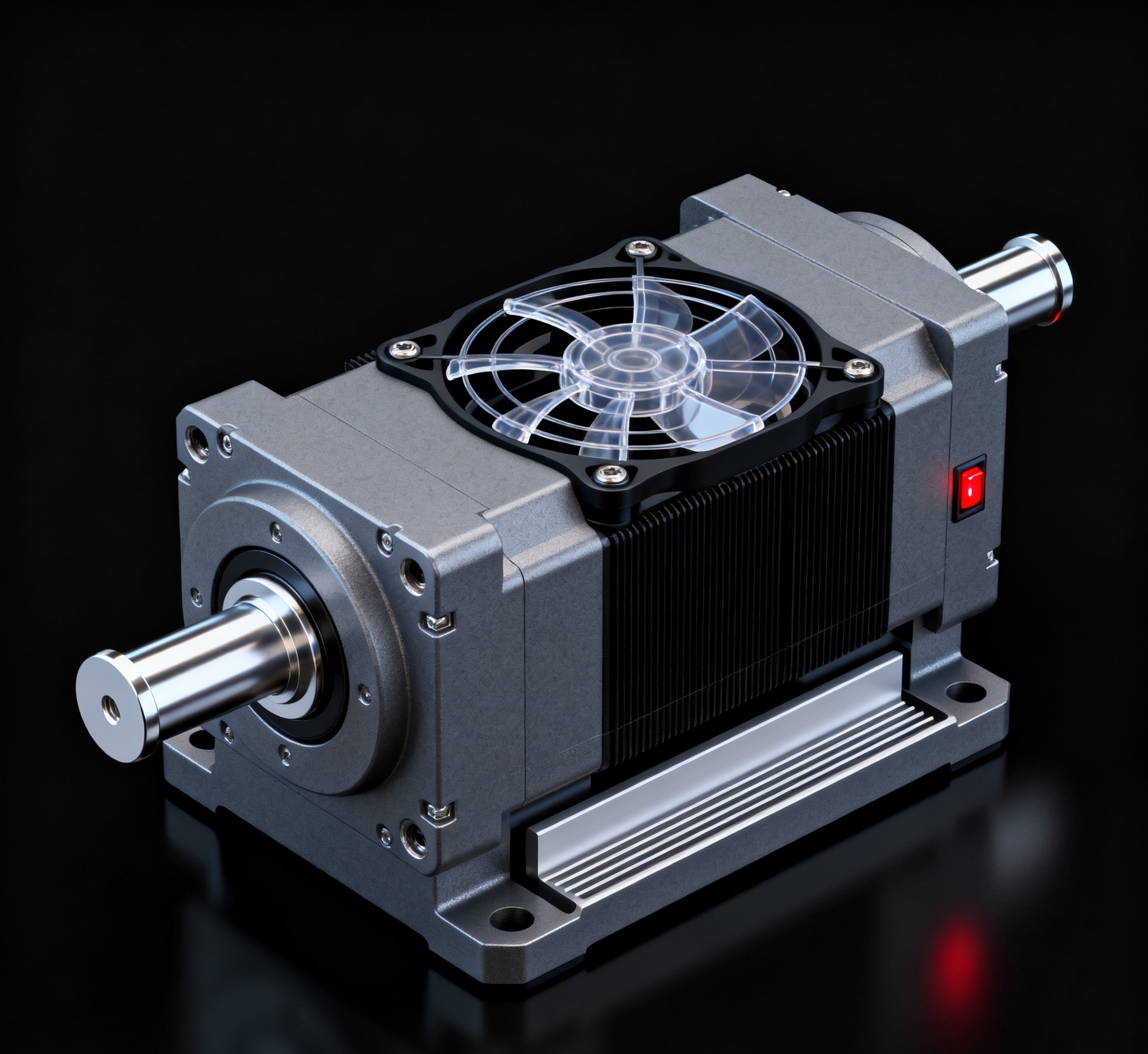
3. Asynchronous motor (when needed: continuous operation, durability, energy saving, large air volume/large flow)
Fan/pump load: ventilators, pumps, air compressors in factories and buildings. ( This is the largest application field)
Industrial transmission: conveyor belts, mixers, compressors, crushers and other occasions that do not require precise speed.
Household appliances: washing machine, fan, range hood, refrigerator compressor.
Electric locomotive: a high-power traction motor (AC transmission locomotive) controlled by a frequency converter.
Elevator/escalator.
Tip: As long as it turns, it is solid and saves money, use an asynchronous motor. Equipped with a frequency converter, it can also adjust the speed and save energy.
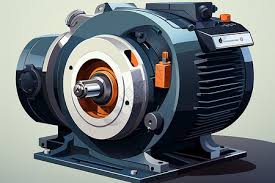
Flow chart of selection and decision-making
Faced with a project, you can quickly narrow down the selection range through the following questions:
1. Do you need to control the position precisely?
Yes -> Enter the second step.
No -> Select the asynchronous motor directly (if it only drives the fan, water pump, etc.).
2. Are there any strict requirements for dynamic response, high speed and high accuracy? ( For example: robot, CNC)
Yes -> Select the servo motor.
No -> Enter step 3.
3. Is the budget very tight? Is the load not large? Is the speed not high?
Yes -> You can choose the stepper motor and accept the possible risk of vibration and step loss.
No / Uncertain -> For the sake of reliability, it is recommended to choose a servo motor.
Important supplement: the function of frequency converter
For asynchronous motors, the addition of a frequency converter can achieve speed regulation and energy saving, which greatly expands its scope of application (such as frequency conversion air conditioners and frequency conversion pumps), but it still cannot reach the positioning accuracy of the servo level.
The servo driver and stepper driver are the indispensable control parts of the corresponding motor, and the frequency converter is an "optional" upgrade component for the asynchronous motor.
I hope this compendium can help you make the wisest decision when selecting motors!