
-
101
-
2025-09-17 16:26:56
How do I know if my boat starter is bad?
(And What To Do About It)
In a ship, the starting system of the marine engine is like the "pacemaker" of the human body, and the starting motor is the key electrode in the pacemaker that directly stimulates the contraction of the heart muscles. The starter motor is the core executing component of the starting system. The starter motor will provide initial power to achieve the necessary starting RPM.
How to determine if a marine motor may be damaged
We can preliminarily determine that there may be a problem with the motor through the following abnormal phenomena:
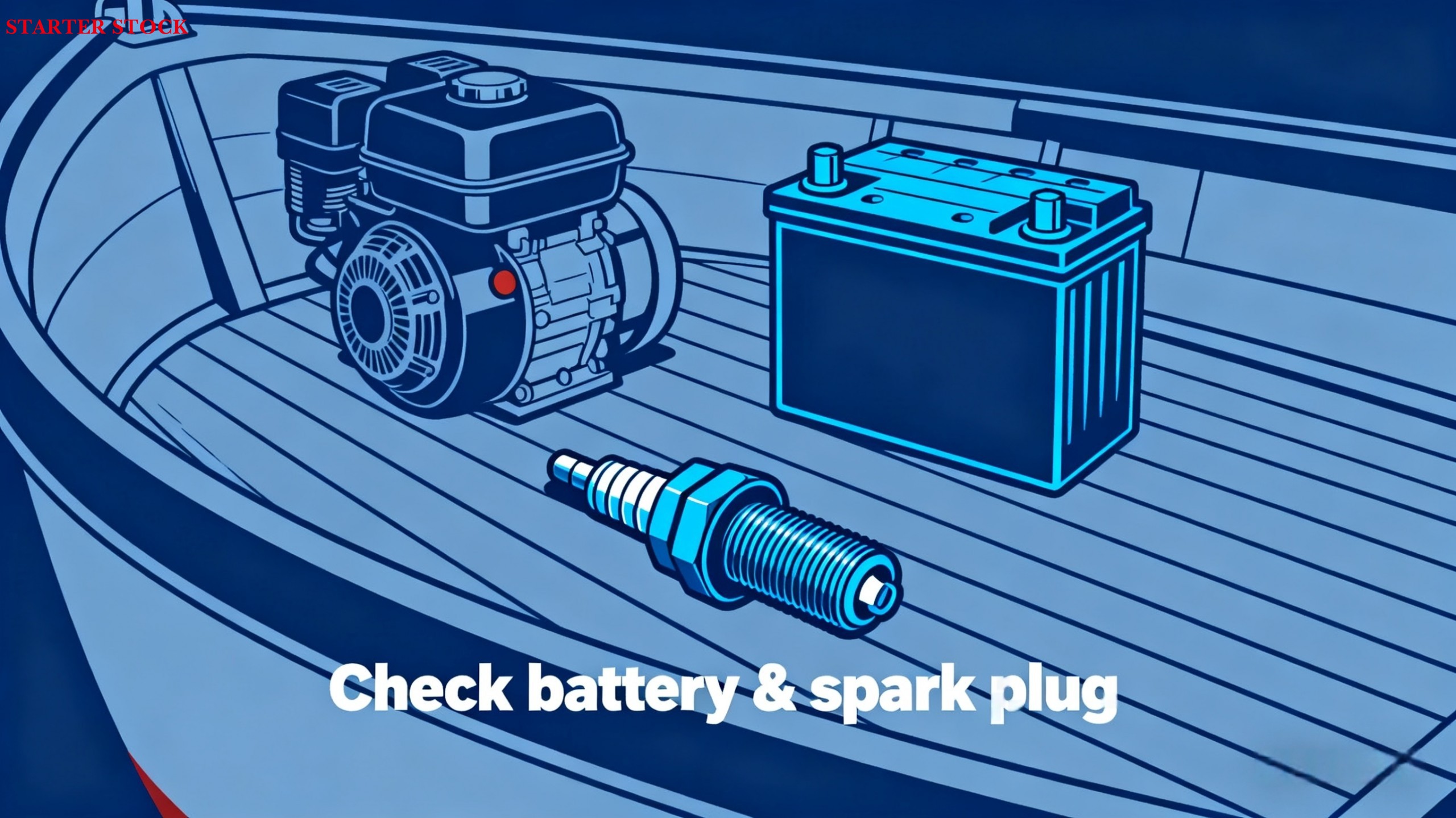
1.Difficulty or inability to start
Symptoms: The starter motor does not turn, only makes a "click" sound, or the starting rope is pulled abnormally heavy/stuck.
Possible reasons: insufficient battery power, starter motor failure, circuit issues (fuses, wiring), or mechanical jamming inside the engine (such as severe cylinder pulling or bearing lock).
2.Weakened operational performance
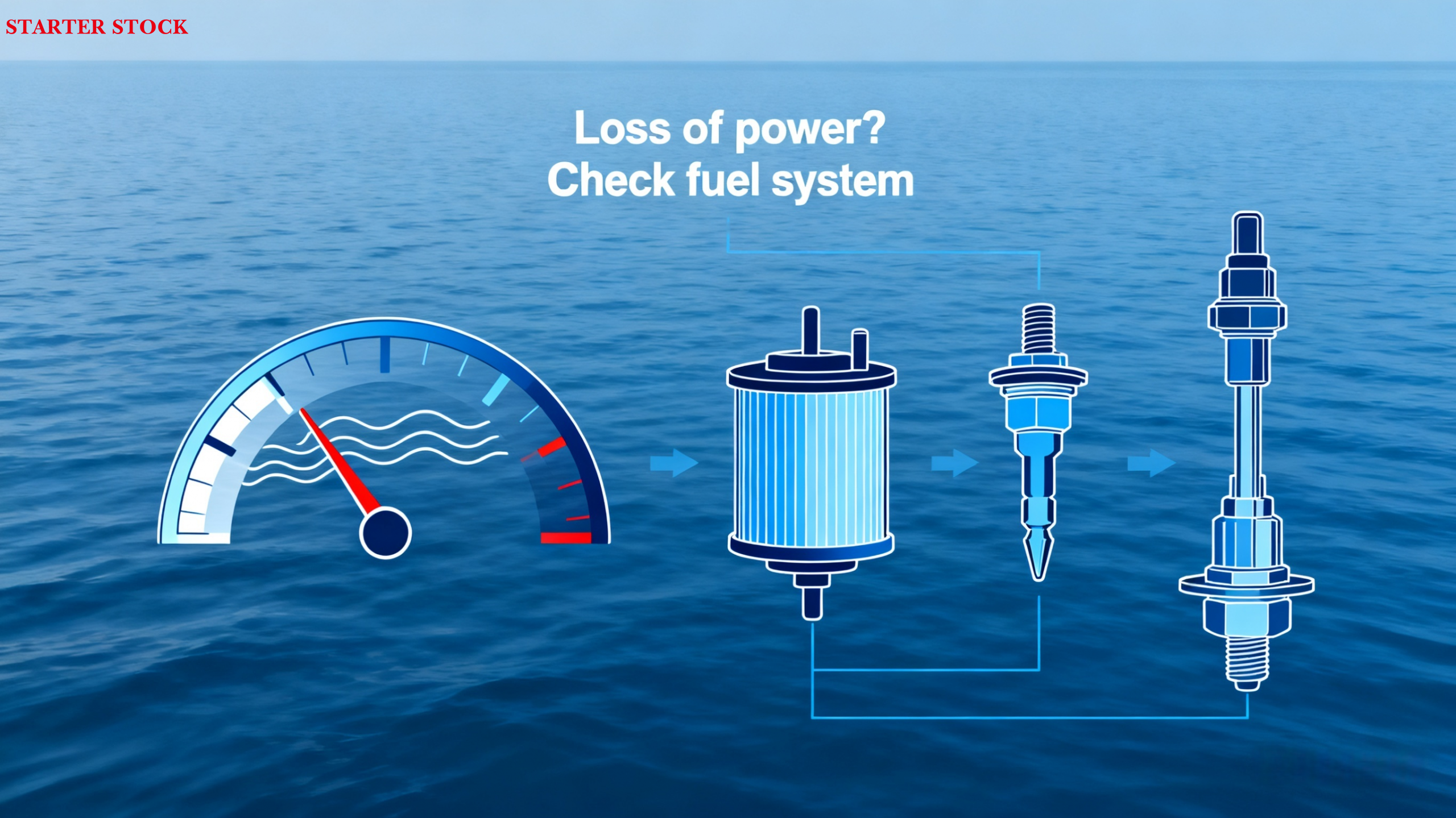
Symptoms: Difficulty reaching maximum speed, weak acceleration, and a significant decrease in ship speed
(excluding propeller entanglement or bottom attachments).
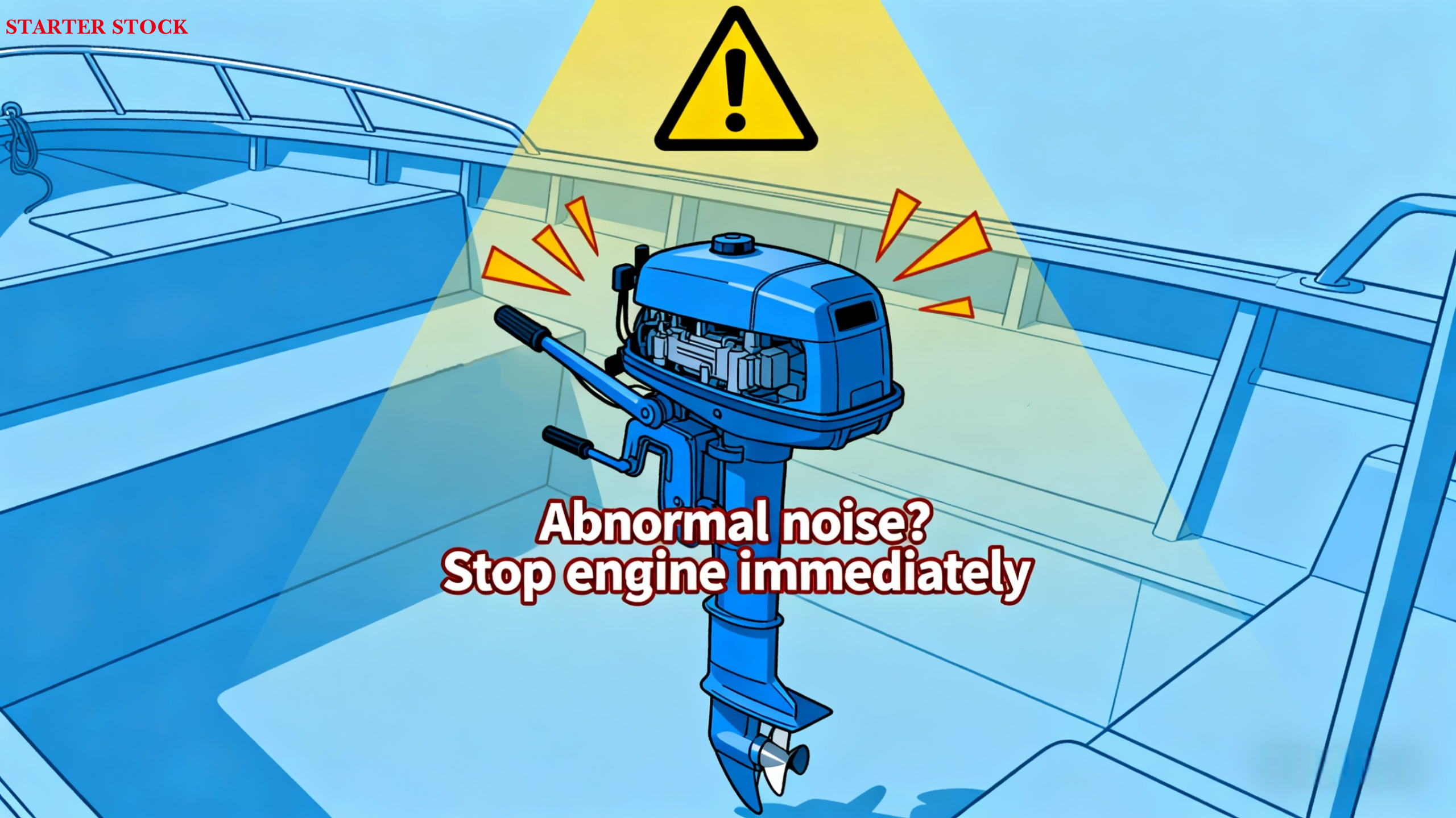
3.Abnormal noise and vibration
symptom:
Knocking sound: The crisp "dada" sound may be caused by knocking or valve problems; The heavy "clanging" sound may indicate a malfunction in the crankshaft connecting rod mechanism.
Scream: It may be due to damage to the water pump impeller or belt slippage.
Severe vibration: It may be caused by damage to the engine bracket, failure of crankshaft dynamic balance, or severe damage/deformation of the propeller.
4.Overheating alarm or abnormal smoke
symptom:
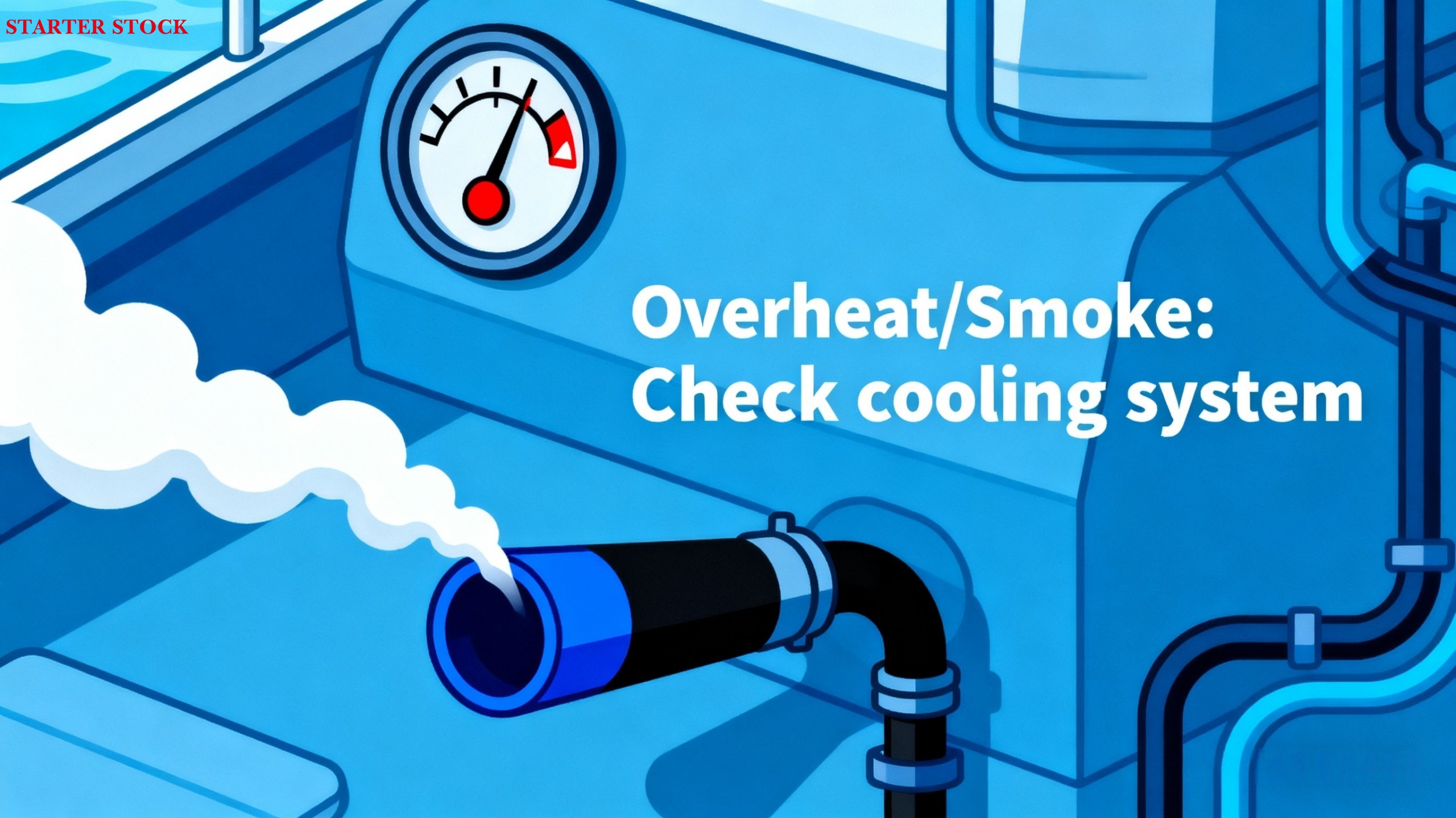
Overheating: The dashboard alarm or cooling water outlet has no water flow (tell tale has no water column spraying out).
Smoke:
Blue smoke: Burning engine oil indicates wear of piston rings, valve oil seals, etc.
Black smoke: Insufficient combustion, usually due to fuel injection issues or poor intake.
White smoke (oil mist): The coolant entering the combustion chamber may be due to cylinder gasket erosion or cylinder/head cracks.
5.Warning light stays on
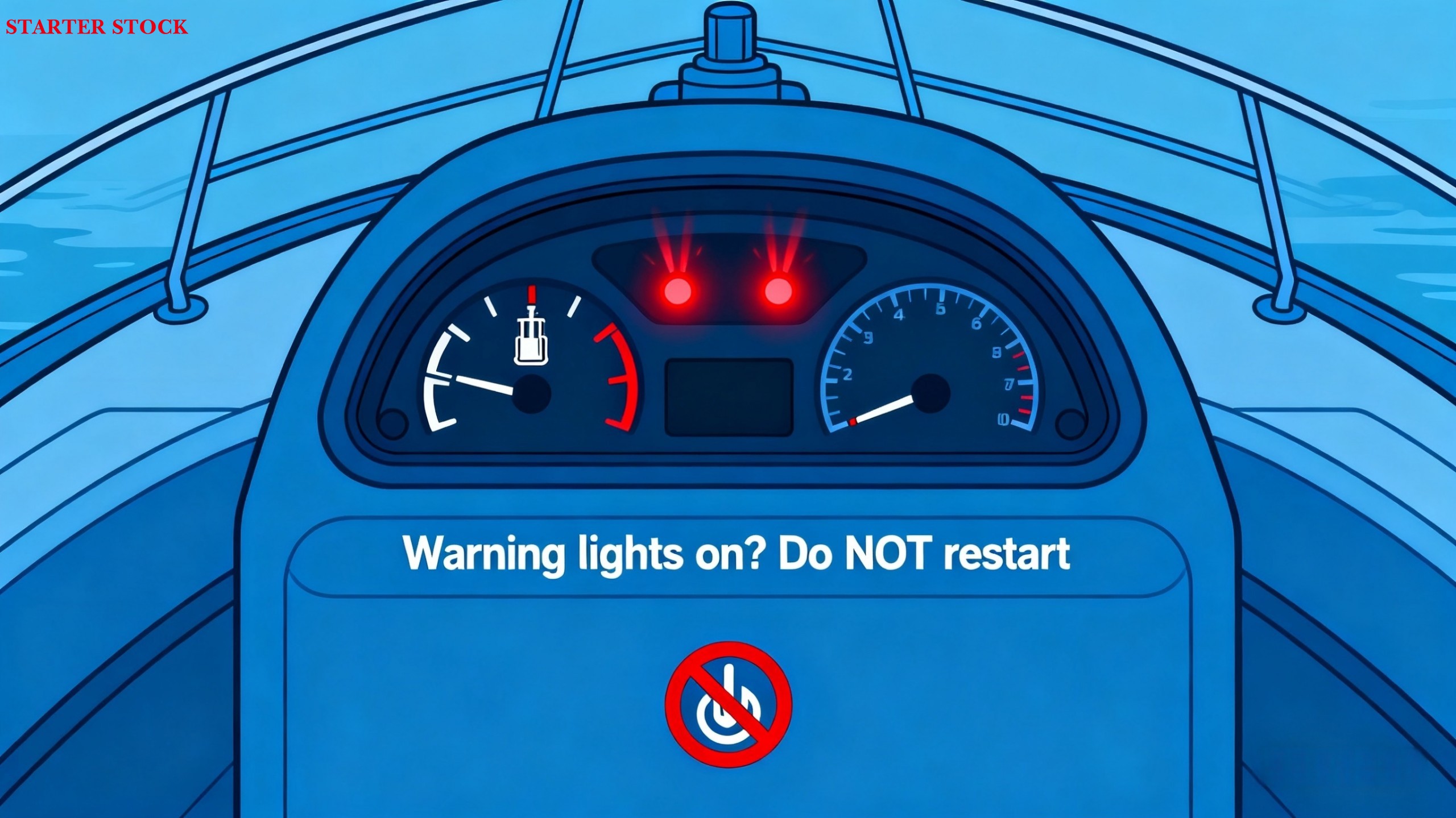
Symptoms: The oil pressure warning light and engine malfunction light (if equipped) on the dashboard continue to light up or flash. Especially when the oil pressure light is on, the machine must be stopped immediately!
Steps to be taken after suspecting motor damage
If the above signs appear, please remain calm and follow the following procedure:
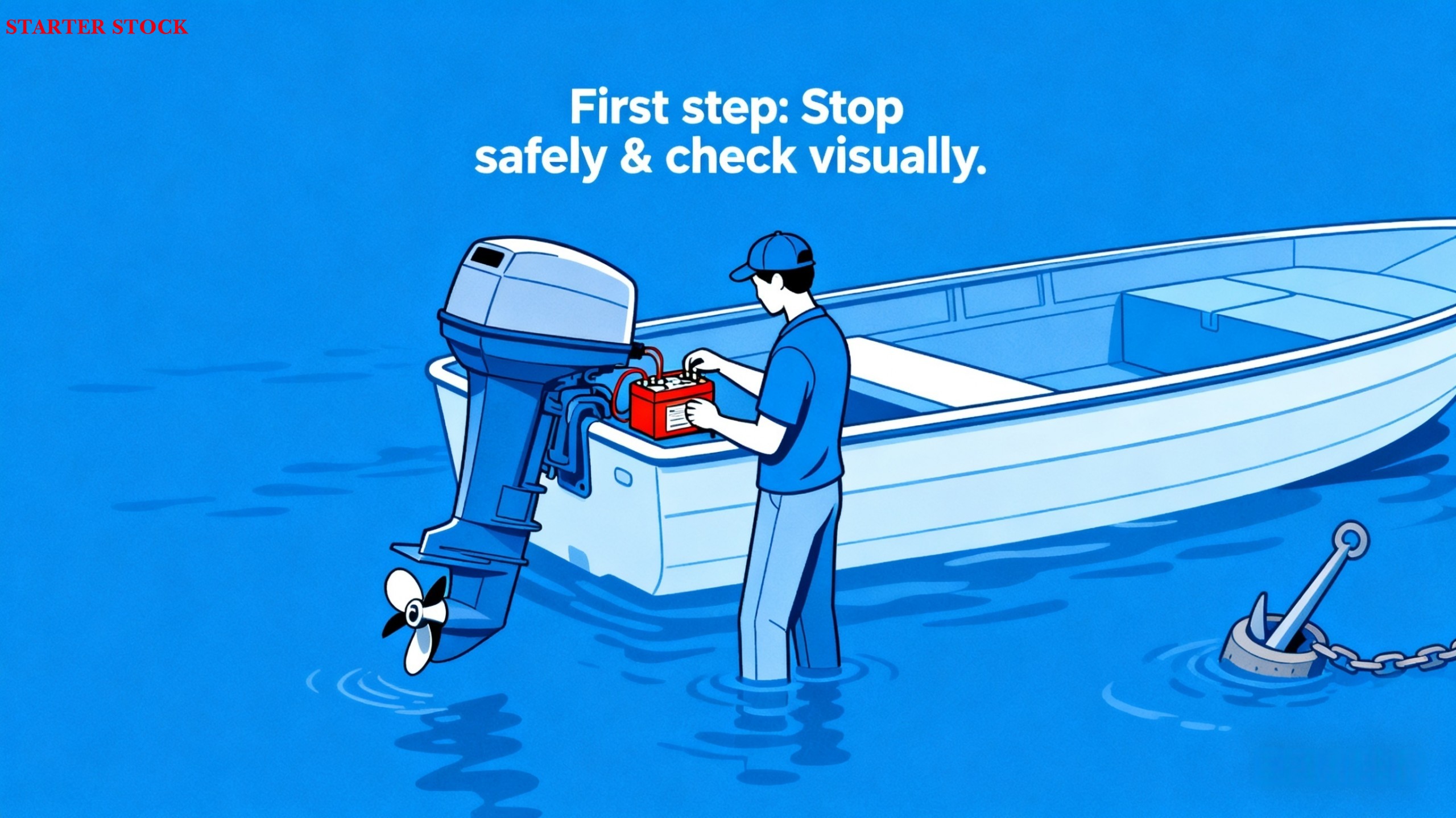
Step 1: Immediately stop the engine in a safe manner
Once abnormal engine noise, severe vibration, overheating, or oil pressure alarm is detected, immediately shift the throttle to neutral and shut down the engine. If a ship is sailing in the sea, it should find a way to safely drift or anchor the ship, and turn on the signal lights as a warning.
Step 2: Preliminary on-site assessment and investigation
Appearance inspection: Check for obvious damage on the exterior of the engine, such as oil leakage, water leakage, loose wiring, or broken components.
Basic troubleshooting: Check the battery voltage, fuses, fuel inventory, and whether the fuel filter is clogged. Check if the propeller is tangled or damaged with fishing lines.
Caution in trying: If the problem is not serious (such as difficulty starting only), you can try troubleshooting the starting circuit or spark plug. But if it involves internal mechanical noise, do not repeatedly forcefully start it.
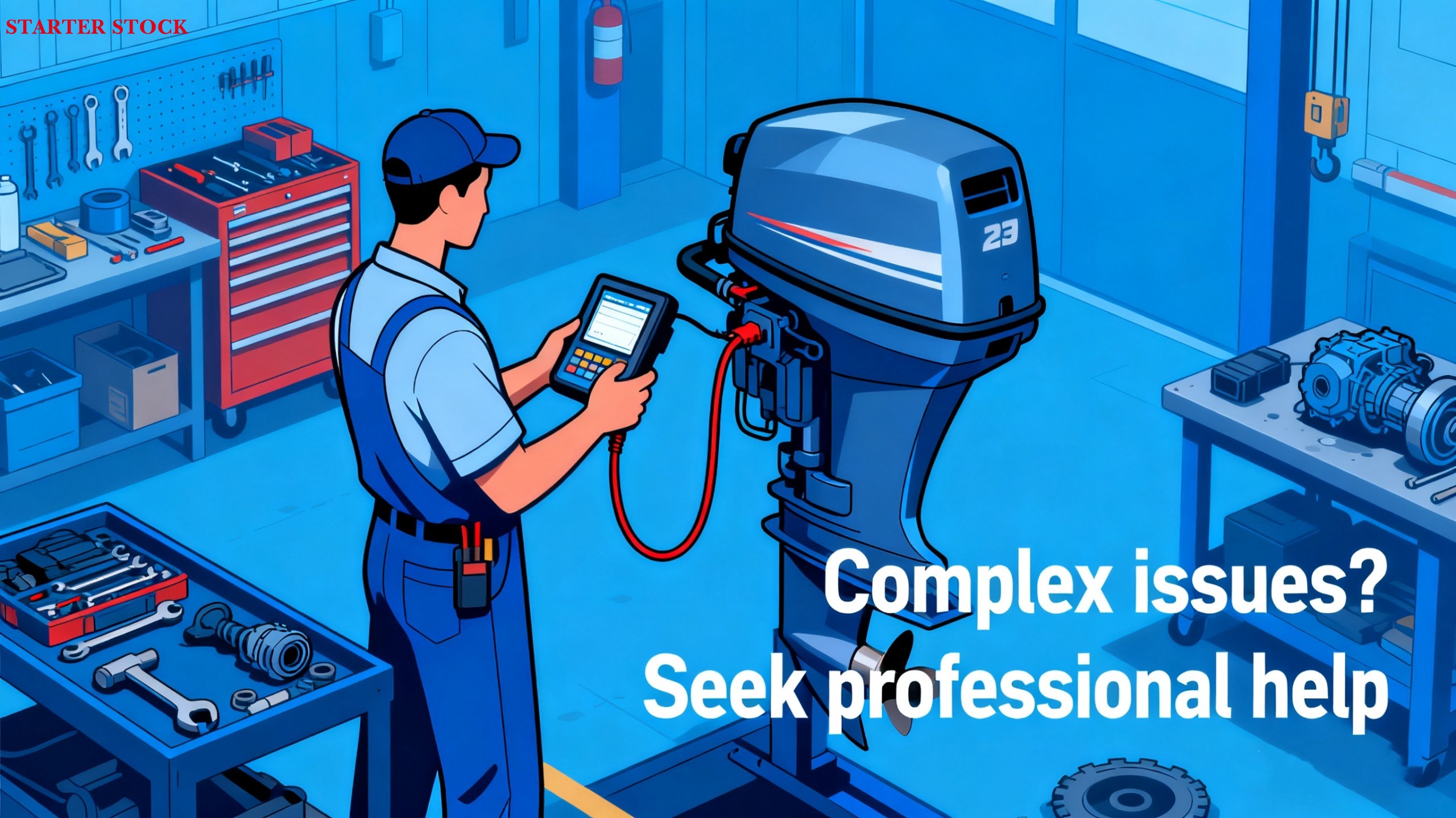
Step 3: Decide to dispose of it on your own or seek professional help
Simple question: If you have professional knowledge and tools, and confirm that it is a problem with vulnerable parts such as spark plugs and filters, they can be replaced on site.