
-
87
-
2025-10-09 14:53:16
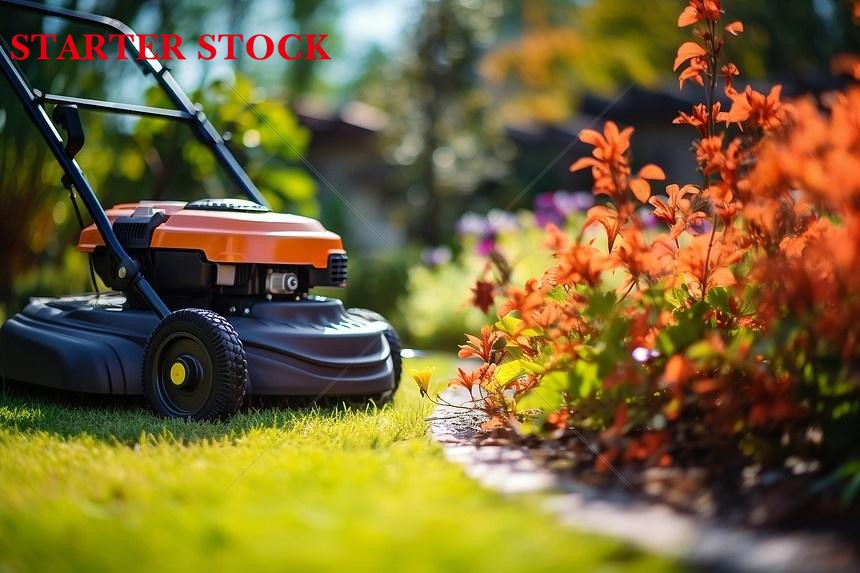
During summer lawn maintenance, many people run into this issue: when you press the lawn mower’s starter switch, you only hear a “click” or get no response at all—the starter just won’t engage with the engine flywheel. This not only delays mowing progress but also risks worsening the fault due to incorrect handling. The failure of the starter to work is often related to the battery, mechanical components, or circuit connections. Understanding the core reasons can efficiently investigate.
I. Battery: "Power Source" Fault of the Starting System
The starter of a lawn mower (especially the electric type) relies on the battery to provide instantaneous current. If the battery power is insufficient or the wiring is abnormal, it will directly result in the starter being unable to drive the gear meshing.
• Issue 1: Battery Discharge
Long-term idleness (such as storage during winter) or faults in the charging system (such as the generator not generating electricity) can cause the battery voltage to drop below 12V (the standard voltage for most lawn mower batteries). At this point, when the start button is pressed, there may only be a faint "buzzing" sound, or the starter gear may only tremble slightly without engaging.
Solution: Firstly, use a multimeter to check the battery voltage. If the voltage is below 11.5V, you can use a dedicated charger to charge it for 4-6 hours; If the voltage still cannot recover after charging, it indicates that the battery has aged (usually with a lifespan of 2-3 years), and it is necessary to replace it with a lead-acid battery of the same model.
• Issue 2: Corrosion or Loosening of Battery Terminals
When the battery terminals are exposed to a damp environment for a long time, a white or green oxide layer may form, interrupting the current transmission. Even if the battery is charged, the starter will not receive sufficient power.
Solution: Turn off the power of the lawn mower, loosen the terminal nuts with a wrench and remove the wires; use sandpaper or a wire brush to polish the terminals and wire ends to remove the oxide layer. Then reconnect them tightly and apply a small amount of Vaseline to prevent corrosion.
II. The Starter Itself: “Wear and Jamming” of Mechanical Components
The starter is the core part that directly drives the gear into engagement. Wear or jamming in its internal gears or solenoid will disable the engagement action.
• Issue 1: Worn or Broken Starter Gear
The starter gear (also called the “drive gear”) needs to mesh with the engine’s flywheel ring gear. If the gear teeth become worn down, broken, or jammed due to insufficient lubrication after long-term use, the gear can’t pop out smoothly to connect with the flywheel—even causing a “slipping” noise.
Solution: Disconnect the battery wires, then remove the starter (usually fastened to the engine side with 3–4 screws). Check the gear surface: if teeth are worn more than 1/3 or broken, replace the starter gear. If the gear is jammed, add 2–3 drops of lubricating oil (e.g., sewing machine oil) and manually push the gear to check if it moves freely.
• Issue 2: Faulty Solenoid Switch
The solenoid switch acts as the “valve” controlling the starter gear’s extension and retraction. If its internal coil burns out or contacts oxidize, the gear won’t pop out—you might hear an electrical hum when pressing the start button, but the gear won’t move.
Solution: Use a multimeter to test the solenoid’s terminals. If there’s no voltage change when power is applied, the coil is faulty. Replace the entire starter assembly (starter assemblies for small lawn mowers are affordable and easy to replace yourself).
III. The Drive System: Flywheel Ring Gear Wear & Alignment Issues
The starter gear must mesh precisely with the “ring gear” on the engine flywheel. If the ring gear is worn or the starter is misinstalled, the gears won’t line up.
• Issue 1: Worn Flywheel Ring Gear
The flywheel ring gear meshes with the starter gear long-term, so its teeth are prone to chipping or wear. Especially if the engine stalls suddenly during startup (e.g., due to jamming), the ring gear may be damaged by sudden impact. At this point, the starter gear can pop out but won’t mesh with the worn ring gear, producing a harsh “slipping” sound.
Inspection & Solution: Disconnect the spark plug wire (to prevent accidental engine startup), remove the mower’s side cover, and rotate the flywheel to check the ring gear. If there’s obvious chipping or wear, replace the ring gear (this requires professional tools to remove the flywheel—beginners should consult a repair technician to avoid damaging the crankshaft).
• Issue 2: Misinstalled Starter
If the starter has been disassembled before and the screws are not tightened or the position is offset when reinstalling, it will cause the starter gear and the flywheel ring gear to be "not in the same plane", and the gear cannot be smoothly inserted into the ring gear.
Solution: Loosen the starter fixing screws, manually adjust the starter position, ensure that the gear is aligned with the flywheel ring gear, and then tighten the screws one by one (with moderate force to avoid screw slippage).
IV. Electrical Connections: “Hidden Breaks” Blocking Current
Beyond the battery, issues with the starting system’s wiring or fuses can also cut off current to the starter.
• Issue 1: Loose or Broken Wires
The vibration during the operation of the lawn mower may cause the wire connection from the start switch to the starter to loosen, or the wire may break due to aging and friction.
Solution:: Check each wire from the start switch to the starter one by one, with a focus on whether the joints are loose and whether the outer sheath of the wires is damaged. If a break is found, the joint should be wrapped with insulating tape or the entire section of the wire should be replaced.
• Issue 2: Blown fuse
Some lawn mowers are equipped with fuses in the starting circuit (usually located in a fuse box near the battery). When the starting current is too large (such as when the starter gets stuck), the fuse will blow to protect the circuit.
Solution: Open the fuse box, take out the fuse and observe. If the metal wire breaks, replace it with a fuse of the same specification (common models are 15A or 20A, cannot be replaced with a larger specification, otherwise it may burn out the starter).
V.“Hidden Factors”: Engine Seizure & Environmental Impact
In rare cases, a non-engaging starter isn’t a fault of the starter itself, but rather excessive resistance from a seized engine preventing the starter from moving the gear.
• Issue 1:Engine Seizure
For mowers left unused long-term, congealed oil or stuck pistons can stop the engine from turning. When the starter tries to drive the flywheel, the excessive resistance keeps the gear from engaging—even burning out the starter.
Solution: First, check the engine oil. If it is cloudy or solidified, replace it with new oil (select the corresponding viscosity according to the model of the lawn mower, such as SAE 10W-30). If the piston still gets stuck after changing the engine oil, you can remove the spark plug, inject a small amount of engine oil into the cylinder, let it stand for 10 minutes, and then manually turn the flywheel to relieve the adhesion of the piston.
• Issue 2:Low temperature environmental impact
When the temperature is below 5 ℃, the battery capacity will decrease, the viscosity of the engine oil will increase, the starting resistance will increase, and it may also cause difficulty in engaging the starter.
Solution: Move the lawn mower indoors (15-20 ℃ environment) and let it sit for 1-2 hours, or preheat the battery (such as wrapping it with a hot towel), and then try to start it.
Prevention: 3 Habits to Reduce Starter Faults
Most starter issues can be avoided through daily maintenance:
1.Regularly check the battery: measure the battery voltage with a multimeter every 2 months, fully charge it before storing in winter, remove the battery and store it separately (to avoid low-temperature freezing damage);
2.Cleaning and lubrication: Before use every spring, check the starter gear and flywheel ring gear, and apply a small amount of lubricating grease; Clean the oxide layer of the terminal post to keep the circuit unobstructed;
3.Correct startup operation: When pressing the start switch, the duration of each press should not exceed 5 seconds. If it does not start at one time, wait for 10 seconds and then try again to avoid overloading the starter.
If the starter still cannot engage after the above investigation, it is recommended to contact professional maintenance personnel to avoid disassembling it on your own and causing greater damage.