

-
116
-
2025-10-23 13:55:55
If you own a car, there’s nothing more embarrassing (or a bigger hassle) than breaking down mid-drive—or worse, not being able to start your engine at all when you’re halfway somewhere. Most of the time, the issue isn’t your engine—it’s your alternator, that part that quietly keeps all your car’s power running. Think of the alternator like your car’s built-in power bank: it charges the battery and keeps electricity flowing to stuff like your lights, AC, and infotainment system. If it craps out, your car’s probably gonna die on the road. But here’s the good news: with simple, everyday checks, you can cut way down on the chance of alternator trouble. Today, let’s break down how to take care of your car’s alternator—so your ride always has the juice it needs.
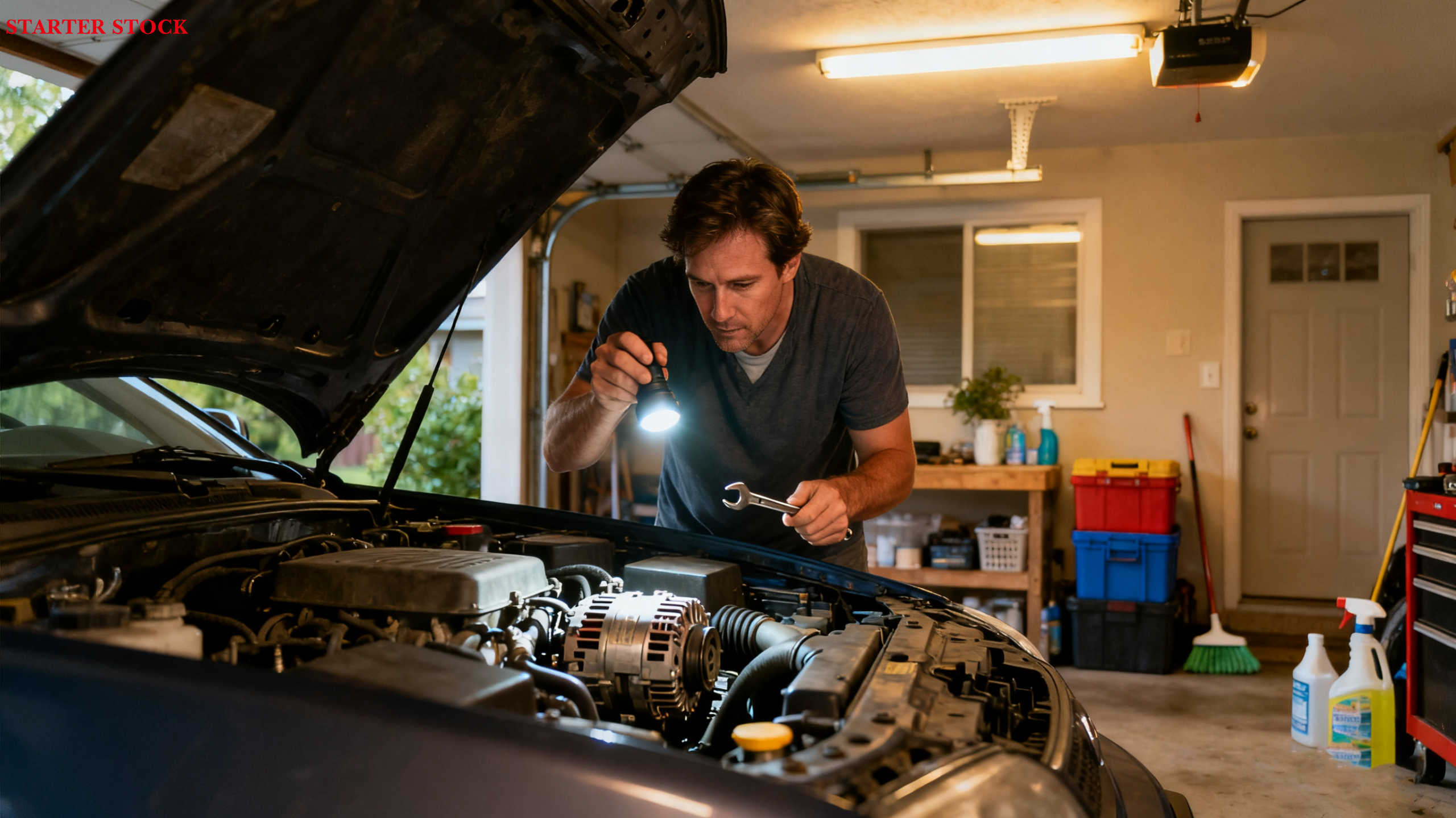
1. First, get what the alternator does: No overcaring, no ignoring
Lots of car owners get the alternator wrong. Some think it’s “tough” and ignore it till it breaks. Others treat it like it’s “fragile” and hit the shop too much. But alternator care isn’t hard. Once you know how it works, you’ll skip mistakes.
Your car starts. The alternator starts too. It uses a belt to turn mechanical energy into electricity. It does two things: charges the battery (saves extra power) and feeds electricity to your car’s gear. Like, when you use AC or play music while driving—most power comes from the alternator, not the battery. If the alternator fails, the battery dies fast. Then your car won’t start again after you turn it off.
Here’s a common mix-up: People think a dead battery means the battery’s bad. But often, the alternator just isn’t charging it. So caring for the alternator protects the battery too. Saves you from buying a new battery for no reason. The alternator’s key parts? Belt, bearings, rectifier, brushes. Daily care focuses on these. You can check some stuff yourself at home—easy.
2. Daily checks: 3 quick things, 5 minutes a week
You don’t need to wait for regular maintenance to check the alternator. Spend a few minutes before or after driving. Do these simple checks. Catch problems early.
First: Look at the belt. Don’t start the car. Pop the hood—safety first. Find the alternator belt. It’s that black rubber band connecting the alternator and engine. Check it good. See cracks? Is it rough or old? Edges worn? If it’s loose—press it with your hand, and it goes down more than an inch—tighten it. Any cracks, even small ones? Replace it fast. Old rubber breaks sudden. Breaks while driving? Alternator stops. You’ll be stuck.
Second: Listen for weird noises. Car’s running. Idling—like at a stoplight. Listen to the engine bay. Hear a squeal? A low hum that’s off? Could be alternator bearings worn. Or the belt slipping on the pulley. Don’t stress. Watch it a few days. Noise gets louder? Take it to the shop. Only happens sometimes? Probably just the belt slipping a little. Have the mechanic check bearings next oil change.
Third: Check the battery. Battery and alternator work together. Checking the battery tells you if the alternator’s doing its job. Start the car. Use a multimeter to check battery voltage. No multimeter? Look at the battery light. Most have green or red. Green’s good. Red means charge or replace. Normal voltage, car on? 13.5 to 14.5 volts. Below 13? Alternator isn’t charging enough. Something’s wrong. Above 15? Alternator’s pushing too much power. Ruins the battery over time. Either way, fix it soon.
3. Cleaning care: Keep dirt out, alternator lasts longer
Alternator hates two things: dirt and moisture. Dust, oil, rain in the engine bay get inside. Damage parts. Keep it clean—add years to its life.
Cleaning the alternator? First, cut power. Unplug the battery’s negative wire (the black one). No shocks, no short circuits. Then use a dry cloth. Wipe the alternator’s outside. Get rid of dust. Oil on the case? Use a cloth dipped in a little soapy water. Wipe, then dry right away with a clean cloth. Never pour water on the alternator. Don’t use a pressure washer on the engine bay. Water gets inside. Shorts the coils.
Also, watch the alternator’s air vents. Sides have small vents—keep it cool. Vents get clogged with dust easy. Clogged? Alternator can’t cool. Hot temperatures make parts age fast. Clean them with a small brush—like an old toothbrush. Brush gently. Get dust out. Don’t press hard—break the vent grilles.
Another spot people miss: Alternator terminals. These connect the alternator to the battery. Over time, they oxidize or rust. Bad contact. Charging gets worse. See green or white gunk on terminals? Use sandpaper. Sand it off gentle. Then put a little petroleum jelly on. Stops rust. Reconnect the battery wires tight.
4. Oil-related care: Don’t miss small stuff, avoid big problems
“Oil-related” doesn’t mean add oil to the alternator. It means keep oil, coolant, other fluids off it. And pick the right belt lubricant.
Lots of people spill oil on the alternator belt when adding engine oil. Or hoses in the engine bay leak—oil or coolant drips on the belt. Oil and coolant eat rubber belts. Belts age faster. Slip. Hurts alternator work. So be careful adding oil—don’t spill. Spill on the belt? Wipe with a dry cloth right away. Also, check the engine bay often. See oil spots on the ground? Fluid residue? Find the leak. Fix it. Don’t let fluids ruin the alternator.
Some people put lubricant on the belt to stop slipping. Tip: Don’t use regular motor oil or grease. These eat the belt. Make it age faster. Do use special belt lubricant. Buy it at auto shops—cheap. Spray a little on the belt surface. Less friction between belt and pulley. Don’t use too much—extra oil drips on other parts.
5. Special cases: Watch these, don’t overwork the alternator
Daily care isn’t all. Protect the alternator in special cases. Don’t make it work too hard.
Like: Don’t leave lights on or play music long after turning the car off. Lots of people wait in the car with the engine off. Turn on headlights or music. All power comes from the battery. Alternator isn’t working—can’t charge. Do this too long? Battery dies. Next time, hard to start the car. Frequent dead battery? Hurts battery and alternator. Right way: Need to stay in the car a while? Keep engine idling. Alternator works. Charges the battery. Doesn’t use much gas.
Rain or driving through water? Don’t let the engine bay get wet. Cars handle some water, but deep water gets into the alternator easy. Causes short circuits. Drove through water? Open the hood fast. Check if alternator’s wet. Wet case? Wipe dry with a cloth. Wait till it’s totally dry. Then start the car. Alternator acts up after water—like battery light on the dash? Stop driving right away. Don’t keep going—break more parts.
Also: Don’t add high-power stuff to your car just because. Some people put in bright HID lights, loud speakers, or dash cams. These make the alternator work harder. Too powerful? Alternator can’t keep up. Works too much. Ages fast. Even burns out. Want to add stuff? Ask a pro mechanic first. Pick the right power. Don’t stress the alternator.
6. Maintenance schedule: Remember two times, don’t waste money
Daily checks matter. But regular pro checks at the shop matter too. Remember these two times. Keep alternator working. Don’t spend extra cash.
First time: Every 20,000 miles. Car hits 20k miles? Do regular maintenance—oil change, new oil filter. Ask the mechanic to check the alternator belt. Is it tight? Worn? Check bearings too. This check is usually free—quick. Catches problems you can’t see at home. Like bearing wear inside—can’t see from outside. Mechanic needs special tools.
Second time: Every 5 years or 100,000 miles. Alternator usually lasts 5 years or 100k miles. After that? Even if no obvious problems, parts like brushes and rectifier start to age. Ask the mechanic to take the alternator apart. Check it all. Replace old parts—brushes, bearings. Lots of people think “if it’s not broken, don’t fix it.” But replacing old parts early is cheaper. A broken alternator might ruin the battery too. More repair costs. And you could get stuck on the road—huge hassle.
Conclusion: Small care goes far, keep car trouble-free
Caring for your car’s alternator isn’t hard. No fancy skills needed. Just spend a little time each day. Do simple checks. Keep it clean. Skip mistakes. Alternator works well.
Lots of car owners say “cars are for driving—fix when broken.” But daily care takes less time and money than fixing a breakdown. Saves you hassle too.
Hope this guide helps you care for your alternator. Start today: Open your car’s hood. Look at the alternator. Do a quick check. Make it a habit. Your car stays powered. Takes you safe wherever. No more stuck-on-the-road hassle.