
-
173
-
2025-10-31 17:29:57
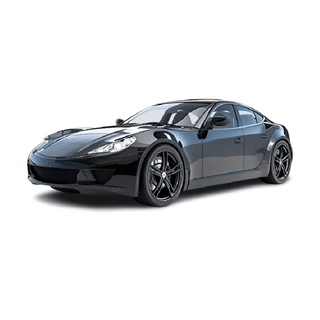
This electric car has power, the dashboard says the battery is fully charged, but when you press the accelerator pedal, the car doesn't move at all. This is extremely confusing and frustrating - it obviously has power, but is "paralyzed" in place. This is usually an indication of a problem in one of the following key areas and requires a step-by-step troubleshooting process.
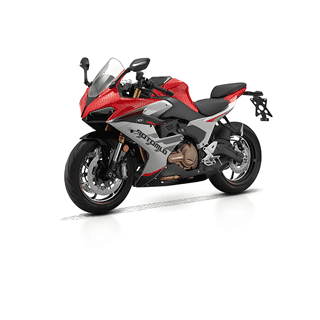
The electric bike has power but just won't start? This usually means there's a problem with the bike's control system or power transmission system. Specifically, there are four common reasons:
1.Battery connection problems: If the cables of the battery pack are loose or the connectors are corroded, the current can't be sent to the motor properly. Low-power parts (like the dashboard) might seem to be working fine, but when there's a high demand for current, it'll cause the situation where it has power but doesn't move. Promptly inspecting and replacing the battery cables is usually an effective solution.
2.Loose controller power cables: The controller acts as the “brain” of the electric vehicle. If the red and black thick power cables on it have poor contact, the “brain” cannot function. If this issue occurs, it is essential to visit the manufacturer or a professional repair shop to have technicians re-adjust the controller wiring to ensure a secure connection.
3.Is your brake power-off signal malfunctioning? The design of most e-bikes is for power reduction when the brakes are squeezed – it's a safety feature. However, the system may erroneously interpret this as constant braking. This could happen if the brake cable is overly taut. It could also happen if the lever becomes immobilised and fails to return to its original position. In this case, regardless of the twisting force applied to the throttle, the motor will not start. The solution? The cable needs only to be loosened slightly. This will allow the switch to reset properly.
4.Throttle not responding? Since it is used all the time, the throttle grip tends to be worn out. Over time, water, dirt or just plain aging can damage the internal sensor. This can lead to jerky or no response when accelerating. As it constitutes a pivotal element with regard to both control and safety, the optimal course of action would be for it to be replaced with an official replacement from the manufacturer. Don't risk it with a cheap copy.
Eight Reasons Why an Electric Bike Won't Move Despite Having Power and Solutions:
When an electric bike fails to move despite having sufficient battery power, the issue typically lies within the critical components that convert commands into action. Below are the Eight most common causes and their corresponding solutions:
1. Throttle malfunction
As the component that directly controls speed, damage to the throttle's internal Hall effect sensor or wiring will prevent it from sending acceleration signals.
Solution: Replace the throttle with a new one after inspection and confirmation.
2.Controller Damage
The controller serves as the “brain” of the electric vehicle, processing throttle signals and driving the motor. Damage to it disrupts the entire power transmission chain.
Solution: Require professional diagnosis and replacement with a compatible controller.
3.Motor Malfunction
The motor is the ultimate power output source. Things like coil burnout, magnet detachment, or brush wear (for brushed motors) will directly cause the vehicle to lose power.
Solution: Depending on the severity of the damage, the option of professional repair or replacement of the entire motor is available.
4.Battery Corrosion or Degradation
Severe corrosion at battery terminals can lead to battery aging. This increases internal resistance. It also reduces output voltage. This can fail to meet the high current demand during motor startup.
Solution: If the terminals are corroded, clean them or replace the wiring harness and battery.
5.Brake Lockup
If the brake disengagement mechanism remains stuck in the closed position, it continuously sends a “brake” signal to the controller. Power is then forcibly cut by the system to ensure safety.
Solution: You must adjust or loosen overly tight brake cables to ensure the brake lever can fully return to its neutral position.
6. Loose wiring, poor connections, or moisture in electric bike cables.
First, loose wiring tends to occur more frequently during cold winter weather. This is because freezing temperatures can cause cables to loosen. The cause of poor connections is often vibrations during riding, causing cables to detach or making poor contact, or from prolonged use over time. Another common cause is moisture build-up after rainy weather.
Solution: If the connections are loose or poor, tighten the wiring or reconnect it. Replace aged wires with new ones. In the event of moisture being the cause, the use of a hairdryer is recommended for the drying of the wires. Avoid riding in heavy rain. Never allow the wires to become submerged.
7. Failure to disengage the P-gear.
Many modern e-bikes feature a P-gear designed to prevent runaway accidents caused by children playing with the vehicle. If the P-gear is not disengaged during startup, the vehicle will not start properly.
Solution: Firmly press the P-gear switch while riding.
8. Unreleased brakes can also prevent the e-bike from starting.
Solution: Attempt a reset of the brake cable assembly. In the event of failure, seek assistance from a mechanic for the repair or replacement of the brake cable.
To sum up, the main problem that stops an electric vehicle from moving even though it has electricity is usually in the command transmission or the power execution stages. There are many possible causes for this problem, including throttle grip malfunctions and stuck brake power-off switches. It could also be problems with the controller, motor wiring, or the motor itself.