
-
91
-
2025-12-04 16:31:29
How to Winterize Your Outboard Motor
I. First Understand: Why Is Winter Maintenance a “Life-Saving Operation”?
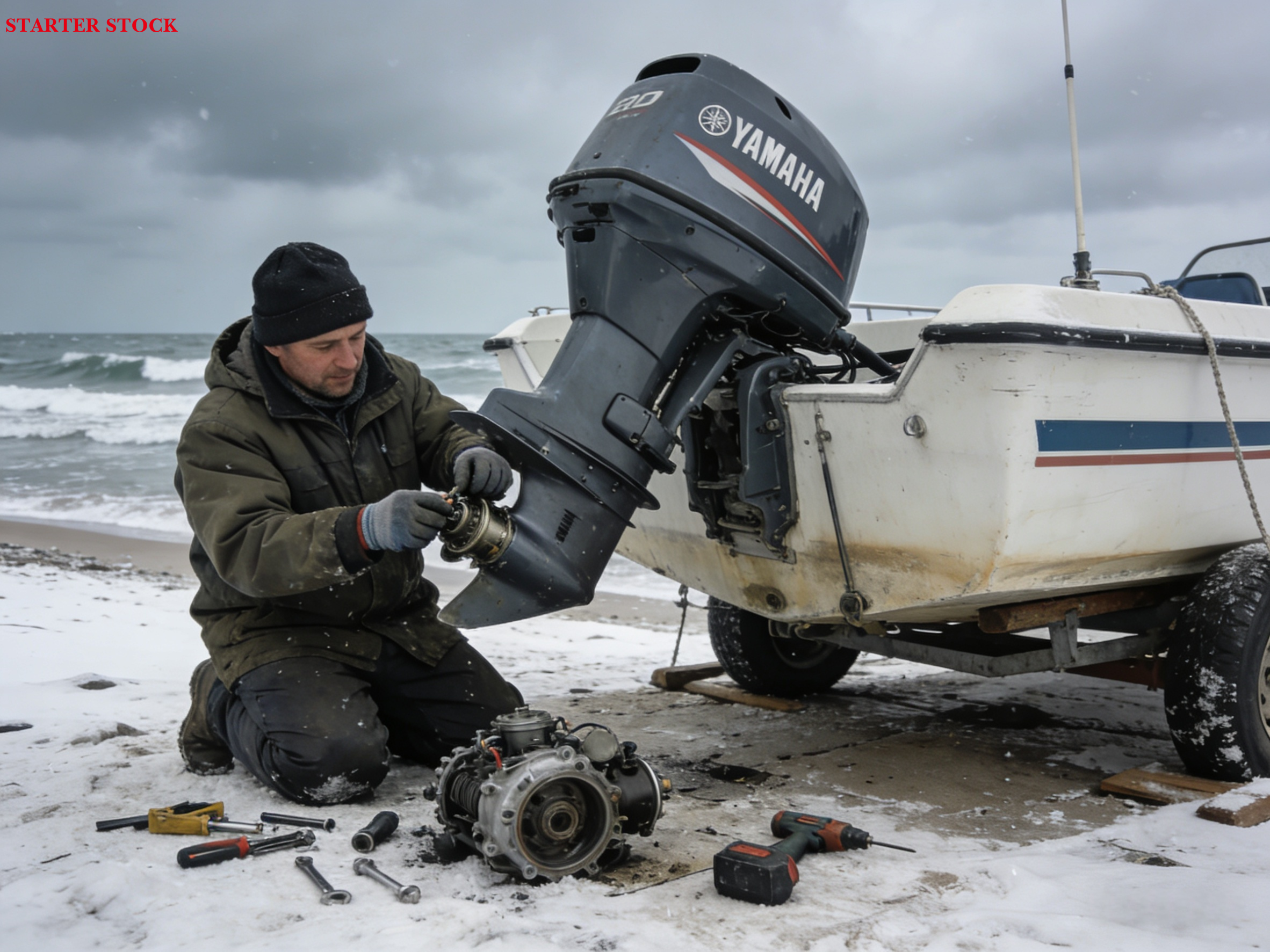
Bro, don't think winterizing your boat is as simple as docking it and covering the engine! Cold temperatures are like an invisible killer. An engine left unprepared can suffer severe damage—cracked cylinder blocks, clogged fuel lines, rusted gears. When spring comes and you're crying out, “Why won't it start?”, it'll be too late!
II. Prep Work: Gather Tools and Supplies to Avoid Last-Minute Panic
Make sure to check off each item:
Tools: Socket wrench, ratchet wrench (with extension), screwdriver, gear oil pump, oil pan, rags (the more the better—this job gets messy), pipe cleaner (super effective for drain pipes)
Materials: Fuel stabilizer, fogging oil, marine gear oil (DO NOT use automotive oil—they're completely different!), engine oil (four-stroke specific), oil filter, O-rings (stock up on these wear parts), anti-corrosion agent, antifreeze (choose marine-grade—don't skimp and buy the wrong kind)
These items are available at marine supply stores or can be ordered online for next-day delivery. They won't break the bank and are far cheaper than replacing parts come spring.
III. Step-by-Step Guide: Follow Along, Even Beginners Can Do It
1.Cleaning and Flushing: Give Your Engine a Deep Clean
First, thoroughly remove salt deposits, mud, and oil stains from the engine's exterior. Salt is the primary culprit behind corrosion—leaving it unwashed could leave your engine rusty after winter!Rinse the exterior with fresh water, then focus on rinsing the cooling system. let the water flow for 10-15 minutes. For four-stroke engines, ensure water temperature rises and the thermostat opens for thorough flushing. And then, keep the engine upright and drain every last drop of water! Otherwise, freezing temperatures will cause expansion, potentially cracking the cylinder block or exhaust pipes. Then you'll be “bleeding money” to replace parts—a real hassle!
2.Fuel System: Keep Gas Fresh, Don't Turn It Into Trash
The key to this step is to use a fuel stabilizer, which is super easy to operate:
First, fill the fuel tank with gasoline (do not leave it empty to reduce air contact), and add stabilizers according to the instructions, such as adding 1 ounce of stabilizer to 10 gallons of gasoline, without adding too much or too little.
Start the engine and run it for 10-15 minutes, allowing the gasoline with stabilizer to circulate throughout the entire fuel system, including the carburetor and fuel injectors, in order to fully 'lock in freshness'.
If it is a two-stroke engine, the carburetor needs to be removed and cleaned. Soak it in a cleaning agent for a few hours to remove impurities from the nozzle and small holes, otherwise it will likely "strike" next year.
3.Oil Change + Gear Oil: Give Your Engine a Fresh Start
Putting it in the engine in winter is like wearing dirty clothes, it will definitely get sick! A four stroke engine requires changing the oil and oil filter, and the steps are simple:
When the engine is running and the temperature is a bit high, drain the oil. At this time, the oil has good fluidity and can bring out impurities. Use an oil pan to catch the old oil and do not pour it randomly to pollute the environment. That is illegal!
Replace the oil filter with a new one.Next is the gear oil for the gearbox, and this step should not be forgotten! Open the upper and lower oil drain plugs and release the old oil. If the gear oil is turbid with milky white sediment, it indicates that the oil has been mixed with water. Use a gear oil pump to inject new gear oil from the bottom upwards until the oil overflows from the top hole. Quickly replace it with a new O-ring seal.
4.Fogging Treatment: Applying a “Protective Coat” to Cylinders
Fogging oil is the "winter protective clothing" for engines, which can prevent rusting of the cylinder walls. It's not difficult to operate either:
Remove the spark plug, spray an appropriate amount of atomized oil into each cylinder, and then manually rotate the engine a few times to evenly apply the oil to the cylinder wall.
A two-stroke engine can add atomized oil to the fuel and start running until the engine shuts down, allowing the oil to fully cover the internal parts; In addition to the jet cylinder, a four stroke engine also needs to inject some air into the intake duct for comprehensive protection.
This step is like putting a cotton coat on the engine, don't skip it, otherwise the cylinder will rust after winter, and the engine power will be greatly reduced, even pulling the cylinder, which will cost a lot of money to repair!
5.Battery Maintenance: Don't Let It “Hibernate” to Death
Batteries lose charge easily in cold temperatures. Leaving them unused all winter can render them useless—a costly mistake! The correct procedure is:
Remove the battery from the boat, wipe off surface dust and check terminals for rust.
Store it in a warm, dry place like a garage—never leave it outside to freeze.
Recharge every 1-2 months to maintain sufficient charge, or keep it connected to a smart charger. This ensures your battery stays “full of life” come spring, starting reliably without leaving you “staring at the battery in frustration”!
6.Final Check: Cover the Engine Properly
Apply new marine grease to all moving parts, such as the throttle line and steering shaft, to prevent rusting and sticking. Check if the propeller is damaged, clean the debris on the blades, and apply a small amount of lubricating oil on the movable shaft. Spray rust inhibitor on the metal surface of the engine. Install a breathable protective cover for the engine. Park the ship in a dry and ventilated area, slightly lift the bow of the ship, and ensure that the drainage holes are unobstructed.
Once these are done, you can rest assured during the winter. In the spring of next year, when you open the hood and the engine starts, it will buzz. That feeling is incredibly satisfying!
7.Pitfall Guide: Avoid These Mistakes at All Costs!
Don't assume southern winters are too mild for maintenance! Even above freezing, gasoline degrades and components corrode—just more slowly. By the time damage surfaces, it's too late.
Never substitute automotive engine oil or gear oil for marine-grade products! Marine oils and gear fluids are engineered for aquatic environments—waterproof and corrosion-resistant. Automotive oils simply can't handle it. Using them is like poisoning your engine.
Don't forget to drain all water from the engine! Even a tiny amount can crack the cylinder block when frozen solid. By then, it'll be too late for tears—this is the most common rookie mistake. Avoid it at all costs!
Don't skip spark plug replacement! Two-stroke engines' spark plugs accumulate carbon deposits easily, worsening during winter storage. A new one costs little but ensures smooth starts next season. Don't let small savings cost you big!
In short, Winterizing your outboard motor is like giving it a “checkup + hibernation prep.” The steps aren't complicated—just follow them patiently to keep it safe through winter so it can keep cutting through waves with you next year! Remember, “you get what you pay for.” Spending a little time and money on maintenance now saves you big repair bills and avoids the hassle of a dead engine next season. Why not?