
-
103
-
2025-12-11 11:21:27
Picking the right snowmobile engine matters for any business that sells, rents, or runs fleets. The engine sets uptime, fuel cost, and maintenance needs. For B2B buyers, those three things decide profit. This guide gives practical points you can use when comparing engines and suppliers.
1. Start with use-case — be specific
Write down how you will use the machines. Keep it short and clear.
Tourism: many hours, steady speed, customer comfort.
Rentals: heavy turnover, easy repairs, low unit cost.
Rescue / patrol: high torque, reliability, run for long hours.
Cargo / industrial: towing, heavy loads, reinforced parts.
When you know the use-case, selecting displacement, cooling, and support becomes simple.
2. Two-stroke or four-stroke — match to the job
Two-stroke:
Lighter.
Quick acceleration.
Simpler to fix.
Lower purchase price.
Four-stroke:
Better fuel economy.
Quieter, cleaner.
Longer service life.
Lower emissions.
If you run many short tours or need nimble machines, consider two-stroke. For long tours, rescue, or eco-sensitive areas, pick four-stroke.
3. Choose displacement with a margin
Engine size affects climb, towing, and carrying load.
400–600cc — entry-level, light work, most rentals.
600–800cc — balanced for commercial tours and heavier loads.
800–1000cc+ — professional use, heavy towing, steep terrain.
Buy one step up from the minimum needed. A stronger engine under less strain lasts longer.
4. Cooling and continuous operation
Good cooling reduces breakdowns. For commercial use, prefer engines with robust cooling designs: larger radiators, reliable pumps, and thermal protection. If machines run long shifts or tow loads, cooling is a top priority.
5. Parts and local service — make this non-negotiable
Downtime costs more than the part price. Check these before you buy:
Are spare parts stocked regionally or easy to ship?
Is service documentation clear and in your language?
Can the supplier ship parts on a regular schedule?
Do they offer minimum order quantities that fit your needs?
What is the warranty for B2B orders?
If parts take weeks to arrive, you will pay for it in lost work. Prefer suppliers who supply spare parts kits for fleets.
6. Fuel efficiency and operating cost
Calculate cost-per-hour, not just engine price.
Four-stroke often saves fuel per hour.
Bigger engines use more fuel but may finish tasks faster.
Consider typical load and duty cycle when estimating fuel use.
Ask suppliers for real-world consumption numbers under similar loads. If they cannot give that, assume conservative figures and add margin.
7. Noise, emissions, and local rules
Many customers and parks care about noise and emissions. Quiet machines reduce complaints and may be required in protected areas. If you operate near resorts or nature reserves, check local limits and choose engines that meet them.
8. Supplier checklist for B2B
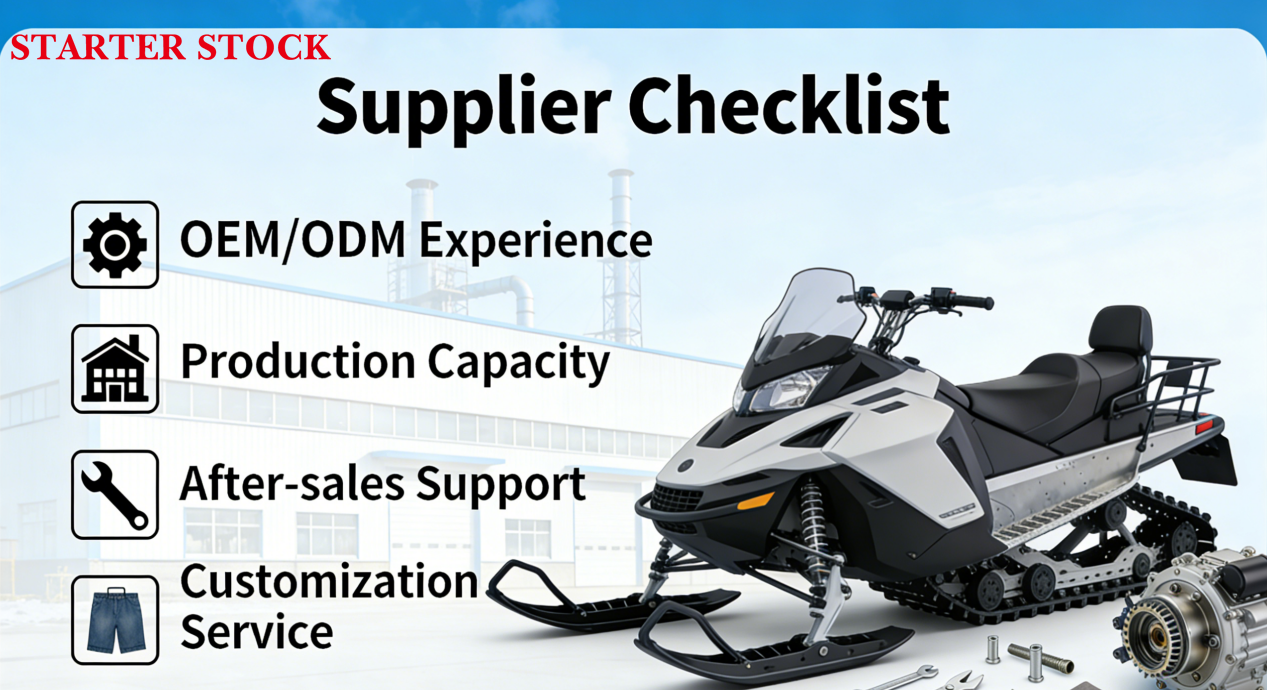
When evaluating a factory or wholesaler, verify these items:
OEM/ODM experience and references.
Production capacity and lead time for bulk orders.
Sample policy and pre-shipment inspection.
Technical support and after-sales contact.
Ability to customize mounts, harnesses, or tuning.
Export experience and shipping reliability.
Clear warranty terms and RMA process.
Ask for a simple checklist from the supplier. If they stall on these questions, look elsewhere.
9. Simple testing before purchase
Insist on tests or videos showing engines under load. Useful checks:
Cold start behavior.
Idle stability.
Full-throttle run for 10–15 minutes.
Cooling stability under continuous load.
Any oil or coolant leaks.
For larger orders, arrange a factory visit or third-party inspection.
10. Spare parts plan and consumables
Plan parts as you would stock fuel. Typical starter kit for a fleet:
Spark plugs (several sets).
Filters (air and oil).
Belts and tensioners.
Gaskets and common seals.
Thermostats and hoses.
Ask your supplier for a recommended parts list based on projected hours of operation.
11. Training and manuals
A short training session for your mechanics reduces mistakes. Demand:
Clear service manuals.
Wiring diagrams.
Troubleshooting flowcharts.
A quick-start checklist for operators.
These documents save time and accidents.
12. Balance price vs. total cost
The lowest unit price rarely wins. Compare total cost of ownership:
Purchase price
Fuel per hour
Parts and labor cost
Downtime risk
Resale value
Do the math for one season. A slightly higher upfront cost that cuts downtime or fuel can be cheaper overall.
13. Quick buying rules
Buy one size up for heavy or high-altitude work.
Prefer proven designs with spare parts available.
Choose four-stroke for tours/patrols; two-stroke for rentals/sport needs.
Verify supplier B2B capacity before negotiating price.
Keep a spare-engine plan for fleets.
14. Final note — test and start small
If uncertain, order a small batch or samples. Run them in your conditions for a season. Use that data to scale orders. This lowers risk and helps you pick the best engine for your customers.