
-
95
-
2025-12-15 11:16:38
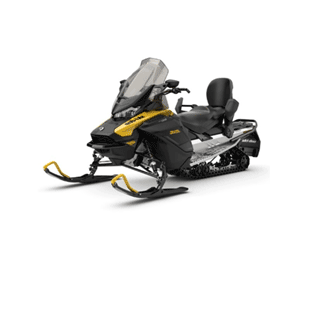
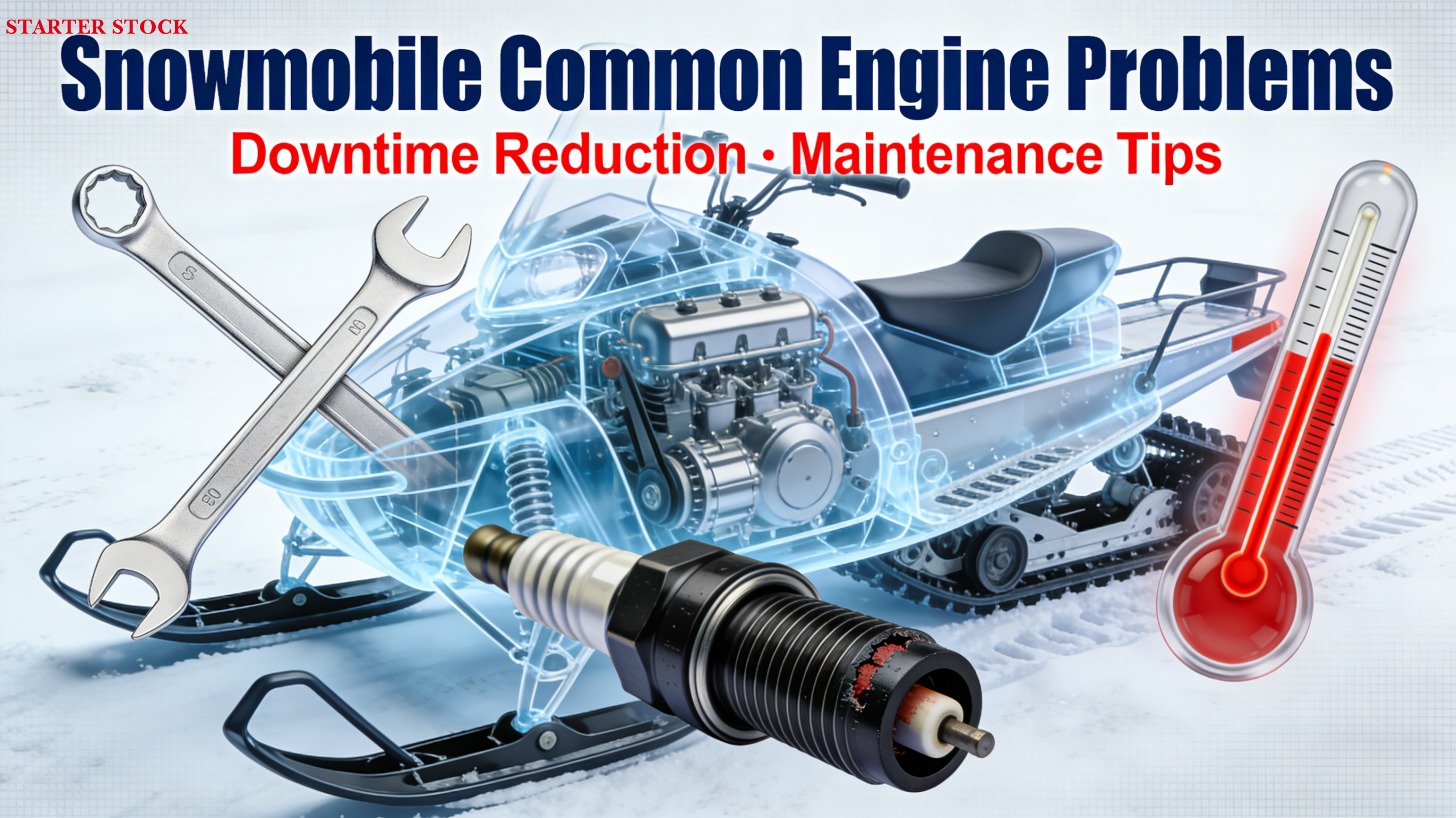
We work on snowmobile engines every season. The same faults show up again and again. If you buy, rent, or service machines, knowing these problems helps you cut downtime and save money. Below I list the most common engine faults, what usually causes them, and simple steps fleets and buyers can take right away.
1. Hard starting in cold weather
This is the top complaint. Engines crank but won’t fire, or they need many pulls.
Typical causes:
Fuel that has thickened or is contaminated.
Old or wrong spark plugs.
Weak ignition coil or bad plug wires.
Carburetor jets clogged or wrongly adjusted.
Battery low on electric-start units.
Quick fixes:
Use cold-weather plugs and keep a few spares.
Drain any old fuel; use fresh or stabilised fuel.
Check coil output and battery voltage.
Clean jets and set idle correctly.
For B2B buyers: prefer engines with EFI if you need consistent cold starts. If you buy carbureted units, ask suppliers for winter tune data.
2. Low or uneven power under load
Rides feel weak when full throttle is needed. Machines struggle on climbs.
Common reasons:
Dirty air filter or intake restriction.
Fuel delivery issues — poor pump, blocked lines, bad filter.
Worn piston rings or low compression.
Belt slip or clutch problems.
What to do:
Replace filters regularly.
Test compression at season start.
Inspect belt condition and clutch adjustment.
Confirm fuel pressure and clean the tank.
For fleets: schedule power checks every 200–300 hours. Keep spare belts and filters on hand.
3. Overheating on long runs
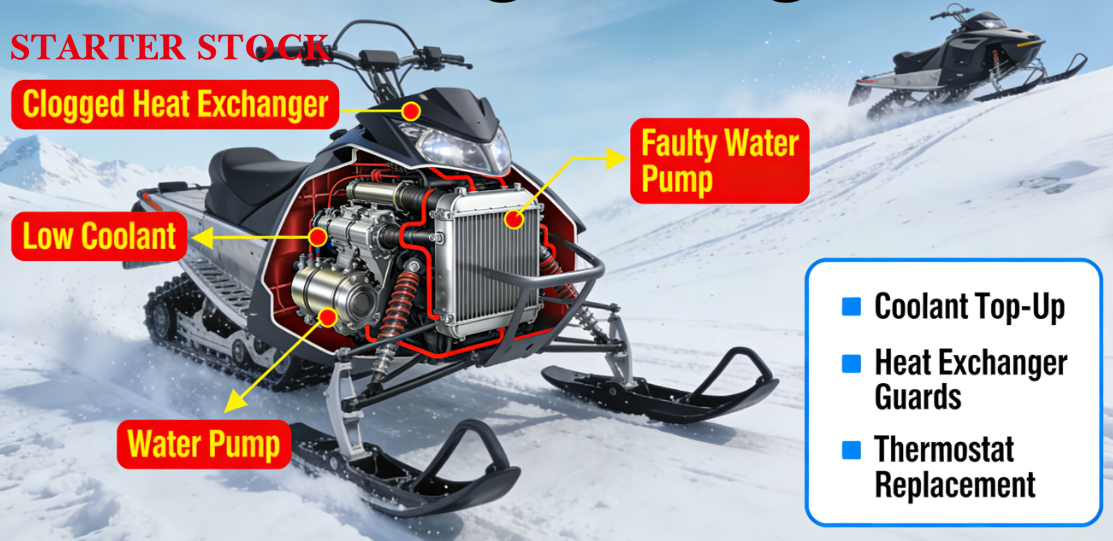
Engine temperature climbs during long or slow climbs. That ruins gaskets and shortens life.
Why it happens:
Low coolant level or bad coolant mix.
Ice or snow blocking heat exchangers.
Water pump failure or weak thermostat.
Heavy towing or constant low-speed pulling.
Fixes:
Use the correct coolant and keep level topped up.
Fit larger heat exchangers for heavy work.
Clear ice from intakes during operation.
Replace weak pumps and faulty thermostats.
B2B note: if your use is towing or heavy patrols, demand robust cooling specs from suppliers.
4. Rough idle and stalling
Engines that hunt at idle or stall at stop lights are trouble for rentals and tours.
Causes:
Vacuum leaks around intake boots.
Carburetor out of sync or dirty.
Worn reeds on two-strokes.
Faulty idle control sensors on EFI models.
Simple checks:
Spray around intake boots for leaks.
Clean and synchronise carburetors.
Replace reeds and idle screws as scheduled.
Keep EFI sensors clean and connectors dry.
Training mechanics to spot intake leaks saves many repeat callouts.
5. Excessive smoke or fuel smell
Smoke or strong petrol smell usually means too much oil or flooding.
Typical issues:
Oil pump overfeeding two-strokes.
Stuck carb float causing flooding.
Worn rings that burn oil.
Leaking fuel lines or seals.
Action items:
Adjust oil pumps per manual.
Replace floats and needles as preventive parts.
Inspect rings if smoke persists under load.
Use quality fuel lines and clamps.
For buyers: request data on oil pump adjustability and carb float tolerances.
6. Sudden loss of power on hills
Drops in torque on climbs are common and dangerous.
Reasons:
Air intake blocked by snow.
Belt slipping under load.
Incorrect carb or EFI mapping for altitude.
Overheating or fuel starvation.
Fixes:
Fit intake guards and keep them clear.
Use high-traction belts for heavy loads.
Tune engines for your operating altitude.
Monitor temps and fuel pressure while climbing.
If you operate at altitude, specify altitude compensation or EFI mapping to the supplier.
7. Higher-than-expected fuel use
Fuel bills jump. That hits margins fast in tours and rentals.
What to check:
Carburetor running rich.
Fouled plugs and poor combustion.
Drag from track or bearings.
Heavy accessory loads or towing.
Do this:
Measure fuel burn under typical loads.
Tune carb/EFI and replace fouled plugs.
Check track tension and wheel bearings.
Compare real burn numbers with supplier claims.
Ask suppliers for real-world mpg/km or L/hr, not just bench specs.
8. Strange noises and vibration
Knocks, rattles, or increased vibration usually mean mechanical wear.
Common causes:
Loose engine mounts.
Worn bearings or crankshaft issues.
Clutch misalignment.
Damaged secondary drive components.
Preventive steps:
Torque mounts to spec.
Check bearing play during service.
Balance clutches and inspect pulleys.
Replace engine mounts after heavy duty use.
A machine that vibrates early will cost more in the long run.
9. Electrical faults that affect engines
Modern units rely on electronics. When wiring fails, engines suffer.
Frequent problems:
Corroded connectors and moisture ingress.
Faulty sensors or damaged stators.
Loose grounds or poor harness routing.
Keep wiring dry and simple:
Use sealed connectors and dielectric grease.
Route harness away from heat and wear points.
Stock common sensors and regulators for fast swaps.
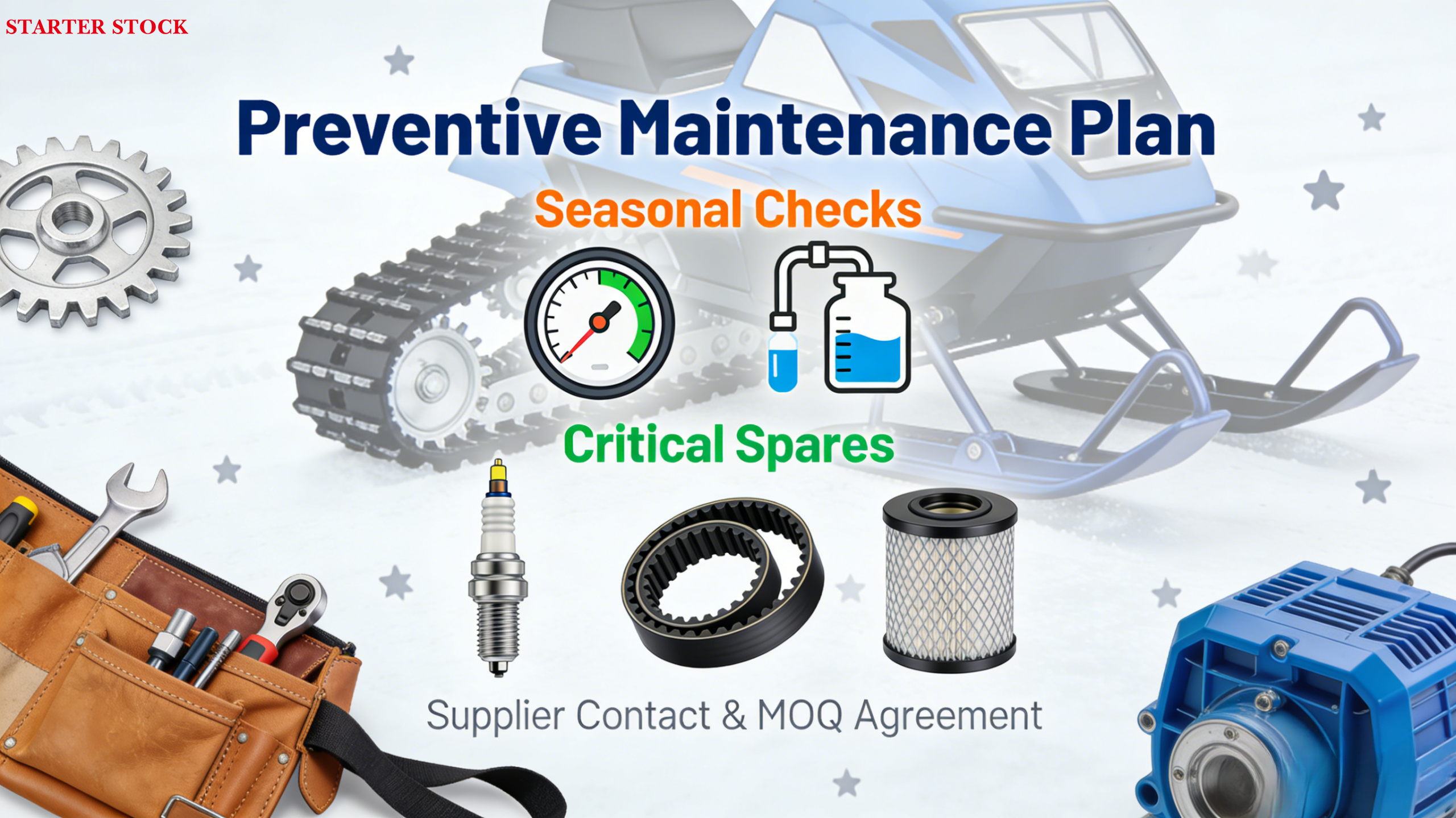
10. Practical preventive plan for B2B buyers
Engine faults are normal. But a plan stops small issues becoming fleet-stoppers.
Recommended actions:
Standard maintenance checklist for each model.
Stock critical spares: plugs, belts, filters, seals.
Simple start-of-season compression and cooling tests.
Short mechanic training for model-specific quirks.
Keep supplier contact and parts MOQ clearly agreed.