
-
91
-
2025-12-18 13:59:29
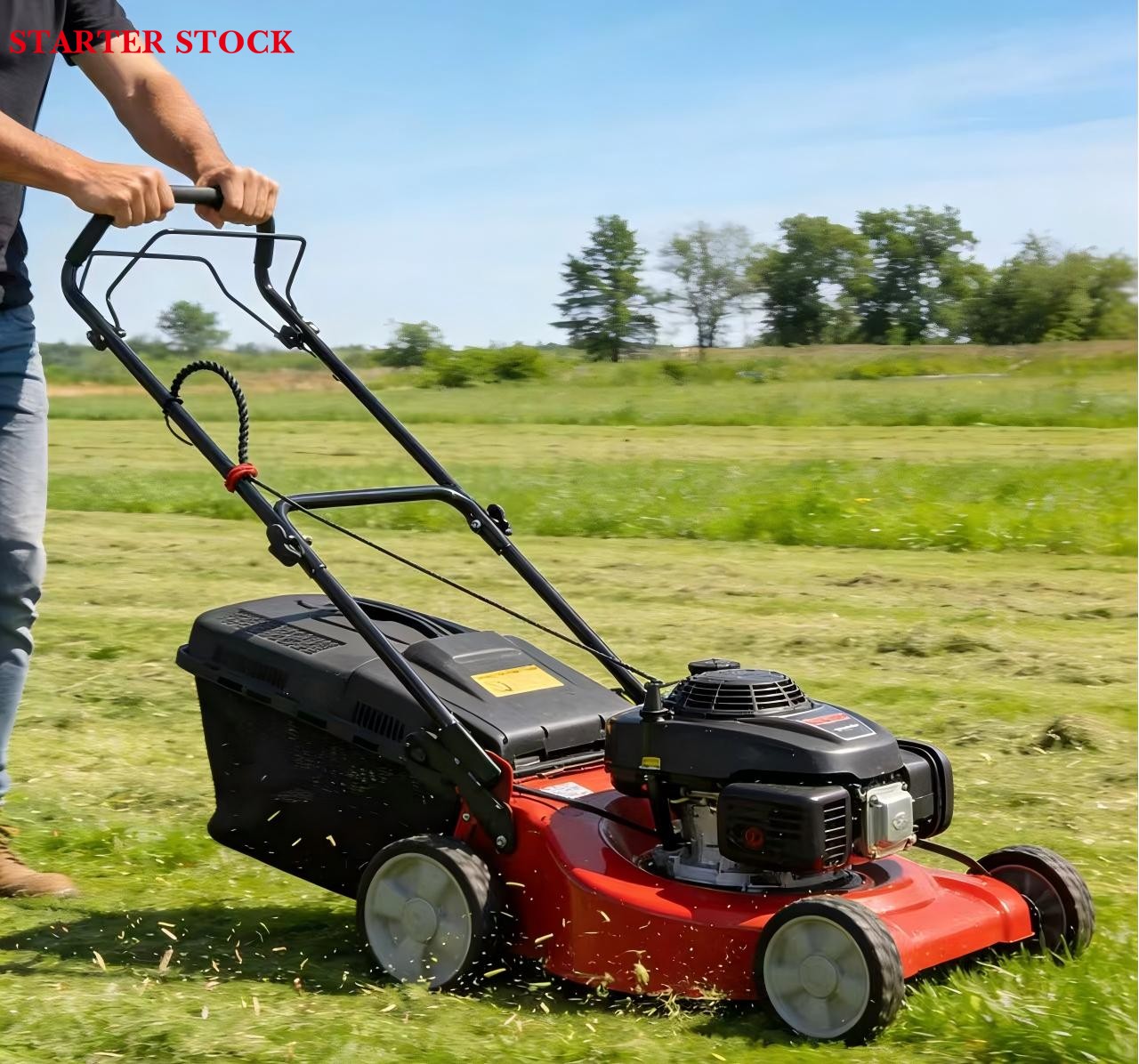
If you have a lawn, a lawn mower is a must-have. But it’s frustrating. You used it fine last time. Now you try to start it—only a “click-click” or nothing. Chances are, the starter is bad.
The starter is the mower’s “ignition.” It fails, the whole machine stops. Starter problems don’t come out of nowhere. Most link to use habits, poor maintenance, or the environment. Let’s break down 6 key reasons—simple and straight.
1. Dead or Old Battery: Starter Has No Power
Starters run on battery power. Like a car needs gas, a starter needs a good battery. This is the most common issue.
Many people put the mower away without charging. Batteries drain slowly over time. Humid or cold weather speeds this up. Soon, the battery can’t hold a charge. Even after charging, it’s weak. It can’t send enough current to the starter. So the starter cranks slow, makes noise, or doesn’t work.
Batteries last 2-3 years. If yours is older, internal parts wear out. It won’t store power well. Wrong chargers or overcharging also damage batteries. Bad battery = bad starter.
2. Loose or Rusty Wires: Current Can’t Flow
Wires connect the starter to the battery and engine. They’re like “current paths.”
Mowers vibrate when working. Vibration loosens wires over time. Loose wires mean poor contact. Starter works on and off—or not at all.
Mowers stay outdoors. Sun, rain, and moisture rust wire terminals. Coastal areas or rainy seasons speed rust. Rusty wires block current. They may even burn. Then the starter gets no power.
3. Worn Starter Motor: Core Part Breaks Down
The starter’s heart is the motor. Motor fails, starter dies.
Starters turn the engine every time you start. Frequent use wears parts. Brushes and bearings inside wear out. Worn brushes cause sparks or no movement. Worn bearings make the motor stiff.
Dust or sand gets into the motor. It speeds wear. Forcing the mower through thick grass? That overloads the motor. High current burns the coils fast.
4. Faulty Switch or Relay: No Signal Gets Through
Starters need a signal to start. Switches and relays send that signal.
Start switches (key or handle) wear out. Use them a lot, contacts oxidize. You may need to press multiple times to start. Then it stops working entirely. No signal = starter does nothing.
Relays act as “power amplifiers.” They send big current from the battery to the motor. If the relay’s coil burns or contacts stick? You hear a “click,” but the motor doesn’t turn. Don’t mistake this for a dead battery.
5. Wrong Oil: Starter Gets Dragged Down
Oil isn’t just for the engine. Bad oil hurts the starter too.
Engines need the right oil. Too much oil? It gets thick and dirty. Engine resistance goes up. The starter has to work harder to turn it. Over time, the motor wears out.
Too little oil? Parts rub more. Friction increases. The starter strains. Wrong oil grade also matters. Thick oil in winter doesn’t flow. The engine is hard to turn. The starter overworks.
6. Environmental Damage: Starter Gets Damp or Rusty
Mowers live outdoors. The environment harms starters.
Rain, humidity, or damp storage? Moisture seeps into the starter. It rusts the motor and terminals. Leave the mower outside uncovered? Rain soaks it. No drying = short circuits or rust.
Coastal areas have salt in the air. Salt speeds corrosion. Summer sun bakes the starter. Plastic parts warp. The starter breaks down.
How to Prevent Starter Failure? 3 Easy Tips
1. Check the battery often. Charge it after use. If stored, top up every 1-2 months. Replace it after 2-3 years.
2. Clean wire terminals. Wipe off rust with a dry cloth. Tighten loose wires. Replace broken ones.
3. Change oil on time. Use the right grade. Don’t overfill or underfill. Store the mower in a dry, ventilated place.
Most starter failures come from neglect. With simple maintenance, you can avoid them. If the starter is already bad? Call a pro to replace it. Don’t take it apart yourself—you’ll cause more damage.
Keep these tips in mind. Your lawn mower will start smoothly every time. Yard work gets easier.