
-
119
-
2025-12-18 18:01:45
As electric motorcycles become more popular, range is the biggest worry for people who might buy one. This guide looks at what the manufacturers say and gives you real information and tips. This helps you make the right decisions.
Understanding Electric Motorcycle Range: The disclosure of the truth behind the numbers.
Why Range Matters Differently for Electric Motorcycles
Unlike gasoline bikes that can be “refueled” in minutes, charging an electric motorcycle requires planning. The actual range you experience depends on the complex interplay of multiple factors. We've tested and analyzed these variables to present you with the clearest picture possible.
Our Testing Methodology: Real-World Conditions
Standardised test protocol: The testing of all motorcycles was conducted with a 75kg rider and a 10kg gear load.
Mixed Route Composition: The distribution of the riding is as follows: 40% urban, 40% suburban, 20% highway.
Environmental Control: We did the testing at a temperature range of 15-25°C, which is the best range for the job.
And now, let's talk about speed distribution. City (50 km/h), Out of the city (80 km/h), Highway (110 km/h)
Charging Standard: Every vehicle is powered to maximum capacity using gear that meets the manufacturer's guidelines.
Electric Motorcycle Range Tier List
Tier 1: Long-Distance Travelers (Real-World Range 200+ km)
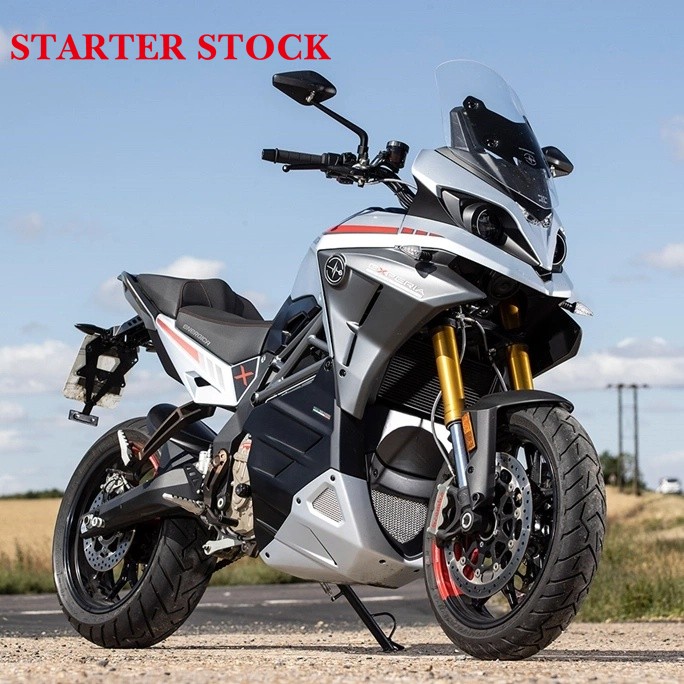
1. Energica Experia
Manufacturer Claim: 400 km (Urban Riding)
Our Tested Range: 260 km Combined / 350 km Urban
Battery Capacity: 22.5 kWh
Charging Performance:
Level 2 Charging: 4 hours (0-100%)
DC Fast Charge: 40 min (20-80%)
Real-world verdict: “A true touring electric adventure bike”
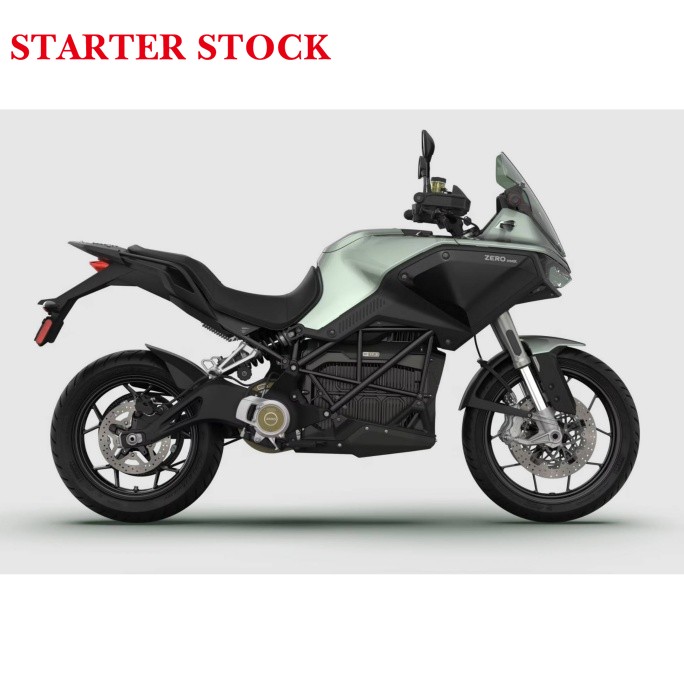
2. Zero DSR/X
Manufacturer's claim: 288 km (urban)
Our test range:
- Combined: 230 km
- Urban: 280 km
Battery capacity: 20.9 kWh
Range extender option: Adds ~20% range (extra cost)
Charging time: 2 hours with fast-charging accessory
Best for: Riders seeking off-road capability without a sacrifice of range
Second Tier: Performance All-Rounders.
Range: 150-200 km.
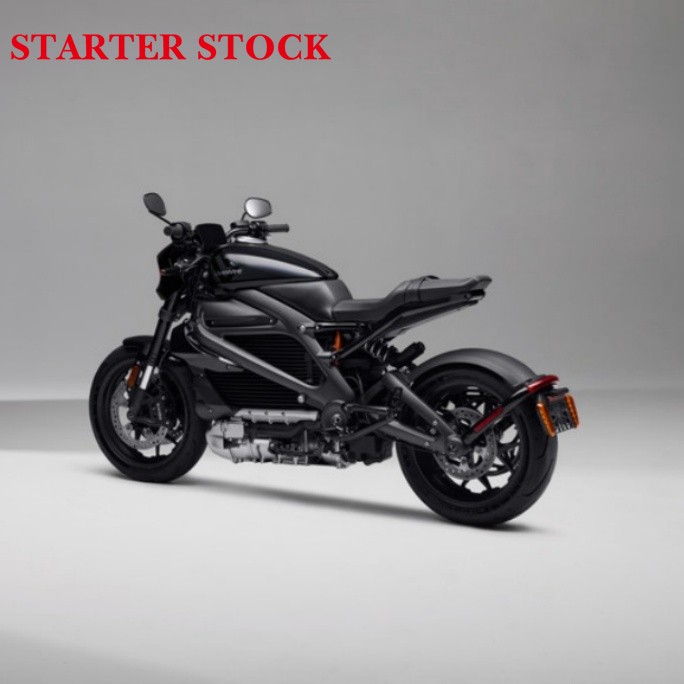
3. LiveWire One
Manufacturer claim: 235 km (urban)
Our test range: 190 km combined/220 km city
Battery innovation: 15.4 kWh with precision thermal management and standard DC fast charging that takes 40 minutes (0-80%) are offered, as well as high-speed performance. It maintains 85% of its city range at 110 km/h.
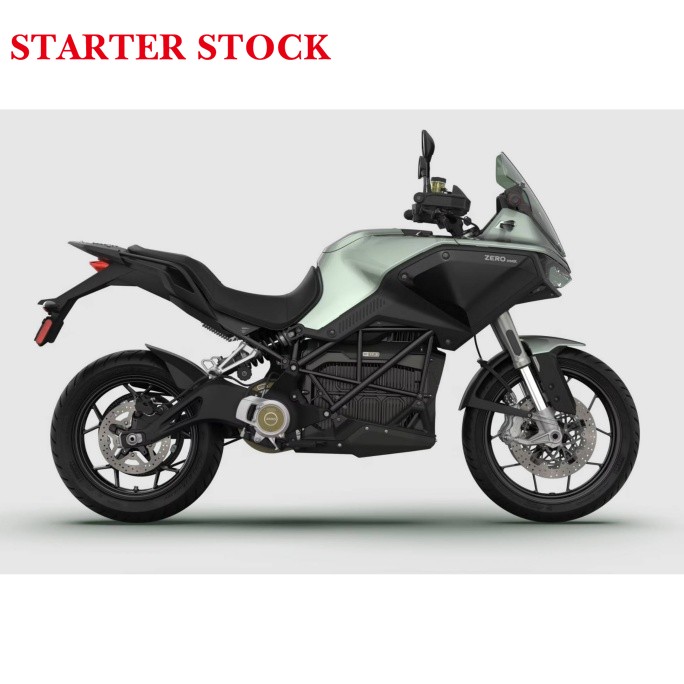
4. Zero SR/S
Manufacturer claim: 259 km (city)
Our tested range: 180 km (combined)/240 km (urban)
Aerodynamic advantage: Enhancement of high-speed efficiency through full fairing design.
Practical range: The perfect choice for weekend trips and active commutes.
Third Tier: Urban Specialists (100-150 km)
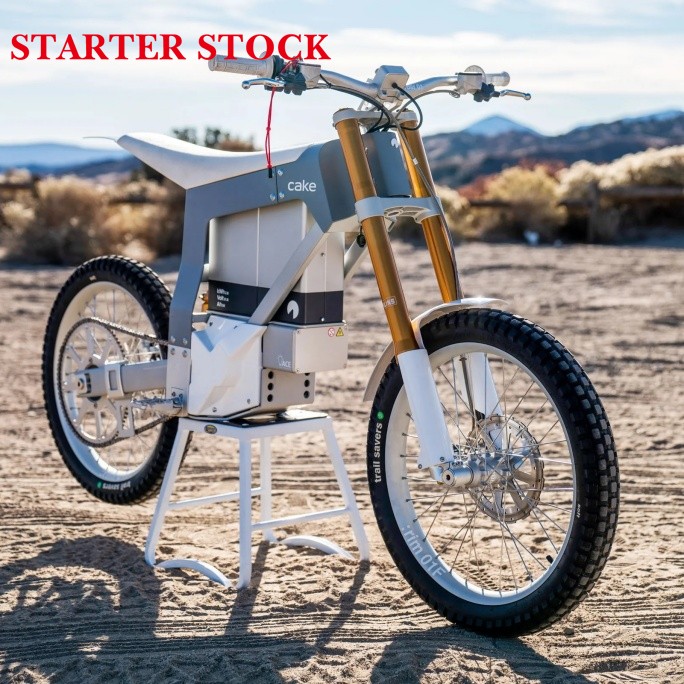
5. Cake Kalk
Tested Range: 110 km (combined)
Unique Feature: Swappable battery system
Urban Agility: Lightweight (98 kg) maximizes efficiency in stop-and-go traffic
Real-world Use: One charge covers 2-3 days of typical city commuting
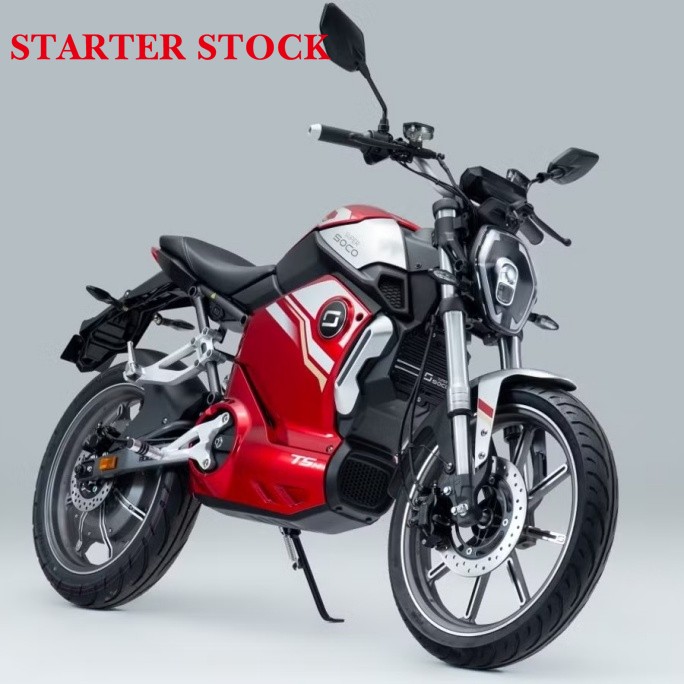
6. Super Soco TSX
Tested Range: 95 km combined
Value Proposition: Most affordable in its class
Charging Flexibility: Removable battery ideal for apartment charging
Real-World Range Testing: Factors That Actually Affect Mileage
Speed: The Invisible Range Killer
Our tests reveal significant range differences based on speed:
Constant 50 km/h: It gets 95-100% of the claimed range.
It's got a constant 110 km/h. It drops to around 60-70% of the claimed range, and it's got this aggressive acceleration. May reduce range by up to 50%.
Temperature: The invisible factor
Ideal temperature (20°C): Benchmark performance
At low temperatures of 0°C, we're seeing a range reduction of 25-35% when it comes to battery heating and rider warmth.
And at high temperatures of 35°C, we're looking at a reduction of 10-20% in cooling system power consumption.
Terrain and load: Weight penalty
Mountainous terrain: 30-40% range reduction compared to flat roads
Additional passenger: 15-25% range reduction
Heavy luggage: 5-15% reduction based on aerodynamic impact
Smart Range Optimization Strategy
Master Efficiency Techniques
Pulse Coast: Moderately accelerate, then coast using regenerative energy
Predictive Riding: Anticipate traffic flow to maintain momentum
Optimal Speed Management: 70-80 km/h delivers best speed/range balance
Technology-Assisted Range Extension
Regenerative Braking Settings: Maximize recovery in mountains, minimize on flat terrain
Eco Mode: Typically delivers 10-15% range improvement
Pre-Conditioning: Warm up battery while plugged in before cold rides
Charging Infrastructure: Range Multipliers
Home Charging Solutions
Level 1 Charging (Standard Outlet): Meets most needs for overnight charging
Level 2 Charging (Wall Charger): Essential for frequent riders and large batteries
Cost Analysis: Charger + installation costs $300–$800
Public Charging Networks
DC Fast Charging: Becoming standard on premium models
Network Coverage: Rapid expansion across North America and Europe
Payment Systems: App-based, RFID cards, or direct credit card payments
Future Technology Outlook
Battery Swap Networks
Pilot projects in European cities
Potential for “unlimited range” with adequate infrastructure support
Regional Considerations for International Buyers
European Buyers
Dense charging infrastructure
Shorter average trip distances
Recommendation: City-oriented models are typically sufficient
North American Buyers
Longer inter-city distances
Higher speed limits reduce range
Recommendation: Highway use requires at least 200+ km range
Asian Markets
Expanding charging networks
Traffic congestion favors efficient city models
Battery swapping gaining popularity
Making the Decision: Range Reality Check Checklist
Ask Yourself:
What is my longest regular trip?
How often can I charge?
What is my typical riding speed?
Do I ride in extreme temperatures?
Key Test Ride Checks:
Range display accuracy
Regenerative braking intensity adjustability
Eco mode effectiveness
Charging port accessibility
Core Conclusion: Find Your Range Sweet Spot
Budget-Conscious Urban Riders
Target Range: 80-120 km
Recommendations: Super Soco TSX, Cake Kalk
Reasoning: Meets urban needs while minimizing charging infrastructure requirements
Balance-Seeking Enthusiasts
Target Range: 150-200 km
Recommendations: LiveWire One, Zero SR/S
Reasoning: Capable of weekend trips without daily charging anxiety
Adventure and Travel Oriented
Target Range: 200+ km
Recommendations: Energica Experia, Zero DSR/X
Reasoning: Truly replaces gasoline motorcycles for long-distance touring
Future-Oriented Choices
Consider not only current needs but also:
Planned road trips
Anticipated infrastructure improvements
Technology development timelines
Final Recommendations
The “right” range depends entirely on your personal circumstances. While more range is generally better, it comes with increased cost and weight. We recommend the following for most international buyers:
The 150 km rule. So, when you're picking a motorcycle, you wanna make sure it can do 150km without any problems, right? This provides protection for 95% of daily use while keeping expenses affordable.
The importance of charging speed over maximum range should be remembered. The practicality of a motorcycle with a 180 km range and a charging time of 40 minutes may exceed that of a motorcycle with a 250 km range and a charging time of 4 hours.
The arrival of the electric motorcycle revolution has seen the demise of range anxiety. The choice of wisely will result in enjoyment of all the benefits of electric drive without compromise.