
-
354
-
2025-12-19 16:47:14
(Seriously, Don’t Wait Until It Quits on You in the Middle of Traffic)
You press the start button in the morning, the engine wakes up, and off you go. Easy. Clean. Boring, even. But for a lot of people, the real magic trick is that the starter motor hasn’t chosen that exact moment to give up — like when it’s pouring rain, or you’re late for work, or you’ve got a date waiting and the universe decides to humble you.
So the question is pretty reasonable:
How long does a starter motor actually last?
There’s no one-size-fits-all answer. It depends on how you drive, where you live, what kind of part your car came with, and whether you treat your vehicle gently or like it owes you money. But don’t worry — let’s break it down without turning it into a mechanical engineering lecture.
What Exactly Is A Starter Motor?
In the simplest possible terms:
the starter motor is the little electric beast that spins your engine awake.
You turn the key or smash that “START” button, the battery dumps a bunch of power into the starter, the starter throws a small gear forward, grips the engine’s flywheel, and cranks things up until the engine can run on its own. After that, it politely steps out of the way and minds its business.
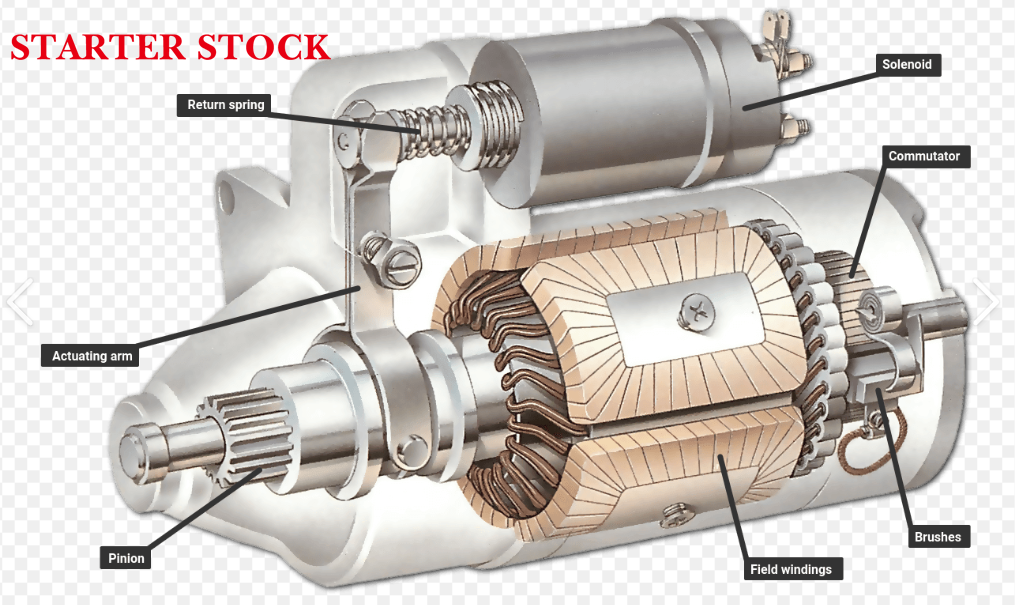
If you looked inside one, you’d find:
● an armature (the rotor)
● magnetic fields (either coils or permanent magnets)
● carbon brushes and a commutator
● the solenoid (the electric “bouncer” that engages the gear)
● a small pinion gear that bites the flywheel
And of these parts, the brushes, bearings, and gears are usually the ones that give up first.
What Affects a Starter Motor’s Lifespan?
(Here’s where things actually get interesting)**
If you want it to live longer, you just need to manage a few variables. Sounds easy, right?
Yeah… until real-life chaos gets involved. But here we go.
1. Your Driving Habits
If you’re the type who starts the car fifty times a day — delivery drivers, couriers, people who run errands for absolutely everyone — your starter wears out faster than the “weekend-only” car crowd.
Also:
stop holding the key for 20 seconds hoping the engine will magically catch.
That’s how you roast a starter motor.
2. The Engine’s Mechanical Health
Cold weather plus thick oil equals higher resistance.
Higher resistance equals more effort.
More effort equals a shorter starter lifespan.If your engine has low compression or ignition issues, it’ll take longer to start — which again, burns through starter life like a bad habit.
3. The Electrical System
Weak batteries, tired alternators, corroded connections — all of these force the starter to draw more current. More current means more heat. And heat is the silent killer of electrical parts.
When voltage drops, the starter works harder than it should. It’s like running a marathon while breathing through a straw.
4. Environment
Salt air near the ocean?
Mud and dust from off-roading?
Extreme cold or blistering heat?All of these speed up corrosion and wear.
5. Parts Quality
Cheap, no-name starter motors can be tempting, especially when you’re staring at a repair bill that makes you wish you’d learned to fix cars in high school. But honestly, low-grade copper, sloppy gear machining, and questionable brushes don’t last long.
A good starter feels boring because it just works for years. A bad one becomes a recurring guest star in your wallet.

How Long Does a Starter Motor Usually Last?
(Yes, here are actual numbers)**
Most passenger cars, under normal conditions, hit something like:
7 to 10 years
or
100,000 to 150,000 miles (160,000 to 240,000 km).
But that’s the “typical” scenario.
Reality is funnier:
● some starters die at 50,000 km
● some keep going well past 20 years
● some behave like they’re immortal
● and others… not so much
Manufacturers rate starters by “cranking cycles” — something like 30,000–50,000 starts — which you can translate to mileage, but most people don’t track their life in key-turns.
Here’s a rough list:
● Normal daily commuter: 7–12 years
● Frequent short-trip driving (delivery cars): 3–7 years
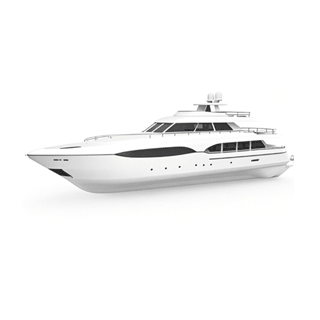
● Marine starters: 5–10 years (saltwater is vicious)
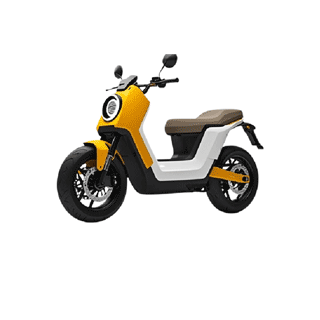
● Motorcycles, lawn equipment, small engines: 3–8 years
A lot of it comes down to climate, maintenance, and luck.
Early Warning Signs Your Starter Is Getting Tired
Starters rarely die silently. Most of the time, they send little distress signals — you just have to pay attention.
● Slow cranking — the engine turns sluggishly
● Clicking noises — one click, many clicks, annoying clicks
● Grinding — the pinion gear isn’t engaging well
● Intermittent failure — works today, ghosts you tomorrow
● Burning smell or smoke — this is the “stop the car now” level
If any of these show up, check your battery and wiring first. Don’t go replacing parts at random because a forum said so.
How to Make Your Starter Motor Live Longer (Stuff That Actually Works)
If you want to save yourself one big headache (and a tow bill), do these:
1. Keep your battery healthy.
2. Clean the terminals. Replace it before it’s ancient.Don’t crank for more than 5–10 seconds at a time.
3. If it doesn’t start, wait 30 seconds and try again.Use the right oil for your climate.
4. Cold weather + thick oil = miserable starts.Protect the car in harsh conditions.
5. Especially near the sea or on dirt roads.Fix small issues early.
6. Worn brushes, bad bearings, slightly damaged solenoids — these can be serviced before they become expensive.Buy decent parts.
It’s the difference between replacing it once every decade…
or meeting your mechanic twice a year like old friends.For businesses or fleets:
always review certifications, testing data, and sample units before buying in bulk. It saves a shocking amount of money in the long run.
A Quick Word About Parts Quality (And Why Good Supply Matters)
Cheap starter motors aren’t always “bad,” but they are very often inconsistent. You might get a good one, or you might get one that’s practically allergic to work.
Good starters use:
● better copper
● tighter tolerances
● heat-treated gears
● sealed housings
● properly tested brushes
Also — and this is big — reliable suppliers matter. Warranties matter. Third-party testing matters. If you’re buying for a factory, a workshop, or a fleet, having a vetted supply chain can literally cut failure rates in half.
Common Myths About Starters (Let’s Clear These Up)
“Starter motors are maintenance-free.”
Not really. Brushes, terminals, and solenoids all need occasional attention.“Cheap parts are just as good.”
Sometimes, sure. Usually… no.“New cars never have starter problems.”
Manufacturing defects happen. Wiring issues happen. Nothing is immune.“Only old cars kill starters.”
Nope — harsh environments and poor electrical systems kill them faster than age does.
Final Thoughts
A starter motor isn’t some mysterious, magical component. It’s just a hardworking electric unit that deals with heat, friction, voltage spikes, and your morning impatience.
Its lifespan depends on:
● how often you start your car,
● whether your battery system is healthy,
● the quality of the part, and
● the climate it lives in.
Treat the electrical system well, buy parts that aren’t junk, and take care of the small problems before they become big ones — and your starter will last a whole lot longer than you expect.
And if you’re in charge of procurement or you need replacements, samples, or bulk orders, platforms built around vetted suppliers and sample testing (think StarterStock-type sourcing) can save you a lot of headaches. A good part lives longer. And the longer it lives, the less time you spend stranded in a parking lot wondering why your car chose today to betray you.