
-
136
-
2025-12-24 10:37:25
Clutch problems don’t usually stop a snowmobile from running. That’s why they get ignored for too long. The engine starts fine. The track moves. Customers still ride. But acceleration feels wrong, belt wear increases, fuel use goes up, and sooner or later something expensive breaks.
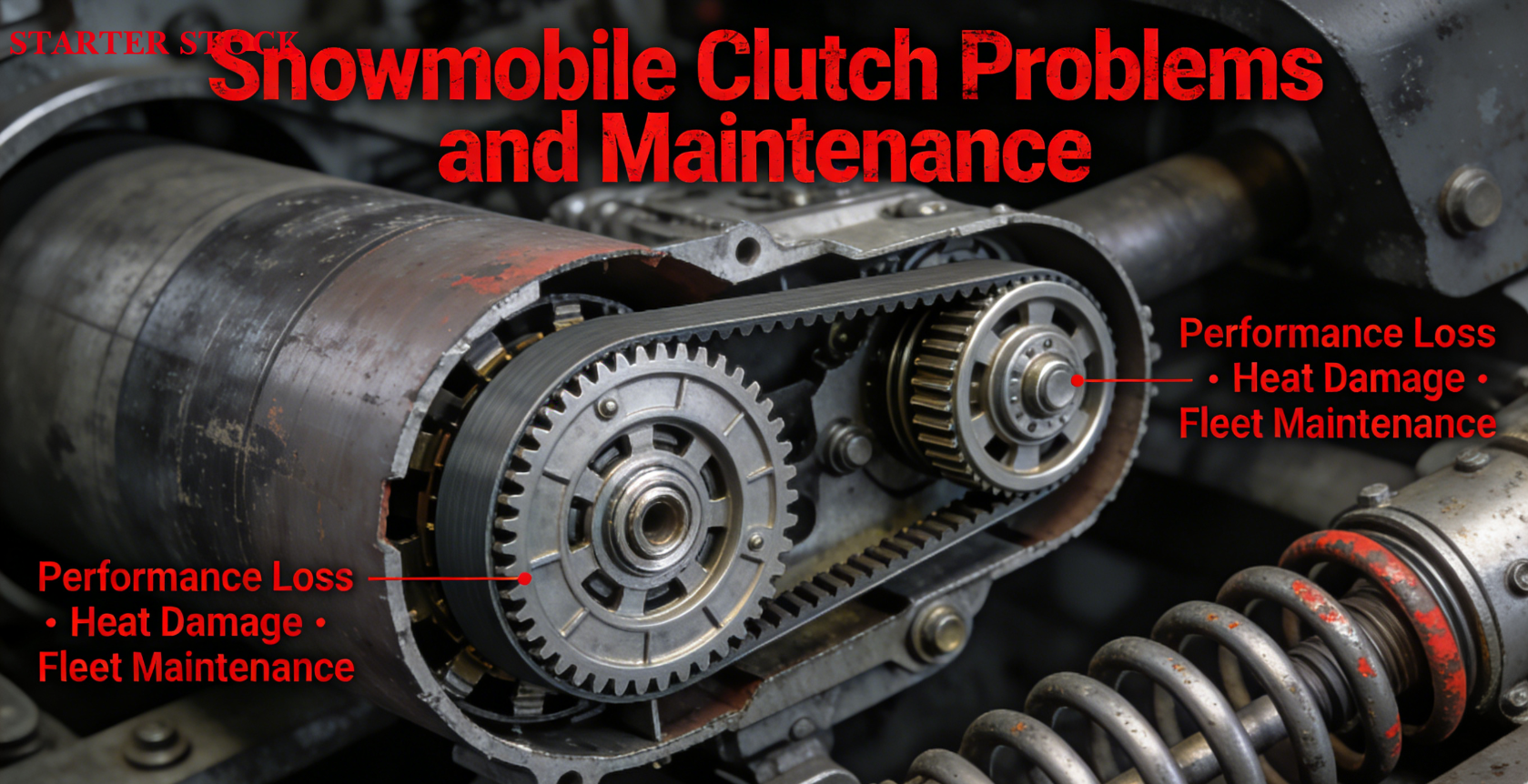
For workshops, rental operators, and parts distributors, clutch issues are some of the most common—and most misunderstood—problems in snowmobile operation.
When performance drops but nothing is “broken”
Most clutch problems don’t announce themselves clearly. Operators describe the feeling, not the fault.
You hear things like:
“It doesn’t pull like it used to.”
“RPM jumps but speed doesn’t.”
“Belts don’t last anymore.”
“It feels jerky when taking off.”
At this point, engines often get blamed. In reality, the clutch system is already out of balance.
Primary clutch wear happens quietly
Primary clutches wear gradually. Rollers flatten. Bushings loosen. Springs lose tension. None of this causes instant failure.
What happens instead:
Engagement RPM changes
Shift curve becomes unstable
Heat builds up faster
Belts slip more often
On the bench, the clutch still “works.” On the trail, efficiency is gone.
In fleet use, primary clutches wear faster because machines see more starts, more stops, and less warm-up time.
Secondary clutch problems show up later
Secondary clutches fail more slowly, but when they do, damage spreads.
Common secondary clutch issues:
Weak or broken springs
Sticky sheaves
Worn helix angles
Misalignment with primary
These problems cause belt glazing, overheating, and unpredictable backshift. Once belts start burning, customers notice fast.
For B2B buyers, secondary clutch consistency matters just as much as primary performance.
Belt wear is a symptom, not the root cause
When belts fail early, they get blamed. Belts are easy to replace, so the real problem stays hidden.
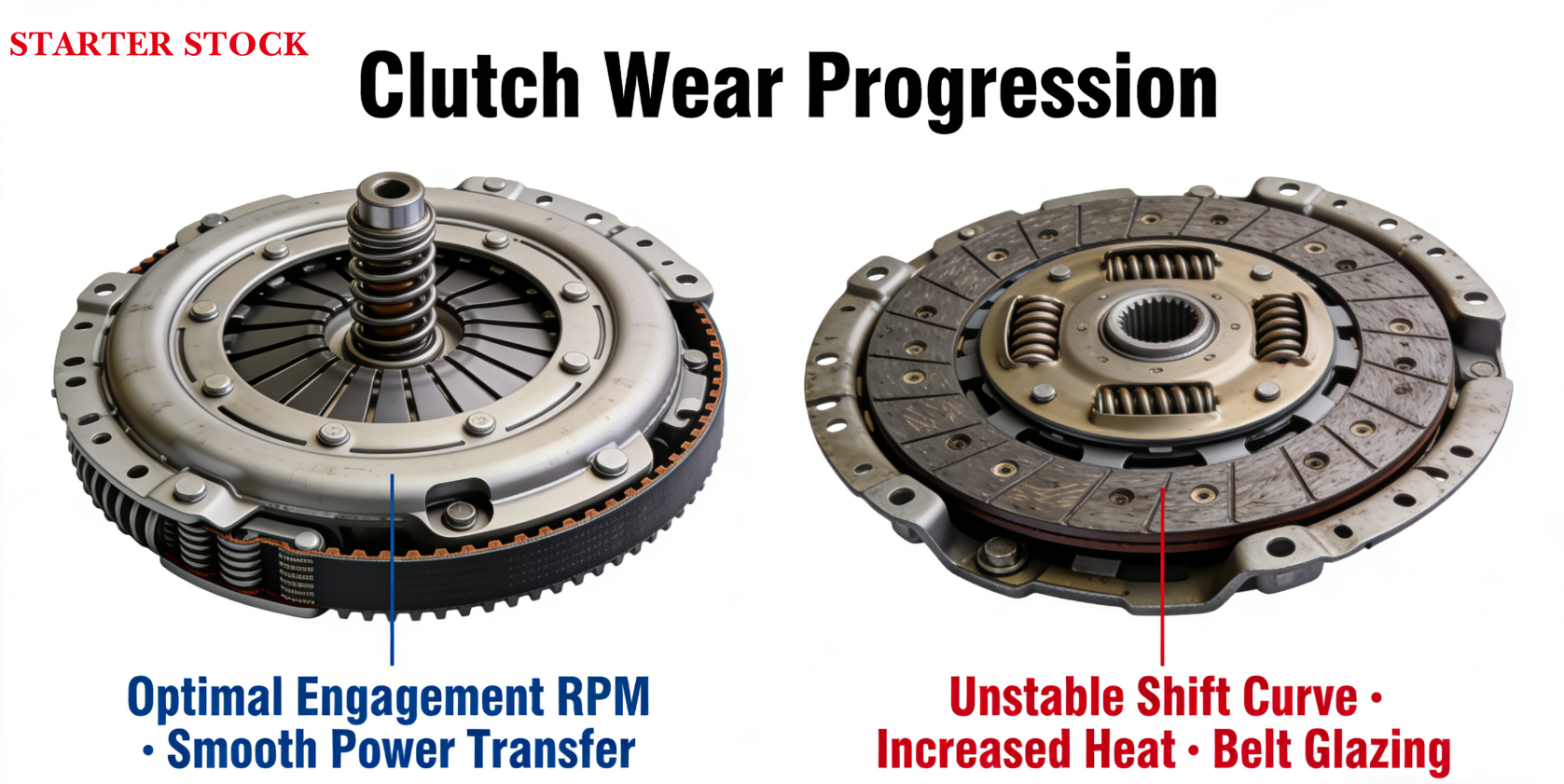
Early belt failure often means:
Incorrect clutch alignment
Wrong spring rate
Worn rollers or ramps
Excessive heat from slipping
Replacing belts without fixing clutch wear only delays the failure.
Experienced workshops track belt life closely—it’s one of the best indicators of clutch health.
Heat is the real enemy of clutch systems
Clutches fail from heat before they fail from load.
Heat comes from:
Slipping during engagement
Poor ventilation
Misalignment
Overloaded machines
Aggressive riding in low-speed conditions
Once heat cycles increase, springs weaken and surfaces glaze. Performance drops fast after that.
For commercial use, clutch systems designed for heat control last significantly longer.
Maintenance is skipped because it’s not obvious
Unlike oil changes or plug replacement, clutch maintenance isn’t intuitive. Many operators don’t touch the clutch until something breaks.
Basic maintenance that often gets skipped:
Cleaning sheaves
Inspecting rollers and bushings
Measuring spring free length
Checking alignment
Removing belt dust buildup
In fleet operations, skipping these steps increases long-term cost even if short-term downtime looks lower.
Clutch setup must match real usage
Factory clutch setups are compromises. They are rarely ideal for commercial or fleet use.
Problems appear when:
Machines tow loads regularly
Riders vary widely in weight
Operating altitude changes
Snow conditions vary seasonally
A setup that works for recreational riding may wear quickly under commercial use.
For buyers, asking suppliers about clutch calibration options matters more than peak horsepower numbers.
Why clutch problems hit B2B operations harder
Private owners may tolerate reduced performance. Businesses cannot.
Clutch issues cause:
Increased fuel consumption
Shorter belt life
Customer complaints
Repeat workshop visits
Unexpected downtime
Because clutches rarely “fail cleanly,” machines cycle through service multiple times before the system is corrected.
That labor cost often exceeds the price of the parts themselves.
What experienced buyers look for in clutch components
When sourcing clutch parts or complete assemblies, experienced B2B buyers focus on durability, not just fitment.
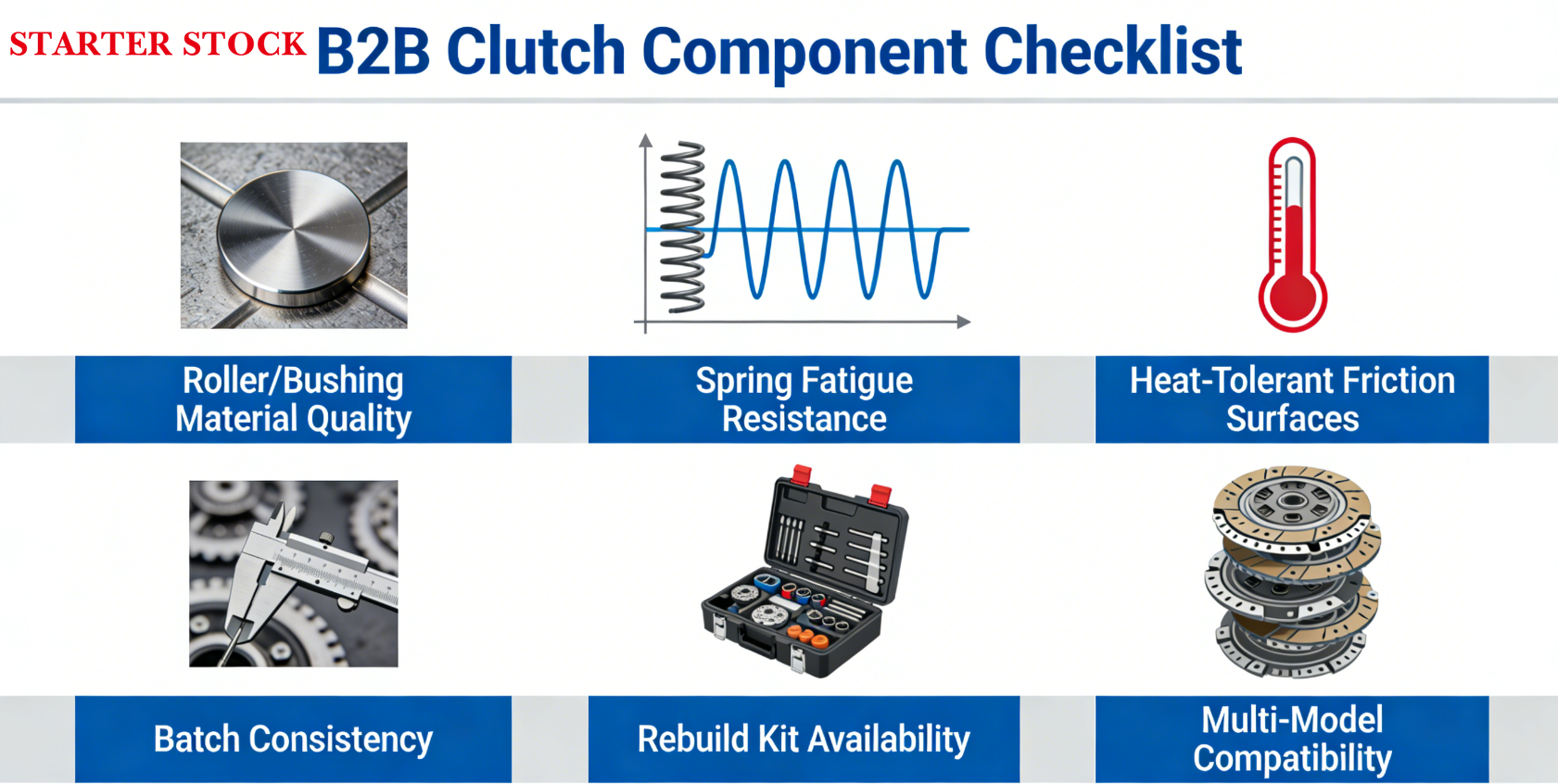
They ask about:
Roller and bushing material quality
Spring fatigue resistance
Heat tolerance of friction surfaces
Consistency between production batches
Compatibility across multiple models
Availability of rebuild kits
Suppliers who understand fleet use usually offer rebuild options instead of full replacements.
Stocking strategy for workshops and distributors
Shops that service multiple machines don’t wait for clutch failures.
They keep:
Roller and bushing kits
Primary and secondary springs
Helixes and weights
Alignment tools
Spare belts matched to clutch setup
This allows fast turnaround during peak season.
For distributors, offering matched clutch kits—not single parts—adds real value.
Clutch maintenance saves money, even if it feels early
Replacing rollers or springs before failure feels unnecessary to many operators. But the cost of early maintenance is small compared to:
Burned belts
Damaged sheaves
Lost operating days
Emergency parts shipping
Fleets that follow scheduled clutch maintenance usually see more consistent performance and lower overall cost.
Final thoughts for B2B buyers
Clutch systems don’t get enough attention because they fail slowly. That’s exactly why they matter.
For businesses involved in snowmobile sales, rental, or service, understanding clutch wear patterns leads to better purchasing decisions, better maintenance planning, and fewer surprises during the season.
If you are sourcing snowmobile clutch assemblies, rebuild kits, or related drivetrain components for commercial or fleet use, a reliable B2B platform makes the difference. Consistent quality, clear specifications, and steady supply help keep machines working when demand is highest.