
-
108
-
2025-12-26 11:01:00
Drive belts rarely get attention until they fail. By the time a belt breaks, the problem has usually existed for a long time. Power loss, excess heat, and clutch wear often show up well before the belt finally gives up.
For dealers, service shops, and fleet operators, belt issues are not just about replacing rubber. They are warning signs that something in the drivetrain is no longer working as it should.
A belt usually tells a story before it fails
Most belts don’t snap without warning. They wear in patterns. Those patterns matter.
Technicians who look closely can often tell what’s wrong before touching the clutches.
Common early signs include:
Slight glazing on the belt sides
A burnt rubber smell after riding
Fine black dust building up in the clutch area
Inconsistent engagement during takeoff
These signs are easy to miss when machines are busy every day.
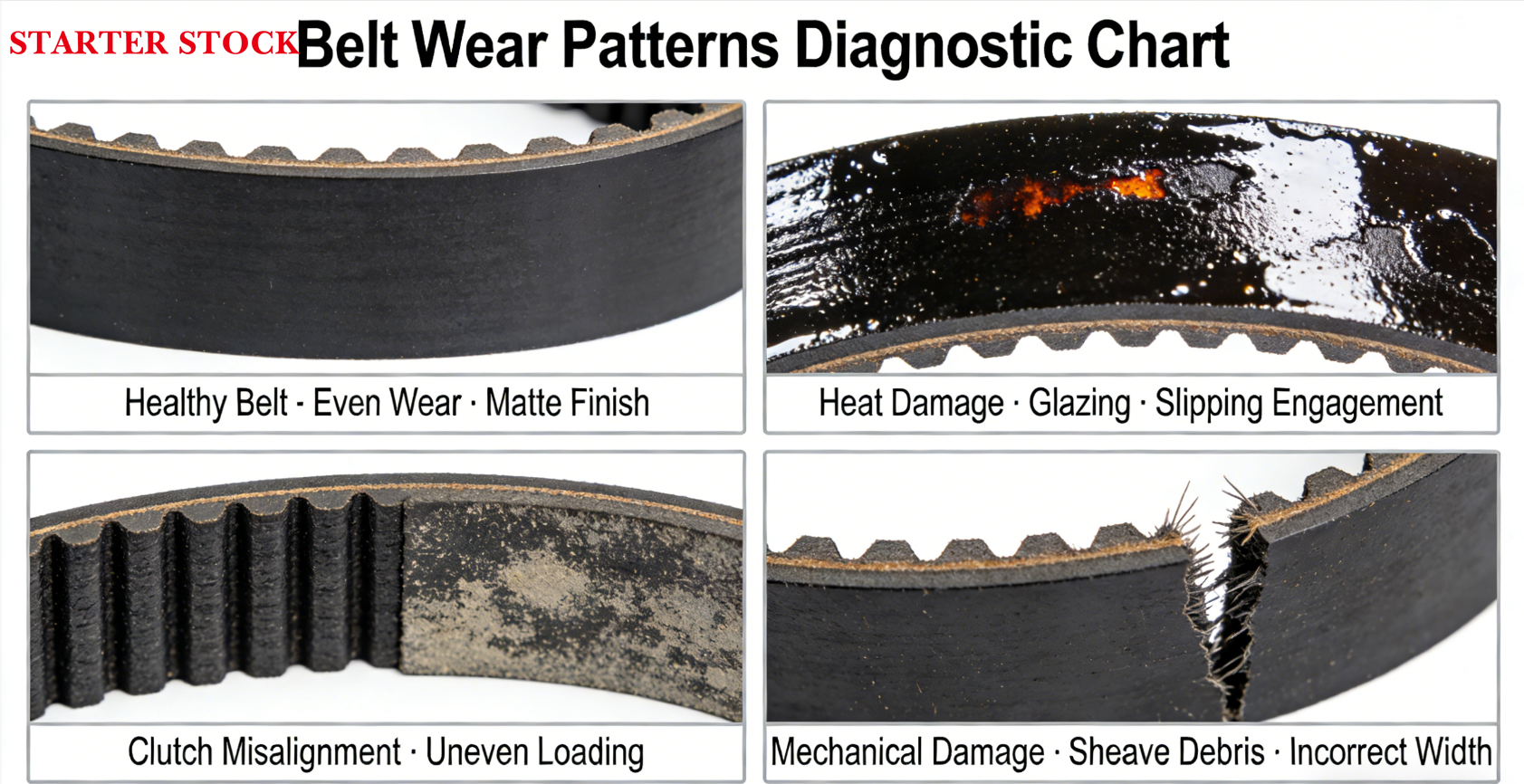
Glazing means heat, not age
One of the most common belt complaints is glazing. The belt looks shiny, hard, and slick.
This almost always means heat.
Heat builds up when:
The belt slips during engagement
Clutch sheaves are dirty or misaligned
Springs are weak
The machine is overloaded
Replacing the belt without addressing heat simply restarts the same cycle.
For B2B buyers, belt material and heat resistance matter more than brand name.
Uneven wear points to clutch imbalance
Belts should wear evenly on both sides. When one side looks more polished or thinner, something is off.
Typical causes include:
Primary and secondary clutch misalignment
Worn rollers or bushings
Incorrect helix angles
Bent clutch components
Uneven wear shortens belt life and reduces power transfer. In fleet use, this problem appears faster because machines see constant start-stop cycles.
Fraying and edge damage are not random
Frayed belt edges are often blamed on poor belt quality. In reality, edge damage usually comes from mechanical issues.
Common sources:
Sharp edges on worn sheaves
Debris inside the clutch housing
Incorrect belt width for the setup
Excessive side loading during backshift
When edges start breaking down, the belt is already close to failure.
Belt dust is a warning sign, not normal
Some dust is expected. Heavy dust is not.
Excessive belt dust usually means:
Too much slipping
Incorrect spring rates
Poor clutch alignment
Overheating
Dust builds up fast in enclosed clutch systems and traps heat, accelerating wear.
Workshops that clean clutch areas regularly catch problems earlier than those that don’t.
Why new belts sometimes fail quickly
Few things frustrate operators more than a new belt that fails early.
Common reasons:
Installing without proper break-in
Pairing with worn clutches
Incorrect belt length or width
Aggressive riding immediately after installation
Belts need time to seat properly. Skipping break-in creates hot spots and glazing almost immediately.
Break-in is boring but critical
From a commercial standpoint, break-in feels like wasted time. But it saves money.
A proper break-in:
Reduces surface heat
Allows the belt to seat evenly
Extends overall belt life
Improves power transfer
Fleets that skip break-in often replace belts more often than expected.
Belt problems cost more than the belt itself
In B2B operations, belt issues cause more than parts expense.
They create:
Unexpected downtime
Emergency service calls
Customer complaints
Secondary clutch damage
Lost operating hours
Replacing belts repeatedly without solving the root cause increases long-term cost.
What experienced buyers look for in drive belts
When purchasing belts in volume, experienced buyers focus on consistency, not marketing claims.
They care about:
Stable width tolerances
Heat resistance under continuous load
Compatibility with multiple clutch setups
Predictable wear patterns
Batch-to-batch consistency
A belt that lasts slightly longer but behaves predictably is more valuable than one that fails randomly.
Stocking belts for fleet and workshop use
Smart stocking reduces downtime.
Best practices include:
Matching belt models to clutch setups
Rotating stock to avoid aging
Tracking belt life per machine
Keeping spare belts pre-broken-in
For distributors, offering matched belt-and-clutch kits simplifies purchasing for customers.
When belt wear is telling you something else
Belts are often the first part to show trouble, but they are rarely the cause.
Consistent belt problems usually mean:
Clutch maintenance is overdue
Setup does not match usage
Operating conditions have changed
Components are overheating
Ignoring these signs leads to bigger failures later.
Final thoughts for B2B buyers
Drive belts fail quietly at first. By the time they break, the warning signs have already been there.
For dealers, workshops, and fleet operators, understanding belt wear patterns leads to better maintenance decisions and smarter purchasing. Belts are consumables, but predictable belt life depends on the quality of the entire drivetrain system.
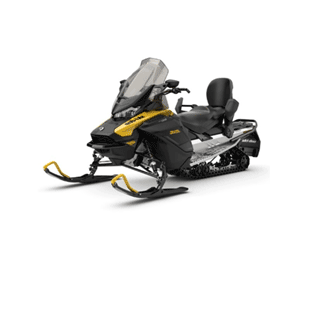
If you are sourcing snowmobile drive belts or complete clutch and belt systems for commercial use, working with a B2B platform that understands real operating conditions makes a difference. Consistent quality and reliable supply help keep machines running when demand is highest.