
-
93
-
2025-12-29 16:39:43
Keeping snowmobiles in good running condition is one thing. Keeping them running consistently with minimal downtime is another. For dealers and service centers, parts maintenance is one of the biggest differences between machines that come back for the same problem and machines that stay in good shape all season.
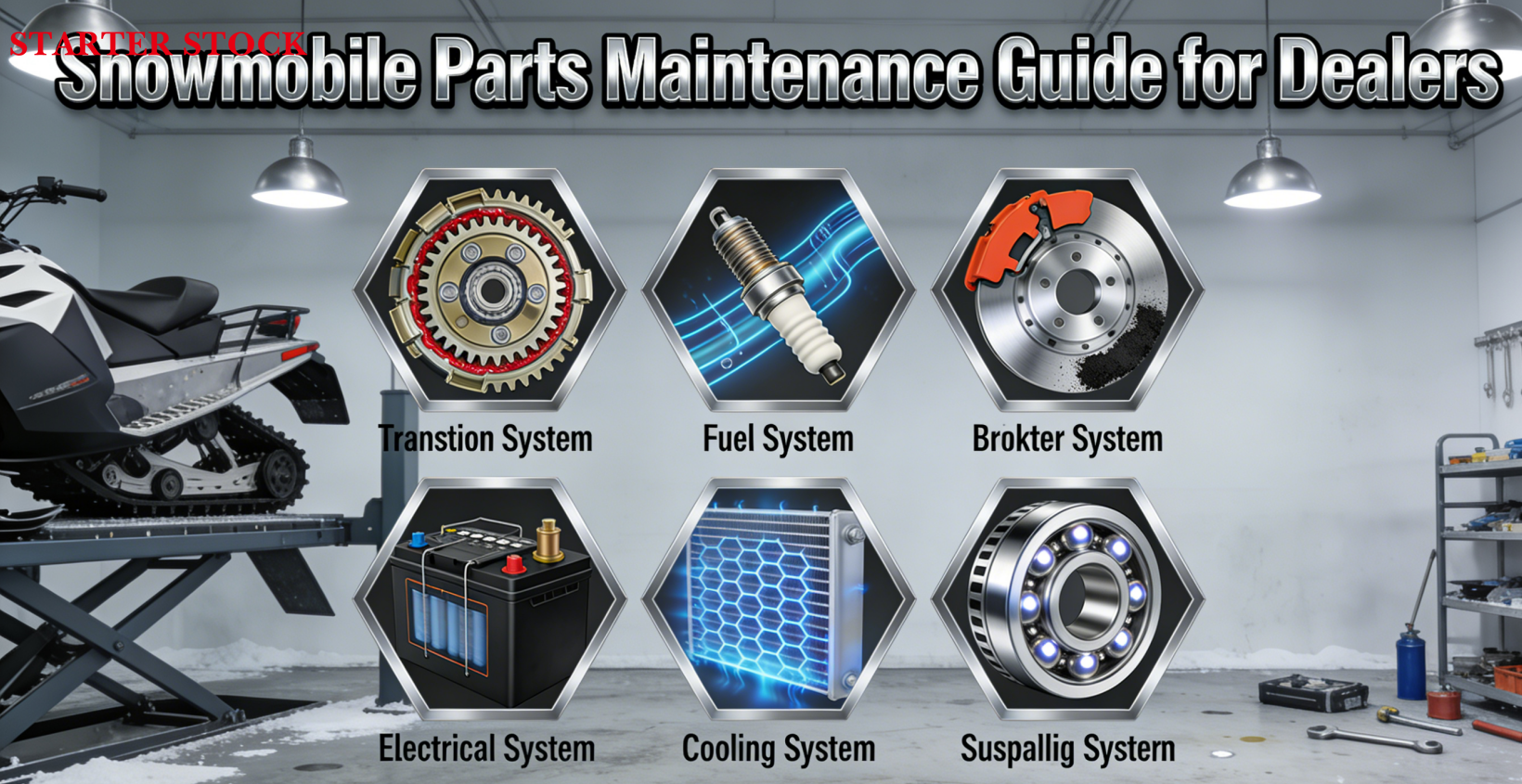
This guide is written from the repair bench and fleet yard—not from a textbook. These are the parts and checks that real dealers actually use every day to keep machines working and customers happy.
Understand What “Normal Wear” Really Looks Like
Snowmobile parts don’t just wear out evenly. They show patterns long before failure.
Experienced techs know:
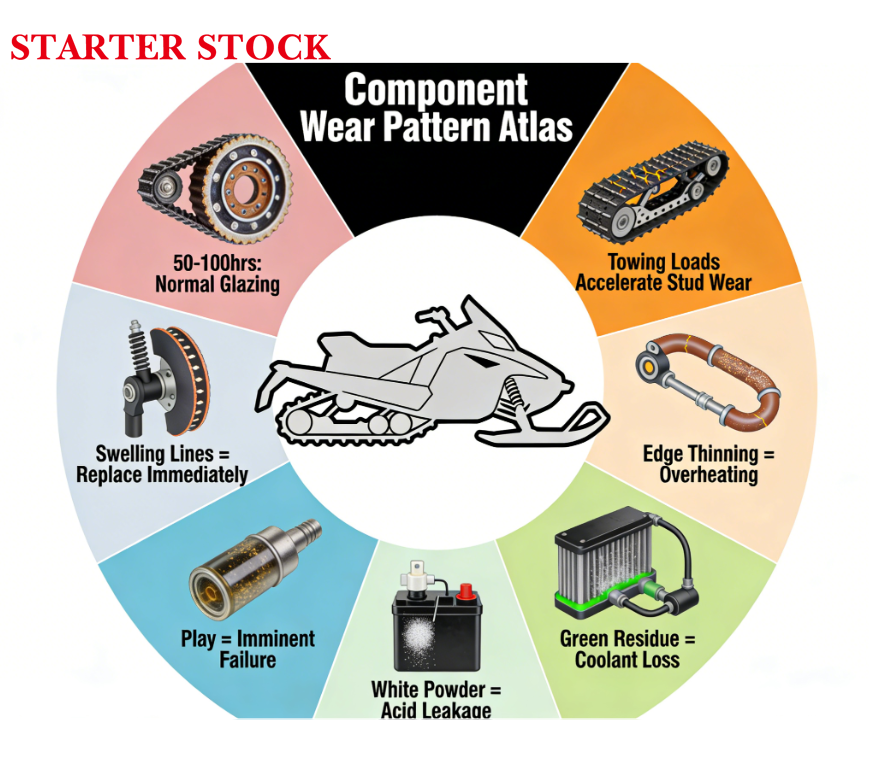
A little belt glazing is normal after 50–100 hours
Bearings start to make subtle noise long before they fail
Belt dust accumulates first near clutch sheaves
Track studs wear faster under towing loads
Notice these patterns early. It tells you which parts need attention next, and saves time and money later.
Track Maintenance Is Not Optional
The track is what moves the machine, and it’s also what wears fastest in most use scenarios.
Check for:
Missing or broken studs — affects traction and increases belt wear
Cracked or stretched track lugs — indicates too much heat or load
Track tension — too loose wears sprockets; too tight stresses bearings
Dealers should set up a quick daily or pre-service check for track issues. It only takes a few minutes, and the number of track-related returns drops sharply once this becomes routine.
Clutch and Drive Belt Care
Clutch problems often show up before belt failure. Belt wear itself is usually a symptom, not a cause.
Real-world signs to watch for:
Belt glazing and burnt smell after short runs
Uneven wear on belt edges
Black dust inside clutch housing
Slipping at takeoff or inconsistent engagement
Instead of replacing belts immediately, check clutches first:
Sheaves should open and close smoothly
Rollers should be round, not flat on one side
Springs must still have tension
Dealers should stock basic rebuild kits for clutches—not just belts. A belt change alone rarely stops repeat failures.
Fuel System Checks That Save Time
Fuel delivery problems rarely cause complete shutdown, but they do cause poor performance, hesitation, and higher fuel use.
Every tech should check:
Fuel lines for cracks and swelling
Filters for clogging or debris
Fuel pump pressure on running engines
Injector spray pattern on EFI models
A common mistake is to ignore fuel system checks until after several other parts have been changed. Dealers who prioritize fuel checks find the real issue faster and bill more accurately.
Brake and Steering Linkage Wear
People often forget that parts that don’t touch the ground still wear out.
What to inspect:
Brake pads and rotors — even small wear leads to overheating and poor control
Steering bearings and tie rods — snow, salt, and ice get inside and wear them fast
Loose or worn steering linkage affects machine stability and leads customers to think the engine or clutch is the problem. Checking these parts early saves diagnostic time.
Electrical System Checks
Modern snowmobiles depend on electrical components more than ever.
Dealers should include checks for:
Battery load and charge health
Stator and charging output under load
Spark plug condition and gap
Wiring harness inspection around stress points
Ignition coils and connectors for corrosion
Watertight connectors and sealed components help reduce corrosion. Techs should re-seat and protect connectors during seasonal service.
Cooling System Inspection
Many parts fail not because they are bad, but because the cooling system did not do its job.
Parts to check:
Radiator fins for blocked debris or ice buildup
Coolant levels and correct mixture
Thermostat operation
Water pump flow and noise
Dealers often find water pump bearings wear out before the pump itself fails. Listen for unusual noise at warm-up.
Bearings and Suspension
Any part that spins, swings, or pivots will wear.
Focus on:
Swingarm bearings
Idler wheels
Track bogey wheels
Suspension arm joints
Wear here causes vibration, track misalignment, and belt wear. Simple bearing checks with movement and sound can catch problems early.
Brake Fluid, Grease and Lubrication
Regular lubrication extends part life significantly.
Routine items:
Grease suspension points
Check brake fluid level and contamination
Ensure sled lube for standards specified by OEM
Protect exposed metal parts from rust after wet rides
Dry lubrication in cold environments often outperforms wet lube—much of that comes down to riding conditions and seasonal use.
How Dealers Should Track Part Life
Keeping good records helps you avoid guesswork.
Track:
Hours since last belt change
Clutch rebuild intervals
Track and stud wear history
Fuel pump and filter changes
Spark plug intervals
After a season or two, patterns emerge. Machines that receive regular preventive maintenance require fewer repeat visits and return less often for the same issue.
Communication With Customers Matters
Maintenance isn’t just technical. It’s also about expectations.
Good practices include:
Explaining wear patterns to owners
Suggesting preventive replacements before peak season
Offering seasonal checklists
Using photos to show wear progress over time
Customers who understand why parts wear buy parts earlier—and buy more from you.
Stocking Strategy for Dealers
Parts stocking is a balance between availability and cost.
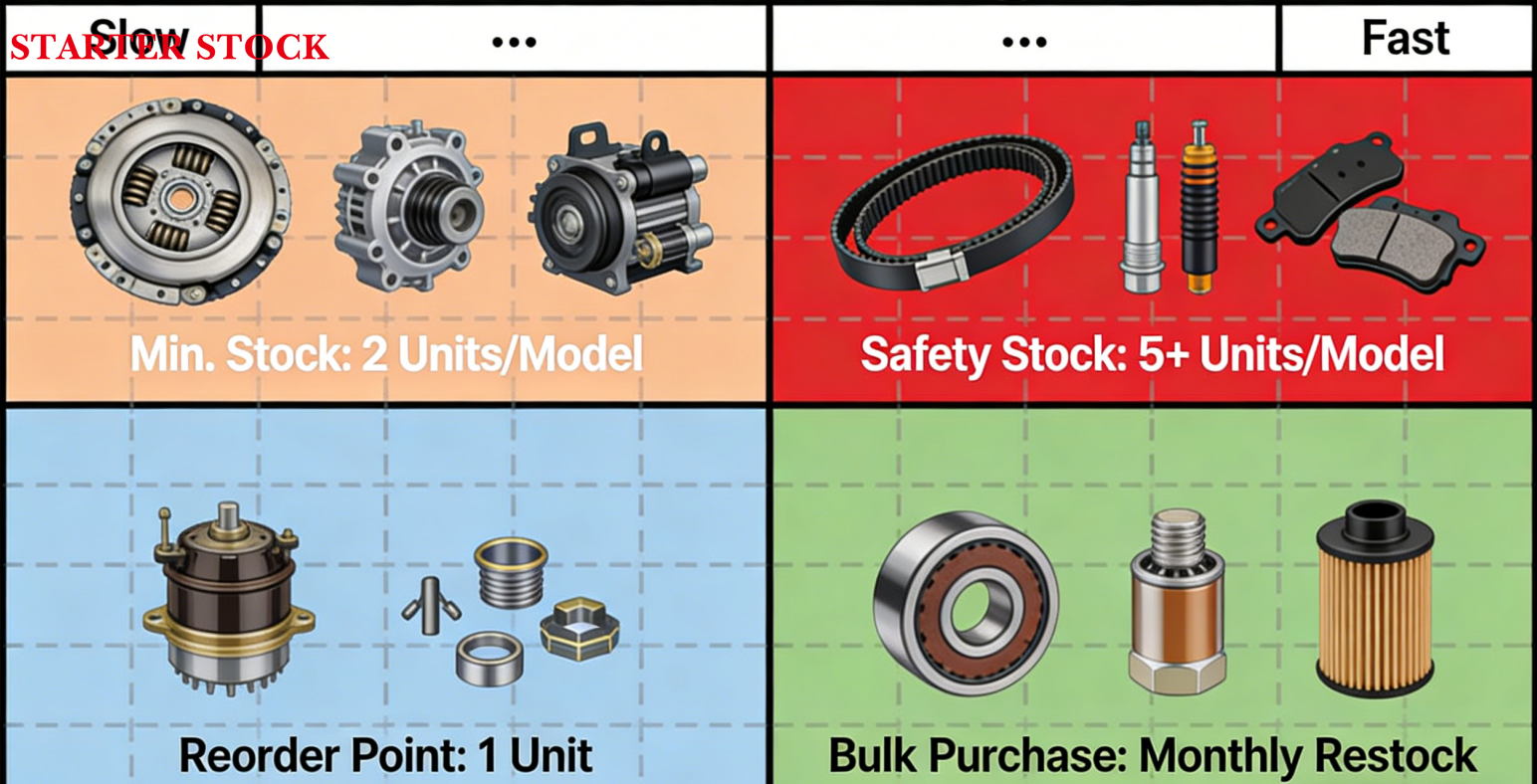
Dealers often keep:
Drive belts by model and size
Clutch rebuild kits (rollers, springs, helixes)
Fuel pumps and filters
Spark plugs and coils
Bearings and suspension kits
Track studs and wheels
Tracking which parts turn fastest helps you reorder intelligently.
Final Thoughts
Snowmobile service is not just about fixing broken machines—it’s about preventing failure in the first place. Dealers who pay attention to maintenance patterns, part wear signs, and early warning issues spend less time on repeat repairs and gain more trust from customers.
Good maintenance planning turns your shop into a reliable service partner—not just a parts supplier.