
-
14
-
2026-01-06 16:39:15
Air filters are easy to ignore because they don’t usually fail in a dramatic way. The bike still starts. It still runs. There’s no warning light telling you the filter is struggling. Performance just slowly changes, often without the rider noticing right away.
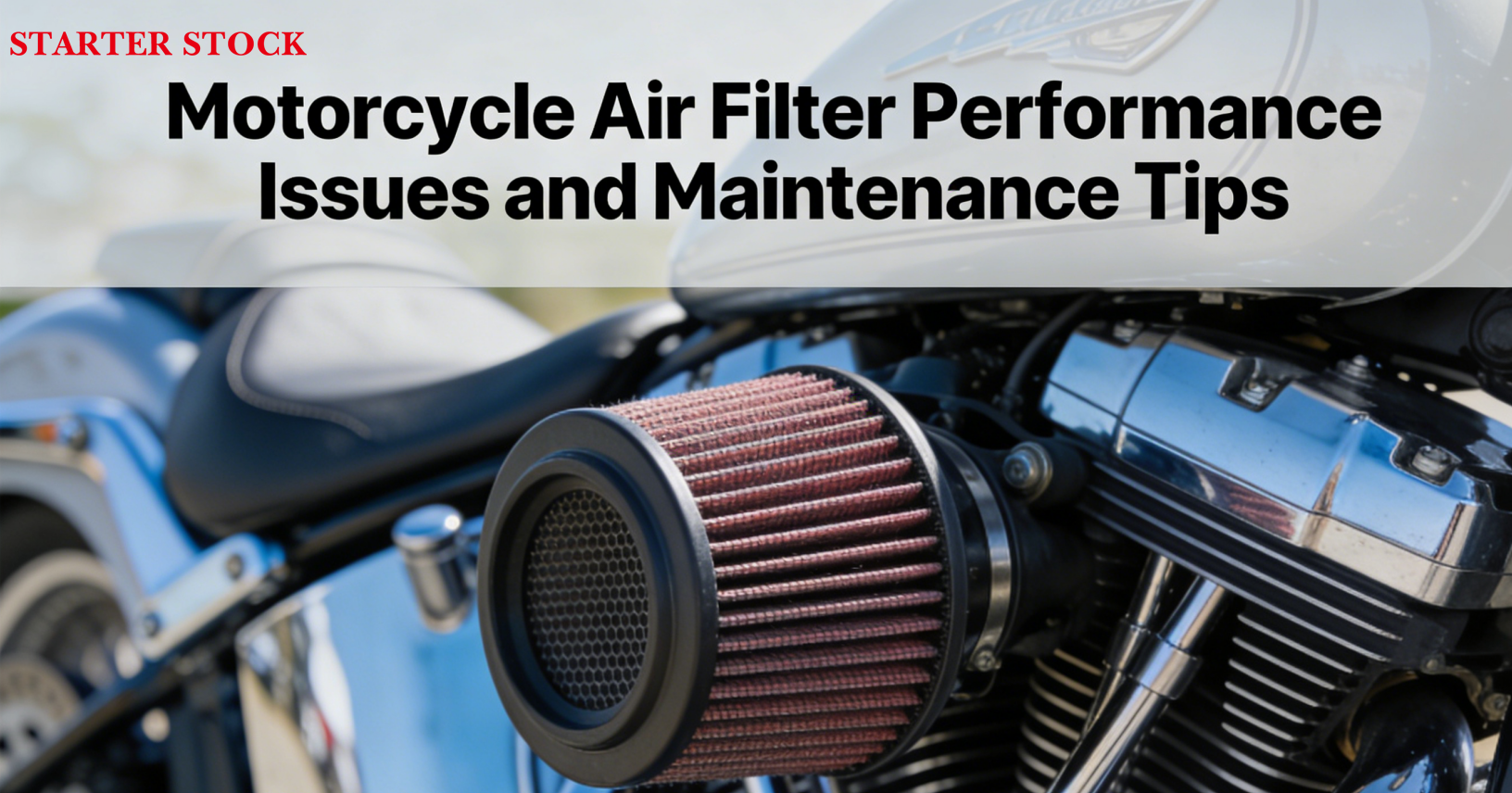
In real-world use, many engine complaints start with airflow problems, not fuel or ignition. Understanding how air filter performance drops—and what to do about it—can prevent a long list of avoidable issues.
When performance drops but nothing seems wrong
One of the most common complaints related to air filters is vague:

“The throttle feels heavy.”
“The engine doesn’t rev as freely as before.”
“Fuel consumption seems higher lately.”
“It runs fine at low speed but feels flat on top.”
These symptoms are often blamed on fuel quality, spark plugs, or tuning. In many cases, the air filter is already restricting airflow, even if it doesn’t look completely clogged.
Not all airflow problems come from dirt
Most people think air filters only cause trouble when they are visibly dirty. That’s not always true.
Common causes of reduced air filter performance include:
Fine dust embedded deep in the filter material
Oil saturation in oiled foam filters
Moisture trapped after riding in rain or snow
Deformation of the filter element over time
Poor sealing between the filter and airbox
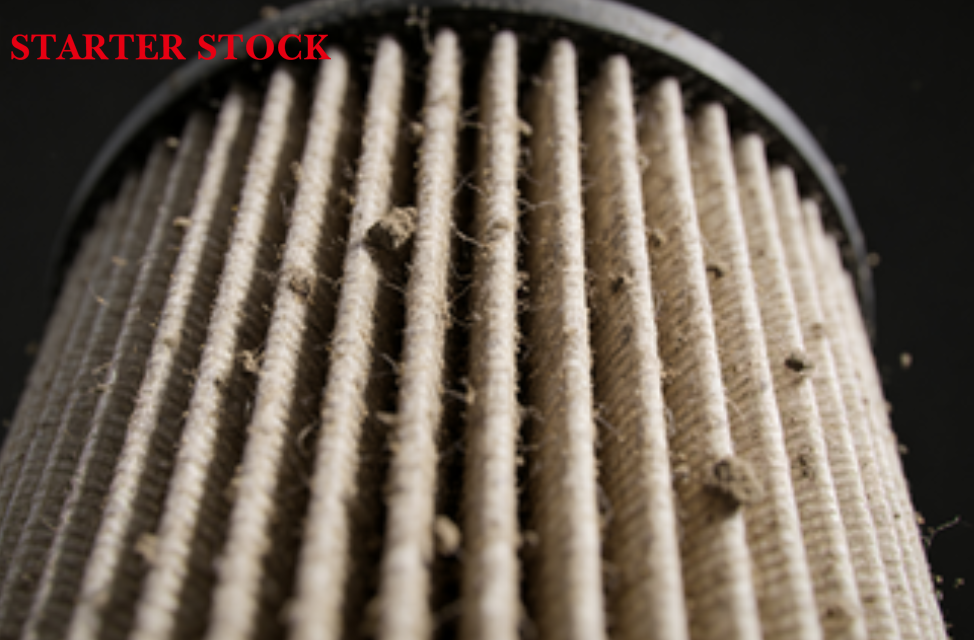
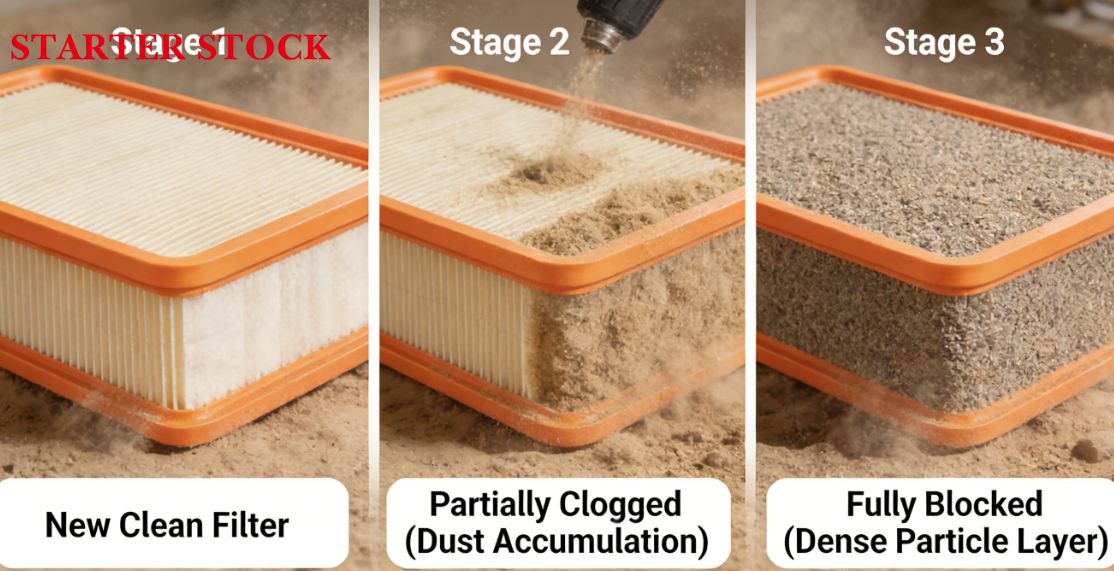
A filter can look “okay” from the outside while airflow is already reduced enough to affect combustion.
How restricted airflow affects engine behavior
Engines are designed to work within a specific air–fuel balance. When airflow drops, several things happen at once.
Typical effects include:
Richer air–fuel mixture
Slower throttle response
Increased carbon buildup
Higher fuel consumption
Reduced power at higher RPM
Over time, restricted airflow can also increase exhaust temperature and contribute to premature wear on other components.
Foam, paper, and performance filters behave differently
Different filter materials fail in different ways.
Foam filters
Foam filters trap dirt well but rely heavily on proper oiling. Too little oil lets dust pass through. Too much oil restricts airflow.
Common mistakes:
Over-oiling after cleaning
Not squeezing out excess oil evenly
Reinstalling before fully drying
Paper filters
Paper filters offer consistent airflow but clog gradually. Once clogged, they cannot be effectively cleaned.
Issues often appear when:
Riding in dusty environments
Long service intervals
Exposure to moisture
Performance filters
High-flow filters improve airflow but allow finer particles through. They require more frequent maintenance and are less forgiving in harsh conditions.
Choosing the wrong filter type for riding conditions often creates more problems than it solves.
Poor sealing causes hidden engine wear
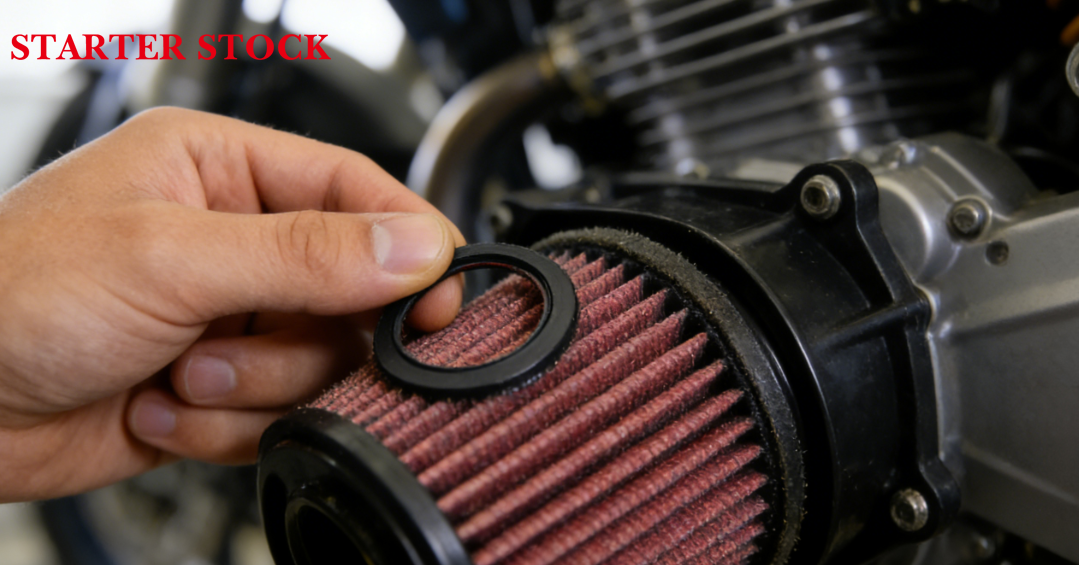
A clean filter does not help if air bypasses it.
Common sealing problems include:
Hardened or damaged sealing edges
Improper installation
Warped airbox surfaces
Aftermarket filters with loose tolerances
When unfiltered air enters the engine, wear increases even though the filter itself looks clean. This is one of the most overlooked causes of premature engine wear.
Maintenance intervals depend on use, not mileage
Air filter maintenance schedules in manuals are general guidelines. Real conditions vary.
Filters need more frequent attention when:
Riding off-road or on unpaved roads
Operating in dry, dusty climates
Following other vehicles closely
Using performance intake systems
In these conditions, waiting for a scheduled service interval is often too late.
Cleaning mistakes that reduce filter life
Improper cleaning does more harm than skipping cleaning entirely.
Common mistakes include:
Using compressed air on paper filters
Washing foam filters with harsh solvents
Twisting or wringing foam elements
Reinstalling filters while still damp
Each mistake shortens filter life and reduces airflow consistency.
Signs it’s time to replace, not clean
Cleaning can only restore performance up to a point.
Replacement is the better option when:
The filter material no longer returns to shape
Airflow does not improve after cleaning
The filter smells strongly of fuel or oil
The sealing surface is damaged
The filter has hardened or cracked
Replacing a filter early is far cheaper than dealing with long-term engine wear.
Air filters affect more than just the engine
Restricted airflow doesn’t only reduce power.
It can also lead to:
Rough idle
Hard starting
Poor cold performance
Increased spark plug fouling
Inconsistent fuel mapping on EFI bikes
These secondary symptoms often send riders looking in the wrong direction during troubleshooting.
Practical habits that improve air filter performance
Simple habits make a big difference:
Inspect filters visually during every oil change
Clean or replace earlier in dusty seasons
Check sealing surfaces every time
Keep spare filters ready for high-use periods
Match filter type to riding conditions
Consistency matters more than brand choice in most cases.
Final thoughts
Air filters don’t usually fail suddenly, but their impact builds quietly over time. Reduced airflow affects performance, fuel efficiency, and long-term engine health long before obvious symptoms appear.
Whether the bike is used daily or seasonally, treating the air filter as a performance component—not just a consumable—helps avoid unnecessary problems and keeps the engine running as intended.
Good airflow is one of the simplest things to maintain, yet one of the easiest to overlook.