
-
227
-
2026-01-09 10:47:54
Starter motor problems come up more often than many people expect, especially once bikes start seeing regular use instead of showroom mileage. For workshops, dealers, and parts buyers, the real issue is not just fixing one bike, but avoiding repeat failures across different models and batches.
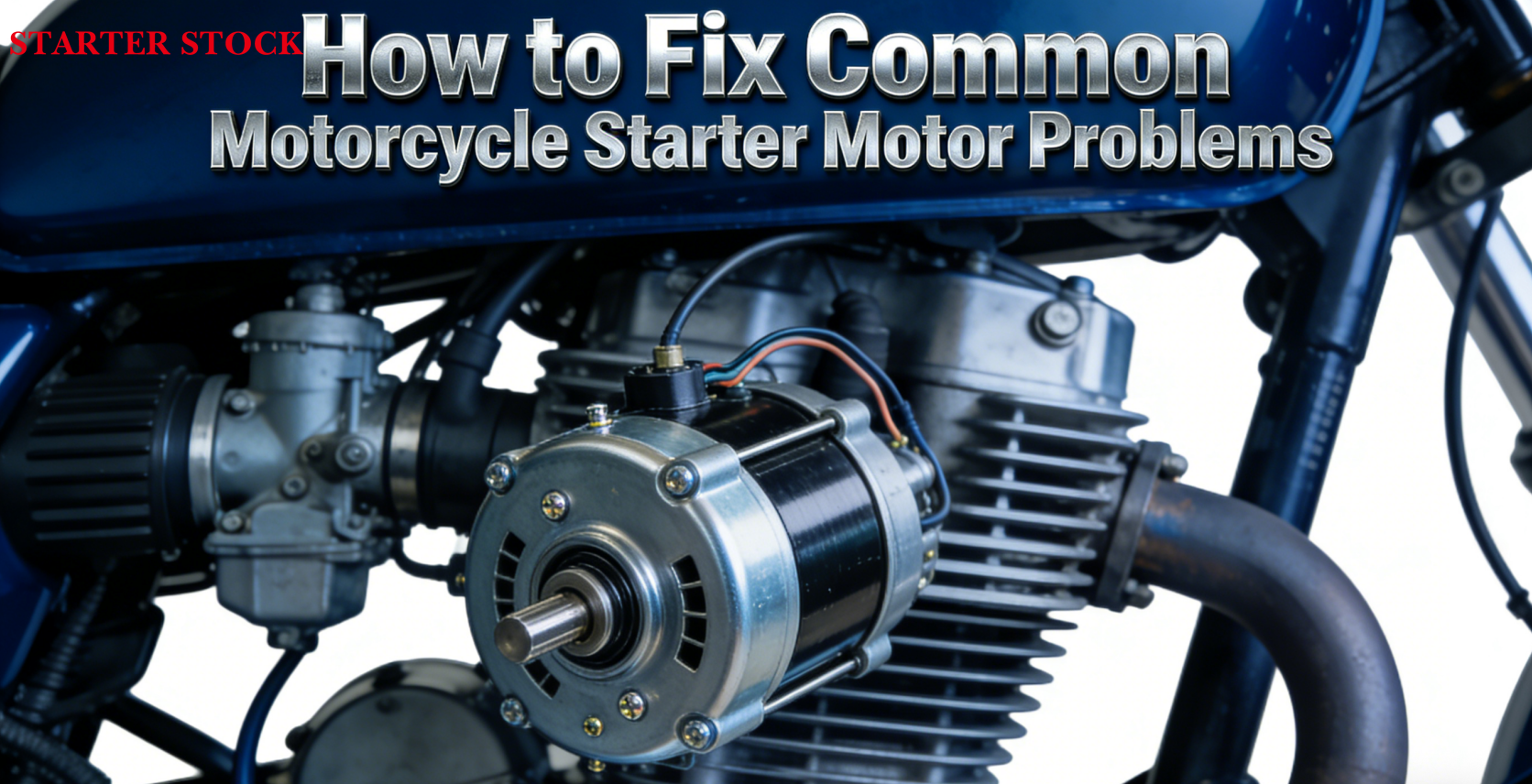
Most starter-related complaints follow a few familiar patterns, and over time, the causes tend to repeat themselves.
When the bike suddenly won’t crank
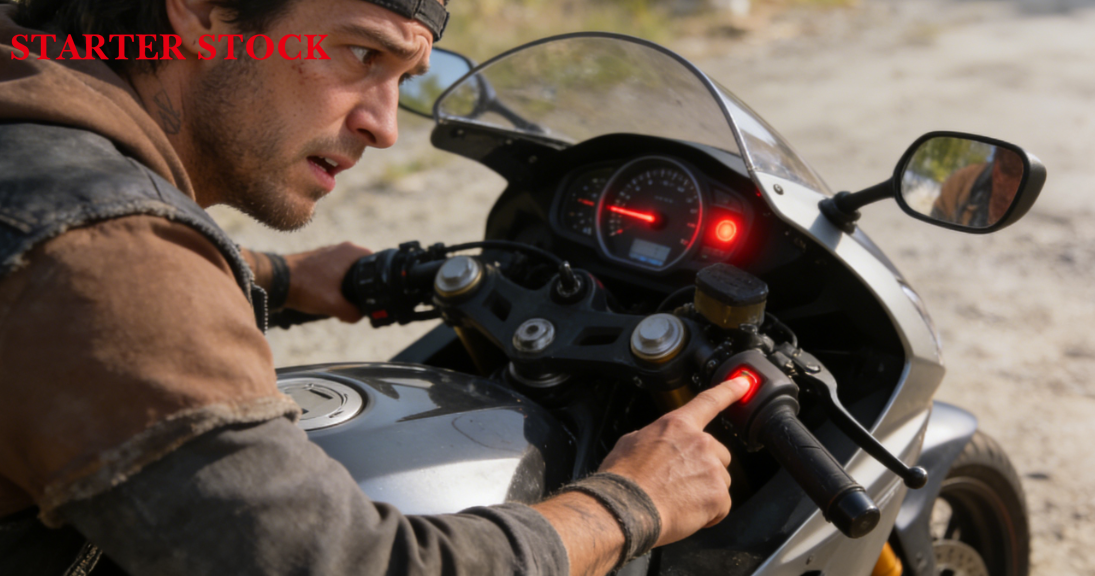
A common situation is a bike that worked fine last week but now shows no response when the start button is pressed. Lights may still come on, and the dashboard looks normal.
In practice, this is where many starter motors get replaced too early.
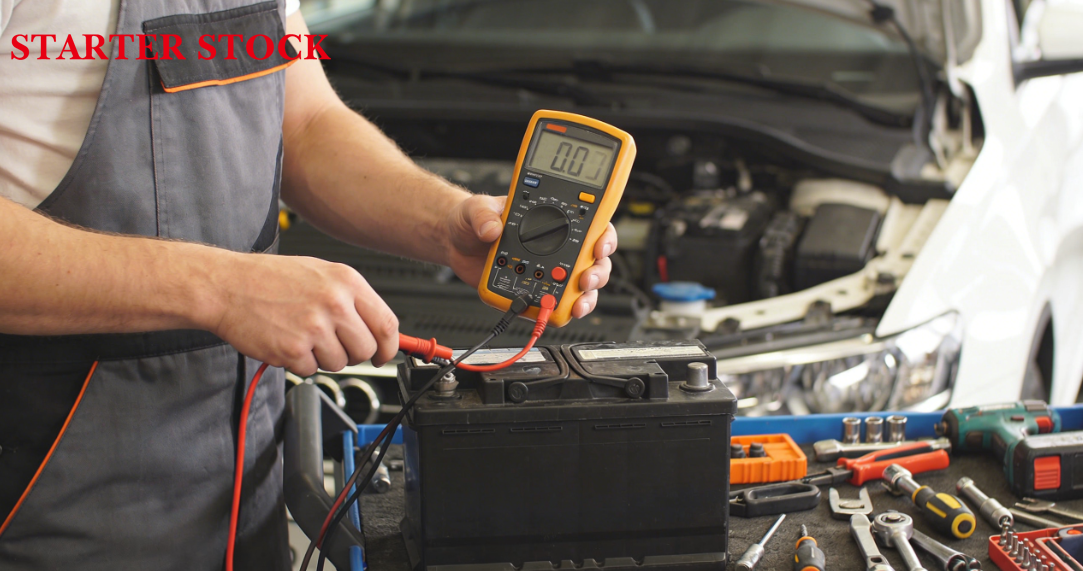
What usually gets checked first in a workshop:
Battery condition under load, not just static voltage
Main ground cable connection to the engine
Starter relay behavior
Cable oxidation near terminals
In many cases, the starter motor itself is not the first failure point. Poor current delivery causes more starter complaints than internal motor defects.
Clicking sound with no engine movement
A single click or repeated clicking often leads to confusion. The sound suggests the starter relay is working, but the engine doesn’t turn.
From field experience, this usually comes down to:
Weak battery capacity
Aged cables with high resistance
Relays that engage but don’t pass full current
Replacing the starter without addressing these points often leads to the same complaint returning within weeks.
Starter spins, engine stays still
This problem shows up more often on higher-mileage bikes and snow-season equipment.
The starter motor spins, but the crankshaft doesn’t move. At first it may happen only when cold. Later, it becomes constant.
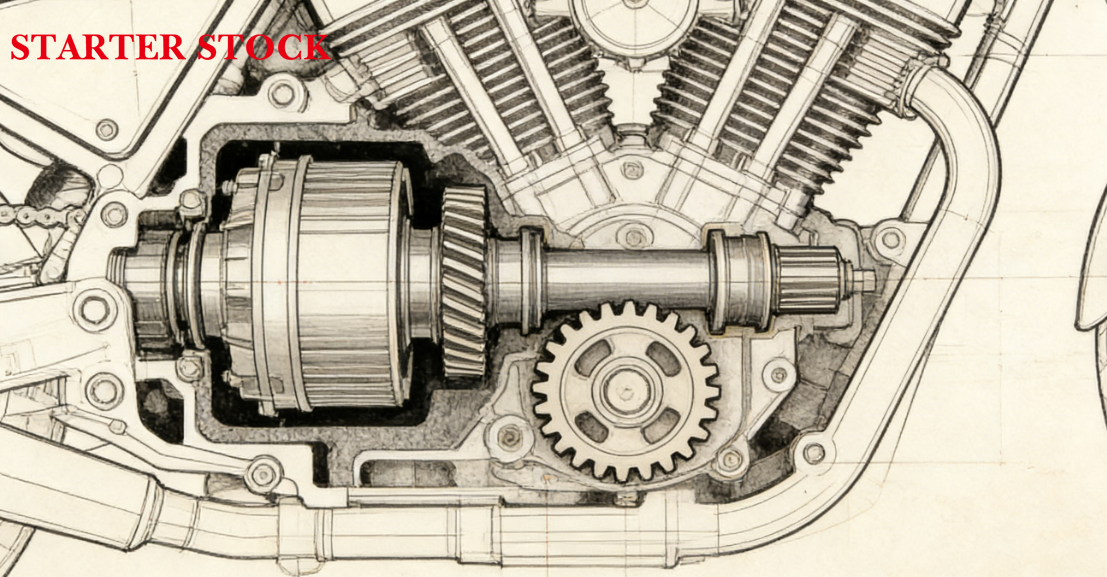
The usual causes are:
Worn starter clutch assemblies
Slipping one-way bearings
Starter gears with rounded teeth
This is where misdiagnosis becomes expensive. Installing a new starter motor alone will not solve the problem, and customers often assume the replacement part is defective.
Slow cranking that gets worse over time
Slow cranking doesn’t usually appear overnight. It develops gradually.
Common contributing factors:
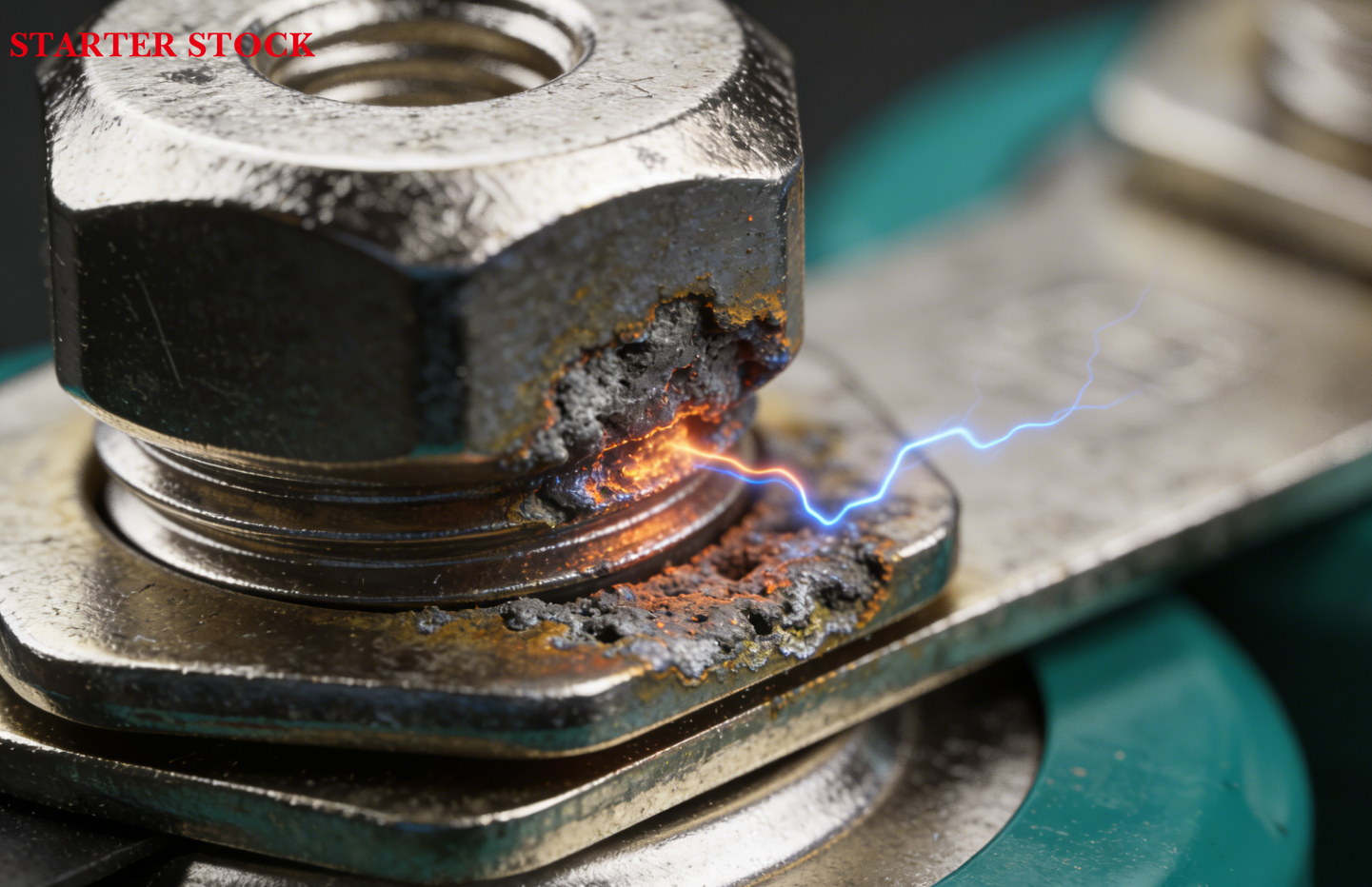
Internal brush wear
Heat damage from repeated long cranking
Increased internal resistance
Oil contamination inside the motor
In many workshops, starters with this problem can be rebuilt successfully. However, consistency becomes an issue when sourcing brushes, seals, or replacement units from mixed suppliers.
Intermittent failures are usually internal
Intermittent starting problems are the most frustrating. The bike starts fine in the morning and fails later in the day.
From real repair data, these cases often involve:
Brushes at the end of their service life
Uneven internal contact surfaces
Thermal expansion affecting worn components
These starters may pass basic bench tests but still fail in real use.
Environmental damage is often underestimated
Starter motors sit low on the engine and are exposed to:
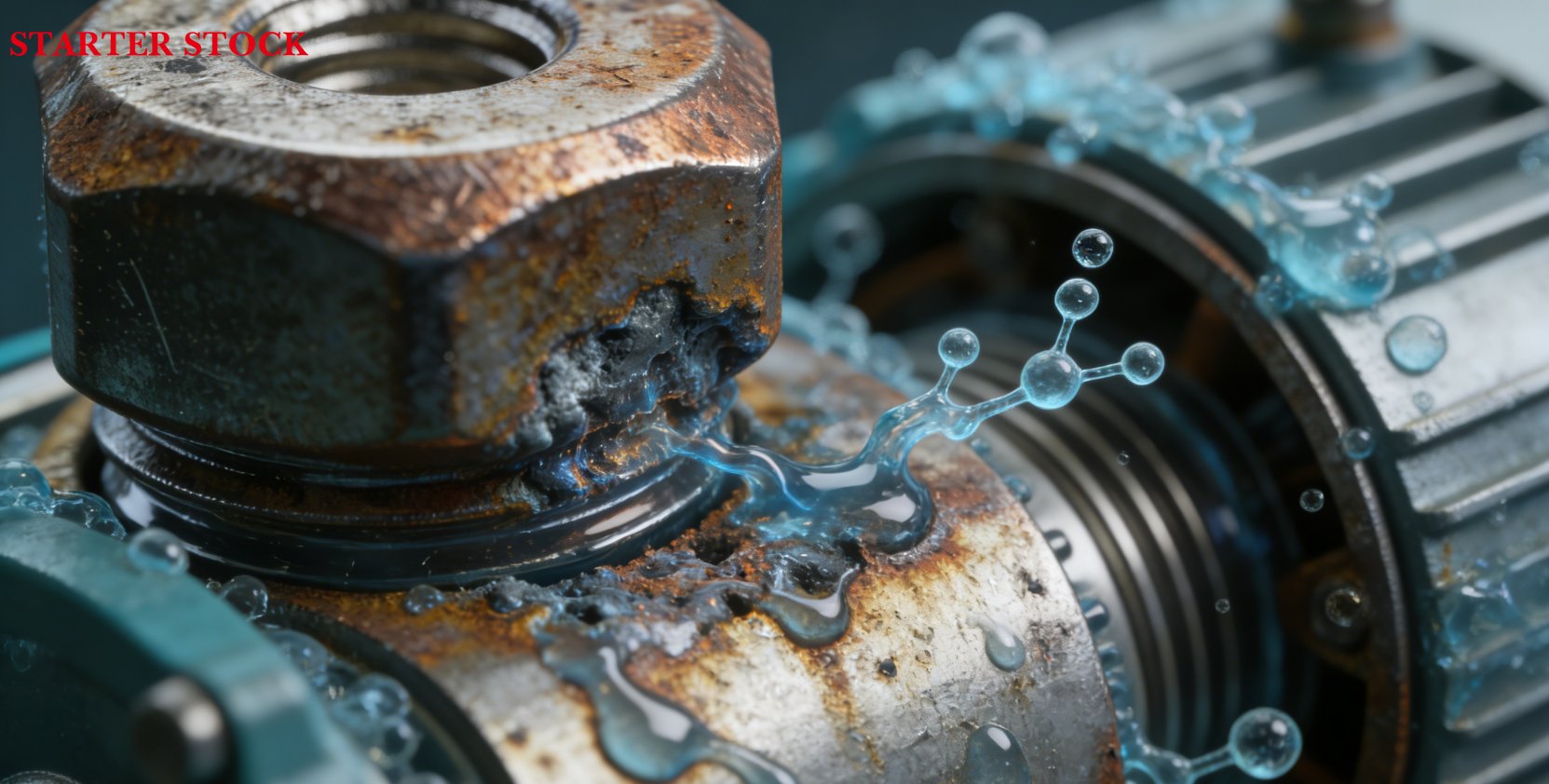
Water spray
Road salt
Fine dust
Temperature swings
Once moisture enters the housing, corrosion slowly increases resistance. This explains why many starter motors fail after wet seasons or long storage periods, even when mileage is low.
Why starter problems repeat in batches
For parts buyers and distributors, the bigger issue is repetition.
When the same starter problem appears across multiple units, it often relates to:
Inconsistent internal components
Variable brush quality
Poor sealing design
Unstable production batches
This is where sourcing becomes as important as diagnosis. A starter that works today but fails early creates warranty pressure and customer trust issues.
Installation issues that create false failures
Even a good starter motor can fail quickly if:
Mounting surfaces are not clean
Ground paths are ignored
Old cables are reused
Related worn components are left unchanged
These failures are often blamed on the part, not the installation environment.
Preventing starter issues at the supply level
From a supply and procurement perspective, reducing starter motor problems means focusing on:
Stable specifications
Consistent internal components
Proper sealing standards
Reliable batch quality
For dealers and repair networks, having access to consistent starter motor supply reduces troubleshooting time and return rates.
Final thoughts
Starter motor problems are rarely caused by a single factor. Electrical condition, mechanical wear, environment, and part consistency all play a role.
For workshops and distributors, solving these issues is not just about replacing one unit, but about choosing components that behave consistently across different bikes and usage conditions.
Reliable starter motors don’t draw attention. They simply work—start after start, season after season. And in the long run, that reliability matters more than any single specification on paper.