
-
180
-
2026-01-13 14:14:55
Clutch plate wear is one of those problems that many riders accept as “normal,” especially on high-use motorcycles. But in workshops and parts businesses, early clutch failure often raises a more serious question: why did it wear out so fast this time?
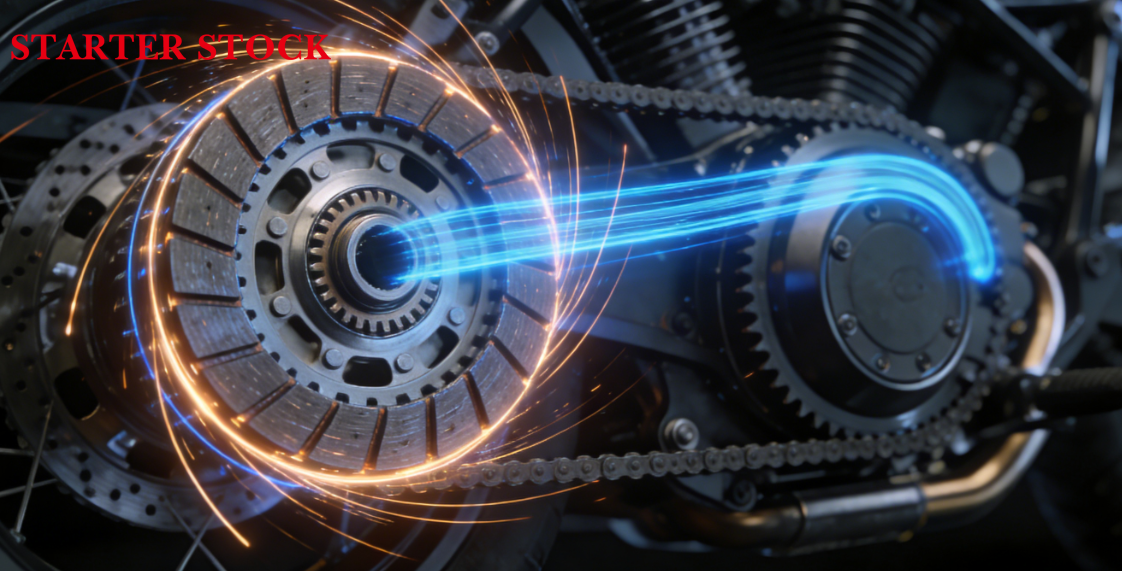
In real-world conditions, clutch plates usually don’t fail suddenly. They wear earlier than expected, and the reasons are often a combination of riding habits, engine setup, installation details, and part quality. Understanding where that wear actually comes from helps prevent repeat problems.
Early wear usually starts quietly
Most clutch problems don’t begin with slipping. They start with subtle changes:
Engagement feels less precise
The friction zone becomes wider
The bike feels less responsive under load
Gear changes feel slightly rough
These signs are easy to ignore, especially on daily-use bikes. By the time slipping becomes obvious, the plates are already well past their ideal service life.
Riding habits matter more than mileage
Mileage alone is a poor indicator of clutch plate life.
Clutches wear faster when the bike is:
Used in heavy traffic with frequent starts
Ridden aggressively at low speeds
Carrying extra load
Used for delivery, touring, or off-road riding
Constant partial engagement generates heat. Heat, more than friction itself, is the main enemy of clutch plates. Two bikes with the same mileage can show completely different clutch wear depending on how they are ridden.
Poor clutch adjustment accelerates wear
One of the most common causes of early clutch plate wear is incorrect adjustment.
Typical issues include:
Insufficient free play
Cable tension that changes with heat
Hydraulic systems with trapped air
Misadjusted aftermarket levers
When a clutch does not fully engage, even slightly, the plates are always slipping. The rider may not feel it immediately, but wear increases rapidly.
Workshops often see worn clutches that never had proper free play from day one.
Oil choice plays a bigger role than expected
Clutch plates depend heavily on oil condition.
Common oil-related causes of early wear:
Using automotive oil instead of motorcycle-rated oil
Oil with friction modifiers not designed for wet clutches
Extended oil change intervals
Contaminated or overheated oil
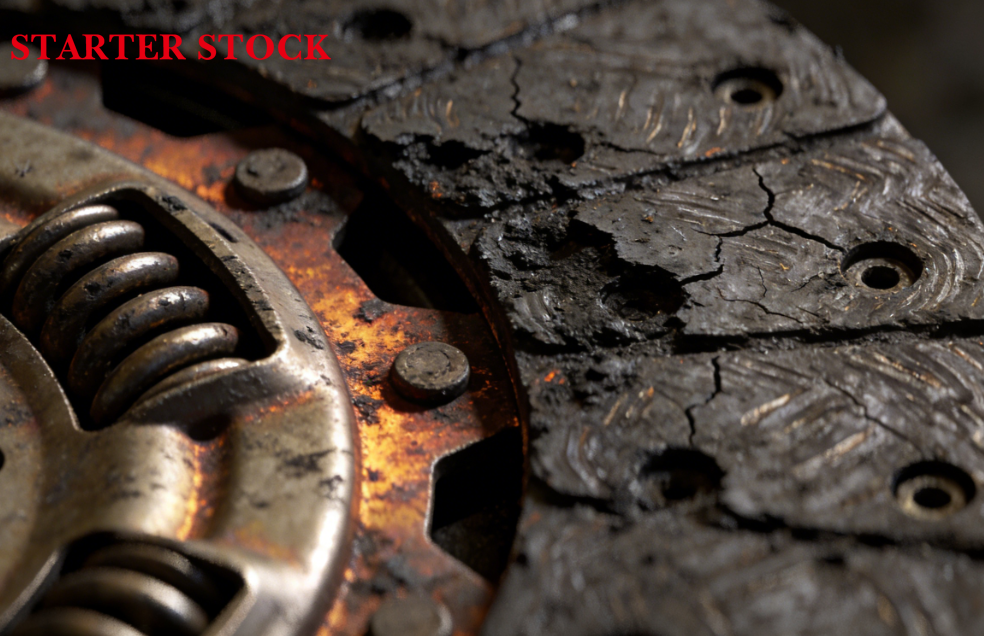
When oil loses its ability to manage heat and friction, clutch plates glaze faster and lose grip. This often shows up as inconsistent slipping rather than complete failure.
Installation details are often overlooked
Even quality clutch plates can fail early if installation is rushed.
Common installation mistakes:
Not soaking friction plates before installation
Mixing old and new plates unevenly
Ignoring warped steel plates
Incorrect bolt torque on pressure plates
In some cases, the clutch pack is installed correctly, but worn springs are reused. Weak springs reduce clamping force and increase slip under load, shortening plate life.
Material quality makes a real difference
Not all clutch plates are built the same, even when they look identical.
Differences often appear in:
Friction material composition
Heat resistance
Plate thickness tolerance
Bonding quality between friction and base plate
Inconsistent materials lead to unpredictable wear patterns. Some plates glaze early, others break down unevenly. This is where many repeat failures originate, especially in batch-installed parts.
Heat buildup is the real enemy
Heat is the main reason clutch plates wear early.
Heat increases due to:
Constant partial engagement
Heavy loads at low RPM
Slipping caused by weak springs
Poor oil circulation
Once plates overheat, the friction material hardens and loses effectiveness. Even if slipping seems to improve after cooling, damage is already done.
Why early clutch failures repeat in fleets
For dealers, workshops, and distributors, early clutch wear becomes a bigger issue when it repeats across multiple bikes.
Repeat failures often point to:
Inconsistent plate quality
Mixed suppliers with different specifications
Lack of compatibility verification
Variations between production batches
This is not always visible during installation, but shows up later as warranty claims and customer complaints.
Preventing early clutch plate wear
From practical experience, prevention focuses on a few key areas:
Correct clutch adjustment from day one
Using motorcycle-specific oil
Replacing springs together with plates when needed
Matching clutch components as a set
Sourcing plates with stable specifications
Good riding habits help, but correct parts selection and installation matter just as much.
When replacement is better than reuse
Trying to save cost by reusing worn components often backfires.
Replacement is usually the better option when:
Steel plates show heat discoloration
Springs measure below specification
Friction plates have uneven wear
Engagement feel has already changed
Replacing only part of the clutch system often leads to uneven wear and early failure of the new plates.
Final thoughts
Motorcycle clutch plates don’t usually wear early without a reason. Riding conditions, adjustment, oil quality, installation, and material consistency all contribute to how long a clutch lasts.
For individual riders, early wear means more frequent repairs. For workshops and parts buyers, it means lost time, unhappy customers, and repeat work. Preventing these issues starts with understanding why wear happens—and choosing components that behave consistently under real riding conditions.
A clutch that wears predictably is easier to manage than one that fails early without warning. In the long run, consistency matters more than any single specification on paper.