
The Knuckle-Buster’s Guide: How to Replace a Starter Motor Without Losing Your Mind Table of Content
-
67
-
2026-01-26 14:49:56
1. The Diagnosis: Is It Really the Starter?
2. Safety First: Don’t Turn Yourself Into a Human Fuse
3. The Toolkit: What You Actually Need (and the "Life-Savers")
4. Step-by-Step: The Extraction Process
a. Clearing the Path: Skid Plates and Manifolds
b. The "Hidden" Wires: Managing the Solenoid Leads
c. The Bolt Battle: Dealing with Seized Hardware
5. The "While You’re in There" Checklist
6. The Bench Test: Confirming the Kill
7. Installation: The Art of the Reversal
8. The Sourcing Dilemma: Why the Part Matters More Than the Work
9. StarterStock: Redefining the Motor Supply Chain
a. Eliminating the "White-Box" Gamble
b. Small-Batch Sourcing for Big Ideas
c. Global Transparency for the Modern Innovator
10. Conclusion: Build It Right, Start It Every Time
1. The Diagnosis: Is It Really the Starter?
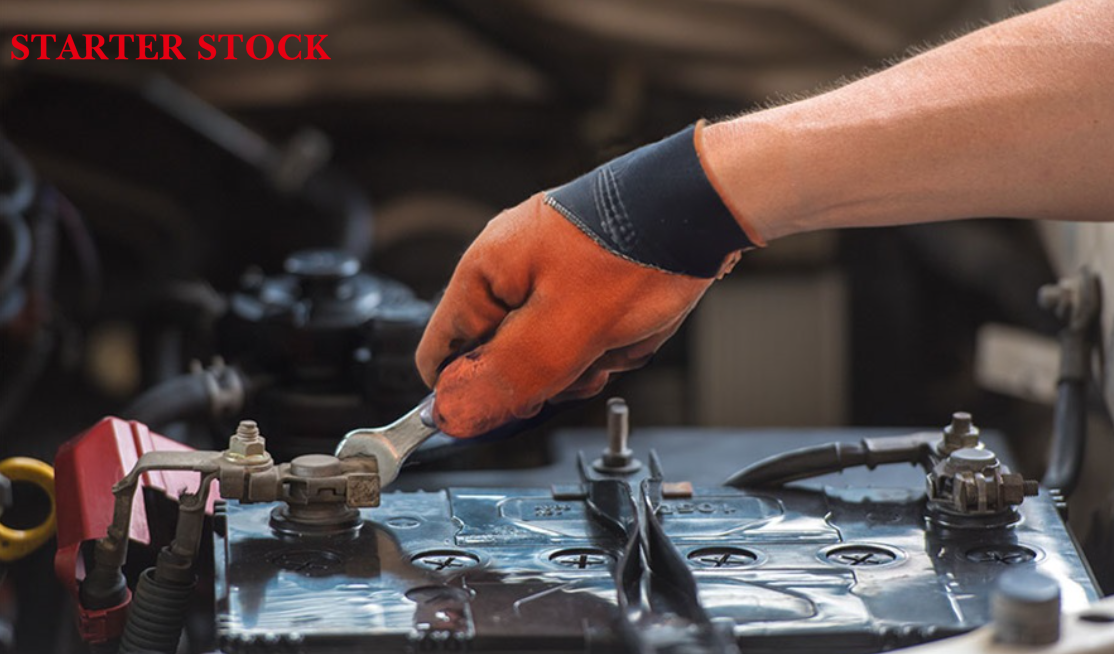
Before you go crawling under your truck or tearing apart your jet ski, you need to be sure you’re not about to waste four hours replacing a perfectly good part. In my years on the shop floor, I’ve seen countless "failed" starters that were actually just dirty battery terminals or a bad ground strap.
Do the "Headlight Test." Turn on your lights and try to crank the engine. If the lights stay bright but the engine doesn't turn, your battery is likely fine, and the starter is the culprit. If the lights go pitch black, you’ve got a power delivery problem.
Once you’ve confirmed that "single click" or that pathetic "slow growl," it’s time to get to work. Replacing a starter is a rite of passage for any DIYer or maintenance lead, but doing it right—and sourcing a part that won't fail in six months—is where the experts separate themselves from the amateurs.
2. Safety First: Don’t Turn Yourself Into a Human Fuse
Rule number one, and I will shout this from the rooftops: Disconnect the negative battery cable. The starter motor is connected directly to the battery with a thick-gauge wire that is always hot. It isn't protected by a standard fuse because it pulls too much amperage. If your wrench touches that "live" post and the frame at the same time, you’re going to see a firework show you didn't ask for. You can weld a wrench to a frame in about half a second. Don't risk it.
3. The Toolkit: What You Actually Need
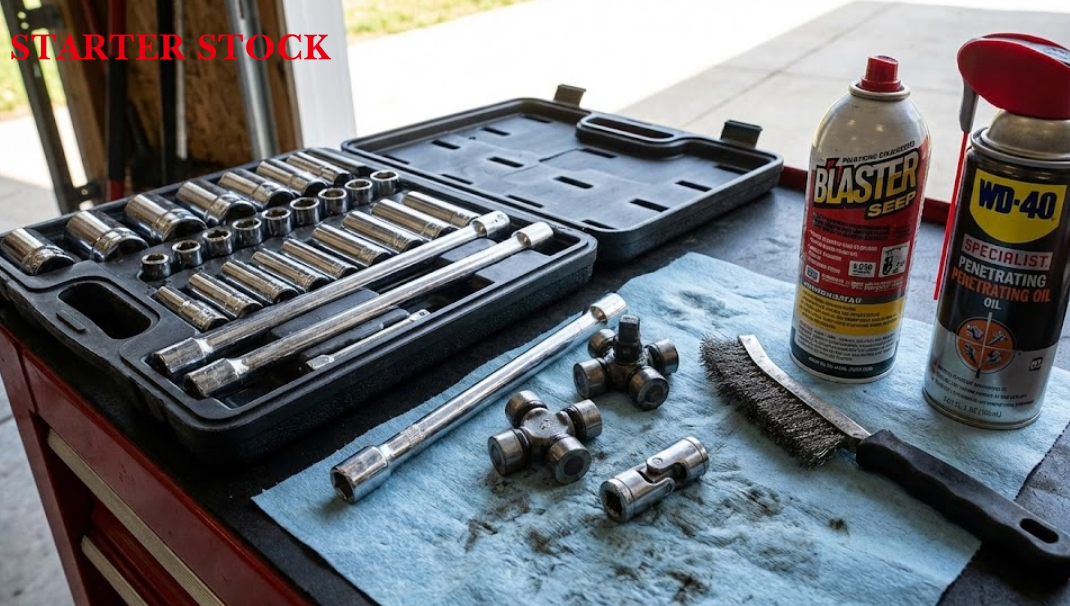
You don’t need a specialized "starter wrench," but you do need a few things that will save your skin:
● Socket Set (with long extensions): Starters are often tucked in dark corners. You’ll need 6-inch and 10-inch extensions to reach the mounting bolts from behind the crossmember.
● Universal Joints (Swivels): For when the bolt is at a 45-degree angle to your hand.
● Wire Brush: To clean the ring terminals so your new motor gets a clean "drink" of electricity.
● PB Blaster or WD-40 Specialist: If you’re working on an older vehicle or a boat, those bolts are likely rusted into the block. Soak them an hour before you start.
4. Step-by-Step: The Extraction Process
Clearing the Path
On a simple RWD truck, you just crawl under and there it is. On a modern FWD car or an ATV, you might have to remove a plastic skid plate or even an air intake box. If you’re working on a marine inboard, you might be working blindly by feel. Take photos of the wire routing before you move anything.
The Wiring: Solenoid Leads
There are usually two wires.
1. The "B" Terminal: The big, fat cable from the battery.
2. The "S" Terminal: The tiny wire that carries the signal from your key/start button. Remove the nuts holding these in place. Pro-tip: Put the nuts back on the old starter’s studs once the wires are off so you don’t lose them.
The Bolt Battle
Most starters are held on by two or three long bolts. These are high-torque fasteners. If they don't budge, don't just pull harder—you'll snap the head off. Use a "cheater bar" (a piece of pipe over your wrench) for smooth, consistent pressure.
Once the last bolt is loose, support the starter with your free hand. These things are heavy (often 10-15 lbs), and you don't want it falling on your face or hanging by the delicate signal wire.
5. The "While You’re in There" Checklist
While the starter is out, look at the Flywheel teeth. Reach your finger into the hole (carefully!) or use a mirror. If the teeth on the flywheel are chewed up or missing, a new starter isn't going to fix your problem for long. It’ll just grind itself to death.
Also, check the Ground Straps. A starter is only as good as its return path to the battery. If the engine block is covered in oil and grime where the starter mounts, clean it with a Scotch-Brite pad to ensure a metal-to-metal connection.

6. The Bench Test: Confirming the Kill
Before you throw the old unit in the scrap pile, bench test it. Use jumper cables to connect the starter body to a battery’s negative terminal and the "B" post to the positive. Use a small jumper wire to trigger the "S" terminal.
● If the gear pops out and spins like crazy, your starter might be fine, and you have a wiring issue in the vehicle.
● If it just smokes or groans, you’ve confirmed its death.
7. Installation: The Art of the Reversal
Installing the new unit is usually easier, but watch out for Shims. Some older engines (especially Chevy small blocks) use thin metal spacers called shims to align the starter gear with the flywheel. If your old starter had them, put them back.
Tighten the mounting bolts to the factory torque spec. If they’re too loose, the starter will twist and "kick" every time you start, eventually shearing the bolts. If they’re too tight, you risk cracking the aluminum mounting "ears."
8. The Sourcing Dilemma: Why the Part Matters More Than the Work
Here is the cold, hard truth: You can do a perfect installation, but if the part you bought is a "white-box" special from a random discount site, you’ll be doing this job again in three months.
Low-quality starters use "copper-clad aluminum" instead of pure copper, which increases resistance and leads to "heat soak"—that's when the car starts fine when cold, but won't start after you’ve driven it for 20 minutes. They use cheap plastic plungers in the solenoid that melt under high-load cycles.
For innovators—the people building custom motorcycles, refurbishing fleets of mowers, or maintaining a rental boat dock—a "cheap" part is actually the most expensive thing you can buy because of the downtime.
9. StarterStock: Redefining the Motor Supply Chain
This is exactly why we built StarterStock. We saw the frustration of engineers and mechanics who were tired of the "flip-of-the-coin" quality of global sourcing. We’ve turned the motor procurement process from a gamble into a science.
Eliminating the "White-Box" Gamble
We don't just "list" parts. We curate a network. Every factory on the StarterStock platform is audited for technical precision. We check the magnetism of their armatures and the cycle-life of their solenoids. When you buy a motor from us, you’re getting a part that has been verified for its specific application—whether that's a high-vibration ATV or a corrosion-heavy marine engine.
Small-Batch Sourcing for Big Ideas
The biggest hurdle for hardware innovators is Volume. If you're building a prototype for a new solar-powered agricultural vehicle, you don't need 10,000 starters—you need 5. Traditionally, that meant you were stuck with "off-the-shelf" junk. StarterStock connects you with top-tier manufacturers who are willing to fulfill small-batch orders without sacrificing the quality that usually only comes with massive contracts.
Global Transparency for the Modern Innovator
We provide the tools to manage your supply chain with zero "black boxes."
● Integrated Trade Support: From the factory floor in Ningbo to your workshop in Ohio, we handle the logistics.
● Knowledge-Driven Community: We aren't just a store; we’re a hub. Our blog and forums are filled with technicians and engineers who understand the nuances of voltage regulators, magnetos, and high-amp relays.
10. Conclusion: Build It Right, Start It Every Time
Replacing a starter motor is more than just a repair—it’s an investment in the reliability of your machine. By following the right steps and ensuring a clean, high-torque connection, you’re taking control of your mechanical world.
But remember: the best mechanical work in the world can't save a sub-par motor. Don't settle for "good enough" when it comes to your ignition system. Whether you’re a professional fleet manager or a weekend innovator, you need a sourcing partner that understands the stakes.
StarterStock is that partner. We provide the mature supply network of motors, relays, and regulators that the modern industry demands.
Ready to upgrade your sourcing? Join the StarterStock community today and find the verified parts that will keep your project moving forward.