
-
104
-
2026-01-27 14:10:33
If you deal with snowmobiles long enough, you stop being surprised by sensor problems. What does surprise people is how rarely those problems look like sensor problems at the beginning.
Most of the time, the machine still runs. It still starts. It still moves. Something just feels off. And because it feels off in a vague way, sensors are usually not the first thing anyone checks.
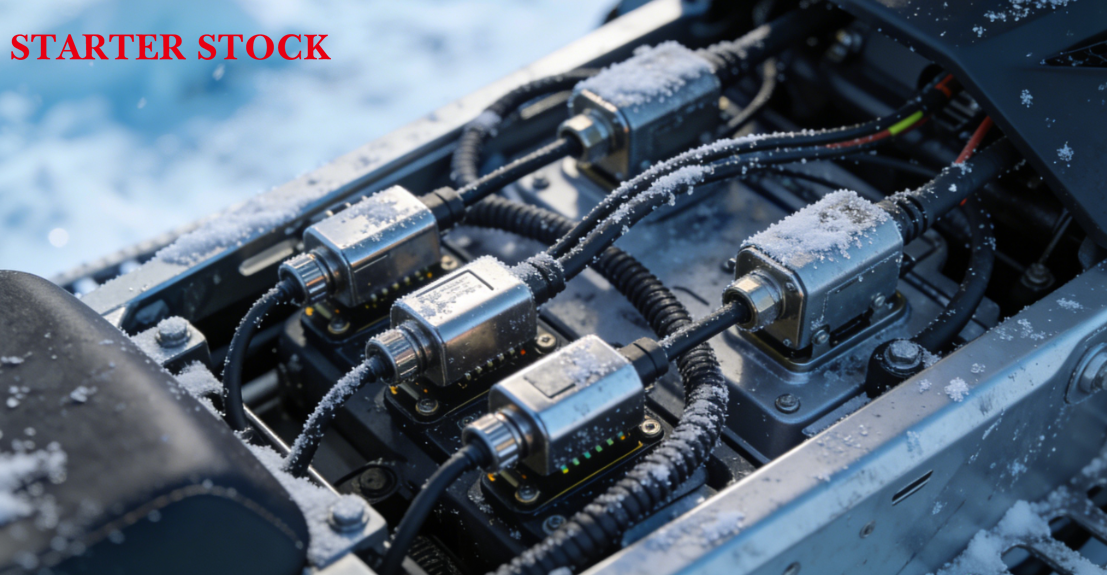
It Usually Starts With “Something Feels Different”
A lot of sensor-related issues begin with comments like these:
“Cold starts aren’t as smooth as last season.”
“It runs fine once it warms up.”
“It hesitates sometimes, but not always.”
None of that sounds serious. So riding continues. The snowmobile goes through a few weekends, maybe an entire season, with the issue slowly getting worse.
By the time the machine finally comes in for inspection, the original problem is buried under new symptoms.
Sensors Don’t Fail Like Mechanical Parts
One of the biggest misunderstandings is expecting sensors to fail cleanly.
Belts snap. Bearings make noise. Clutch components wear in visible ways. Sensors don’t do any of that. Most of them degrade quietly. Their readings drift. Their response slows down. Their signals fluctuate just enough to confuse the control system.
A throttle position sensor might be accurate at idle but inconsistent through mid-throttle. A temperature sensor might still work, but react slower than it should. An engine speed sensor might lose signal quality only under vibration.
Nothing is “broken,” but nothing is right either.
Why People Chase the Wrong Problem
When performance changes, people naturally look at the parts they can see and touch.
Fuel issues? Check injectors.
Idle problems? Look for air leaks.
Power loss? Inspect the clutch or belt.
Sensors stay in the background because they don’t give obvious clues. Many machines don’t even show fault codes when sensor data is slightly out of range.
In real cases, it’s common to see several parts replaced before anyone looks at live sensor readings.
Cold Weather Speeds Everything Up
Snowmobiles live a hard life. Cold starts, vibration, moisture, freeze-thaw cycles—none of that is friendly to electronics.
Sensors don’t need high mileage to fail. They just need time in the wrong conditions. Machines that are moved frequently between heated garages and outdoor storage often show sensor issues earlier than expected.
This is why some low-mileage sleds develop electronic problems while higher-mileage ones keep running fine.
Wiring Causes More Trouble Than Expected
In many cases, the sensor itself is not the real issue.
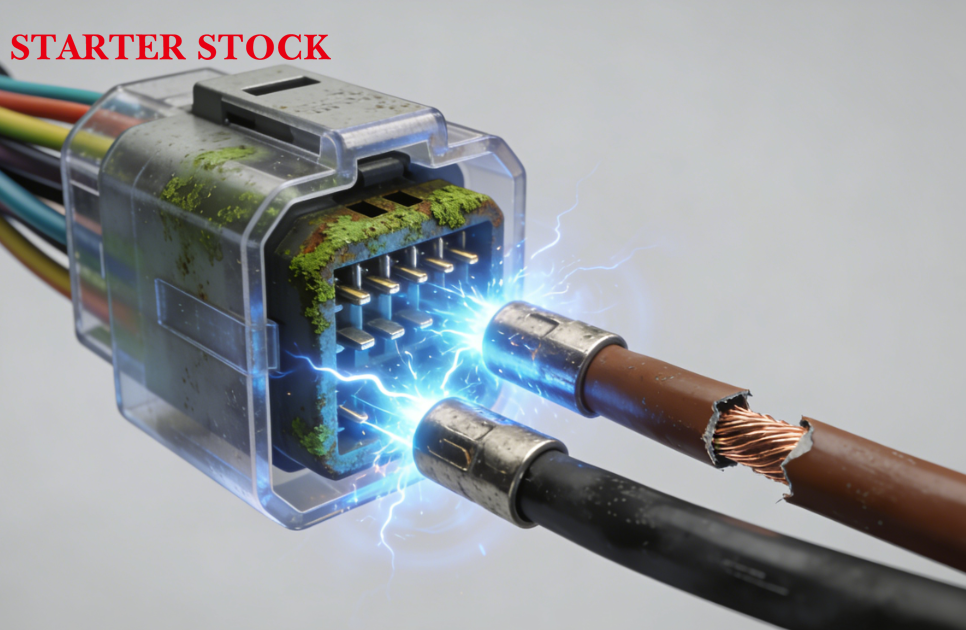
Wiring harnesses shift. Clips loosen. Ice pulls on cables. Moisture works its way into connectors that were sealed years ago but no longer are. A sensor can be sending a good signal, but the control unit never receives it properly.
This is one reason sensor replacements sometimes don’t solve the problem. Without checking connectors and harness routing, the same symptoms often return.
“Almost Correct” Data Is the Worst Kind
The most frustrating situations are when sensor data is almost correct.
The engine control unit trusts the data and adjusts fuel and ignition accordingly. The result is an engine that runs, but never quite the same way twice.
Fuel consumption increases. Spark plugs foul faster. Idle quality changes with temperature. None of these issues point clearly to one failed part.
From the outside, it looks like a series of unrelated problems. In reality, the system is reacting to bad input.
Replacement Sensors Can Be a Mixed Bag
Another thing that comes up often in parts discussions is replacement quality.
Even when sensors are listed as compatible, real-world performance can vary. Small differences in signal tolerance or response speed matter more than many people expect.
Some replacement sensors fix the original issue but create new ones that didn’t exist before. This is especially noticeable in throttle and engine speed sensors.
This is why experienced workshops tend to stick with suppliers they trust. Saving a little on the part isn’t worth repeating the diagnosis.
What Fleet Operators Figure Out Early
People managing multiple snowmobiles usually learn faster.
They don’t treat sensor failures as random. If the same sensor fails across several units, they start looking at mounting locations, vibration exposure, and harness design.
Over time, this kind of experience shapes how parts are sourced. Consistency becomes more important than price.
Why Sensor Knowledge Matters for Parts Buyers
From a parts platform perspective, sensor-related inquiries are rarely simple. Buyers want confirmation that they are replacing the right component, not just any compatible one.
Clear specifications, accurate application data, and realistic expectations about service life matter more than aggressive marketing. Trust reduces returns and repeat problems.
Final Thought
Snowmobile sensor problems rarely stop a machine immediately. They sneak in, hide behind other symptoms, and waste time when misdiagnosed.
Understanding how these issues actually show up in real use—not how they are described in manuals—helps everyone make better decisions. In a season where riding time is limited, fixing the right problem matters.