
-
93
-
2026-02-03 10:59:03
Brushed motors are economical and durable but have a shorter lifespan and produce significant noise. Brushless motors are highly efficient and quiet yet come at a higher price. Choosing the right motor type saves you money and hassle—find your “ideal power partner” based on your application and budget.
In the world of motors, brushed and brushless motors are like “twin brothers.” Though both serve as power cores, each has its own distinct advantages.
I. Core Difference: Understanding the Essence Through “Brushes”
Many people's understanding of the two types remains stuck at the superficial difference of “whether or not they have carbon brushes.”
Brushed Motors: Rely on carbon brushes contacting the commutator for electrical conduction. Current flows through the brushes, causing alternating changes in the rotor coils to drive the motor's rotation. Much like old-fashioned flashlights requiring regular battery replacement, the carbon brushes also need to be replaced once worn down.
Brushless Motor: Eliminates carbon brushes, instead using Hall sensors and electronic controllers to switch current direction. The rotor achieves rotation through electromagnetic induction between permanent magnets and stator windings, resulting in a cleaner structure.
Simply put, brushed motors employ “mechanical commutation” while brushless motors utilize “electronic commutation.” This fundamental difference directly leads to distinct performance characteristics and application scenarios.
II. Brushed Motors: The Cost-Performance Champion's Pros and Cons
(1) Three Core Advantages for Pragmatists
Simple Structure, Low Cost
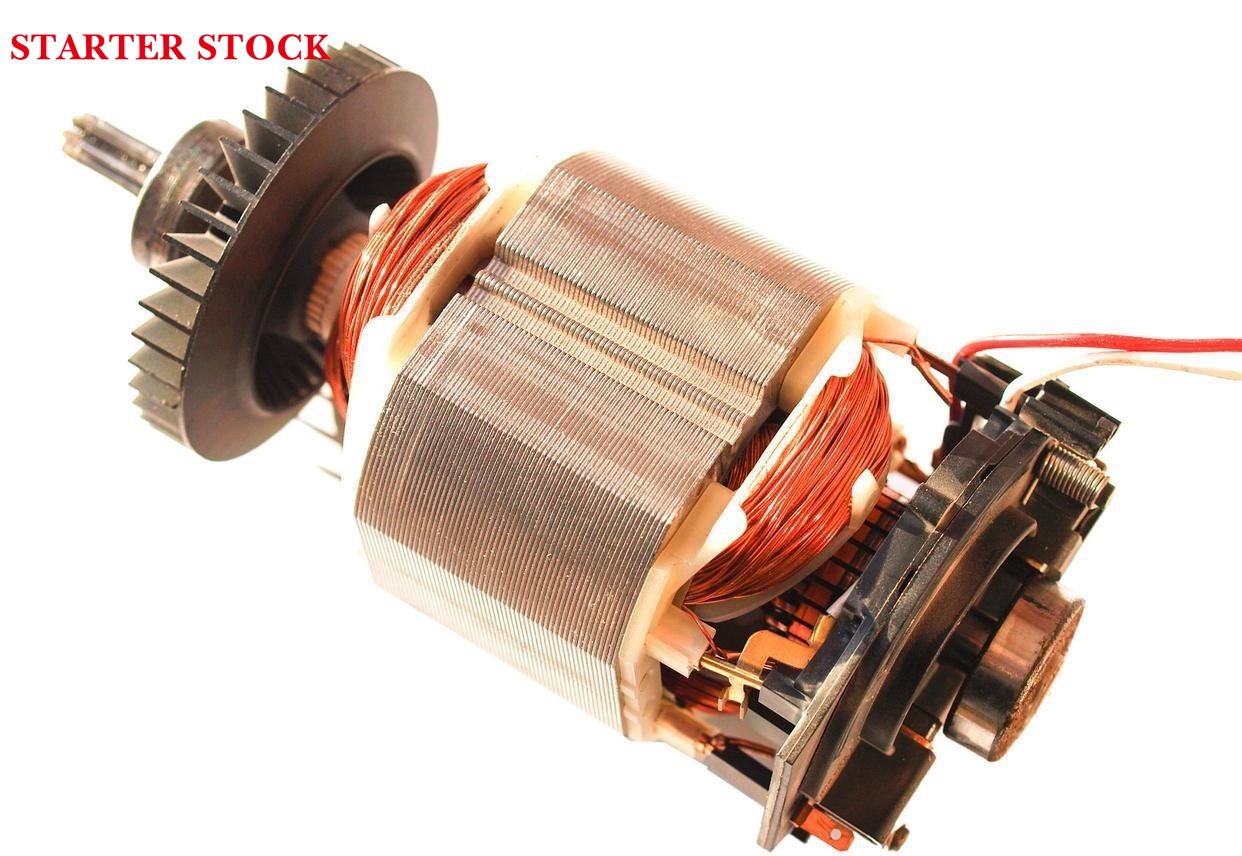
Brush motors are basically like building blocks, with four main parts: the stator, the rotor, the carbon brushes, and the commutator. Their manufacturing process is pretty much set in stone, which means their production costs are 30%-50% lower than brushless motors. I mean, think about it: you've got your fans, your vacuum cleaners, even your electric shavers. Most of them use brush motors, right? And the reason for that is pretty simple - cost.
High Starting Torque, Fast Response
They deliver immediate, substantial torque upon activation. A light press of the switch instantly achieves high RPM, making them ideal for applications requiring “burst power” like power drills and angle grinders. This instant high torque rapidly penetrates hard materials.
Easy Maintenance and Operation
When carbon brushes wear out, users can replace them themselves. Replacement parts cost only a few dozen Yuan online. Unlike brushless motors, which rely on specialised controllers and require factory repairs when faulty, brush motors offer straightforward maintenance.
(II) Four Major Flaws Dooming It to Niche Status
High Friction Losses and Short Lifespan
The rubbing of carbon brushes and commutators against each other happens hundreds of times per second. This results in significant heat generation (the motor surface can become hot to the touch) and the buildup of carbon dust. Well, it'll probably last you about 5,000 to 10,000 hours, give or take. That's about the same as replacing the motor every 2 to 3 years if you're using it for about 3 hours a day.
Strong Electromagnetic Interference and Piercing Noise
Friction sparks can interfere with nearby electronic devices. For example, a radio may emit static when you use a brushed motor drill. At the same time, the high-speed friction makes a noise that is more than 70 decibels, which is 20 decibels louder than brushless motors. This can cause ongoing discomfort when it is used for a long time.
Low efficiency, high power consumption and heat generation
Over 30% of electrical energy is lost to friction and heat dissipation. For example, a brushed motor of the same rated power delivers 15%-20% less actual output power than a brushless motor. This results in significantly higher electricity costs over time and increases the risk of magnet demagnetization due to overheating.
III. Brushless Motors: The “All-Rounder” of the High-End Market
(1) Four Core Advantages Delivering Dominant Performance
High efficiency and energy savings: Cheap and kind to the environment
By getting rid of carbon brushes, more than 90% of the energy is used well (compared to just 70% for brushed motors). For example, a 1000W brushless electric motor uses 30% less power than a brushed motor that is the same size, and can go 10 kilometres further. Over time, this saves enough to purchase a new battery.
Extended Lifespan, Maintenance-Free Convenience
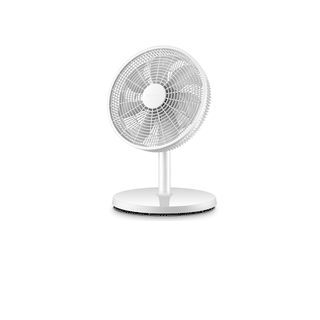
With no carbon brush wear, primary wear occurs in bearings (requiring only periodic lubrication), achieving 20,000-30,000 hours of operation—3-5 times longer than brushed motors. For instance, a household brushless fan requires almost no repairs over 10 years, eliminating the hassle of “replacing carbon brushes.”
Quiet and smooth running
This device operates via electromagnetic induction, producing noise levels below 50 decibels—equivalent to the volume of a quiet conversation. For instance, drones equipped with brushless motors emit only a faint hum during flight, whereas those with brushed motors sound like a strong wind whistling past your ears.
Versatility and ruggedness for demanding environments.
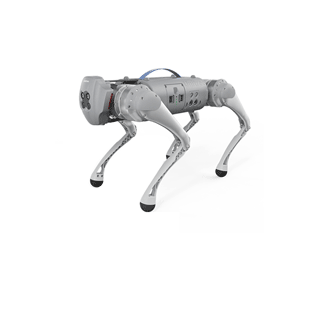
The elimination of hazards in flammable or explosive settings due to the absence of electrical sparks. Mandatory for facilities like flour mills and gas stations. The essential nature of these components for the precision control of RC models, robots and other high-tech devices is due to their stable high-speed operation.
(II) Two Major Shortcomings That Limit Its Versatility
High Cost and High Barriers for Controllers
Manufacturing costs are 40%-60% higher than brushed motors. When you add the necessary electronic controller (which accounts for 30% of the total cost), the whole system becomes much more expensive. For example, a brushless electric motor plus controller costs 800 yuan, while a brushed motor costs only 400 yuan.
Weak Low-Speed Performance and Potential Resonance
Torque delivery during startup is less immediate than in brushed motors. Some low-cost brushless motors exhibit slight vibrations at low speeds—for instance, a noticeable “jerk” when an electric vehicle begins moving. Additionally, improper controller calibration may cause resonance during high-speed operation, compromising equipment stability.
IV. How to choose? Prioritise scenarios
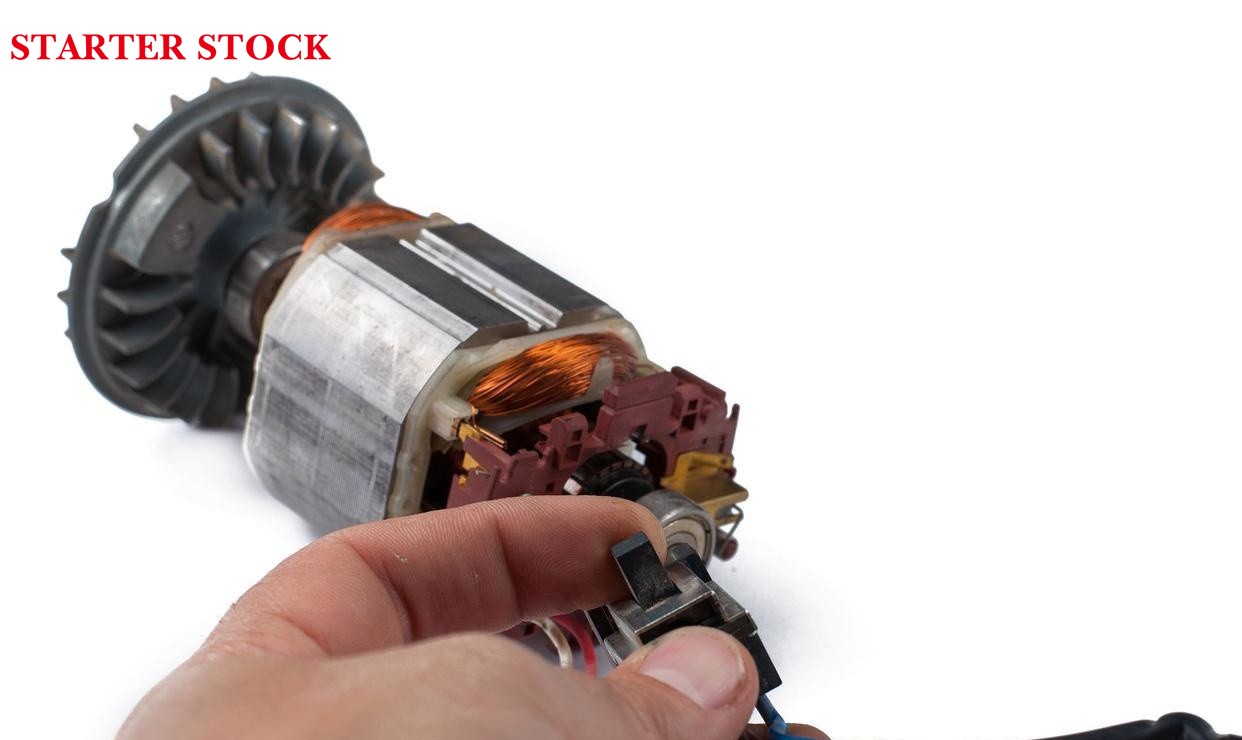
Choose brushed motors: Choose brushed motors when funds are limited, cost-effectiveness is essential, equipment usage is rare (e.g., occasional power drills), and noise/lifespan requirements are minimal.
Choose brushless motors: Use brushless motors for things like e-bikes and home fans that you use a lot and make little noise, or for things like drones and robots that need to be very precise and don't make a lot of noise. They're the best choice in places where things can catch fire or explode.
Example: For a home fan running for eight hours a day, a brushless motor will save more energy and last longer. For an occasionally used handheld fan with budget constraints, a brushed motor suffices.
V. Conclusion: There's no “better” or “worse,” only “right fit”
Brushed motors are like the “economical, dependable guy”—affordable and low-maintenance, perfect for light daily use. Brushless motors are akin to "all-around elites" due to their high efficiency and minimal maintenance requirements, making them perfect for high-demanding, long-term applications. With advances in technology, there has been a decline in the cost of brushless motors, resulting in an expansion of their reach across more sectors. However, there will be no complete disappearance of brush motors, with their retention of a place in low-end markets and simple scenarios.
Next time you shop for motorised devices, remember the importance of comprehensive consideration of usage frequency, budget and performance requirements.