
-
71
-
2026-02-03 11:26:31
The Origin of Motorboats
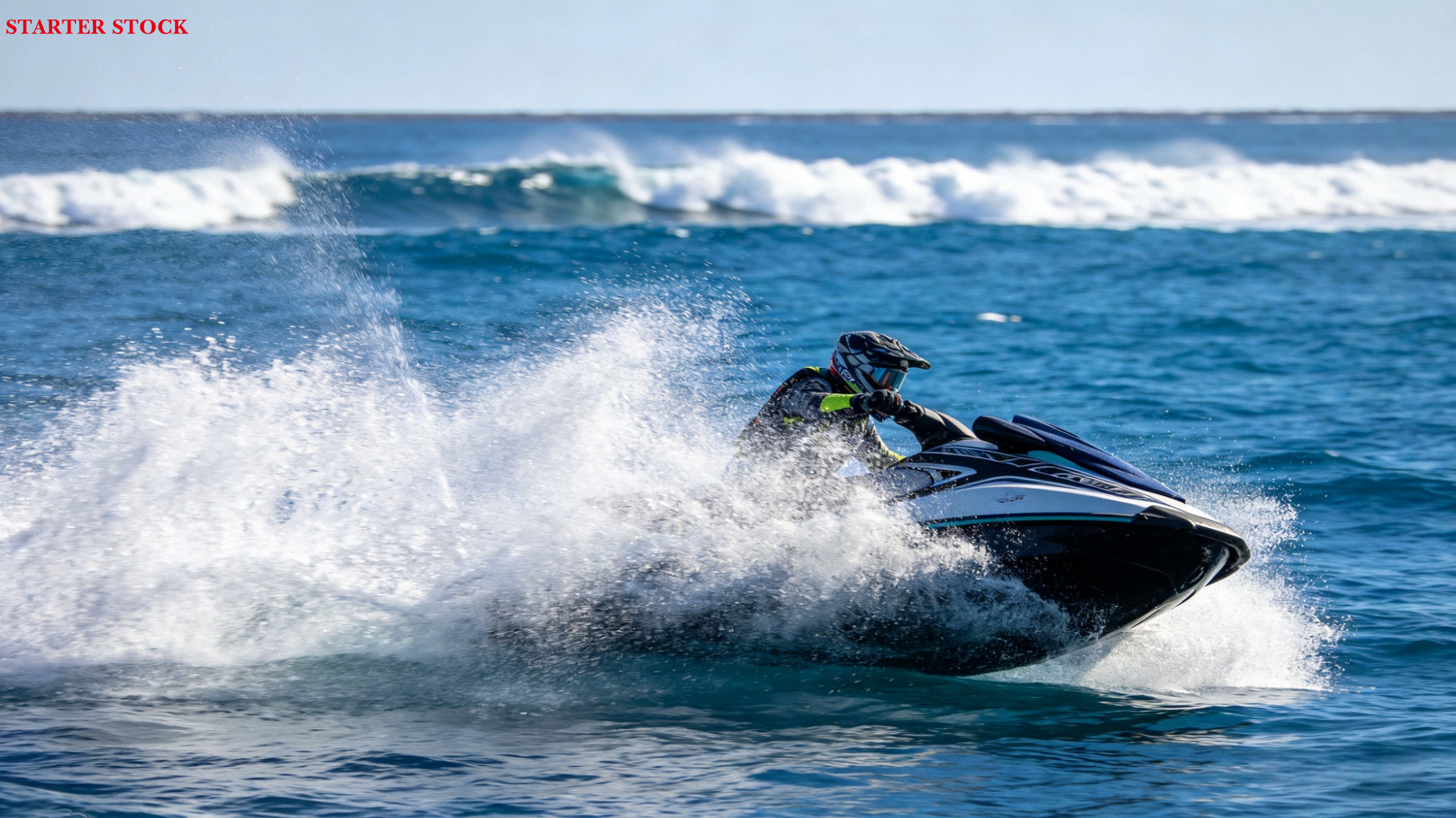
When you think of motorboats, you probably envision this scene in your mind: On the azure water, a figure is driving a small boat at high speed, with waves exploding into a white curtain behind them, the engine roaring loudly, and the thrilling sensation of flying close to the water is even more intense than that of a land motorcycle. This thing is not a novelty that emerged recently; its birth was essentially the result of the "industrial maniacs" in the late 19th century's obsession with "speed on water". Today, let's talk about motorboats in plain language. How did they evolve from clumsy "water testing vehicles" to the current speed weapons? And let's also take a look at what's inside their "body parts".
Origin: From "Putting the Internal Combustion Engine on the Boat" to "Everyone Competing for Speed"
Before the emergence of motorboats, water travel relied on either sailing ships or human-powered boats. To go faster, it was all about wind strength and arm strength. It wasn't until the Second Industrial Revolution that an internal combustion engine was invented, and a group of adventurous Europeans began to ponder: Could this "metal thing" be installed on a boat to make it run by itself?
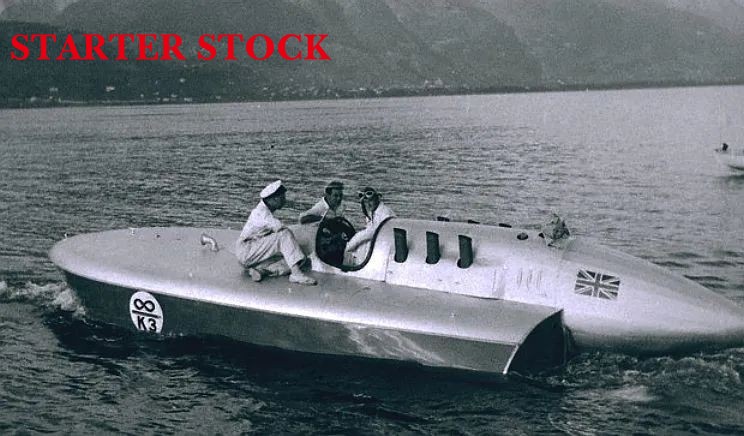
In 1886, Frenchman Gauthier de Imelra was the first to take action. He placed an internal combustion engine inside a small boat. This caused a stir. The originally slow-moving small boat suddenly could accelerate by itself, although the speed was only a little faster than rowing boats and the noise was terrifying. But it was still new and exciting! Wealthy and leisurely nobles and adventurers all followed suit and even began to privately compete to see whose boat could go faster. Thus, motorboat racing was born by accident.
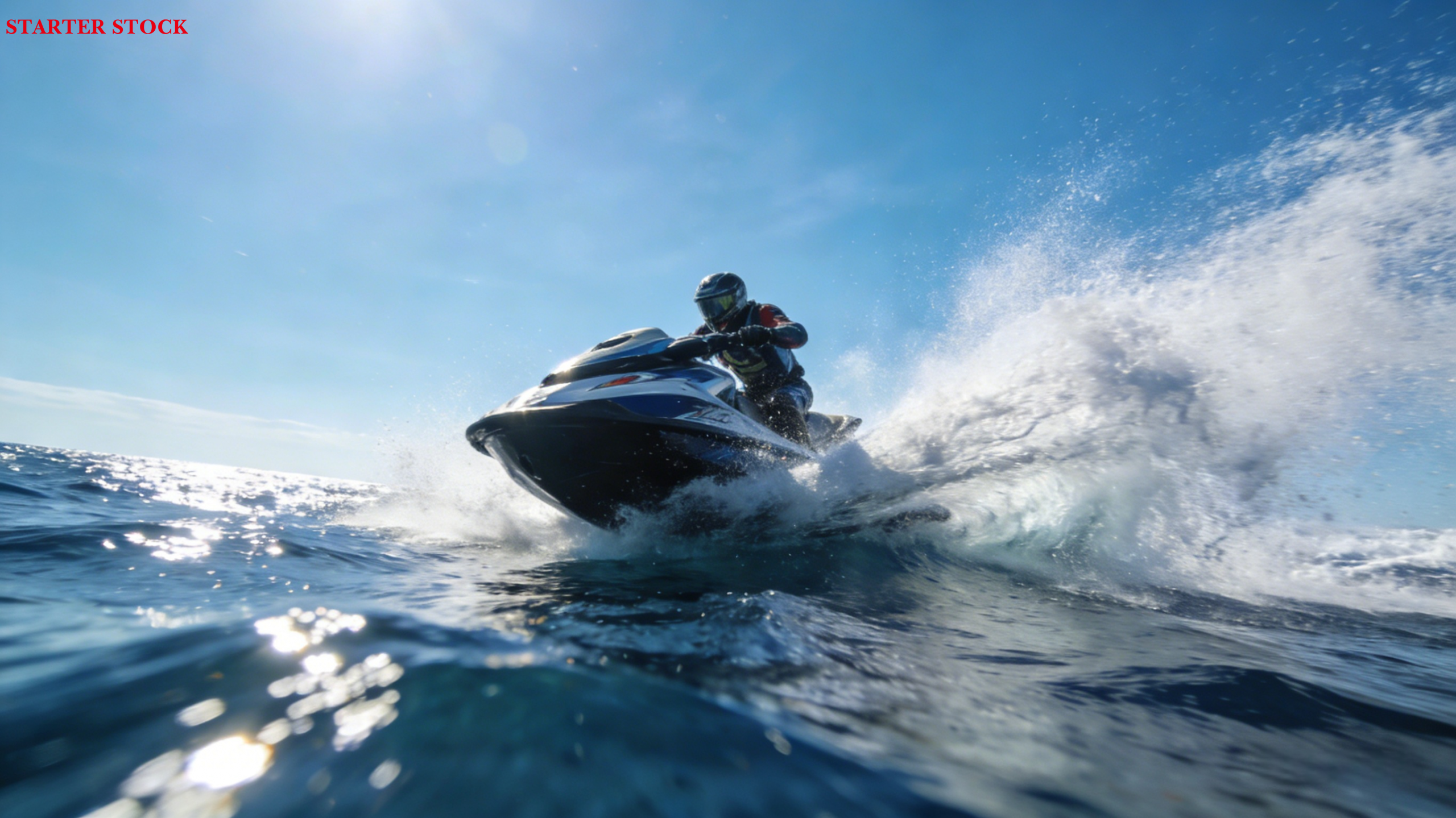
However, early motorboats were not something that ordinary people could afford. At that time, the engines were installed inside the boat body, which was large and heavy. Building one cost a lot of money. The "high-end toys" were only accessible to a few wealthy people. Moreover, there were no rules at that time, and the competitions were all based on boldness. Capsizing and colliding with other boats were common occurrences, making it a kind of "speed competition with life at stake".
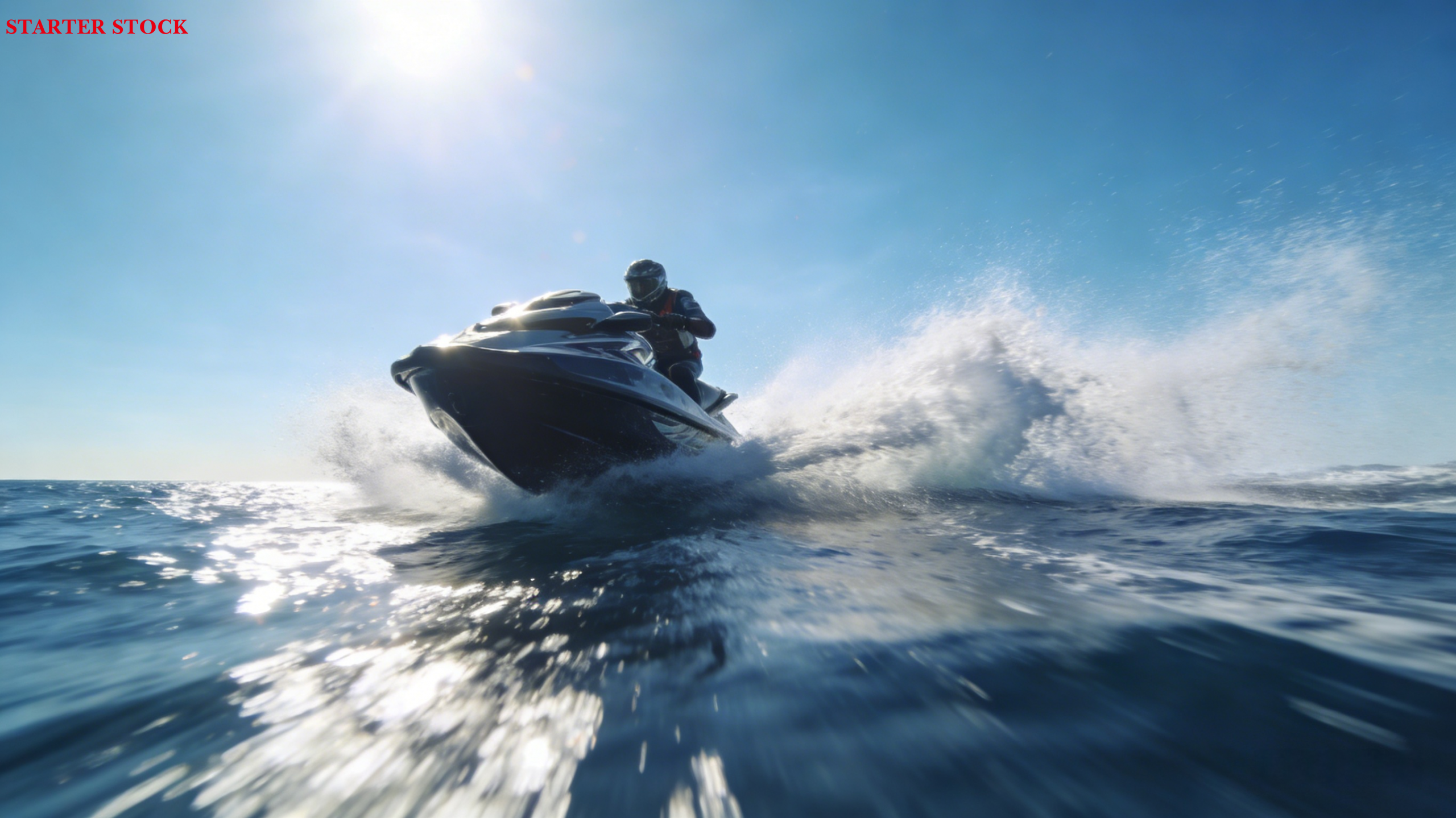
It was not until 1924 that the outboard engine appeared. Simply put, the engine was moved from the boat's belly to the outside of the stern. Not only was the weight reduced and the cost lowered, but maintenance was also more convenient. Ordinary families with a little more financial means could also access it. Just like how cars transformed from luxury items to means of transportation, the outboard engine directly pulled motorboats back to the public's attention from the "elite sport".
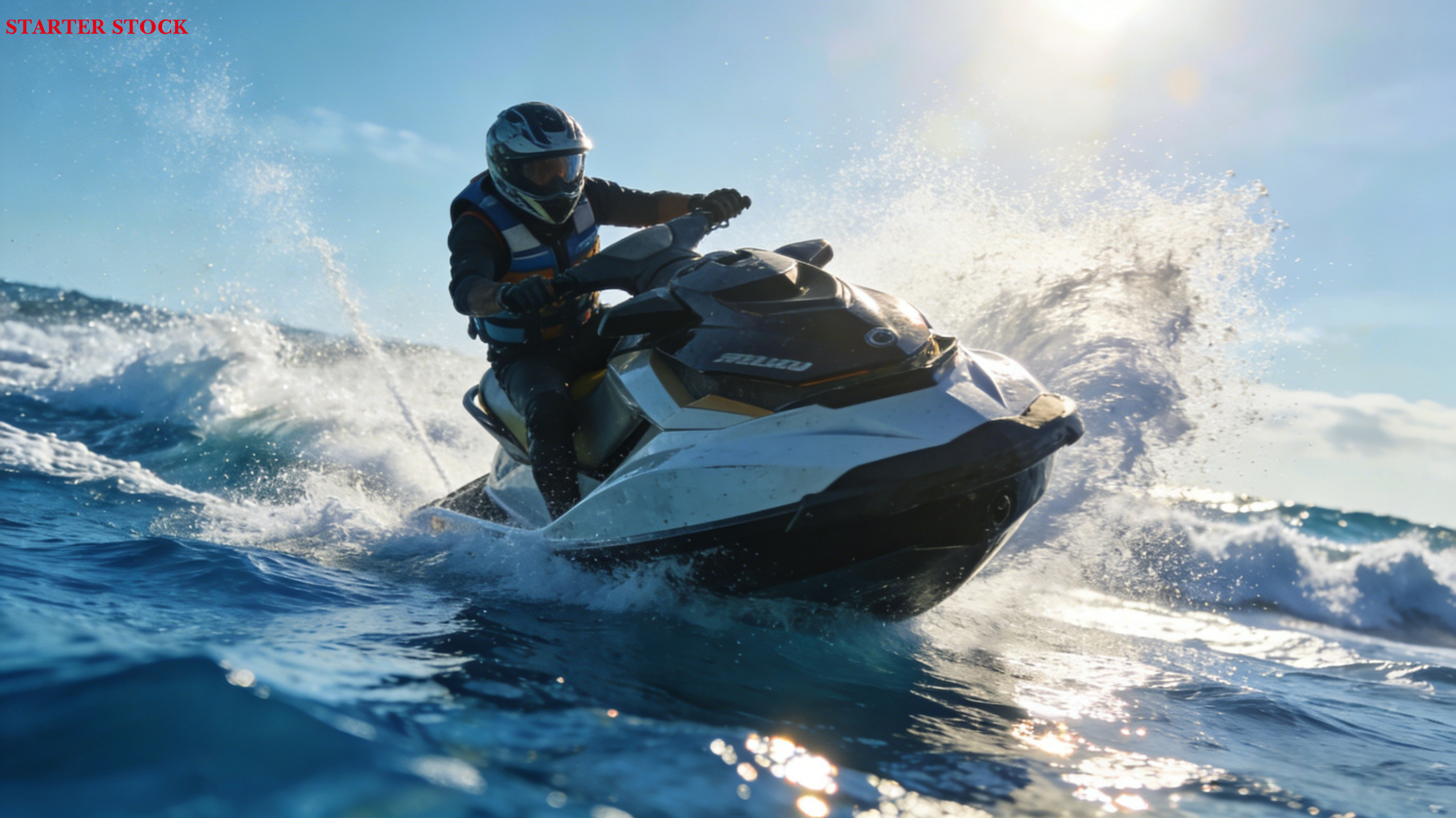
In the following decades, the speed of motorboats soared. In 1903, the British "Jack 1" set a record of 35 kilometers per hour, which is not even as fast as an electric vehicle nowadays; by 1939, the speed had exceeded 228 kilometers per hour, faster than the train at that time; in 1978, Australian Ken Wobbie drove a jet engine boat and reached a speed of 516 kilometers per hour, equivalent to the speed of a ground high-speed train; later, Americans were even more crazy, using a rocket engine to drive, and during the test run, the speed reached 563 kilometers per hour, almost "gliding on the water surface". To regulate this crazy sport, the International Motorboat Union was established in Belgium in 1922, and from then on, the competitions had rules, and motorboats became a global competitive event.