
-
126
-
2026-02-04 14:09:24
Most snowmobiles that won’t start don’t look broken.
The lights may still come on. The battery may test fine. Sometimes the starter even turns once, just enough to make you think the problem fixed itself. Then it happens again, usually at the worst possible time.
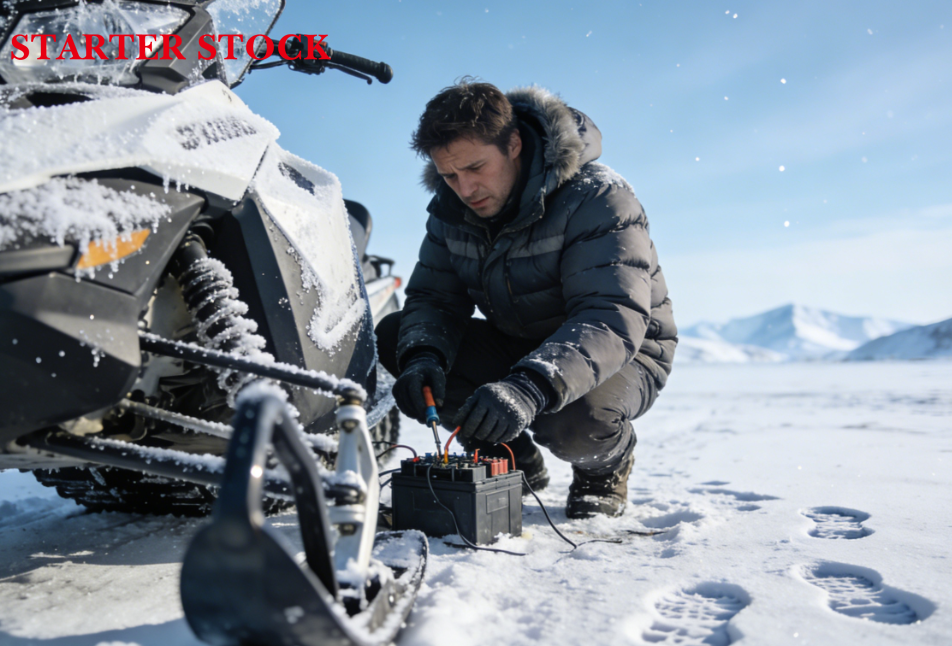
Over the years, a surprising number of these cases end up being caused by one small part most people don’t think about: the relay.
It Rarely Fails in a Clean Way
If a relay failed completely, diagnosing it would be easy. But that’s not how it usually happens.
What we see more often is inconsistency. The machine starts fine in the morning. After a short stop, nothing happens. You wait a few minutes, try again, and suddenly it works. That kind of behavior makes people question everything except the relay.

Battery gets blamed first. Then the starter motor. Then sometimes the ignition switch. By the time the relay is checked, half the starting system has already been inspected or replaced.
Clicking Doesn’t Mean Much
One of the most misleading things about relays is the clicking sound.
People hear the click and assume the relay is doing its job. In reality, that click only means the internal coil is moving. It doesn’t tell you whether the contacts inside are still able to carry current properly.
Worn contacts can still move, still click, and still fail under load. This is why a snowmobile can pass a basic check and still refuse to crank when it’s cold or after a long ride.
Cold Exposes Weak Relays Fast
Cold weather is unforgiving to electrical parts, and relays are no exception.
A relay that works fine in mild conditions may struggle once temperatures drop. Internal resistance increases, contact surfaces stiffen, and any moisture inside the housing becomes a bigger problem.
That’s why many relay-related starting problems show up early in the season. The machine ran fine last year, gets parked, then suddenly won’t start when winter comes back around.
The Problem Comes and Goes
Intermittent starting problems cause the most frustration.
One day the snowmobile won’t crank at all. The next day it starts without hesitation. This makes it hard to convince anyone that there’s a real issue, especially if the machine behaves normally when it finally reaches a workshop.
From experience, this is where relay problems waste the most time. The failure isn’t obvious enough to catch quickly, but it’s serious enough to keep coming back.
Why Starters Get Replaced First
Slow or inconsistent cranking almost always points people toward the starter motor.
And to be fair, sometimes that’s the right call. But in many cases, the starter is fine. It’s just not getting steady power. A failing relay can drop voltage just enough to make the starter look weak.
Replacing a starter is expensive compared to replacing a relay, yet it happens often simply because the relay doesn’t look suspicious.
Wiring Makes Things Worse
Relays don’t live alone. They depend on wiring, connectors, and mounting points, all of which suffer in snowmobile use.
Vibration loosens terminals. Ice pulls on harnesses. Moisture works its way into places it shouldn’t. A relay might still be functional, but poor connections turn it into a problem.
This is why swapping a relay without checking the surrounding wiring sometimes doesn’t solve anything. The weak link may not be the relay itself.
Replacement Isn’t Always Straightforward
Not all replacement relays behave the same, even if they look identical.
Some work fine at first but struggle once temperatures drop. Others last a season and then start showing the same symptoms again. This usually comes down to contact quality and sealing, not basic specifications.
People who deal with snowmobiles regularly tend to remember which relays cause fewer headaches. That kind of knowledge usually comes from trial, not manuals.
What Experience Teaches You
After dealing with enough starting issues, relays move higher on the checklist.
They’re no longer an afterthought. They’re something you consider early, especially when symptoms don’t stay consistent. This mindset saves time, especially for anyone managing more than one machine.
Fleet operators and rental businesses learn this lesson quickly. Downtime costs more than parts.
Why This Matters for Parts Buyers
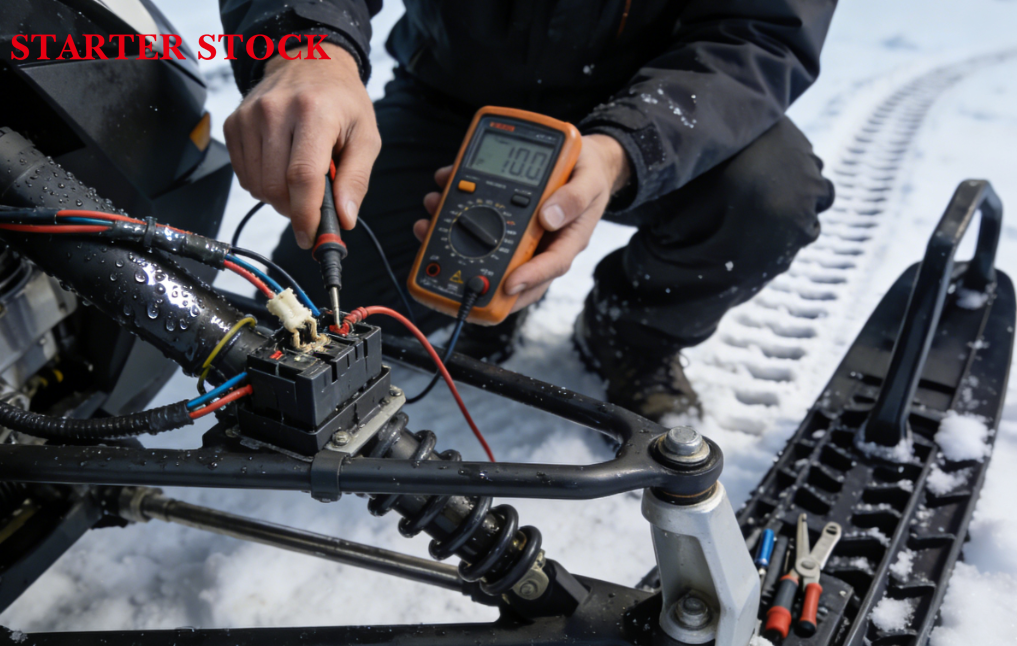
From a parts supply point of view, relay-related questions are common because people want certainty. They don’t want to replace another component unless they’re confident it’s the right one.
Clear information, consistent quality, and honest expectations matter more here than marketing claims. A relay that works every time is worth more than one that works most of the time.
Closing Note
Snowmobile starting problems caused by relay failure aren’t dramatic. They’re frustrating, inconsistent, and easy to misread.
But once you’ve seen enough of them, the pattern becomes familiar. When a machine “almost” starts, works sometimes, and refuses to behave when it’s cold, the relay deserves a closer look.