
-
55
-
2026-02-25 16:38:02
Table of Contents
The "High-Noon" Failure: An Introduction
Sign #1: The "Copper-Robbing" Resistance Trap
Sign #2: Solenoid Plunger "Stiction" (The Plastic Problem)
Sign #3: Magnet Strength Decay (The Cheap Ferrite Factor)
Sign #4: Sub-par Brush Composition & Spring Tension
Sign #5: The Lack of "Real-World" Thermal Cycle Testing
Why Your Current Supplier Isn't Telling You the Truth
StarterStock: Engineering Reliability into Every Degree
Vetted Small-Batch Excellence
Radical Component Transparency
Conclusion: Don't Let Your Reputation Melt Away
1. The "High-Noon" Failure: An Introduction
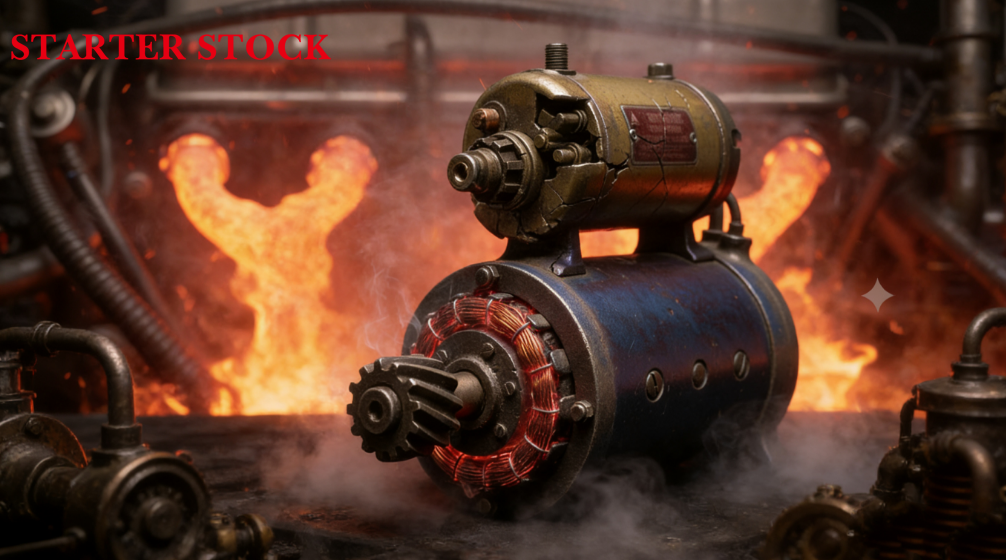
There is a specific kind of silence that haunts every fleet manager and equipment designer. It’s the silence that happens when a machine has been running for four hours, stops for a quick fuel break, and then refuses to crank back up. Cold, the motor works fine. Hot, it’s a brick.
This is Heat Stress, and it’s the ultimate filter for "white-box" junk. Most cheap starters are built to pass a 70°F bench test in a clean factory. But the real world is 120°F in the sun, inside an engine bay that’s pushing 200°F.
At StarterStock, we’ve torn down enough burnt-out armatures to know exactly where the corners are cut. If your supply chain is built on "lowest bid" components, you aren't just buying parts—you’re buying a ticking thermal bomb.
2. Sign #1: The "Copper-Robbing" Resistance Trap
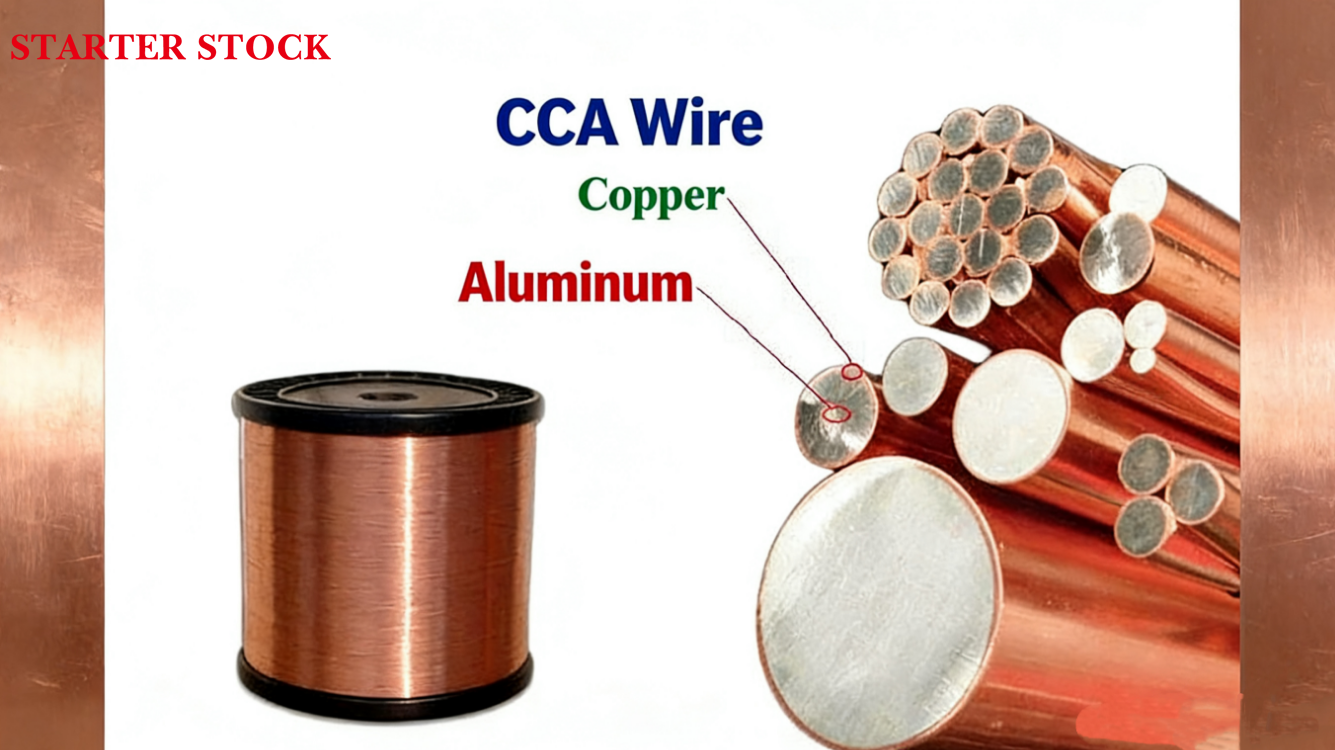
Copper is expensive, and it’s the first place low-end factories try to save a buck. They use thinner wire or "copper-clad aluminum" (CCA) instead of pure, high-gauge copper windings.
The Heat Physics: Physics doesn't care about your profit margins. As temperature rises, electrical resistance increases. If a starter is already "copper-poor," the heat pushes that resistance over the edge. The motor can't pull enough current to overcome the engine’s compression, and you get that pathetic, slow whirr-whirr sound. If you don't see thick, high-purity copper in the specs, your motor is a winter-only part.
3. Sign #2: Solenoid Plunger "Stiction" (The Plastic Problem)
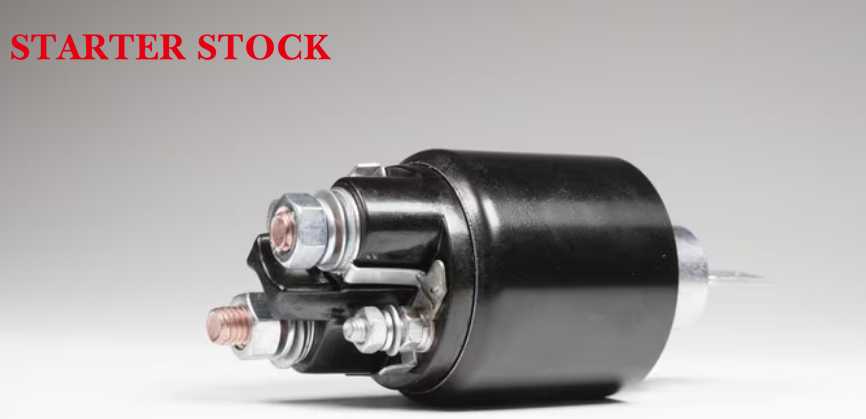
The solenoid is a mechanical shove. Inside, a plunger moves forward to engage the gear. In high-quality units, this environment is built with precision-machined metal and high-temp lubricants.
In budget starters, they use cheap plastic internal guides. When that engine bay heats up, those plastics expand at a different rate than the metal housing. The result? "Stiction." The plunger gets physically stuck. You hear a click, but nothing moves. At StarterStock, we vet our suppliers on their internal material choices because we know a melted plastic guide is a brand-killer.
4. Sign #3: Magnet Strength Decay (The Cheap Ferrite Factor)
A starter motor is only as strong as its magnetic field. Cheap factories use low-grade ferrite magnets that are "just enough" to pass a cold test. However, magnets have a Curie temperature—a point where they start losing their "pull."
Poorly sourced magnets lose a massive percentage of their torque as the mercury rises. If your supplier can't provide the magnetic grade (like high-temp N42SH or better in some applications), they are selling you a motor that will lose its "punch" exactly when your customer needs it most.
5. Sign #4: Sub-par Brush Composition & Spring Tension
The brushes are the "shoes" of the motor, delivering power to the spinning armature. Under heat, cheap brushes soften and wear down like an eraser. Even worse, the tiny springs holding them in place lose their "tension" when they get hot.
If the springs go soft, the brushes bounce. Bouncing creates sparks (arcing), and arcing creates even more heat. It’s a death spiral. We look for heavy-duty, high-copper-content brushes and heat-tempered springs in every unit we list.
6. Sign #5: The Lack of "Real-World" Thermal Cycle Testing
Ask your current supplier for their Thermal Cycle Test Report. If they give you a blank stare, you’re in trouble.
A "mature" supplier doesn't just test if a motor spins; they test it in a heat chamber, cranking it every 15 minutes for 24 hours at 180°F. This is where the welds on the commutator fail and the insulation on the windings cracks. If the factory isn't breaking their own motors in the lab, they’ll break on your customers in the field.
7. Why Your Current Supplier Isn't Telling You the Truth
Most middlemen don't actually know what's inside the motor casing. They are "catalog flippers." They buy a container based on price and a shiny photo. They won't tell you about the copper-robbing or the plastic plungers because they literally don't know they are there.
8. StarterStock: Engineering Reliability into Every Degree
We built StarterStock because we were tired of the "Heat Stress Gamble." We decided that transparency was the only way to fix a broken global supply chain.
Vetted Small-Batch Excellence
You don't need to be a Tier-1 auto giant to get high-spec motors. We connect innovators and small-to-midsize manufacturers with elite factories that usually only talk to the big boys. Whether you need 20 units or 500, we ensure they meet the thermal specs required for real-world abuse.
Radical Component Transparency
We pull the curtain back. We provide the technical teardowns, the material certifications, and the factory audit reports. You’ll know the magnet grade, the copper purity, and the solenoid materials before you place the order. We’re not just a supplier; we’re your outsourced quality control team.
9. Conclusion: Don't Let Your Reputation Melt Away
In the hardware world, you are only as good as your last "Start." A customer might forgive a scratch in the paint, but they will never forgive a machine that leaves them stranded in the sun.
Heat stress is inevitable—failure is not. It’s a choice you make during the procurement phase.
Ready to see what real thermal reliability looks like? Join the StarterStock community today. Let’s look at your current specs and find a verified, high-temp solution that keeps your project moving, no matter how hot it gets.
Is your fleet or prototype struggling with "Hot-Start" issues? Don't just keep swapping parts. Ask me for a teardown analysis or a custom quote from our verified high-thermal supplier list.