
-
71
-
2026-02-28 14:22:14
Must aerial photography drones be exclusively multi-rotor? Parrot steps forward to challenge this notion, presenting you with the fixed-wing Parrot Disco...
Yes, that's right—the very same Disco that dances.
Why fly a drone when you could dance? Why pilot a craft when you could take to the floor?
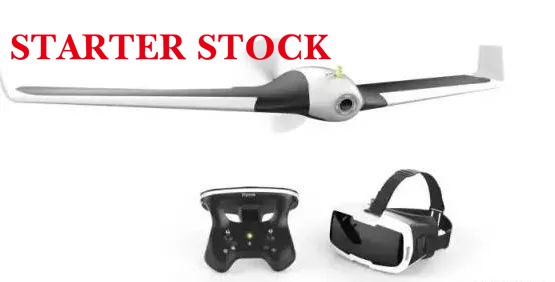
Parrot Disco
Whilst the manufacturer claims it can be hand-launched, it remains a fixed-wing aircraft incapable of hovering.
In urban environments, this inability to hover essentially guarantees a crash landing...
Not to mention landing – where on earth would one find a sufficiently spacious and soft grassy area...
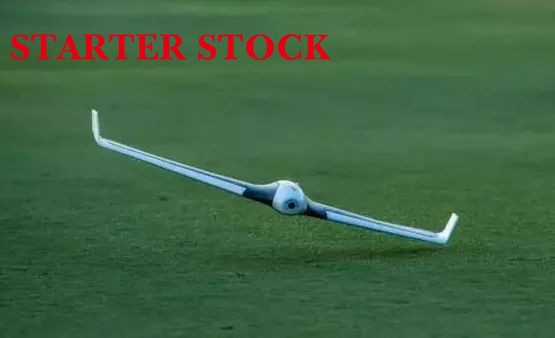
The FPV VR mode is rather good, though, as the fixed-wing perspective truly makes you feel like you're soaring through the skies like a bird.
Still, being limited to 1080p video is a bit of a let-down.
With cities being so packed and no mansions with lawns to speak of, us beginners would be wise to stick to quadcopters...
Quadcopters are straightforward—just follow the experienced pilots and learn the basics gradually.
To chat with seasoned pilots, you must learn some drone terminology!
Today, let's explore some ‘practical and interesting drone terms’~
Multirotor: A rotorcraft with two or more rotor axes, commonly seen in quadcopters, hexacopters, octocopters, etc.
Pitch: Controlled by the right joystick on American-style controllers, moving the stick up or down controls forward/backward flight.
As the aircraft in the diagram is fixed-wing, pitch adjustments alter altitude. Multi-rotor aircraft maintain altitude during pitch manoeuvres, only moving forwards or backwards.
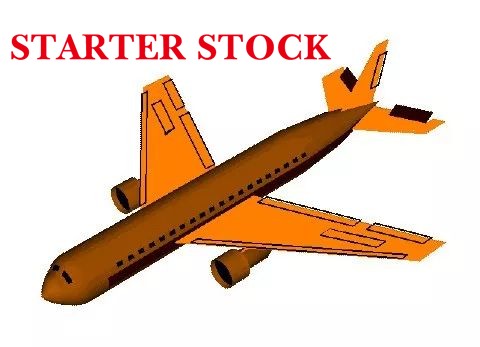
Roll: Controlled by the right joystick on the American controller, moving the stick left/right directs the aircraft to fly left/right.
As the aircraft depicted is fixed-wing, rolling will also cause it to move forwards or backwards. Multirotor aircraft, however, do not move forwards or backwards when rolling; they only move left or right.
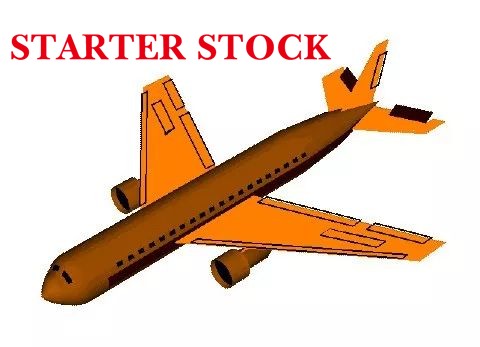
Yaw: Controlled by the left joystick on the American-style controller, moving the stick causes the aircraft to rotate left/right.
As the aircraft depicted is fixed-wing, it will change position during yaw manoeuvres. Multirotor aircraft, however, do not shift position during yaw; they rotate in place.
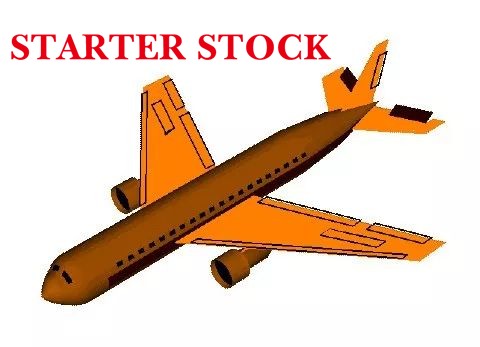
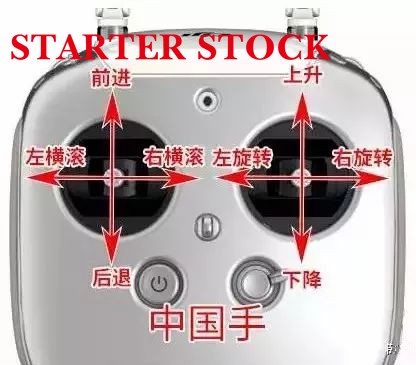
Due to differing operational preferences, controller joystick layouts comprise three variants: Chinese-style (reversed American-style), American-style (most commonly used for multirotors), and Japanese-style.
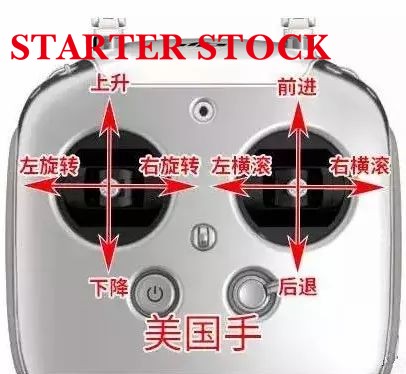
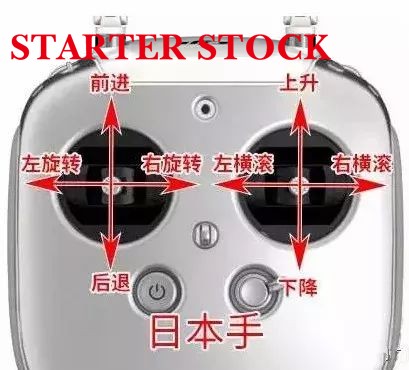
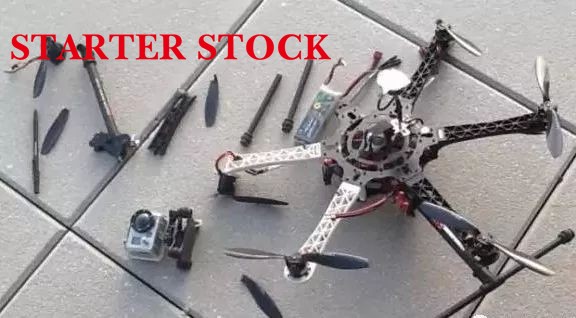
Crash: An incident where the aircraft collides with an obstacle or crashes during flight, take-off, or landing, due to operational error or mechanical failure.
Smooth Flight: Generally refers to a flight period without any incidents, proceeding very smoothly.
One-Button Release: Typically refers to the drone being lost during a one-button return-to-home manoeuvre. Causes may include collision with an obstacle, compass interference, or loss of GPS signal.
Carrying the controller home: Describes the situation where the drone is lost and cannot be located, leaving the operator no choice but to return home carrying the remote control.
Redundancy: The addition of backup systems to essential components to enhance reliability. Examples include using dual IMUs, where one can take over if the other fails, or six-axis systems with motor redundancy, allowing flight to continue even if a single motor loses power.
Channel: The pathway through which signals travel within a communication system. Should multiple aircraft within the same area utilise the same channel, video transmission systems may experience mutual interference.
Over-discharge: Continued discharge beyond the battery's cut-off voltage, resulting in irreversible internal damage.
Propeller ejection: The phenomenon where a propeller detaches and flies off during motor rotation.
Jello effect: In aerial photography, the ‘jello effect’ refers to noticeable shaking in photos or videos caused by excessive vibration or unsuitable damping balls. This phenomenon resembles jiggling jelly when touched, hence the term.
Star Loss: When the aircraft's GPS module fails to acquire sufficient satellite signals, it may struggle to maintain precise hovering and drift off course.
Voltage Differential: A drone's lithium battery comprises multiple cells connected in series and parallel configurations. Typically, cell voltages are closely matched. The voltage differential represents the difference between the highest and lowest cell voltages. Excessive voltage differential indicates the battery should no longer be used.
What other terminology do you find unclear? Or what terms do you think should be added?