
-
97
-
2026-03-04 17:07:09
Table of Contents
The Bilge: A Starter Motor's Personal Hell
Why "Automotive" Starters are a Death Wish on a Boat
Rust: The Silent Saboteur of the Seven Seas
The Salt-Air Intake Problem
The "Sitting Water" Trap
How Ignition Protection Actually Works (It’s Not Just a Fancy Seal)
The Explosion Myth: Why Your Bilge is a Fuel Bomb
StarterStock: Why We’re Obsessed with Marine-Grade Survival
Beyond the Paint Job: Internal Coatings
SAE J1171 Compliance or Bust
Conclusion: Don't Let a $100 Part Sink Your Summer
1. The Bilge: A Starter Motor's Personal Hell
If you wanted to design a torture chamber for electrical components, you’d build a boat bilge. It’s damp, it’s salty, it’s hot, and it’s usually soaked in a cocktail of spilled oil and old gasoline vapors.
Most boat owners treat their starter motor like a "set it and forget it" part. Then, the first sunny Saturday of the season arrives, they turn the key, and... nothing. Just the sound of $200-an-hour mechanic labor heading their way. At StarterStock, we’ve seen too many "car starters" slapped onto boat engines by people trying to save fifty bucks—and we’re here to tell you why that’s a recipe for disaster.
2. Why "Automotive" Starters are a Death Wish on a Boat
Let’s get one thing straight: A starter motor for a Ford F-150 and a starter for a MerCruiser might look identical. They might even bolt up the same. But using a car starter in a boat engine room is like wearing a tuxedo to a deep-sea dive.
Automotive starters are "open" to the air because cars have moving airflow to dry things out. Boats? They have stagnant, humid air that turns metal into orange flakes in weeks. But more importantly, car starters spark. In a car, those sparks fly into the open road. In a boat’s enclosed bilge, those sparks hit gas fumes and turn your Sunday cruise into a Coast Guard rescue mission.
3. Rust: The Silent Saboteur of the Seven Seas
The Salt-Air Intake Problem
You don't even have to dunk your starter in the ocean for it to rust. Salt air is corrosive enough to eat through cheap steel casings like acid. Once the rust pits the housing, it migrates to the internal magnets. When those magnets swell from corrosion, they grab the armature, and your motor is officially seized.
The "Sitting Water" Trap
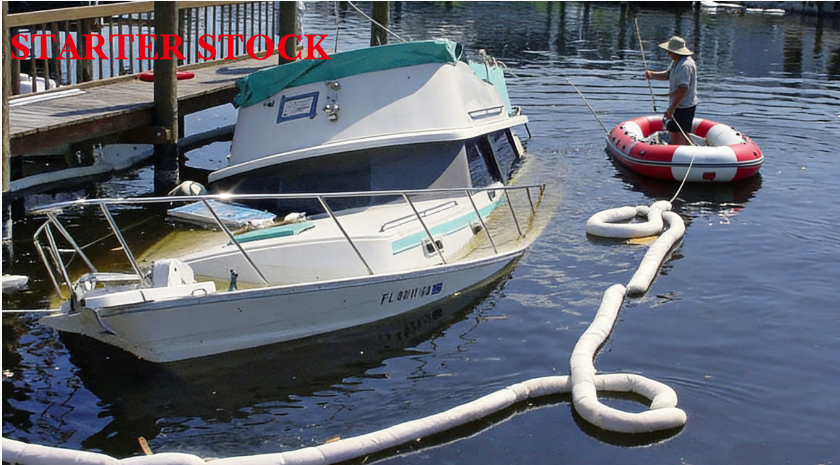
Because starters are mounted low on the engine (to hit the flywheel), they are the first things to get "baptized" when your bilge pump fails or you take a heavy wave. A standard starter has zero defense against a two-inch puddle of brackish water.
4. How Ignition Protection Actually Works
This is the technical bit that most "discount" sellers skip. Ignition Protection (usually certified as SAE J1171) doesn't mean the starter is "waterproof." It means it is explosion-proof.
A marine-grade starter has specialized fine-mesh screens and sealed end-caps. These are designed to contain any internal sparks caused by the brushes. If a gas fume gets inside the starter and ignites, these screens act as a "flame arrestor," cooling the flame so it doesn't escape and ignite the rest of the engine room. If your starter doesn't have that "J1171" stamp, you’re basically sitting on a localized lightning bolt.
5. The Explosion Myth: Why Your Bilge is a Fuel Bomb
Gasoline vapors are heavier than air. They don't float away; they sink into the bottom of the boat—right where the starter lives. It only takes a tiny concentration of fumes to create a catastrophic blast.
This is why "Marine-Grade" isn't just a marketing term to charge you more. It’s a safety requirement. At StarterStock, we’ve seen the aftermath of "cheap" sourcing in the marine world, and it isn't pretty.
6. StarterStock: Why We’re Obsessed with Marine-Grade Survival
We don't just "source" boat parts; we vet the factories that understand the high-stakes of the maritime world.
Beyond the Paint Job: Internal Coatings
A real marine starter isn't just painted black on the outside. We prioritize suppliers who use epoxy-coated windings and anti-corrosive plating on the internal solenoid components. This keeps the guts of the motor dry and functional even when the air feels like a wet sponge.
SAE J1171 Compliance or Bust
We don't play games with safety. Every marine unit in our network is verified for ignition protection. Whether you’re a fleet manager for a rental boat company or a custom yacht builder, we ensure the hardware you get won't be the reason for a "Mayday" call.
7. Conclusion: Don't Let a $100 Part Sink Your Summer
Rust is inevitable in the ocean, but a failed starter doesn't have to be. By choosing a motor designed for the salt, you aren't just buying reliability—you’re buying peace of mind.
Next time you’re staring at a rusted-out hunk of metal in your bilge, don't replace it with the cheapest thing you find on a big-box website. Get a part that’s built for the "Personal Hell" of a boat engine room.
Tired of scrubbing rust off your solenoid every season? Or worried your current supply chain is cutting corners on safety? Join the StarterStock community. Let’s get you a quote on verified, marine-grade hardware that actually survives the salt.