
-
62
-
2026-03-25 16:52:23
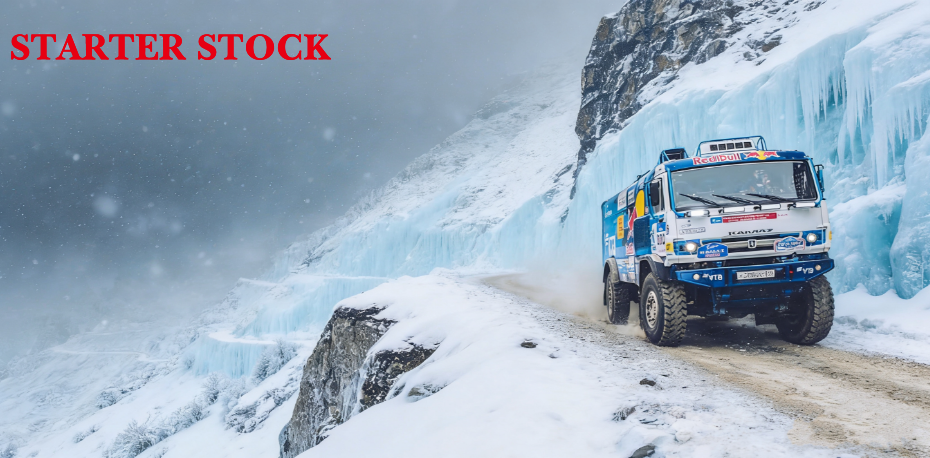
When a 40-ton rig sits idle in a Siberian winter or a high-altitude Andean mine, the cost of a failed starter motor isn't just the price of the part—it’s the collapse of a delivery schedule. In the heavy-duty sector, reliability is the only currency that matters.
For procurement managers and importers targeting the Russian and South American markets, generic specifications are a recipe for failure. These regions demand "Hardened Electrics" built for environmental extremes.
1. The Russian Market: Defeating the "Deep Freeze"
In Russia, the primary enemy is thermodynamics. When temperatures drop to -40°C, standard components fail due to material brittleness and fluid viscosity.
Low-Temperature Lubrication Requirements
Standard industrial grease solidifies at -25°C. For the Russian Far East, starters must utilize Aeroshell or high-grade synthetic lubricants that maintain a low pour point. If the internal planetary gears seize due to frozen grease, the motor will draw excessive current and burn out the armature.
Solenoid "Break-Away" Force
Cold-start friction is significantly higher in heavy-duty engines like KAMAZ or YaMZ. A high-quality starter for this region requires a reinforced solenoid with increased winding density. This provides the necessary magnetic "shove" to engage the drive gear even when the flywheel is coated in frost.
2. South America: Heat, Humidity, and High-Vibration
South American logistics—from the Amazon basin to the Chilean mines—face the triple threat of heat, humidity, and unrelenting vibration.
Class H Insulation for Heat Soak
Heavy-duty trucks often operate for 12+ hours under heavy load. Once the engine stops, "Heat Soak" occurs. The starter absorbs radiant heat, reaching temperatures that can melt standard resin.
• Standard: Class B (130°C)
• Heavy-Duty Requirement: Class H (180°C)
Using Class H insulation on the armature and field coils prevents internal short circuits during peak summer operations in Brazil or Colombia.
Environmental Sealing (IP54+)
Dust and brackish water are silent killers. Sourcing for this market requires starters with:
• Rubber terminal boots to prevent arcing.
• Viton O-ring seals on all housing seams.
• Drainage ports that allow condensation to escape without letting dust in.
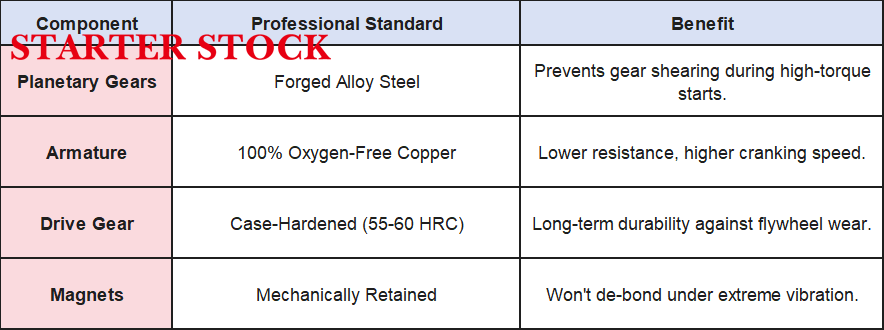
3. The Technical DNA of a Professional 24V Starter
4. Why 24V Systems Fail in Developing Markets
In many heavy-duty applications, battery maintenance is inconsistent. A 24V starter must be "forgiving." The relationship between Cranking Current (I) and Resistance (R) is defined by Ohm's Law (V = IR).
In a 24V system, even a minor increase in resistance due to poor quality materials can lead to massive heat buildup: P = I² * R
5. Summary: Buying for the Environment, Not the Price
For fleet operators in Russia and South America, the true cost of a component is its Total Cost of Ownership (TCO):
TCO = Purchase Price + Cost of Down-time + Replacement Labor