
-
50
-
2026-03-26 17:26:43
Preventing Saltwater Corrosion: Essential Maintenance for Yacht Voltage Regulators and Batteries
Friends who enjoy sailing know that the sea water may look beautiful and blue. It is actually a hidden killer. The salt content in sea water is like tiny corrosion spirits specifically targeting the metal components and electrical equipment on the yacht. Especially the. The battery, which are the voltage manager and the power heart of the yacht respectively.
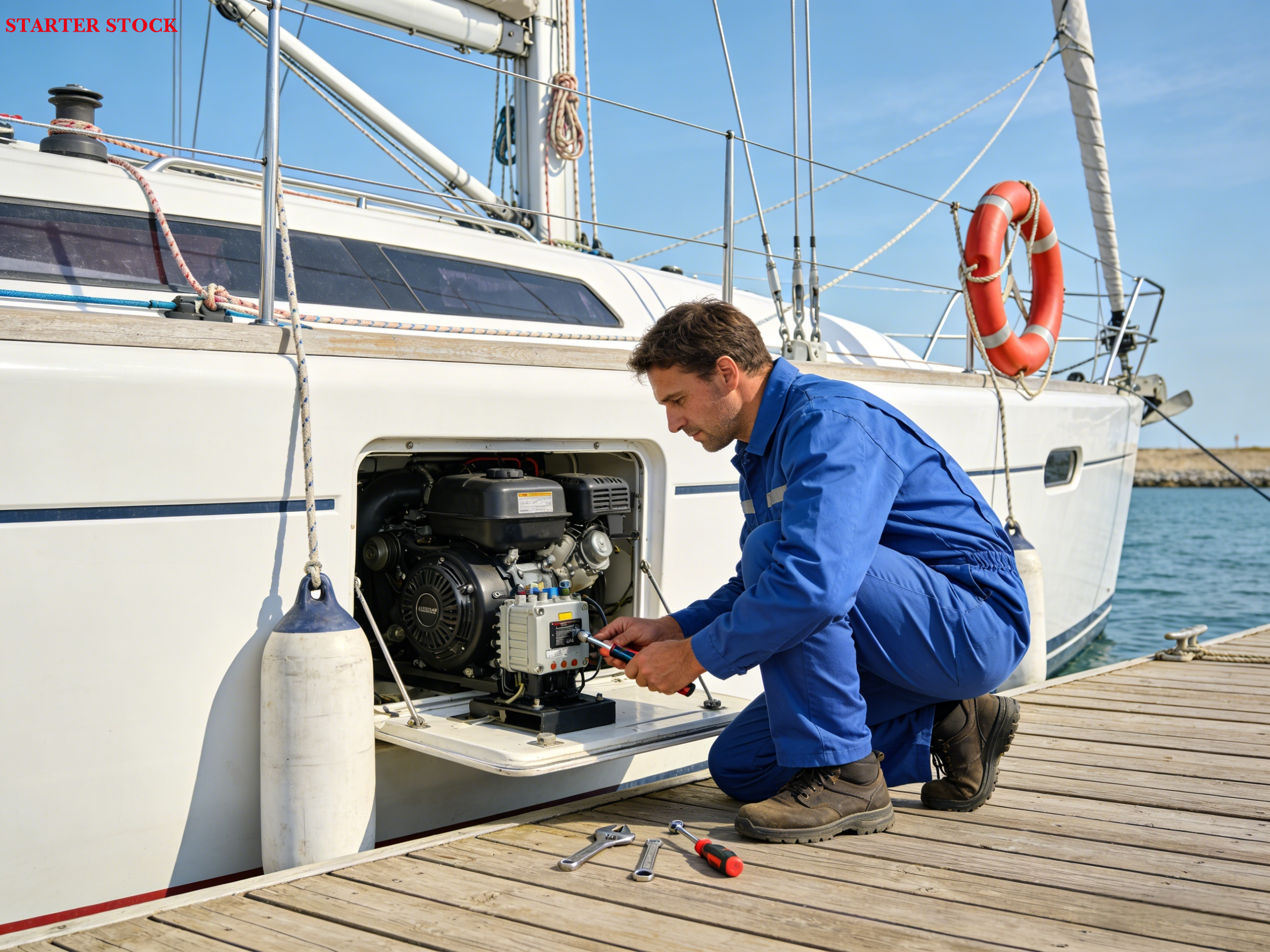
Once corroded by the sea water they may cause equipment breakdowns or even sudden engine failure spoiling the pleasure of going out to sea and requiring a lot of unnecessary expenses for repairs. Today I will talk to you about some methods for preventing corrosion of these two precious items. You do not need to understand professional terms. By following these steps you can make the stabilizer and the battery suffer less and work more.
Even beginners can easily master them. Here is a reminder: Corrosion caused by sea water is not a one-time damage. A gradual process. The key to maintenance is one thing. Isolate from seawater, clean in time and conduct inspections. It sounds simple. It is not difficult to do. The key is to persist.
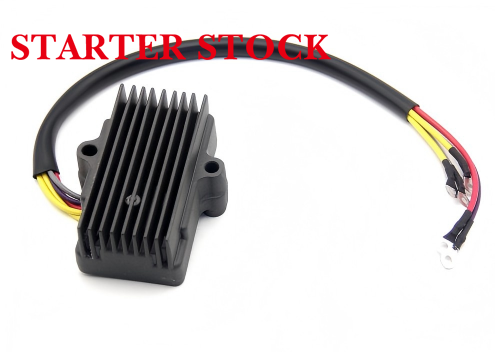
Lets start with the stabilizer of the yacht: The voltage manager is afraid of moisture and salt. The key to maintenance is penetration, clean frequently. The stabilizer acts as a buffer adjusting the voltage to a stable one to supply power to navigation devices, audio systems and lighting, etc. If it breaks down these devices may. Be burned by high voltage or fail to start due to low voltage making the trip to sea completely useless.
What does the stabilizer fear the most? It is seawater and salt fog. The key to maintaining the stabilizer is to prevent seawater and salt fog from getting close. The first mandatory measure is: After each voyage always perform rinse and dry. Do not be lazy. Many people think that just rinsing the hull after the voyage is enough and the stabilizer is in the engine room so it does not need to be taken care of. This is completely wrong.
The salt fog in the sea breeze will drift into the engine room. Adhere to the surface of the stabilizer. Even if it does not directly come into contact with seawater the salt particles will gradually. Corrode the shell and interfaces. The correct approach is to rinse the surface of the stabilizer with water each time you dock and pay attention to using a soft-bristled brush to gently scrub, not using a high-pressure water gun to rinse as the impact force of the high-pressure water gun will damage the sealing glue on the stabilizer making seawater more likely to enter.
After rinsing be sure to dry it with a cloth, especially the interfaces and gaps leaving no water stains as the salt in the water stains will still corrode the equipment after drying. Before rinsing turn off the power supply of the yacht to avoid electric shock hazards.
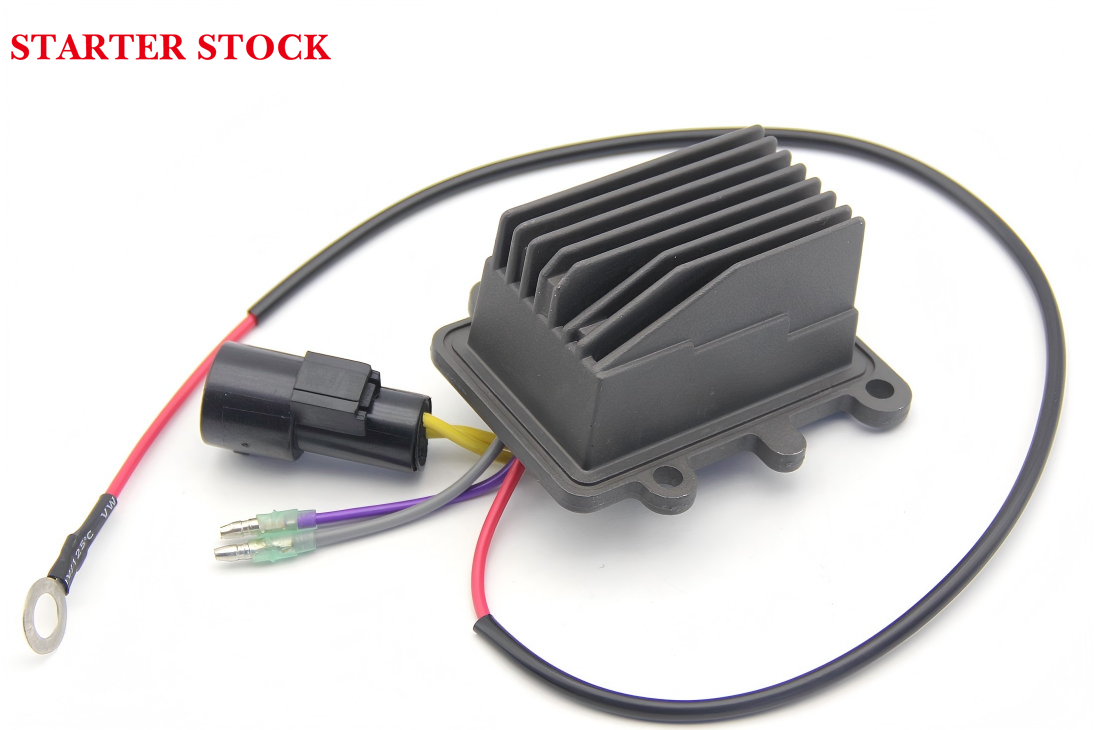
The second mandatory measure is: Put on a suit for the stabilizer ensuring no leakage. The shell and interfaces of the stabilizer usually have sealing rubber rings. Over time these rubber rings will age and crack, just like our sealing rings. Once they break they can no longer prevent seawater from entering. You can also apply a layer of anti-corrosion spray on the surface of the stabilizer, which can form a protective film like wearing a raincoat for the stabilizer effectively isolating salt fog and seawater.
Do not install the stabilizer near the deck edge or in corners as damp environments will accelerate corrosion. The third mandatory measure is: Conduct inspections of the wiring and contacts and repair any problems promptly. The wiring and metal contacts inside the stabilizer are the vulnerable to corrosion. Once corroded they will cause contact and unstable voltage.
If there are rust marks on the wiring gently sand them clean with sandpaper. Apply a layer of conductive paste. Also check the connection points of the stabilizer to see if the terminals are loose or rusty. If so sand them clean. Apply conductive paste to ensure a secure connection.
The fourth mandatory measure is: When the yacht is not in use for a time starve and prevent moisture the stabilizer. Several packs of dehumidifiers can be placed in the cabin to keep it dry and prevent the stabilizer from being corroded by the humid environment. Also every month give the stabilizer a charge for 10-15 minutes to stretch out its muscles, which can prevent the internal parts from aging and ensure its normal operation next time you go to sea.
Lets talk about the yacht batteries: The power heart is afraid of salt, moisture and low voltage. The key to maintenance is prevent pollution, frequent inspection and maintain power. If the stabilizer is the voltage manager then the battery is the power heart of the yacht. Navigation, lighting, audio and even engine start-up all depend on it.
The first mandatory measure is: Every time after going to sea wipe the battery terminals to prevent the accumulation of salt frost. After each landing no matter how tired you are you must clean the battery terminals. If the salt frost is thick use a toothbrush dipped in a little baking soda water to gently brush the terminals then rinse them with fresh water and dry them with a dry cloth.
Apply a layer of Vaseline or a dedicated terminal protector on the terminals like applying a layer of hand cream to the terminals, which can effectively isolate salt fog and moisture and prevent further corrosion. Note that never use metal tools to scrape the salt frost as it is easy to damage the terminals and cause contact.
The second mandatory measure is: Find a place for the battery and keep it away from seawater and moisture. A rubber pad can be placed inside the battery box to prevent the battery from shaking and also provide insulation and moisture-proofing. Avoid sunlight on the battery as the intense sunlight will cause the battery temperature to rise, accelerate the aging of internal parts and even cause the battery to bulge especially in summer.
The third mandatory measure is: check the battery condition to prevent it from being low on power or overcharged. The fourth mandatory measure is: Deal with battery leakage in time to prevent corrosion from spreading. If you find liquid seeping out of the battery shell or a pungent sour smell it indicates that the battery has leaked.
At this time you must deal with it promptly. First turn off the power supply wipe the leaked electrolyte with a dry cloth then wipe the battery shell and the surrounding area with baking soda water to neutralize the corrosive effect of the electrolyte. After that rinse it with water and dry it.
The fifth mandatory measure is: For long-term storage provide the battery with protection. When storing do not place the battery on ground as the concrete ground will conduct electricity and absorb the batterys heat accelerating battery aging. It is best to place it on boards or rubber pads.
In conclusion maintenance is not difficult the key lies in perseverance. In fact whether it is the stabilizer or the battery the maintenance measures against seawater corrosion are not complicated. The core is isolation from seawater, timely cleaning and regular inspection. Many people think that it is okay to not maintain but seawater corrosion is accumulated over time and one moment of laziness may cause the equipment to suffer more damage.
Over time it will lead to malfunctions. A good stabilizer for a yacht costs thousand yuan and a battery also costs several thousand yuan. If it is corroded due, to maintenance it will cost tens of thousands of yuan to replace it and it will also delay the trip to the sea. However daily maintenance only requires a time and some inexpensive protective supplies, which can extend their service life and save a lot of unnecessary expenses.
When sailing on a yacht the goal is to have fun and feel safe. Long as the maintenance of the stabilizer and battery is done properly keeping these two treasures in good condition you can feel at ease going to sea and fully enjoy the beauty of the sea. Remember, maintenance is not a matter but a good thing that saves money and saves time. Persist in it. Your yacht can accompany you for a longer journey and more fun.