
-
63
-
2026-03-27 15:33:58
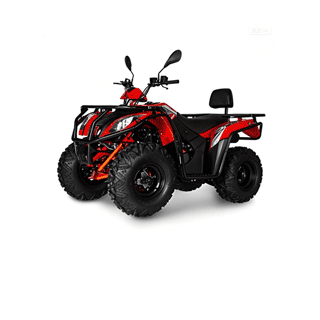
If you work around ATVs long enough—whether in a workshop or sourcing parts—you start to notice something.
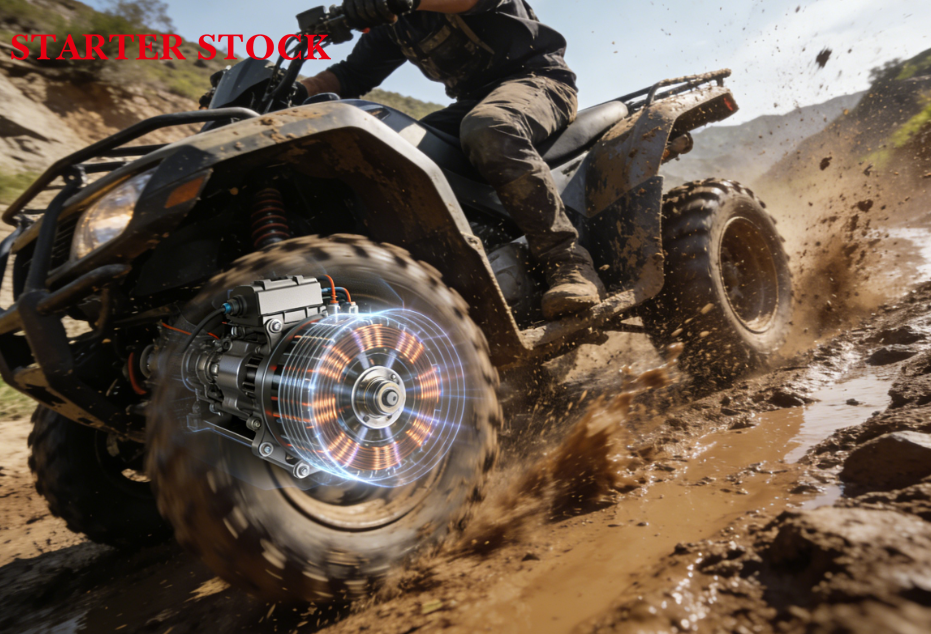
Performance complaints don’t always come from engines or suspension. A lot of them are quieter than that. Hard starts. Batteries that don’t last. Lights that dim for no clear reason.
Nothing dramatic. Just machines that don’t feel as solid as they should.
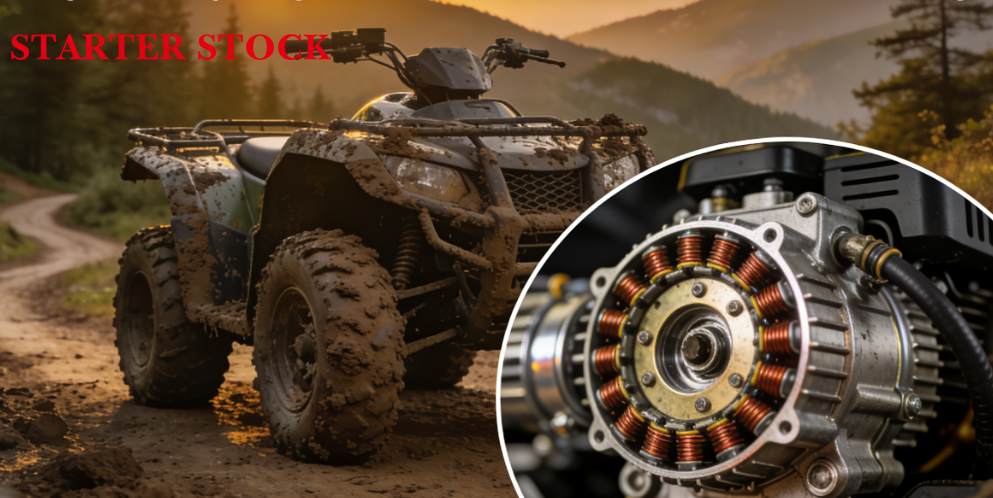
And more often than people expect, the issue traces back to the stator.
It’s Not the First Thing People Check
Most riders don’t think about the stator. Even some buyers don’t, at least not at the beginning.
The usual pattern goes like this:
The ATV struggles to start → battery gets replaced → works for a while → same problem comes back.
At that point, it stops being a battery issue.
What’s happening in the background is simpler than it looks—the system isn’t getting enough charge while running. And the stator is where that starts.
Where Problems Actually Begin
On paper, a stator either works or it doesn’t.
In reality, it’s rarely that clean.
What we see more often is partial degradation. Output is still there, just not strong or stable enough. That’s where things get messy:
Battery never fully charges
Starting becomes inconsistent
Electrical load starts affecting performance
Nothing fails instantly, which is why it’s easy to misread.
Off-Road Use Changes the Equation
If ATVs were used on clean roads, most stators would last much longer.
But that’s not how they’re used.
Think about a typical day:
low-speed climbs, engine working hard, not much airflow. Then mud, water crossings, maybe hours of vibration on uneven ground.
From a component perspective, that’s a rough environment.
Heat builds up. Moisture gets in. Materials expand and contract.
You don’t see damage right away, but over time, it adds up.
Not All Stators Age the Same Way
This is where quality starts to matter.
Two stators can look identical when new. Same shape, same connectors, same claimed specs.
But after a few months in real conditions, the difference shows.
Lower-grade units tend to drift first—output becomes unstable, especially under load.
Better ones hold their range longer. Not perfect, but consistent. And that consistency is what keeps everything else working normally.
The Cost Side—Where Buyers Usually Hesitate
From a sourcing point of view, stators fall into that tricky category.
They’re not expensive enough to justify overthinking—until failure rates start coming back.
That’s usually when the conversation changes.
Because once returns increase, or customers start reporting repeat issues, the initial savings disappear pretty quickly.
This is something we’ve seen across different markets. Cheap stators move fast, but they don’t stay in service long.
Why Some Buyers Shift Platforms
Over time, a lot of distributors stop chasing the lowest price and start looking for consistency instead.
That’s usually when they move toward more specialized sourcing channels.
Platforms like STARTERSTOCK come up in that context—not because they’re the cheapest option, but because they tend to offer more stable supply and better product consistency across batches.
For buyers dealing with volume, that matters more than a small price difference.
What Workshops Actually Notice
From the workshop side, the pattern is pretty clear.
When stator quality is inconsistent, you see:
Repeat electrical issues on the same model
Batteries being replaced more often than necessary
Customers losing confidence in the repair
When the stator is solid, those issues drop off.
Not completely gone—but less frequent, less frustrating, easier to manage.
It’s Not About Performance Upgrades
This is probably the part that gets misunderstood.
A better stator doesn’t make the ATV faster. It doesn’t increase horsepower or change handling.
What it does is remove instability from the system.
And once that instability is gone, everything else works the way it’s supposed to.
For off-road riding, that’s usually more valuable than a small gain in performance.
Final Thought
Most electrical problems don’t start as obvious failures. They start small, somewhere in the background, and build up over time.
The stator is one of those components that quietly decides whether that process happens quickly or slowly.
You don’t notice it when it’s working well.
But when it isn’t, you end up chasing problems that don’t seem connected—battery, starting, random electrical behavior.
From both an engineering and sourcing perspective, that’s usually the point where quality stops being optional.