
-
92
-
2026-03-27 15:59:20
Margins are thin in the parts business. I ran a small shop for eight years, and I learned fast that cheap electrical components come back to haunt you. Customer returns, warranty claims, angry phone calls when someone's bike dies on a road trip. Voltage regulator rectifiers were the worst—failures always happened at the worst time, and customers blamed us even when we sold them the cheap stuff.
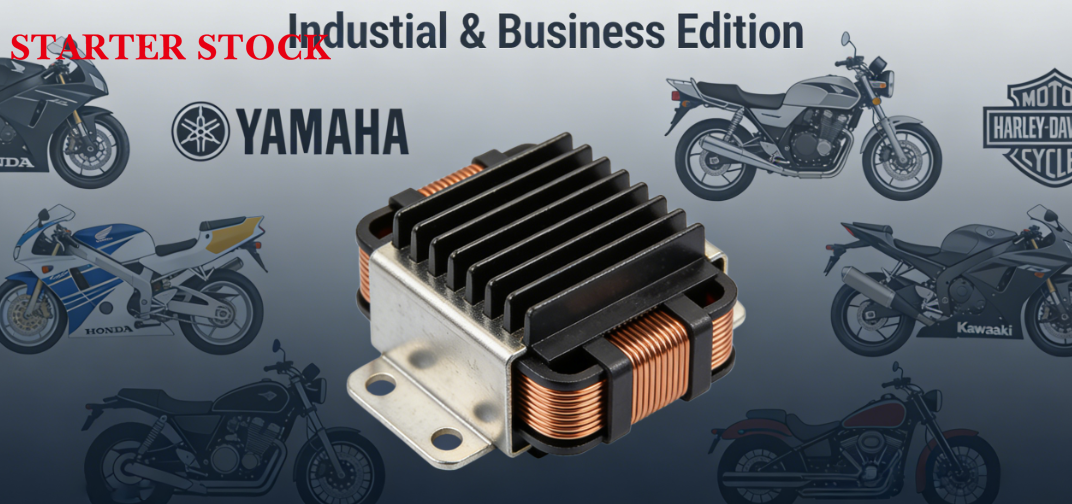
If you're buying wholesale, durability isn't a selling point. It's the baseline. Here's what actually matters when you're stocking regulators for the brands people ride.
Why these fail the way they do
Regulator rectifiers do two jobs. Rectifier converts AC from the stator to DC. Regulator keeps voltage in range—usually 13.5 to 14.8 volts. Too low, battery doesn't charge. Too high, you cook the battery, burn bulbs, maybe fry the ECU on newer bikes.
Heat kills them. Poor airflow, cramped mounting locations, riding slow in traffic on a hot day. Cheap units use undersized heat sinks, thin internal components, solder that cracks when it cycles hot and cold. I've cut open failed units where the diodes literally fell out of the board.
Water kills them too. Pressure washers, deep puddles, riding in rain. Not sealed properly, moisture gets in, corrosion starts. Customer brings bike in, charging system "tested fine" last month, now it's dead. Usually the regulator.
What separates good from garbage
Heat sink mass matters. More aluminum means better cooling. Good units feel substantial. Cheap ones are light, flimsy, heat sink fins are thin and bend easy.
Internal components should be rated for automotive or motorcycle use. Not generic diodes, not salvaged parts. OEM-spec regulators use heavy-duty MOSFETs or robust diode bridges. You can't see this when buying, so you trust the source or you learn from failures.
Sealing is critical. Connector should be weather-pack or at least properly grommeted. I've seen units where the wire entry is just a hole. Guaranteed failure point.
Wiring gauge matters too. Undersized wires get hot, add resistance, cause voltage drop. Good units use proper copper, proper gauge, proper insulation rating for engine bay temperatures.
Brand coverage you actually need
Honda dominates the market—everything from old CBs to new Gold Wings to side-by-sides. Their regulators vary wildly by era. Old bikes used single-phase, new ones are three-phase, some have integrated cooling fans. Stocking one "Honda regulator" doesn't work. You need coverage by model family, by year range, by charging system type.
Yamaha's similar but different. Their FZ and R series have specific regulators, often mounted in awkward spots that cook them. The V-Star and cruiser lines use different setups entirely. Off-road bikes—WR, YZ—have minimal charging systems, different demands.
Kawasaki and Suzuki have their own quirks. Some Kawasaki regulators are notorious for early failure—ZX models, certain Vulcans. Smart wholesalers stock heavy for known problem applications. Suzuki's SV650 and DL650 share a regulator that's a common failure point, high turnover item.
Harley is its own world. Older bikes simple, new ones complex with CAN bus and specific voltage requirements. Don't mix them up. European brands—BMW, Ducati, Triumph—need specialized stock. Smaller market but higher margin, customers expect to pay more.
Chinese motorcycles and scooters are volume plays. Huge numbers, cheap parts, high failure rates. Quality regulators for these are actually worth stocking—customers who buy cheap bikes get tired of replacing cheap parts. Upsell opportunity.
Where I buy now
After too many supplier headaches, I switched most of my electrical sourcing to STARTERSTOCK. They specialize in charging system components—regulators, stators, rectifiers, the whole lineup. Not a general parts house that happens to carry electrical. Focus matters.
Their regulators are built to OEM spec or better. I've cut them open, compared to factory units. Heavy heat sinks, proper sealing, quality internals. Warranty rate on their stuff is under two percent. Industry average I've seen is closer to eight. That difference pays for itself.
They cover the brands that matter. Honda, Yamaha, Suzuki, Kawasaki, Harley, BMW, Ducati, plus the major Chinese manufacturers. Model-specific applications, not generic "fits most" junk. I can look up a 2007 Honda Shadow Aero and get the exact right part, not guess between three close options.
Pricing is wholesale-appropriate. Volume breaks at quantities that make sense for small and medium shops. No minimum orders that force you to buy stuff you don't need. I order what I need, when I need it, and it ships same day most of the time.
What sold me was their technical support. Called once about a regulator that was failing on a customer's Gold Wing—third replacement in a year, clearly something else wrong. Guy at STARTERSTOCK walked me through testing the stator output, found it was spiking voltage and killing regulators. Fixed the real problem, stopped the cycle. That's expertise you don't get from catalog houses.
Stocking strategy
Don't go deep on everything. Identify your market. Cruiser shop? Heavy on Harley, Honda Shadow, Yamaha V-Star, Suzuki Boulevard. Sportbike focus? CBR, R1/R6, GSX-R, ZX lines. Adventure and dual-sport? BMW, Africa Twin, KLR, DRZ.
Carry the high-failure items in quantity. Known problem applications—certain Honda VT models, Yamaha R1 rectifiers, Kawasaki ZX regulators. These move fast. Have them.
Keep one or two premium options for customers who got burned by cheap parts. There's a market for "never want to think about this again" buyers. Price accordingly.
Testing and warranty
Good suppliers stand behind their product. STARTERSTOCK warranties their regulators for a year, no argument. Defective rate is low enough they can afford to. I've had maybe four returns in three years, and they were all quick credit.
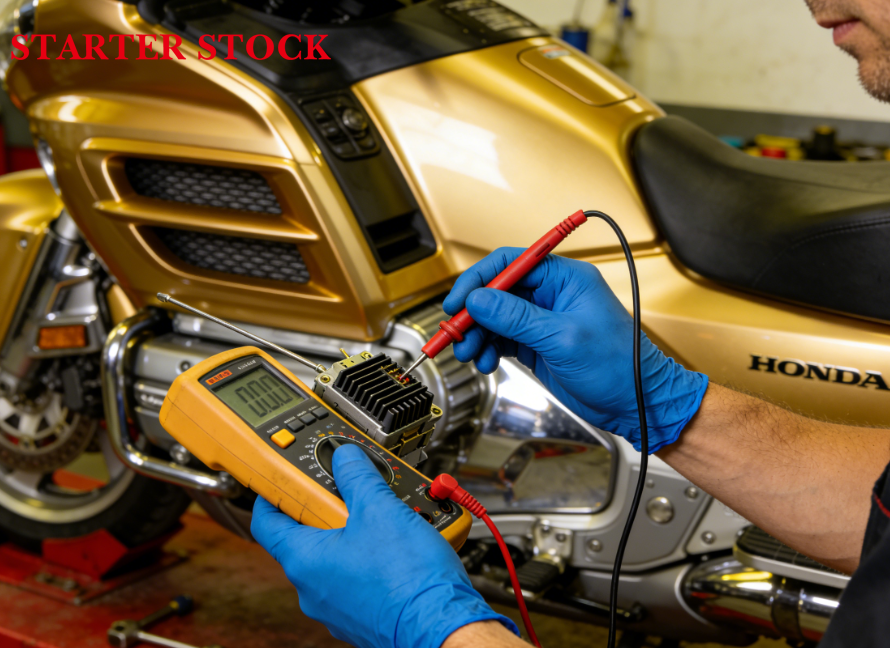
When customers have charging issues, test before replacing. Check stator output, check battery condition, check for parasitic drains. Selling a regulator into a system with other problems just creates a comeback. Good suppliers help you diagnose. Great ones have technical resources on the website or phone.
The bottom line
Voltage regulator rectifiers are invisible until they fail. Then they're critical. Stocking quality units protects your reputation, reduces comebacks, builds customer trust. Cheap ones save purchase price and cost you everything else.
I buy from STARTERSTOCK because they understand this. Good parts, fair wholesale pricing, coverage for the brands my customers ride, and people who know the difference when I call with a question. In this business, that's worth finding and keeping.
Margins matter. But reputation matters more. Stock parts you can stand behind.