
-
73
-
2026-04-01 16:36:54
Is it expensive to live on a yacht?
Yacht Life: The "Scraping Money" Truth Behind the Romance, Ordinary People Just Can't Handle It!
When you watch videos of yachts going out to sea, who hasn't secretly fantasized: Woken up by the sound of waves crashing against the shore every day, opening the window and seeing the boundless blue sea, with the salty and damp sea breeze blowing towards you - isn't this the real-life version of a fairy-tale life? But don't get too carried away just yet - yacht life is not the "poetry and distant lands" healing script, but rather a "money-spending like water" money-draining scene. Its cost is not just the huge sum for buying the yacht, but also the "scraping money" expenses day after day. Ordinary families may not even be able to endure it for a month. Today, let's dig deep with plain language to see exactly how much real money is spent on living on a yacht.
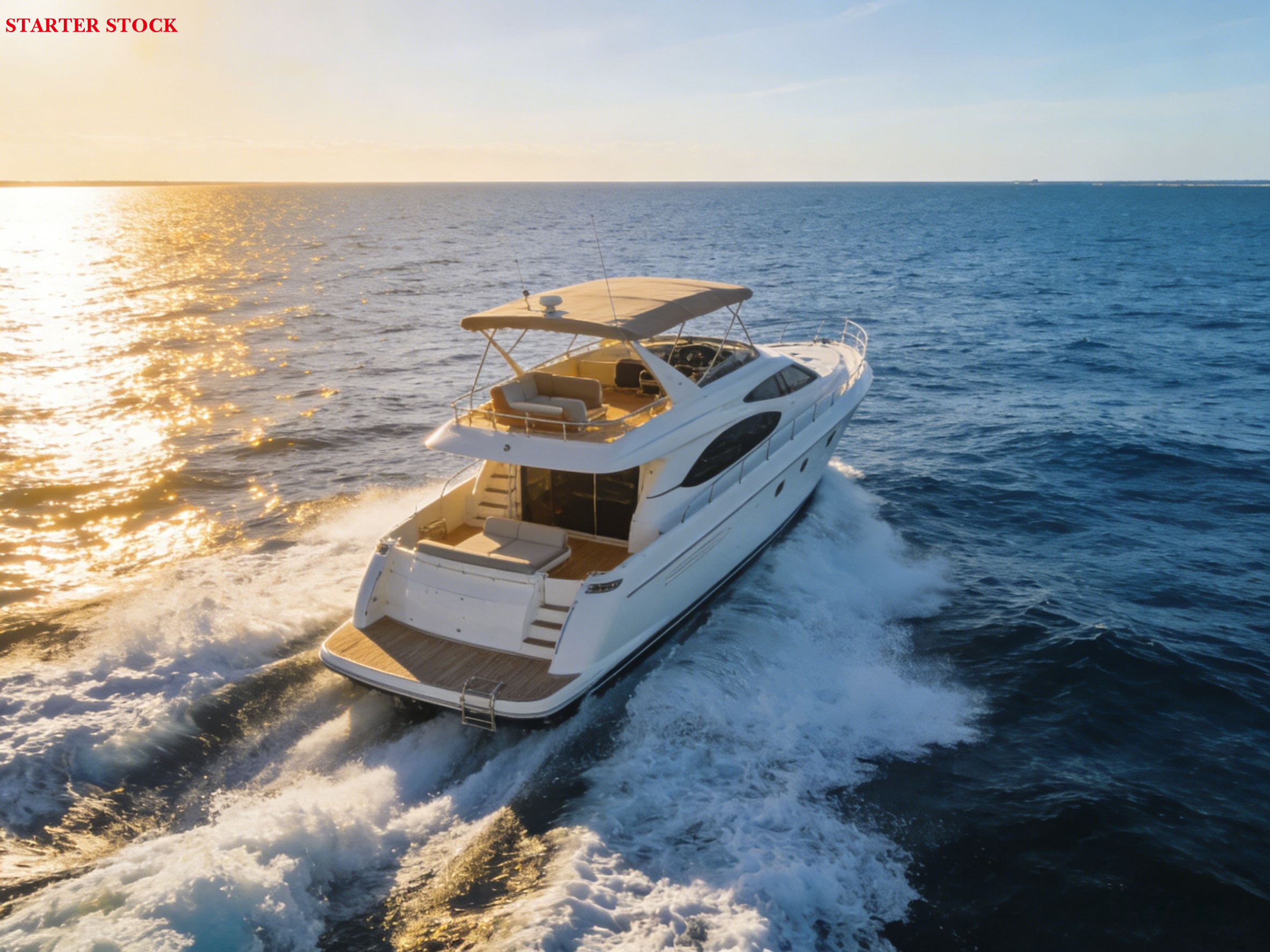
Basic Expenses: Once on the yacht, you are "forced to spend" immediately, and there's nowhere to hide.
If you want to live on a yacht for a long time, first settle on three "must-spending items", just like paying property management fees and water and electricity bills for a house. Missing any one of them makes it impossible to stay comfortably, and the prices are outrageously higher than on land.
The first one is the mooring fee, which is like the "sea rent" for the yacht. How can the yacht just float in the sea all day? Either moor at a regular yacht dock or find an exclusive berth. This is a fixed expense. In coastal cities in China, the docks charge based on the length of the yacht. For a 10-meter yacht, the monthly mooring fee is approximately 10,000 to 20,000 yuan. Over a year, it's 120,000 to 240,000 yuan, which is even more expensive than renting a three-bedroom apartment in a second-tier city. If it's a 20-meter or larger luxury yacht, the mooring fee doubles, with a monthly cost of 30,000 to 50,000 yuan. In core cities like Sanya and Shanghai, the annual mooring fee for high-end berths can reach 600,000 yuan, enough to buy a Tesla. What's even more deceptive is that the docks will also charge an "additional service fee", for electricity connection and garbage disposal, which will add extra costs. The longer you stay, the more terrifying this bill becomes.
The second is electricity, water, and fuel costs. The "daily consumption" on a yacht is several times more exaggerated than on land. In terms of electricity, when docking, you can use the electricity from the dock. For a 10-meter yacht, the monthly electricity cost is 2,000 to 5,000 yuan. If you use air conditioning in summer and heaters in winter, the electricity cost doubles. If you are at sea, you can only rely on the generator for power supply, and the diesel used by the generator costs several tens of liters per hour, and the cost of generating electricity for one day is enough for an ordinary person to pay for one month's electricity bill. Water costs are even more outrageous. The freshwater at the dock is charged by the ton, which is 5 to 10 times the cost of home water. For a 10-meter yacht, filling up the tank once costs several hundred yuan, and for a family of three or four, it needs to be refilled once a week, with water costs alone amounting to over a thousand yuan per month. The fuel cost is even more beyond words. Even if you don't go on long voyages, the fuel cost for a single trip around the nearby sea is several hundred yuan. If you want to change to a different sea area, the fuel cost for one voyage can cost tens of thousands of yuan, which is simply a "mobile oil tiger".
The third is maintenance and repair fees. Yachts are constantly submerged in seawater, which is like a "money-making machine". The seawater is highly corrosive, and the bottom of the yacht will be covered with mussels and oysters, not only affecting speed but also corroding the hull. Cleaning once is 5,000 to 10,000 yuan for a 10-meter yacht, and for a 20-meter or larger luxury yacht, it's 3,000 to 5,000 yuan per time. Regularly applying anti-corrosion paint to the hull is another expense. The cost for the core components like engines and navigation systems is 10 times more than that of a car. For a 10-meter yacht, the annual maintenance cost is 2 to 50,000 yuan, and for a luxury yacht, it starts at tens of thousands of yuan. What's even more fatal is that most yacht parts are imported, and when they break, replacing a part is not only expensive but also takes several months. During this period, you can only "lie down" at the dock, spending money and causing trouble.
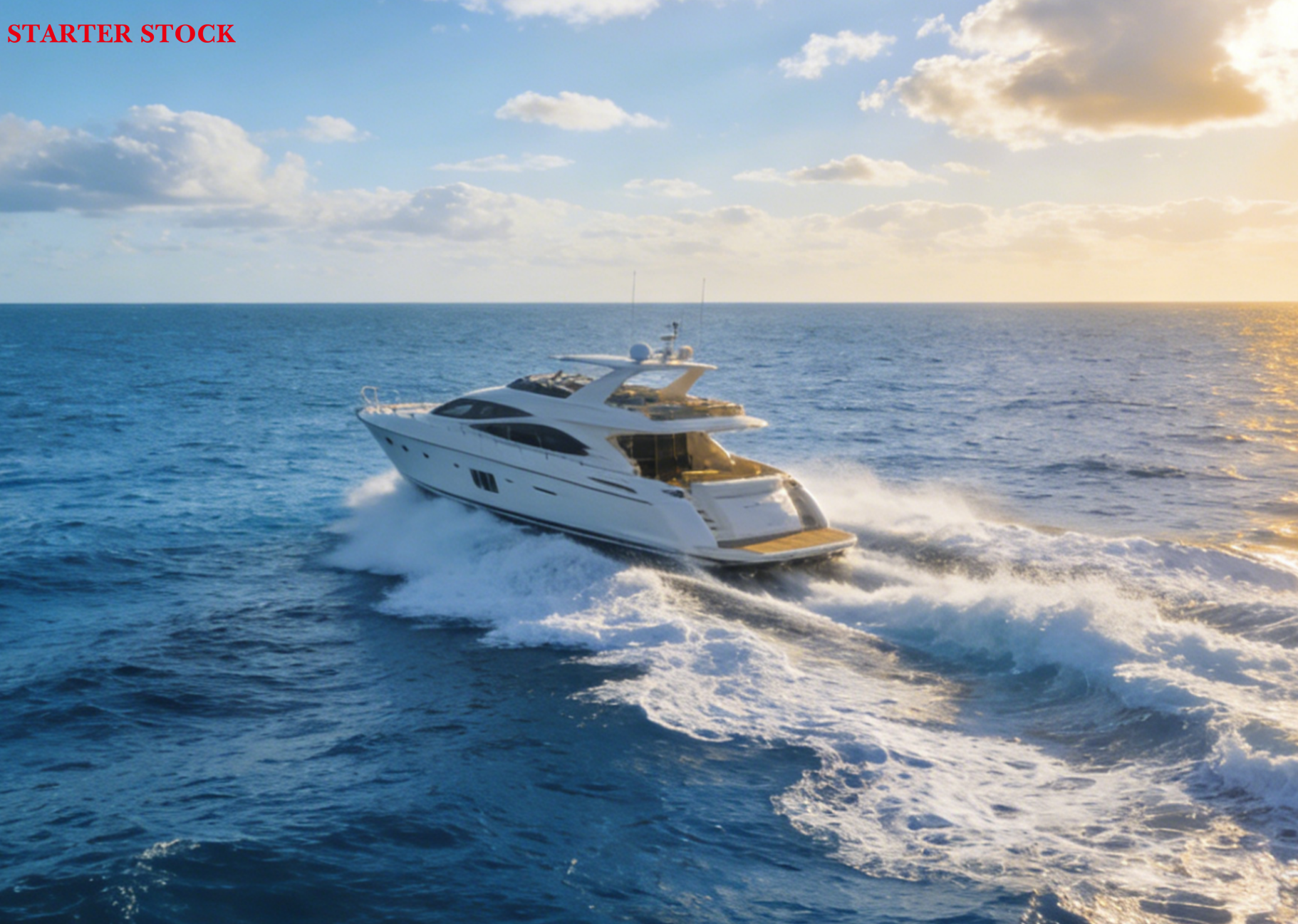
Living Expenses: Living on a yacht comes with "premium pricing" for every expense. Once the expenses for the yacht itself are taken care of, the daily costs for food, drinking, excretion, etc. are much higher than on land. After all, on the sea, "convenience" comes at a price.
Let's start with meals. Cooking on a yacht is no easy task. Procuring ingredients is troublesome. One can't just keep the yacht running and go to the market every day, can they? Either purchase in bulk when docking or hire someone to deliver. The delivery cost is even more expensive than the ingredients themselves. Moreover, the kitchen space on the yacht is small, and the storage conditions are limited. Fresh ingredients won't last long and will go bad easily, leading to waste. If you don't want to cook yourself, you can only order takeout or go to a marina restaurant. The prices of seaside restaurants are already higher than those in the city center, and adding the service fee for delivering meals to the yacht, a simple home-cooked meal can cost several hundred yuan. A family of three will spend at least 10,000 to 20,000 yuan on meals per month, which is half more than on land.
Then there are daily necessities and emergency supplies. The items on the yacht all need to be "durably made" and meet maritime standards, so the prices naturally double. Ordinary toiletries need to be selected that are corrosion-resistant and in small bottles, and the price is 2 to 3 times that of the supermarket; hygiene paper, laundry detergent, etc., need to be purchased in bulk, and the transportation to the marina incurs shipping costs. Emergency supplies cannot be spared. Life jackets, first aid kits need to be replaced regularly, fire extinguishers, emergency communication equipment need to be inspected regularly, and the annual expenses for these can range from several thousand to tens of thousands of yuan - after all, safety supplies are "life-saving money" and can't be vague.
There are also some "invisible living costs", such as laundry. The space on the yacht is small, and most don't have a washing machine. Either you wash by hand or send it to the laundry at the marina. The laundry charges by the piece are several dozen yuan per item, and over the course of a month, it becomes a considerable expense. If you want to use the yacht for internet access, the cost on the sea is extremely high, with monthly internet fees of several thousand yuan being the norm. The signal is often poor, and watching a video takes a long buffering time. Doing office work is even more difficult.
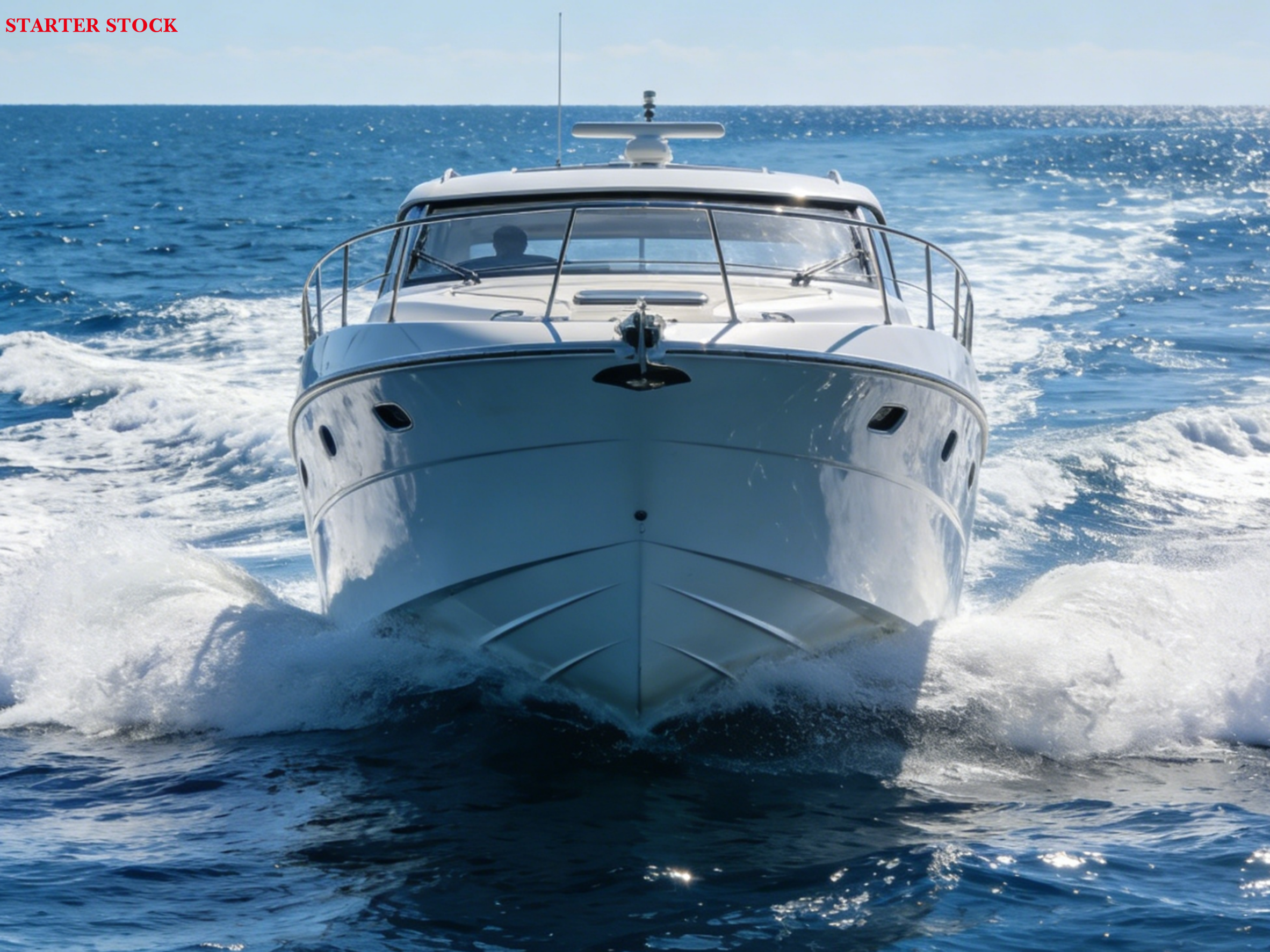
Different levels of yacht living: There are expensive ways to live, and there are also difficult ways to live at a low cost.
The expenses for yacht living are directly linked to the yacht's level. Entry-level, luxury, and super-yachts have a completely different level of spending. It's like renting a house, living in a mansion, or living in a palace - the differences are significant.
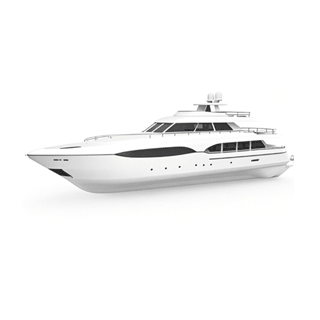
Let's look at entry-level yachts (6-12 meters). This is the only level that ordinary people can consider勉强 (barely, barely manage). It's suitable for single people or small couples for short-term residence. The fixed monthly expenses are approximately 2 to 4 ten thousand yuan (mooring fee 1-2 ten thousand yuan + electricity and water maintenance 1-2 ten thousand yuan), plus daily food and drink expenses, the total monthly cost is 3 to 6 ten thousand yuan. However, this yacht has an extremely small space, no separate bedrooms, and can only sleep on a sofa, the bathroom is also small and can't be turned around easily, and bathing requires carefulness. Moreover, it has poor wind and wave resistance, and when there is wind and rain, the yacht shakes severely, not to mention sleeping, standing is unstable, there is no romance at all, it's more like "suffering at sea".
Then look at mid-range yachts (12-24 meters). It's suitable for families to live long-term, with enough space, separate bedrooms, kitchen, and bathroom. The comfort level is fully maximized. But the expenses also increase sharply, the fixed monthly expenses are 8 to 15 ten thousand yuan (mooring fee 3-5 ten thousand yuan + electricity and water maintenance 5-10 ten thousand yuan), plus the cost of hiring a part-time captain and chef (monthly 2-3 ten thousand yuan), the total monthly cost is at least 12 to 20 ten thousand yuan. This level of living can be considered to have a "sea vacation" feeling, but you need to have a stable high income, such as a monthly income of over 30 ten thousand yuan, otherwise it's simply unsustainable. And you also need to buy insurance for the yacht every year, which is approximately 1% to 2% of the boat's value, for a 5 million yuan yacht, the annual premium is 5 to 10 ten thousand yuan.
The most top-level super yachts (over 40 meters) have expenses that can't be calculated in "months", but rather "daily". The monthly mooring fees, maintenance costs, fuel expenses add up to several hundred thousand to several million yuan. Moreover, professional crew teams (captain, chief mate, chef, waiter, maintenance worker) need to be hired, and the annual salary of such a team can reach several million yuan. Daily expenses are even more outrageous. Ingredients need to be sourced from all over the world, and the alcohol is of top brands. Even the cleaning agent for cleaning is imported. The daily living expenses can easily wipe out an ordinary person's monthly salary. Such a lifestyle can only be borne by billionaires with assets over 100 million yuan. For them, yacht life is not "living", but a way to "show off their status", and money is not a consideration factor at all.
Hidden expenses: Those "unexpected" money-draining traps
Living on a yacht, apart from fixed expenses and daily costs, there are many sudden and hidden expenses, like an "unexpected gift", which sometimes causes some inconvenience.
For example, if the yacht breaks down, the engine fails at sea, and a rescue call costs several tens of thousands to several hundred thousand yuan, and the waiting cost and maintenance cost during this period are incalculable. If encountering bad weather such as typhoons or heavy rain, the yacht may be damaged, and one repair costs several hundred thousand yuan, and in severe cases, it may be scrapped, equivalent to the loss of several years' savings.
There are also taxes and handling costs. Yachts need to pay property tax and vehicle tax every year, although the amount is not particularly high, it is still a fixed expense. And when sailing in different sea areas for a long time, various procedures need to be handled, such as entry permits and route approvals. Hiring an agency to handle it is another service fee. If you want to take the yacht abroad, the customs duties, quarantine fees, and other expenses add up to a huge sum.
What's even worse is the "depreciation rate" of the yacht. It's like buying a luxury car, and it depreciates immediately after purchase. For a 10-meter yacht, the depreciation rate is about 10% to 15% per year. If you bought it for 5 million yuan, it depreciates by 500,000 to 750,000 yuan a year, equivalent to losing a house's down payment after one year of use. After living on it for a while, many people can't bear the expenses and want to sell it. They have to pay agency fees, maintenance fees, and end up losing everything.
Conclusion: The cost of romance, ordinary people can't afford it
To sum up, living on a yacht is not a question of "whether it's expensive", but a question of "how expensive it is". The entry-level yacht costs several thousand yuan per month, the mid-range yacht costs several tens of thousands per month, and the super yacht costs several hundred thousand per month. This is not counting the sudden expenses and depreciation losses. Behind the romance of the yacht, it's all about the accumulation of money. For ordinary people, renting a yacht for a few days for an occasional experience is enough. Living on it for a long time is not realistic, unless you achieve "financial freedom" and can treat spending money as a daily routine.
After all, rather than worrying about water and electricity bills and maintenance fees on the yacht, it's better to live comfortably and freely on land. Keeping the romance of "sea life" in imagination and occasional experiences, the cost is much higher than living on a yacht for a long time.