
-
63
-
2026-04-10 18:11:52
Importing vehicle motors from China can be the best move for your profit margins—or a fast track to a logistical nightmare. While the "China Price" is attractive, the hidden costs of a bad batch can sink your brand's reputation overnight.
As someone who spends every day looking at motor teardowns and factory audits, I can tell you that most sourcing failures happen long before the container leaves the port. Here are the five most common mistakes importers make and the "Pro" way to sidestep them.
Table of Contents
1. Mistake 1: The "Price-First" Race to the Bottom
2. Mistake 2: Overlooking "Internal" Material Specs
3. Mistake 3: Falling for the "Perfect Sample" Trap
4. Mistake 4: Ignoring Factory Specialization (Generalists vs. Specialists)
5. Mistake 5: Underestimating Logistics and Compliance Costs
6. Summary Checklist for Importers
1. Mistake 1: The "Price-First" Race to the Bottom
The biggest trap is choosing a supplier based solely on the lowest quote. In the motor industry, a 15% price difference usually means a 50% drop in lifespan.
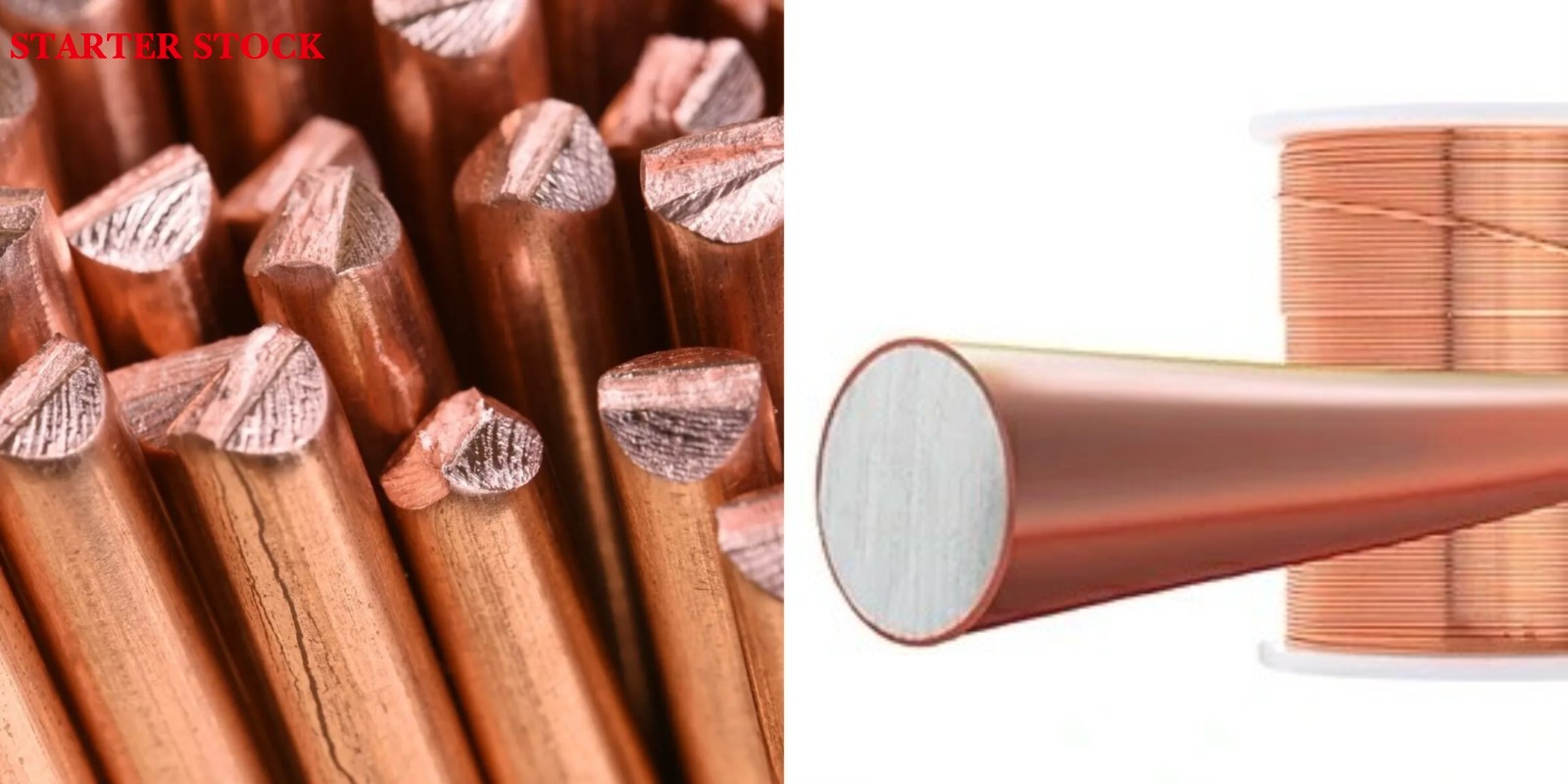
The Reality: If a quote is significantly lower than the market average, the factory is cutting corners on the "Invisible Vitals"—the purity of the copper winding and the grade of the magnets.
● How to Avoid: Instead of asking "What is your lowest price?", ask "What is the weight of the copper in this unit?" Heavy copper means better heat dissipation. Cheap motors often use copper-clad aluminum (CCA), which fails under high-torque loads.
2. Mistake 2: Overlooking "Internal" Material Specs
A starter motor or alternator can look beautiful on the outside but be a "ticking time bomb" inside. Most importers only check if the motor fits the vehicle, not how it's built.
Key Specs to Demand:
● Insulation Class: For commercial use, demand Class H ($180^{\circ}\text{C}$) or higher. Standard Class B will melt in tropical or heavy-duty environments.
● Solenoid Contacts: Ensure they are solid copper, not copper-plated steel.
● Commutator Quality: A precision-machined commutator ensures a clean brush contact, preventing the arcing that kills 80% of aftermarket motors.
3. Mistake 3: Falling for the "Perfect Sample" Trap
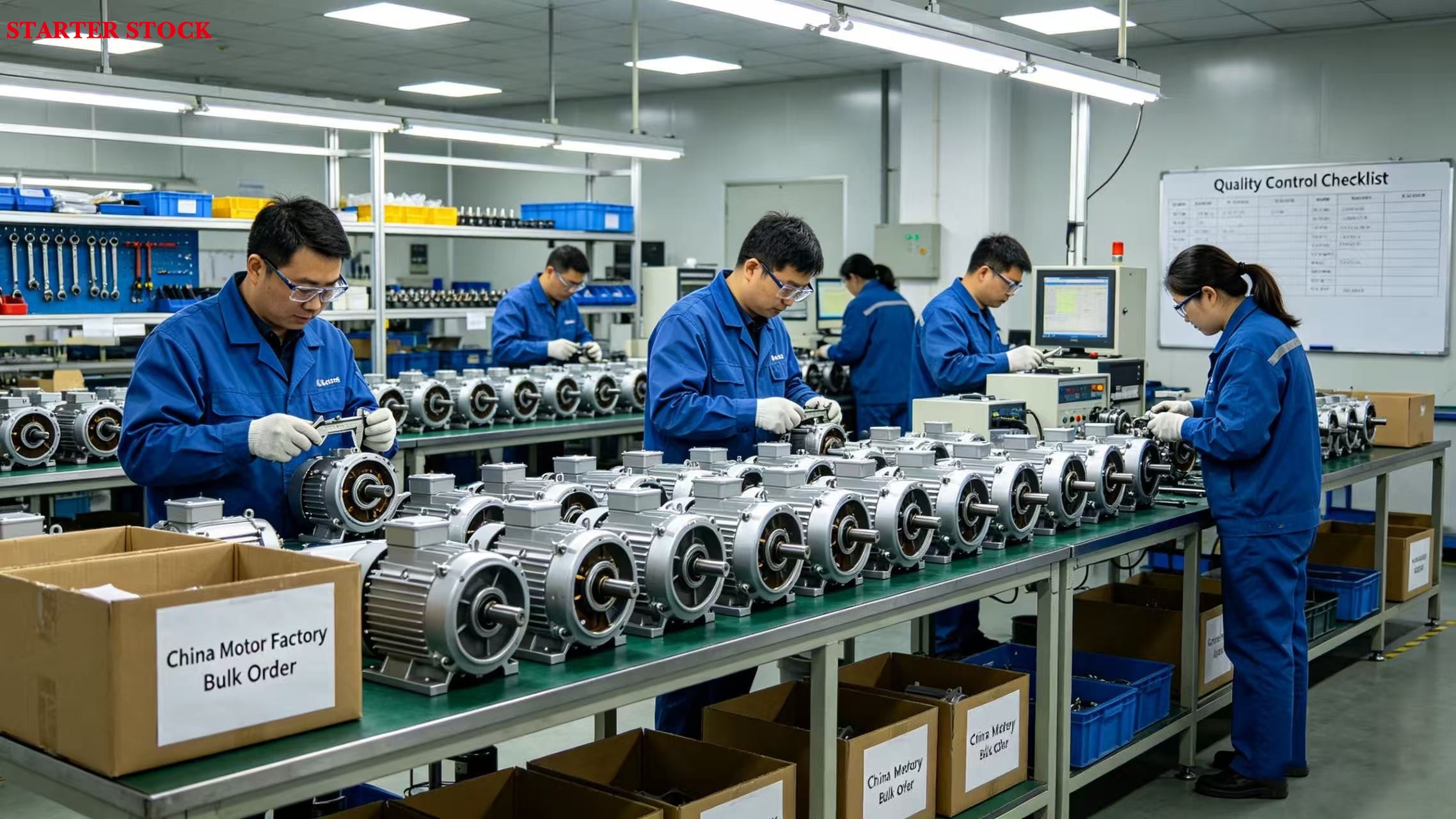
"The sample was perfect, but the bulk order was garbage." This is the most common complaint in China sourcing.
The Fix: Batch Verification. Don't just trust the sample. You need a Pre-Shipment Inspection (PSI).
● The Pro Tip: Tell the supplier before you pay the deposit that a third-party inspector will randomly pull 5 units from the final production line for a full teardown. This "threat" of inspection often magically ensures that the bulk quality stays high.
4. Mistake 4: Generalists vs. Specialists
In China, there are "Supermarket" factories that make everything from hair dryers to starter motors. Then there are Specialists.
Why it matters: A factory that makes only 24V heavy-duty starters for trucks understands the vibration and heat requirements of that specific niche. A generalist factory will use the same "one-size-fits-all" magnets for a lawnmower as they do for a truck.
● How to Avoid: Audit the factory floor. Do you see specialized testing rigs for vibration, salt spray, and thermal shock? If not, you're dealing with a generalist.
5. Mistake 5: Underestimating Logistics and Compliance Costs
I've seen importers lose their entire profit margin because they forgot to account for Anti-Dumping duties or Customs compliance (like SAE J1171 for marine use).
The Math of Sourcing:
Your true landed cost isn't just the FOB price. It follows this formula:
Landed Cost = Unit Price + Freight + Duty/Tariffs + Compliance Testing +Warranty Reserve
If you don't factor in a 2-3% Warranty Reserve (to cover the cost of the few units that will inevitably fail), your business model is fragile.
Summary Checklist for Importers
| Phase | Action Item | Why? |
| Sourcing | Verify Factory Specialization | Ensures niche-specific durability. |
| Quoting | Ask for Material Data Sheets | Prevents "cheap copper" surprises. |
| Sample | Conduct a Destructive Teardown | Seeing the "insides" is the only truth. |
| Bulk | Hire a Third-Party Inspector | Prevents "Quality Fade" during production. |
| Shipping | Confirm Duty & Compliance codes | Avoids expensive customs delays. |
Conclusion: Knowledge is Your Best Defense
Importing from China isn't a gamble if you know what questions to ask. The goal isn't to find the cheapest motor in the world—it's to find the most reliable motor your market can sustain. When you prioritize technical specs over catalog photos, you build a supply chain that your customers can trust.
Are you currently dealing with a high failure rate in your latest batch of motors? Or are you planning your first import and want a technical second opinion on a quote? Join the StarterStock community today. Let's look at your specs and make sure your next container is full of "Winners," not "Returns."