
-
28
-
2026-04-29 13:31:12
Imagine this: A rider is buried frame-deep in a nasty Texas "bounty hole." The engine stalls. They reach for the key, hoping for a roar, but all they get is that dreaded, faint click. Dead silence in the middle of the swamp. The culprit? A swamped, shorted-out starter solenoid that couldn't handle the pressure.
For the folks hitting American mud parks—from the legendary Mud Creek to the deep swamps of Louisiana—electrical failure isn't just a bummer; it’s a weekend-killer. For B2B buyers and aftermarket parts distributors, this isn't just a technical glitch—it’s a massive gap in the market waiting to be filled.
If you’re in the business of off-road vehicle electricals, stocking generic relays won't cut it. You need heavy-duty, "over-built" waterproof starter relays that can actually survive a mud bog. Here’s the real-world grit on what to look for when sourcing these components.
The Brutal Reality of Deep Mud Parks
"Deep mudding" is light years away from a Sunday trail ride. When an ATV drops into a pit, its electrical heart is attacked by more than just water.
We’re talking about "Texas peanut butter"—a thick, conductive slurry of clay, sand, and grit that acts like liquid sandpaper. It’s often chemically aggressive, too, with high acidity that eats through cheap seals in hours.
Most OEM (Original Equipment Manufacturer) relays are designed for rain and splashes, not for being held underwater for thirty minutes. Their basic rubber gaskets eventually fail under the weight of the mud or, more commonly, under the blast of a 3000-PSI pressure washer during the post-ride cleanup. Once that seal pops, the internal copper gets oxidized, the coil shorts, and you’ve got a stranded customer.
The Non-Negotiable Specs for a Mud-Ready Relay
In this niche, "water-resistant" is a lie. If you’re sourcing for professional mud rigs, you need to demand these specific manufacturing standards.
IP68: The Only Rating That Matters
Don't settle for "weatherproof." When you’re looking at factory spec sheets:
IP67 is the bare minimum—it handles 1 meter of water for 30 minutes.
IP68 is what you actually want to sell. It means the relay is engineered for long-term submersion under pressure. In the mud park world, IP68 is the gold standard for reliability.
Epoxy Potting: The "Secret Sauce"
A truly waterproof UTV relay is built from the inside out. You want to source parts that use Full Epoxy Potting. This is where the manufacturer pours a high-grade, non-conductive resin into the entire internal cavity.
This does two things: it makes it physically impossible for moisture to touch the coil, and it turns the relay into a solid block. That’s vital because mud tires like Outlaws or Silverbacks create insane vibrations. Potting ensures the internals don't shake themselves apart when the rider is pinning the throttle in a skeg hole.
Marine-Grade Hardware
Corrosion is the silent killer. Cheap tin-plated brackets will look like rusted junk after one trip to a Louisiana swamp. Look for relays with zinc-plated or nickel-plated external housings. Inside, you want solid copper or silver-alloy contacts. These materials resist "pitting" and ensure that when the rider hits the starter, the current actually flows.
Amperage Overhead
Deep mud creates massive drag. Trying to crank an engine or run a 4,500-lb winch while stuck in thick clay pulls a huge amount of juice. Ensure your relays are rated for high continuous amperage (150A+) and have the "headroom" to handle massive surge spikes without the contacts welding themselves shut.
Fitting the Big Three: Polaris, Can-Am, and the Rest
To move volume, your catalog needs to speak the language of the riders. Make sure your sourced relays are compatible with the rigs that actually rule the pits:
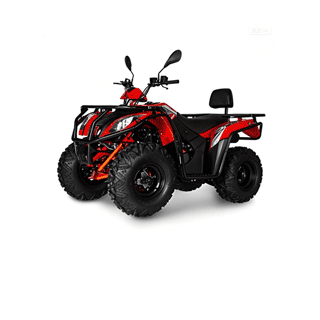
Polaris: Every Sportsman High Lifter Edition and Ranger owner is a potential customer. They push their machines to the limit and are always looking for "bulletproof" electrical upgrades.
Can-Am: The Outlander X MR and Renegade guys are the "hardcore" crowd. If your relay can outperform the stock Can-Am solenoid, you’ll win their loyalty instantly.
The "Relocation" Crowd: Many riders on Honda Rubicons or Yamaha Grizzlies perform "rad relates" and "snorkel kits." They move their electricals higher up the frame, but they still want a 100% waterproof relay as a secondary fail-safe.
Sourcing Like a Pro: How to Spot a Quality Factory
Don’t get burned by a supplier that just makes cheap car parts.
Check Their Pedigree: Does the factory have experience in the marine or agricultural sectors? If they can build a relay for a saltwater boat or a tractor in a monsoon, they can build one for an ATV.
Demand the "Wash Test": Ask for videos of their IP68 testing, but also ask if they’ve done high-pressure spray tests. That’s where most relays actually fail—at the car wash.
Connector Customization: A high-end supplier will offer pre-installed Deutsch waterproof connectors. Selling a relay that’s already wired with a professional-grade plug is a huge selling point for B2B buyers who want "plug-and-play" solutions.
Conclusion
Surviving the deep mud parks of America isn't about luck; it’s about having the right hardware. By stocking genuine, epoxy-potted, IP68-rated starter relays, you’re solving a real problem for the off-road community. For a distributor, this means fewer RMAs, higher margins, and a reputation for selling the "tough stuff."
Ready to stock a relay that won't quit when things get messy? Contact our team for wholesale specs, factory-direct lead times, and samples that we encourage you to try and drown.