
-
51
-
2026-05-06 14:56:09
As the core propulsion system of a vessel, the reliability of an outboard motor’s starting system directly determines navigational safety. The one-way clutch (Bendix), as a critical component of the starting system, is responsible for transmitting torque from the starter motor and driving the engine flywheel; failure of this component will result in a failed start. The highly corrosive and conductive nature of saltwater environments is the primary cause of one-way clutch failures. This article will provide a detailed analysis of the mechanisms by which saltwater affects outboard motor one-way clutches, common failure symptoms, and basic protective measures, helping users reduce the incidence of failures.
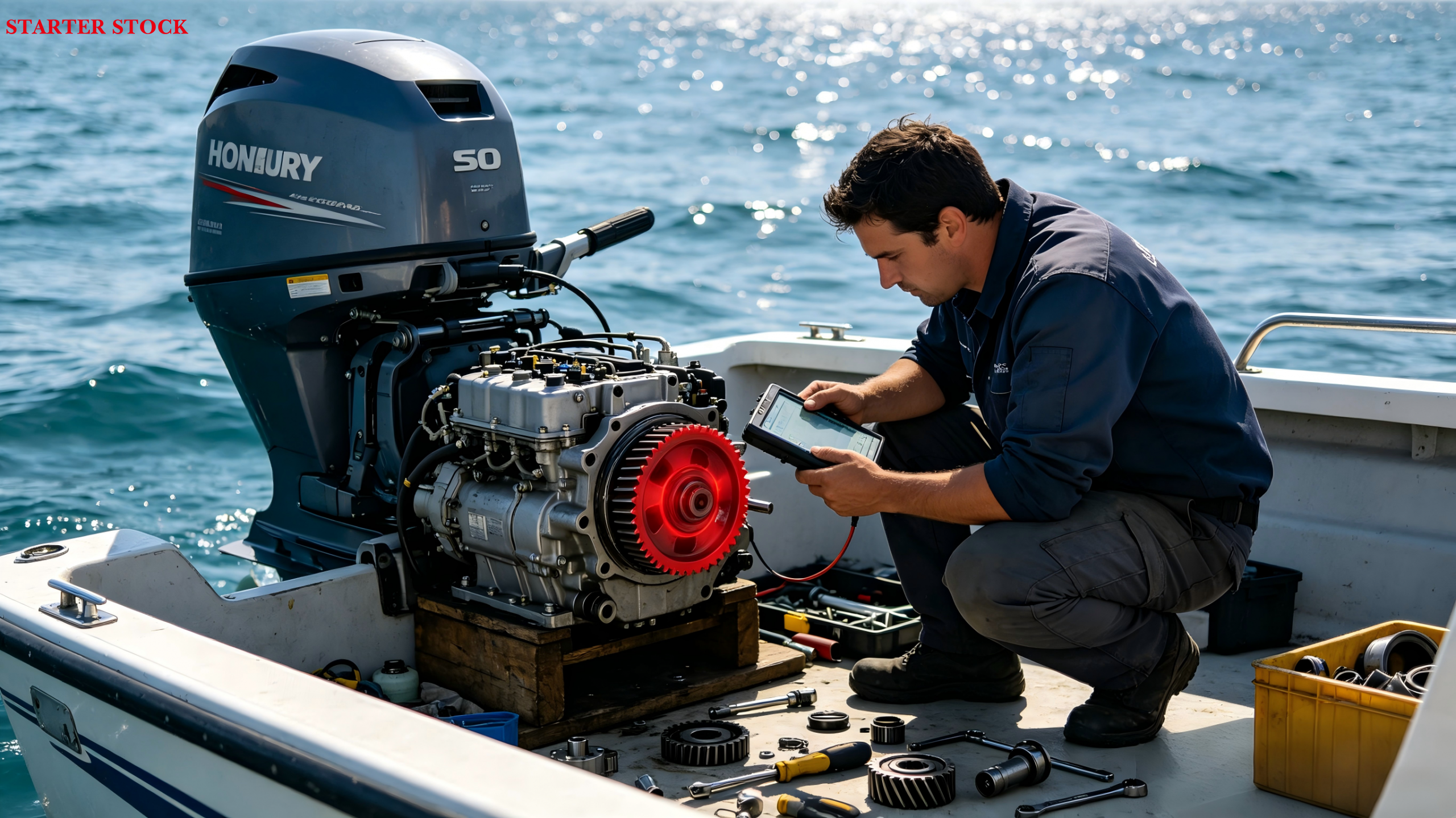
Unidirectional clutch, also known as one-way clutch, is the core component that connects the starter motor and the engine flywheel. Its core function is "one-way force transmission and reverse idling": when starting, the starter motor is energized to generate electromagnetic force, which pushes the driving gear of the one-way clutch to extend and tightly mesh with the engine flywheel ring gear, transmitting torque to drive the crankshaft to rotate and achieve engine starting; After the startup is completed, the flywheel speed far exceeds that of the starter, and the internal rollers of the one-way drive automatically disengage from the wedged state. The gear rotates freely with the flywheel, cutting off the reverse power to prevent the starter from being burned out by reverse drag. Then, the starter is powered off, and the gear automatically returns to its original position to complete the entire startup process. The commonly used roller type unidirectional device for outboard engines is mainly composed of drive gears, clutch housings, rollers, springs, and other components. It is often made of high-strength alloy steel, which has undergone rust prevention treatment but is still difficult to resist corrosion and erosion in saltwater environments.
The damage of saltwater to a unidirectional device is not a single effect, but rather a synergistic effect of multiple mechanisms such as electrochemical corrosion, salt crystallization blockage, and increased wear, gradually leading to component failure. Among them, electrochemical corrosion is the most core mode of damage. Saltwater contains a large amount of chloride ions, and its conductivity is 100 times that of fresh water. However, the driving gears, housing, and other components of a unidirectional device are made of different metals. When these dissimilar metals are immersed in the electrolyte of salt water, galvanic corrosion occurs: electrons flow from the more chemically active metal (anode) to the less active metal (cathode), and the anode metal gradually dissolves, resulting in a decrease in component thickness and strength. For example, the gears of a one-way drive are mostly made of alloy steel, and the housing is made of cast iron, which forms a corrosive battery in saltwater. The surface of the gear will gradually show pitting and pitting, and in severe cases, the gear tooth surface will wear out and the tooth tip will become dull, making it impossible to effectively mesh with the flywheel ring gear, directly resulting in the inability to transmit torque during starting.
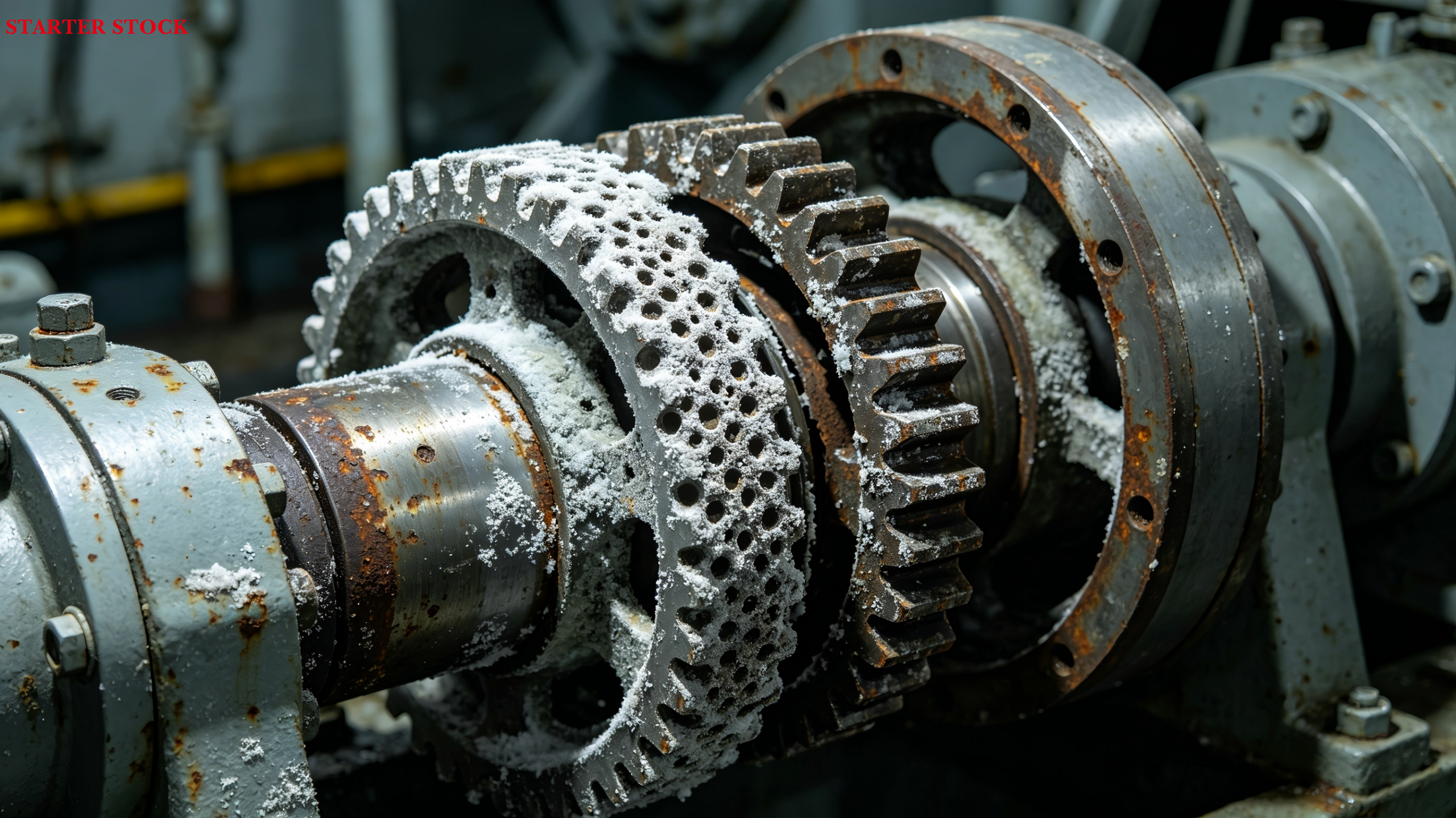
Salt crystal deposits can cause mechanical jamming of the one-way clutch, further exacerbating the failure. If an outboard motor is not rinsed promptly after use, the water in the saltwater will evaporate, forming salt crystals on the gear meshing surfaces of the one-way clutch, in the gaps between the rollers and wedge slots, and at the spring connections. These hard crystals fill the gaps between components, preventing the one-way clutch drive gear from extending or retracting smoothly. At the same time, the salt crystals increase friction between components, hindering the free movement of the rollers and disrupting the one-way power transmission function—resulting in abnormal noises during startup at best, or gear seizure at worst, where the starter motor spins freely but fails to drive the flywheel after energization. Furthermore, salt crystals can coat the anti-rust layers on component surfaces, compromising the protective barrier and accelerating the process of electrochemical corrosion, creating a vicious cycle of “corrosion-crystallization-seizure.”
Saltwater also exacerbates mechanical wear on the one-way clutch, shortening its service life. Saltwater contains impurities such as silt and sand; these impurities enter the one-way clutch along with the seawater, causing friction against component surfaces and wearing down the gear teeth, rollers, and wedge slots, which leads to a decline in component fit and alignment precision. At the same time, corrosion roughens the component surfaces, further increasing frictional resistance. The impact forces during startup exacerbate wear, ultimately leading to excessive wear on the drive gear teeth, deformation of the rollers, and spring failure. Once the springs fail, they cannot provide sufficient preload to the rollers, preventing them from engaging properly. Consequently, the one-way clutch cannot transmit torque, resulting in the typical failure where “the starter motor turns but the engine does not.”
Due to the effects of saltwater, there are four common failure patterns for the one-way clutch: First, no response during starting—the starter motor shows no noticeable movement after being energized, or emits only a “humming” sound, typically caused by the one-way clutch gear being jammed and unable to extend; Second, abnormal meshing noises, such as a “clicking” sound during starting, where the gears fail to engage smoothly. This is usually caused by corrosion, wear, or salt crystal buildup on the gear surfaces; Third, stalling after starting, where the one-way clutch fails to disengage after the engine starts, causing the starter motor to be dragged backward and burned out. This is typically due to a seized roller or a failed spring; Fourth, intermittent failure, where the engine sometimes starts normally and sometimes fails to start; this is often due to uneven salt crystal buildup or corrosion that has not yet completely compromised component function. If these issues are not addressed promptly, they will not only affect navigation but may also cause secondary damage to other components such as the starter motor and flywheel, increasing repair costs.
To mitigate the effects of saltwater on the freewheel, the occurrence of these failures can be reduced through scientific protective and maintenance measures. First of all, after each use, the outboard machine must be thoroughly washed with fresh water, focusing on washing the starting system and the parts of the unidirectional device to remove salt and impurities on the surface. The washing time is recommended to be no less than 10 minutes to avoid salt crystal deposition; Secondly, check the status of the unidirectional device regularly to see if there is corrosion and wear on the gear tooth surface, whether the roller is flexible, whether the spring is intact, and timely clean or replace the problems found; Furthermore, a special anti-corrosion lubricant can be applied on the surface of the unidirectional device to form a protective film to isolate salt water erosion and reduce friction between components; Finally, the sacrificial anode of the outboard machine shall be regularly inspected. The anode will actively sacrifice its key parts for self-protection, which will consume rapidly in the saline environment and need to be replaced in time to avoid accelerated corrosion of the unidirectional device due to loss of protection.
To sum up, the salt water causes various damages to the outboard engine unidirectional device through the mechanisms of electrochemical corrosion, salt crystal blockage, and intensified wear, which is the main cause of starting failure. Users need to understand the damage principle, develop good maintenance habits, wash in time, inspect regularly, and do a good job of corrosion prevention, so as to effectively extend the service life of the unidirectional device, ensure the reliability of the outboard engine starting system, and avoid getting into trouble due to starting failure during navigation.