
-
30
-
2026-05-25 09:09:30
Upgrading ATV Ignition Coils for Better Fuel Efficiency on Large American Ranches
Let's skip the romantic stuff about running a mega-ranch in Texas or Wyoming. You already know what a 5 AM wake-up sounds like. It sounds like engines. Four-wheelers firing up in the dark.
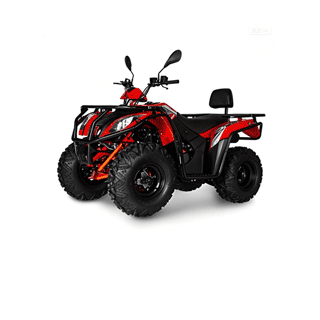
Out here, a quad isn’t some weekend trail toy. It’s a tractor, a horse, and a work truck all mashed into one dirty machine. They run all day. Checking fences, pushing steers, hauling feed.
And they guzzle gas.
Running a fleet of these things from sunup to sundown is quietly nickeling and diming your profit margins to death. When gas prices jump, suddenly everyone's yelling at the ranch hands to lay off the throttle and shut the bikes down at gates. Sure, that helps a bit. But almost everybody ignores a tiny mechanical trick hiding right under the seat. A trick that literally dictates your gas mileage.
The ignition coil.
Still running the cheap factory coils on a quad that works 60 hours a week? You are blowing unburned gasoline—and actual cash—straight out the tailpipe.
How That Factory Black Box is Robbing You
Here is exactly how that OEM coil is stealing your fuel money.
The coil has one job. Take 12 volts from the battery and multiply it into thousands of volts to snap the spark plug. Simple enough. But think about the environment it lives in. Texas heat. Choking dust. Constant, teeth-rattling vibration over ruts and rocks. That cheap factory insulation degrades fast under real abuse.
A tired coil gives you a weak spark. And a weak spark is exactly where your MPG goes out the window.
It simply can't ignite all the fuel dumped into the cylinder. Mechanics call it incomplete combustion. Instead of making horsepower, your engine just shoves raw, unburned fuel out the exhaust valve. You bought that gas. But you didn't get the work out of it.
Why Upgrading Actually Saves Gas
Let's skip the physics lesson. Upgrading to a heavy-duty, high-performance ignition coil works because it's wound tighter with actual quality copper. It throws a significantly hotter, fatter spark.
When that massive spark hits the fuel mixture? It burns everything. Every single drop turns into raw power.
Less Thumb ThrottleWhen your motor burns all its fuel, it runs way better. You get more torque at lower RPMs. Out in the pasture, that means you can cruise at your normal speed barely touching the thumb throttle. Less throttle equals less gas. Simple math.
Gate Idling Doesn't Kill Your TankThink about how many gates you open a day. How many water troughs you check. You probably leave the quad running. A strong coil keeps the idle completely smooth, stopping the engine from running rich and wasting fuel while you’re off the seat.
The Real Math for a Fleet
Look, if you have one quad and ride it on Sundays, don't bother.
But if you run a working operation with five or ten side-by-sides running non-stop? The fuel bill is massive. Bumping your fuel efficiency by just 10% to 15% across the whole fleet means these upgraded coils pay for themselves in gas savings in a couple of months.
Plus, heavy-duty aftermarket coils don't crap out like the OEM ones do. Less time dragging broken bikes into the shop.
4 Signs Your Current Coil is Trash
Your quad will usually tell you when the coil is dying. Watch for these:
Living at the fuel pump: Used to check the south pasture on half a tank, and now it takes mostly a full one? Your MPG is shot.
It smells like a gas station: If you catch whiffs of raw, unburned gas from the exhaust pipe while riding, your spark is way too weak.
Bogging down: Hook up a heavy calf trailer, hit the gas, and the motor hesitates or sputters. Classic bad coil symptom.
Morning headaches: Takes ten minutes to crank the bike over on a cold morning because the spark isn't hot enough to ignite cold fuel.
While You're in the Shop...
If you're swapping the coil, check these three things or you're still wasting gas:
Throw in a new plug: A hot coil needs a clean spark plug. Don't hook a brand-new coil to a filthy, black plug.
Check tire pressure: Riding on soft tires is like dragging an anchor. It forces the motor to work twice as hard. Air them up.
Clean the filter: Ranch dust is a killer. A clogged air filter chokes the engine, forcing it to run rich and burn extra gas.
The Bottom Line
You can't control beef prices. You definitely can't control what gas costs right now. But you can control your equipment.
Stop letting cheap factory parts secretly steal your fuel. Upgrading your fleet to high-performance ATV ignition coils is a cheap, Saturday morning job that pays you back almost instantly. Get the machines burning hot, running clean, and keep that fuel money in your own bank account.